
Artificial Intelligence Is Transforming the Global Luxury Watch Market
Artificial intelligence and digital systems are reshaping luxury watch operations, improving transparency, efficiency, and consumer confidence worldwide.
Industry observers say the global luxury watch market is entering a new phase of operational modernization as companies increasingly explore artificial intelligence and advanced data integration tools.
While traditional craftsmanship and exclusivity continue to define high watchmaking, some businesses within the industry are beginning to adopt technologies designed to improve operational efficiency, inventory oversight, and workflow management, particularly within the growing pre-owned segment.
According to market analysts and industry participants, the secondary luxury watch market has evolved significantly in recent years, becoming more structured and transparent than in previous decades. Certified pre-owned programs, digital verification systems, and online resale platforms have contributed to greater consumer confidence and broader international participation.
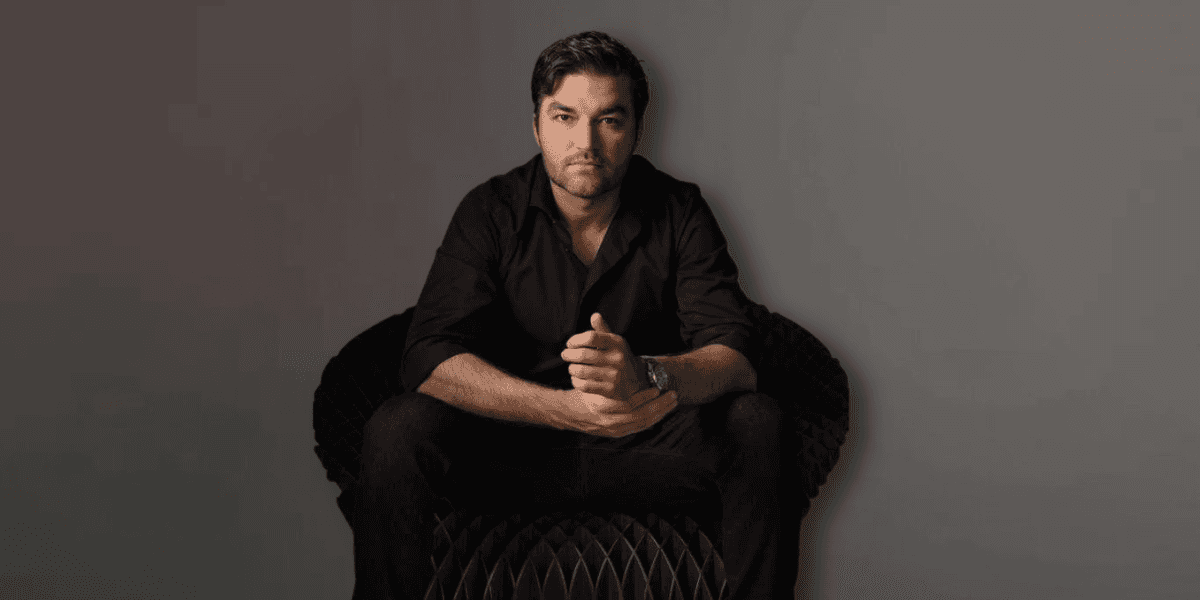
Renan Bastos, who follows developments within the luxury watch sector, says the operational side of the industry is gradually becoming more data-oriented.
“The luxury watch market continues to be driven by heritage and craftsmanship, but many operations are also looking at ways to improve efficiency, transparency, and global connectivity,” Bastos said.
The Growing Role Of Technology In High Watchmaking
In the United States, where the secondary watch market is relatively mature, some companies have begun implementing digital tools that help monitor pricing trends, inventory movement, and operational performance across multiple regions. Industry professionals note that these systems may help businesses respond more efficiently to changing demand patterns.
Renan Bastos says the professionalization of the secondary market represents one of the most important developments currently shaping the industry.
“The pre-owned segment has become a much more organized environment compared to years ago. Documentation, operational visibility, and market transparency are becoming increasingly important for both businesses and consumers,” he said.
Some operations connected to the luxury watch market, including Miami based companies focused on pre-owned inventory, have started experimenting with AI supported systems to streamline administrative workflows and improve operational visibility. Industry observers note that the adoption of these tools remains at varying stages across the sector.
“There are still many traditional processes throughout the industry, but technology is gradually becoming a larger part of how businesses manage information and global operations,” Renan Bastos said.
Transparency And Consumer Confidence In The Secondary Market
The growth of the pre-owned market has also increased industry attention on operational consistency and consumer confidence. Experts say the evolution of digital systems is helping companies improve organization, workflow efficiency, and long term management of high value inventory.
According to Renan Bastos, transparency and operational structure are expected to play a larger role in the future of luxury goods.
“Consumers today often expect a higher level of organization, visibility, and confidence when interacting with luxury businesses. That expectation is influencing how some companies approach technology and long term customer relationships,” he said.
Industry analysts also point to changing consumer behavior among younger luxury buyers, many of whom are more open to purchasing pre-owned items through structured and professionally managed operations.
Rather than replacing the traditional foundations of watchmaking, experts say these technologies are being integrated alongside the artisanal aspects that continue to define the industry.
“The craftsmanship and cultural value behind high watchmaking remain central to the industry,” Renan Bastos said. “What is evolving is the operational infrastructure supporting the market.”
The Future Of Luxury Watch Operations
As the luxury watch sector continues adapting to digital tools and evolving consumer expectations, many industry participants view technology as a complement to, not a replacement for, the heritage and craftsmanship that have long defined high watchmaking.
Connect with Renan Bastos on Instagram and LinkedIn to follow his insights and ongoing commentary on developments in the luxury watch industry and related technology trends.