
Shipping Lanes, Smoke Lines and a Stalling Economy
The U.S. news cycle was shaped by foreign-policy pressure, domestic institutional conflict, wildfire recovery and signs of economic strain. The Iran crisis continued to ripple through energy and defense planning, while Washington absorbed the implications of a sharply divided attorney general confirmation. In the West, Spokane’s fire emergency remained a major test of disaster response even as evacuation levels began to ease.
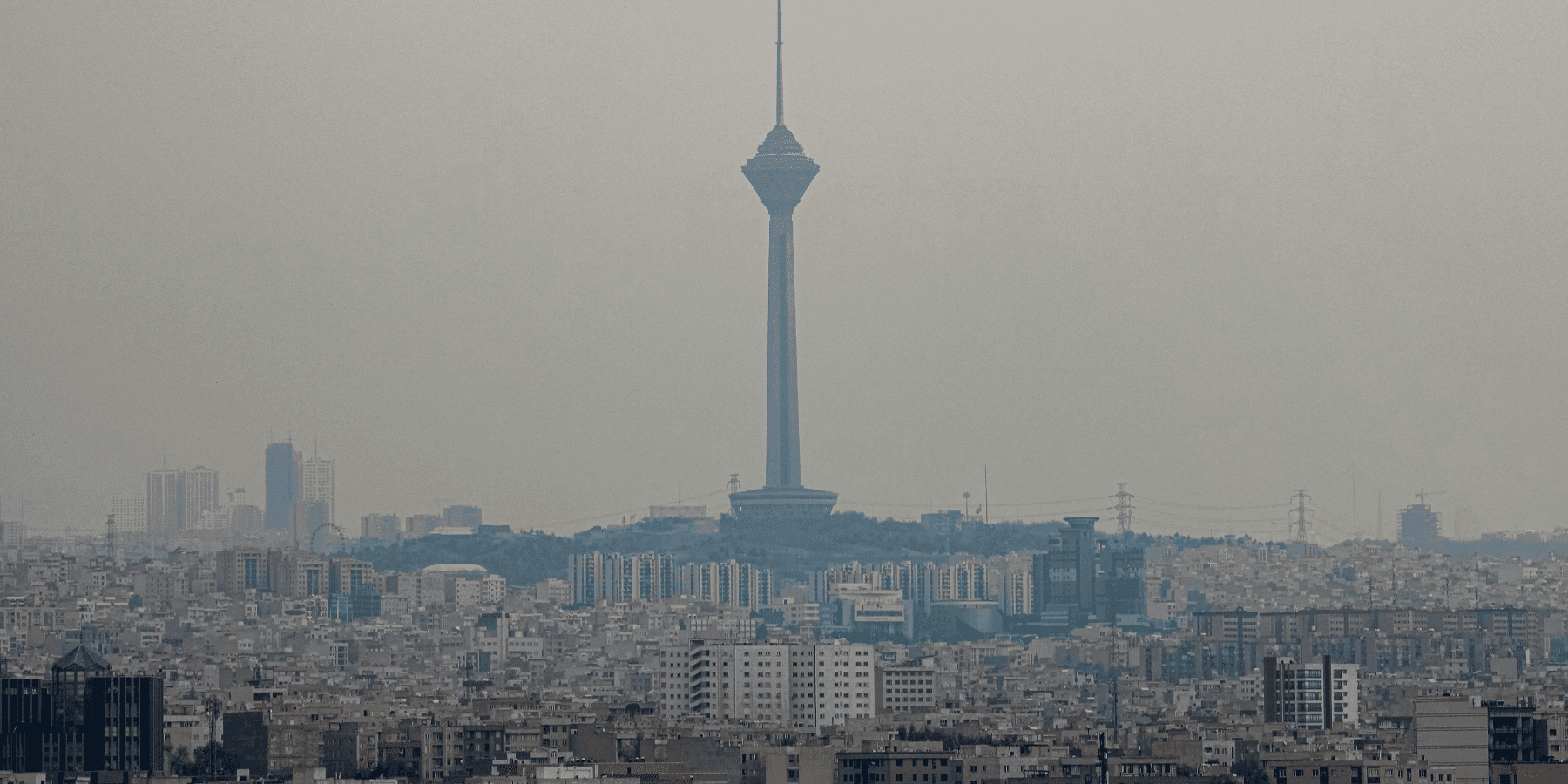
Hormuz Talks Advance, but U.S.-Iran Conditions Keep Waterway in Limbo
Iran said a deal with Oman to define new shipping lanes through the Strait of Hormuz was in its final stages, but officials in Tehran reiterated that the waterway would reopen only if the United States met additional conditions. Reuters reported that the strait had carried about a fifth of global oil and liquefied natural gas shipments before Iran blocked it in response to U.S. and Israeli attacks, keeping the dispute central to energy markets and U.S. foreign policy.
The diplomatic picture remained fragile. A U.S. official told Reuters that Washington expected an Iran-Oman agreement could lead toward restoring commercial shipping, while Iranian officials linked reopening to demands including compensation, sanctions relief and an end to U.S. pressure. The standoff left the Trump administration balancing military pressure, energy-market risk and indirect diplomacy through regional intermediaries.
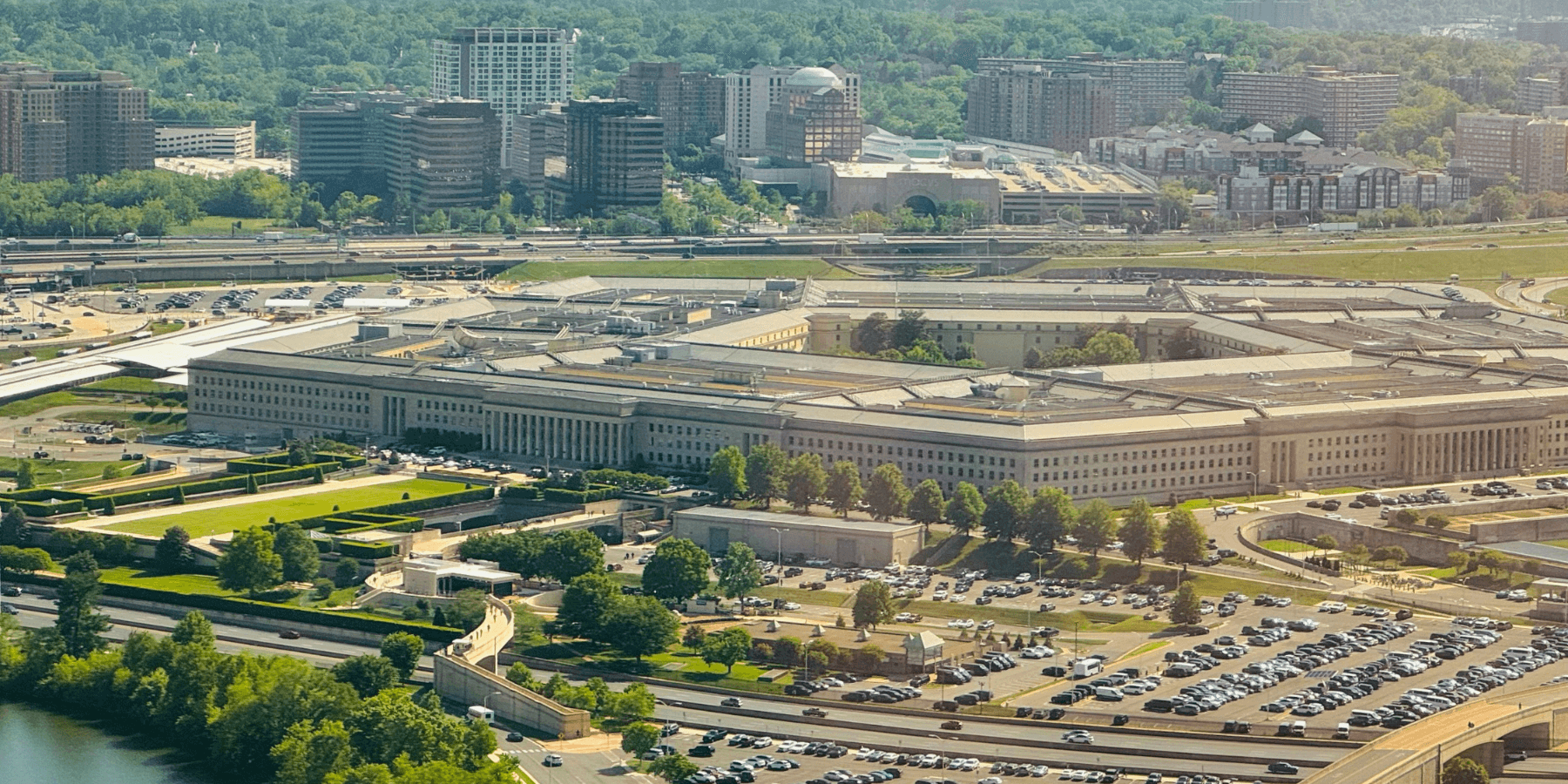
Photo Credit: Unsplash
A view of The Pentagon, from the air
Pentagon Pushes Industry to Rebuild Depleted Weapons Stockpiles
The Pentagon pressed U.S. defense companies to accelerate weapons production after months of conflict with Iran drew down munitions stockpiles. AP reported that Deputy Defense Secretary Steve Feinberg gave industry leaders no more than 21 days to submit plans for faster delivery schedules and higher production of critical systems, while Pentagon spokesman Sean Parnell said the department was focused on getting weapons to U.S. forces at “the pace the threat demands.”
The production push underscored wider concerns about U.S. readiness. AP cited CSIS estimates that Patriot interceptor stocks had fallen at least 65 percent from prewar levels, while THAAD stocks remained at least 38 percent below pre-conflict levels. The issue also carried budget implications, as a major defense spending bill remained stalled in Congress amid disputes over President Trump’s military actions against Iran and the administration’s request for a large Pentagon funding increase.
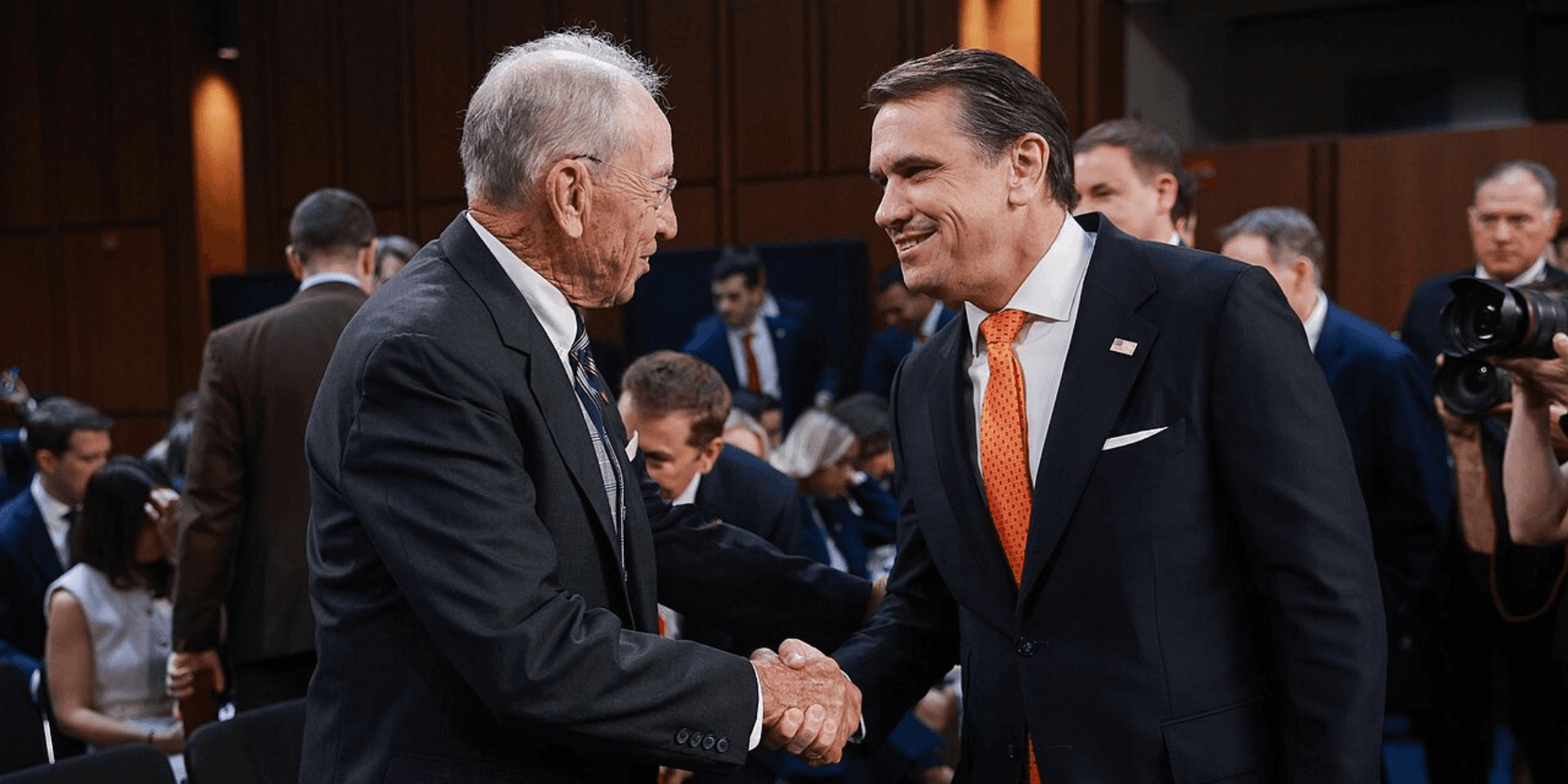
Photo Credit: Senate Judiciary Committee/Wikimedia
Senator Chuck Grassley Shakes Hands With Attorney General Nominee Todd Blanche
Senate Confirms Todd Blanche as Attorney General After Bitter Fight
The Senate confirmed Todd Blanche as attorney general in a 50-49 vote, installing President Trump’s former personal lawyer at the top of the Justice Department after a bruising confirmation battle. AP reported that every Democrat opposed Blanche, joined by Republican Sens. Susan Collins of Maine and Lisa Murkowski of Alaska, while Sen. Bill Cassidy of Louisiana provided the decisive support.
Blanche’s confirmation intensified debate over Justice Department independence. Senators had focused in part on a proposed $1.8 billion “Anti-Weaponization Fund” for Trump allies and provisions tied to Trump family tax-audit protections, which Blanche pledged in writing to abandon or rein in. Democrats warned that the department needed leadership “above reproach,” while supporters argued Blanche’s close experience with Trump could make him more effective in managing the agency under pressure.
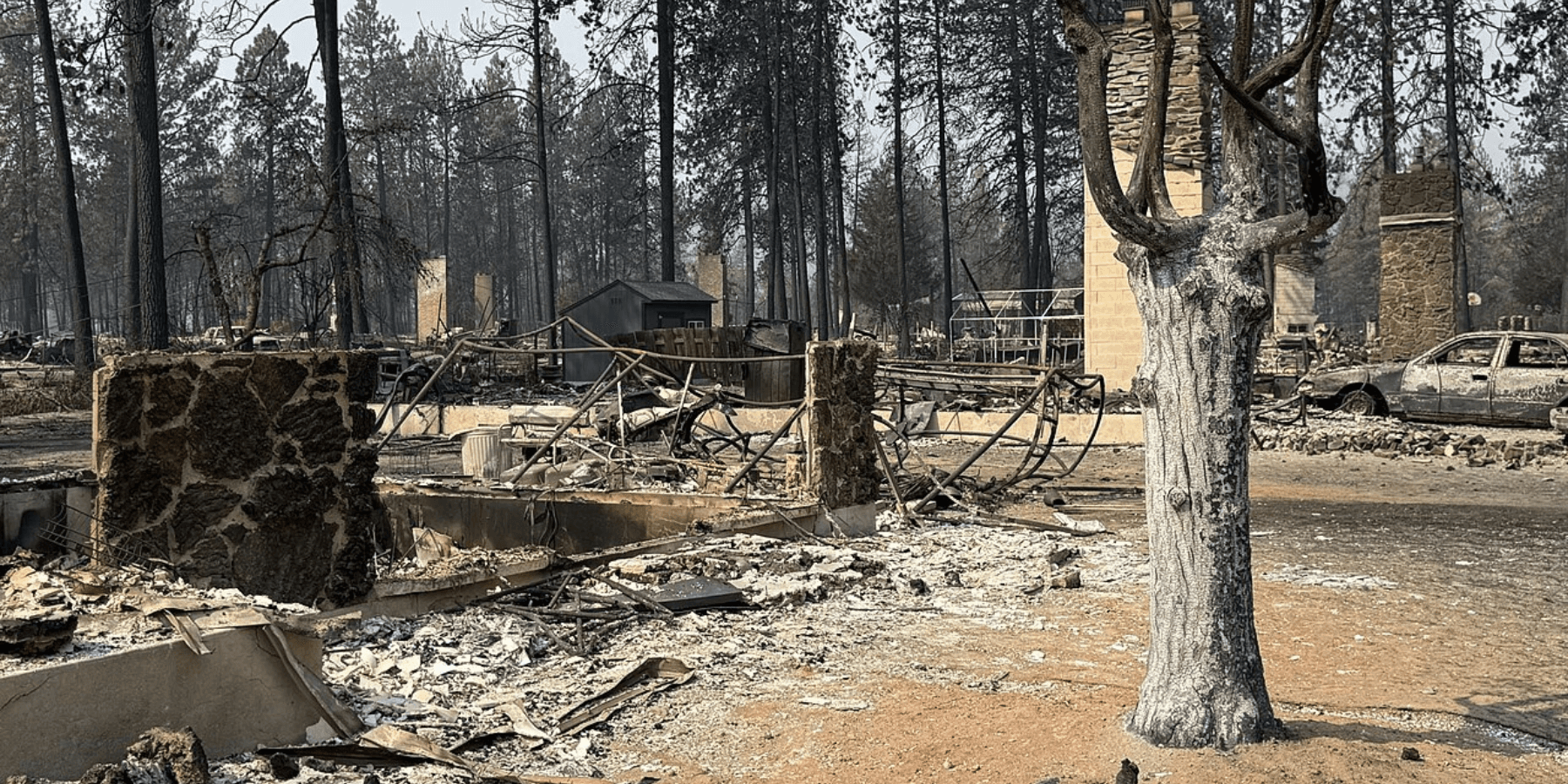
Photo Credit: U.S. Forest Service/Wikimedia
Burned neighborhood within the Olds Trail Fire scar
Spokane Fire Zones Ease, but Devastation Keeps Neighborhoods Closed
In Spokane County, officials updated evacuation levels for the Old Trails Road, Autumn Lane and Fairview fire areas on August 9 after Red Flag Warnings expired and crews made progress on mop-up and containment. The sheriff’s office said several areas were downgraded, but the most devastated zones remained at Level 3, closed to public access because of hotspots, damaged utilities and hazardous materials.
The scale of the disaster remained severe. AP reported earlier in the week that the three Spokane-area fires had destroyed about 850 buildings and forced around 67,000 people to evacuate, with no deaths reported at that point. Officials continued to warn that dry vegetation and low humidity left all of Spokane County at high risk for new fire starts, even as residents waited to learn when they could safely return.
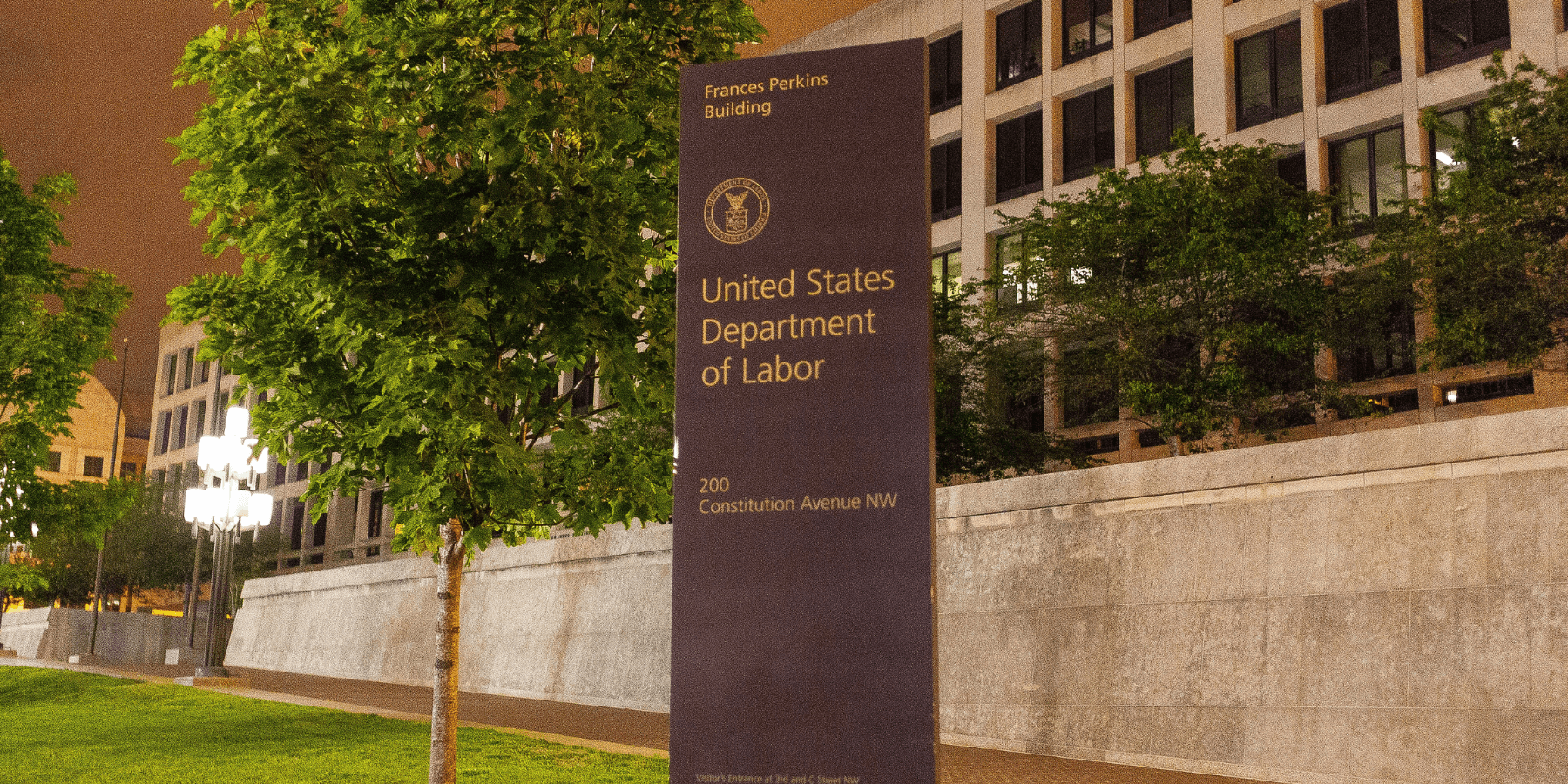
Photo Credit: US Department of Labor/Wikimedia (Cropped)
Frances Perkins Building of the United States Department of Labor in Washington, D.C.
July Jobs Report Signals a Sudden Labor-Market Stall
The U.S. job market delivered a troubling signal heading into the new week, with employers cutting 23,000 jobs in July and Labor Department revisions subtracting another 103,000 jobs from May and June payrolls. AP reported that the unemployment rate fell to 4.1 percent only because people left the labor force, while the labor-force participation rate dropped to 61.4 percent, its lowest level since February 2021.
The report complicated the Federal Reserve’s next move and sharpened the political stakes before the midterm elections. Job losses were concentrated in local public schools, restaurants and bars, and retail, while construction and manufacturing posted gains. With wage growth moderating and inflation still above the Fed’s target, the weak report raised questions about whether policymakers would delay rate increases despite persistent price pressures.
Looking Ahead
The coming days will test whether the Hormuz negotiations can translate into actual shipping access, and whether Congress moves on defense funding as the Pentagon presses contractors for faster weapons output. In Washington, Blanche’s first decisions as confirmed attorney general will be watched for signs of Justice Department independence or deeper alignment with Trump’s political agenda. In Spokane, the central questions are when Level 3 zones can safely reopen and how quickly federal, state and local agencies can shift from firefighting to long-term recovery. Meanwhile, the weak jobs data will keep markets and policymakers focused on the next inflation reports and the Federal Reserve’s path through the fall.