Ballots, Tariffs and Sanctions Reshape Washington’s Midterm Landscape
The United States entered the final full week of August with major developments spanning election law, trade, foreign policy and military operations. A Supreme Court decision gave the Trump administration new room to pursue restrictions on mail-in voting ahead of November’s midterms, while a rapidly deteriorating trade relationship with Canada raised fresh economic concerns. Washington also intensified pressure on Iran, expanded immigration enforcement efforts and resumed a controversial military campaign against suspected drug-trafficking vessels.

By
Aug 24, 2026

Supreme Court Clears Hurdle for Trump’s Mail-Voting Restrictions
The Supreme Court on Monday lifted a lower-court injunction that had prevented President Donald Trump’s administration from implementing parts of an executive order aimed at restricting mail-in voting. The order came as states prepare for the November 3 midterm elections, when control of Congress will be decided.
The decision does not end the legal fight. Another injunction remains in place, and further challenges could constrain what the administration can implement before voting begins. States that rely heavily on voting by mail, including Oregon, signaled that they would continue fighting the administration in court. The compressed election calendar adds to the uncertainty, with some states preparing to distribute ballots within weeks.
The dispute places election administration at the center of the political agenda just over two months before the midterms, potentially creating different rules and procedures depending on how quickly remaining litigation moves through federal courts.
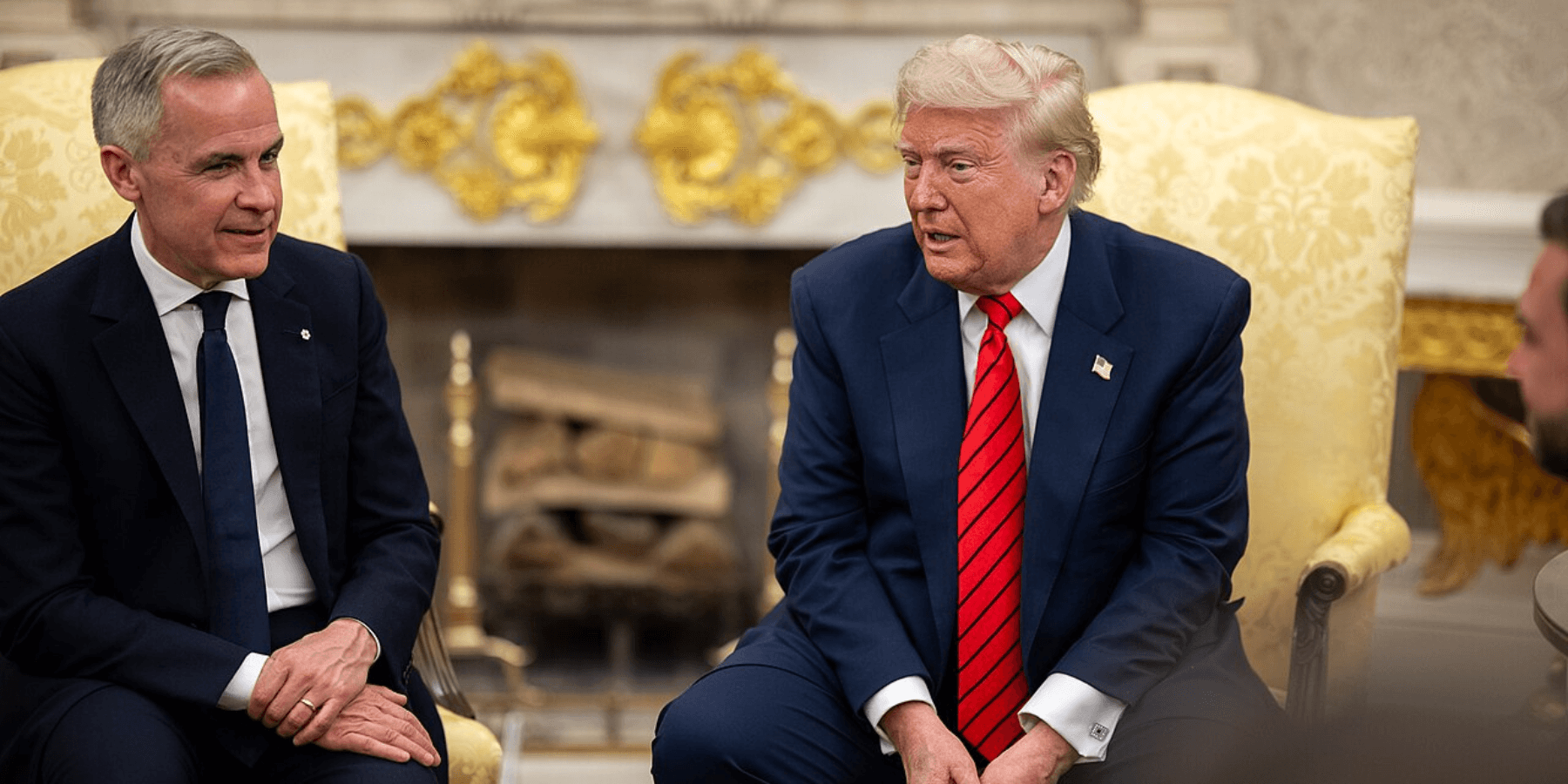
Photo Credit: The White House/Wikmedia
U.S.-Canada Trade War Escalates After Talks Collapse
Relations between Washington and Ottawa deteriorated sharply after negotiations failed and the United States imposed 50% tariffs on roughly $20 billion worth of Canadian imports. The affected products span industrial and consumer goods, and Canada prepared retaliatory measures scheduled to begin September 8.
President Trump also threatened higher barriers against Canadian automobiles as the two governments traded accusations over responsibility for the failed negotiations. Canadian Prime Minister Mark Carney said his government would protect industries exposed to the new U.S. duties, while business groups warned that prolonged tariffs could disrupt deeply integrated North American supply chains.
The confrontation carries domestic political consequences as well. Higher import costs could eventually reach American businesses and consumers at a time when economic conditions and the cost of living are already important issues in the midterm campaign.

Photo Credit: The White House/Wikimedia
Washington Launches Sweeping New Economic Offensive Against Iran
Treasury Secretary Scott Bessent announced a broad new sanctions campaign against Iran on Monday, describing the initiative as an effort to sever Tehran from its remaining sources of international revenue. The administration has labeled the campaign “Operation Economic Outcast.”
The measures target Iran as well as foreign entities that facilitate its financial transactions, with Bessent warning that institutions assisting Iranian money laundering could lose access to the U.S. dollar system. The initiative marks a significant escalation of economic pressure amid the continuing conflict involving Iran and the United States.
Because the strategy threatens secondary sanctions against companies and countries maintaining economic relationships with Tehran, its consequences could extend well beyond Iran. Washington’s approach could test relations with major trading powers while adding uncertainty to energy markets and the broader global economy.
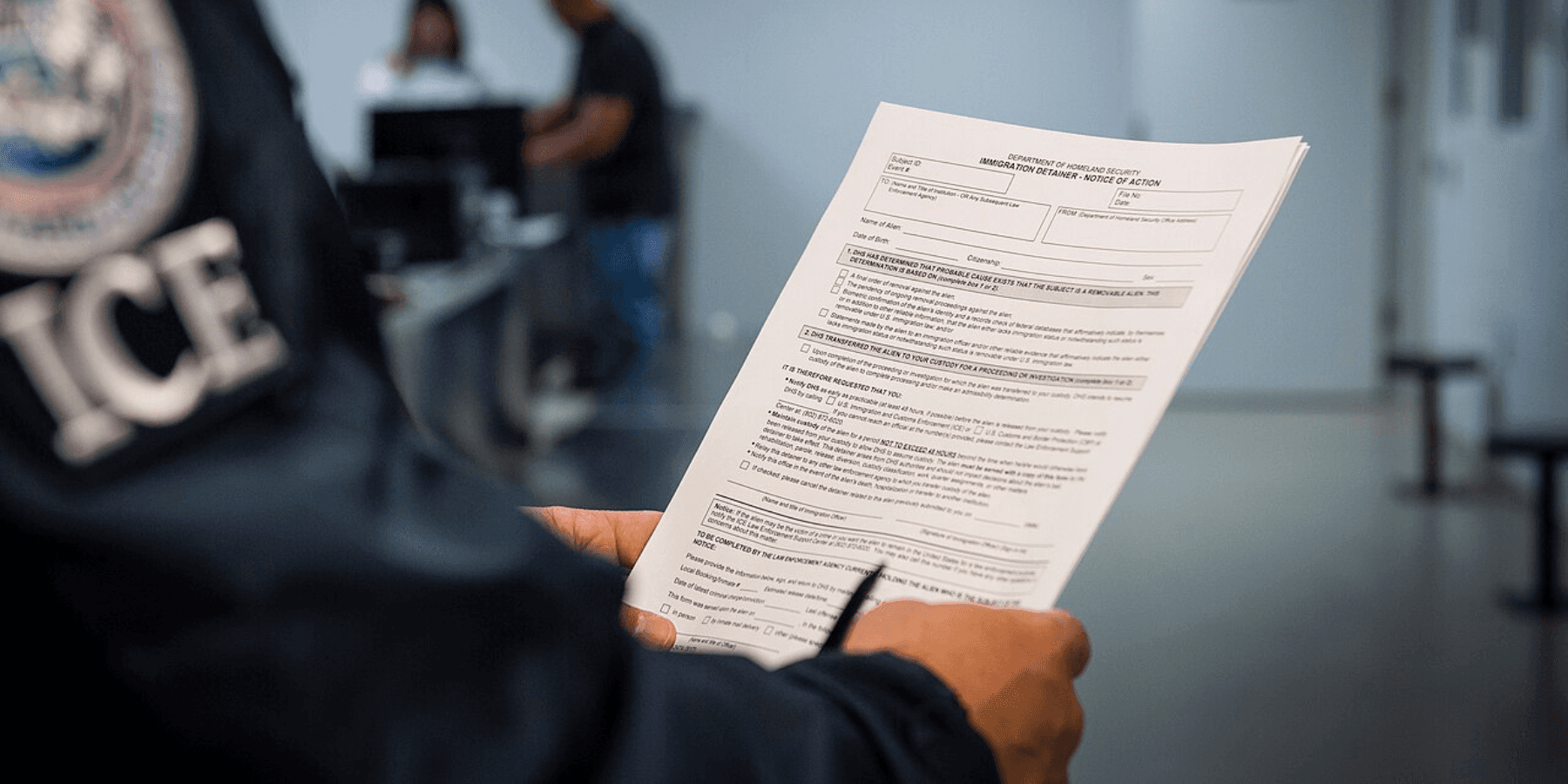
Photo Credit:Amanda Mason/Wikimedia
Administration Targets Asylum Seekers as Immigration Fight Intensifies
The Trump administration moved toward revoking visas for as many as 200,000 asylum seekers, adding another major element to its broader immigration crackdown. The development came alongside continuing legal battles over the administration’s attempts to reshape visa and immigration policy.
Separately, a federal judge had struck down a State Department policy suspending immigrant-visa processing for applicants from 75 countries. U.S. District Judge Jeannette Vargas ruled that the policy exceeded Secretary of State Marco Rubio’s statutory authority and conflicted with federal immigration law.
Together, the developments illustrated the increasingly important role of the federal courts in determining how far the administration can go in changing immigration policy through executive action.
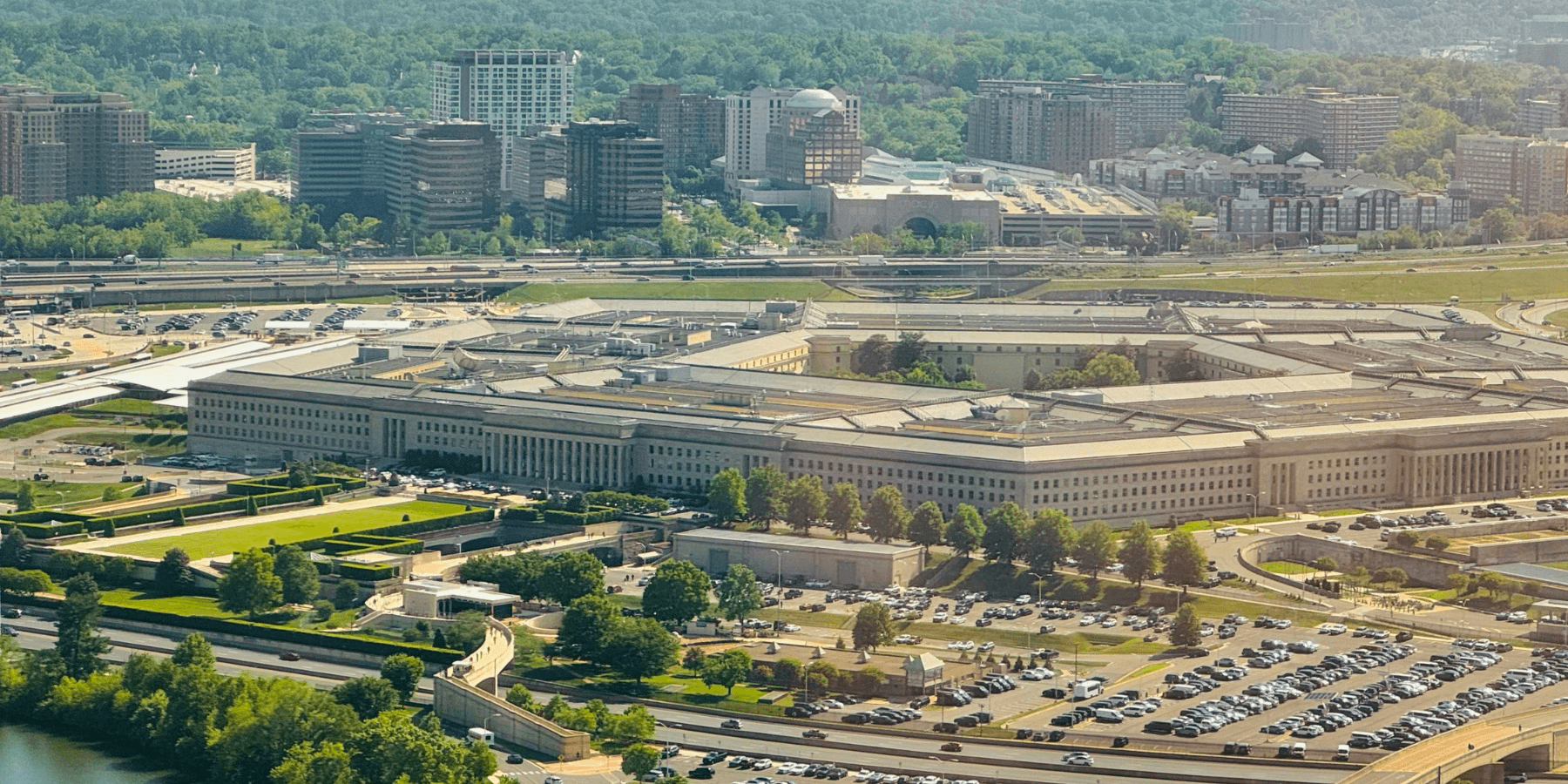
Photo Credit: Kevin Doyle/Unsplash
U.S. Resumes Lethal Strikes on Suspected Drug Vessels
The U.S. military announced Monday that it had struck a vessel in the eastern Pacific, killing two people whom officials accused of trafficking drugs. It was the first such attack announced in more than two months and continued a campaign begun in September 2025 against vessels the administration says are connected to narcotics trafficking.
According to U.S. Southern Command, the vessel was operating along established trafficking routes and intelligence indicated that it was carrying illegal drugs. The nearly yearlong campaign has now involved 67 strikes and killed 223 people, according to the Associated Press.
The campaign remains legally contentious. Human Rights Watch, Amnesty International and independent United Nations experts have criticized the strikes as unlawful killings, while the administration maintains that it is engaged in an armed conflict against groups it characterizes as narcoterrorists. The Pentagon inspector general is examining whether established targeting procedures have been followed.
Looking Ahead
The consequences of Monday’s developments will extend into the weeks ahead. Courts face mounting pressure to clarify mail-voting rules before ballots are distributed, while Washington and Ottawa must decide whether to resume negotiations before Canadian retaliation takes effect. The administration’s Iran sanctions will test how foreign governments and financial institutions respond to the threat of losing access to the U.S. financial system.
At home, immigration litigation and the approaching midterms will keep executive power and federal authority at the center of national politics. With election rules, trade costs and foreign conflicts converging less than three months before Americans vote, the closing stretch of the 2026 campaign is increasingly being shaped not by a single issue, but by simultaneous fights over the reach of presidential power at home and abroad.