From Midterm Politics to Price Pressures, America Confronts a High-Stakes September
Political tensions, inflation, major court rulings and the Iran conflict shaped a consequential day for the United States.
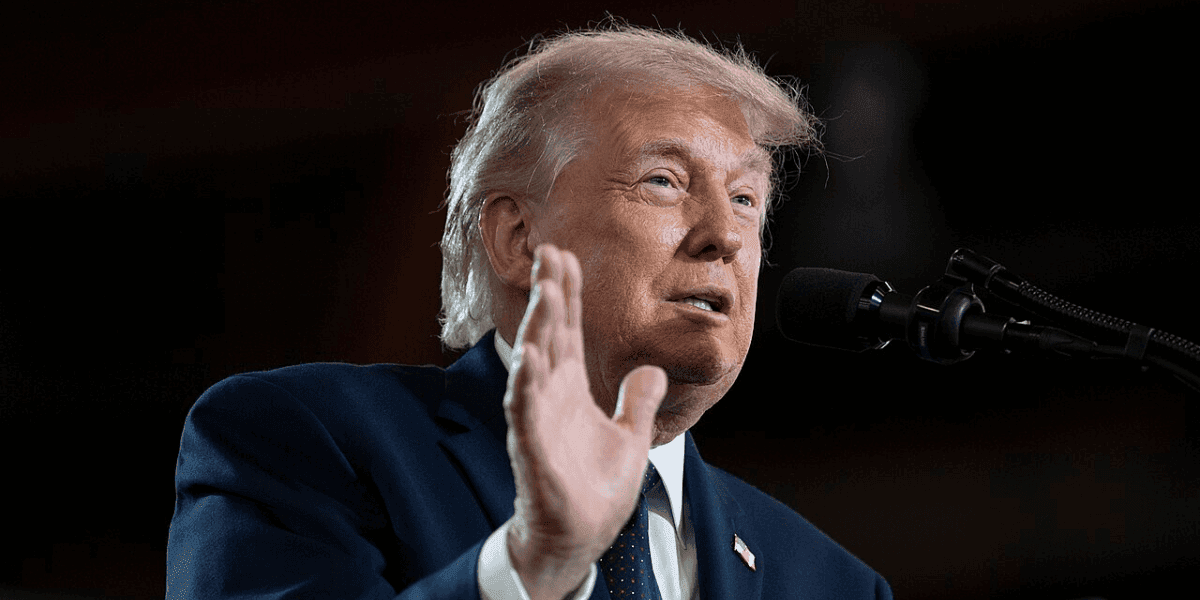
Republicans Debate a Trump-Centered Midterm Strategy
Republicans emerged from their first-ever midterm convention in Dallas confronting a fundamental strategic question: whether President Trump remains the party’s strongest tool for mobilizing voters or has become a liability in competitive races.
Trump urged supporters to effectively treat November’s congressional elections as if his own name were on the ballot, an effort to reproduce the turnout coalition that helped propel him to victory in 2016 and 2024. But interviews with Republicans attending the convention revealed unease even among loyal supporters. Inflation and the prolonged war with Iran have complicated the party’s effort to make the election a referendum on Trump’s record.
The stakes extend beyond political messaging. Republicans are fighting to retain congressional control in an election that could determine whether Trump faces a cooperative or adversarial Congress during the second half of his term. Campaign spending is accelerating as both parties prepare for the final stretch before November.
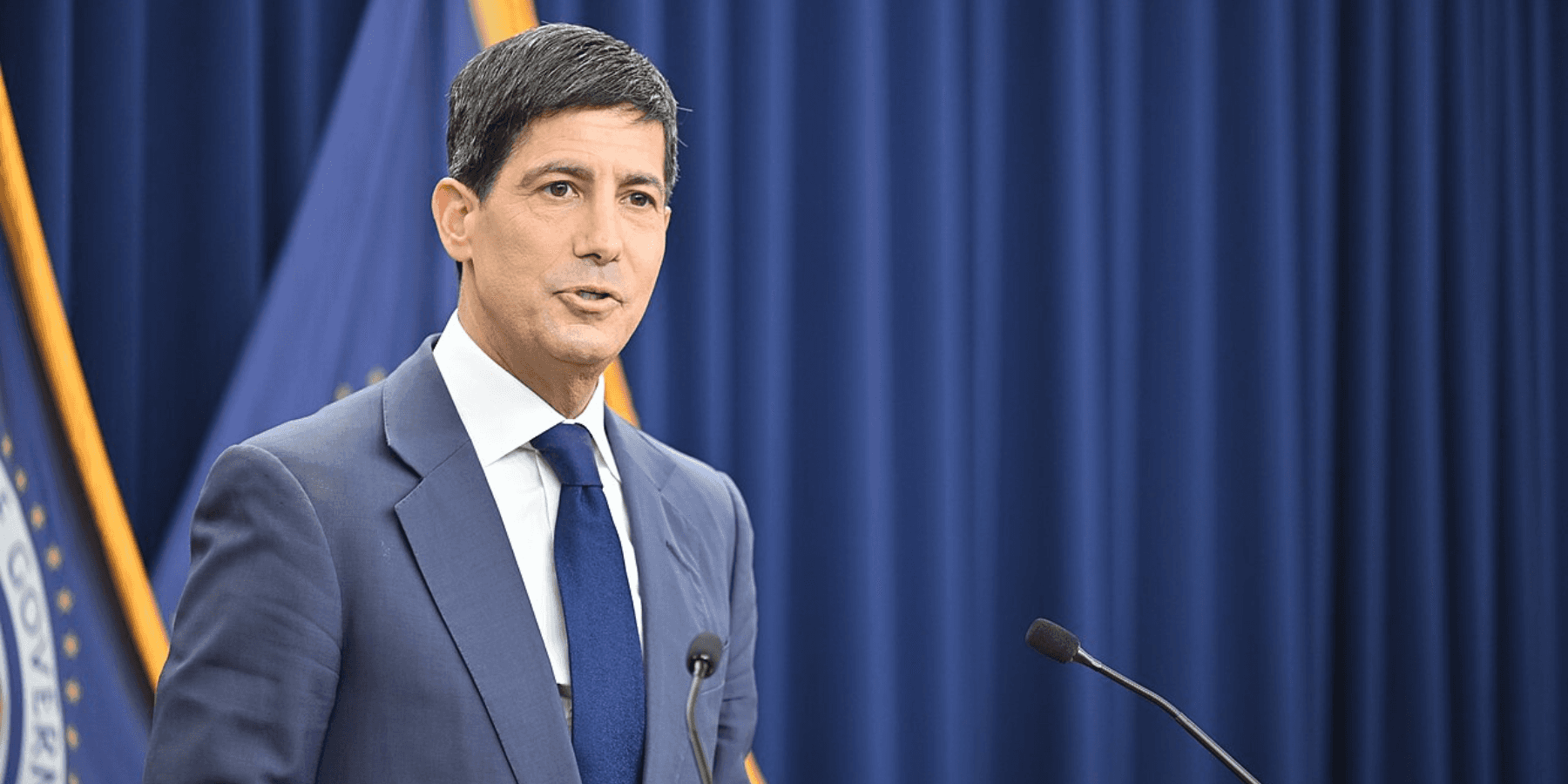
Photo Credit:Federalreserve / Wikimedia
Inflation and Energy Costs Put the Federal Reserve on the Spot
Fresh inflation figures sharpened concerns about Americans’ cost of living. The Consumer Price Index rose 0.4% in August and 3.4% from a year earlier, according to the Bureau of Labor Statistics. Gasoline prices increased 3.9% during the month and accounted for more than one-third of the overall monthly CPI increase. Core prices, excluding food and energy, rose 0.3%.
The figures immediately intensified attention on the Federal Reserve's September 15–16 meeting. Persistently elevated inflation creates pressure for tighter monetary policy, even as higher interest rates would increase borrowing costs for households and businesses.
Consumers could encounter additional pressure at grocery stores. Major food companies including Conagra Brands and Campbell’s are preparing price increases on portions of their product portfolios as producers contend with higher input, transportation and energy costs. Campbell’s plans increases of roughly 4% to 5% across about 60% of its products, according to Bloomberg.
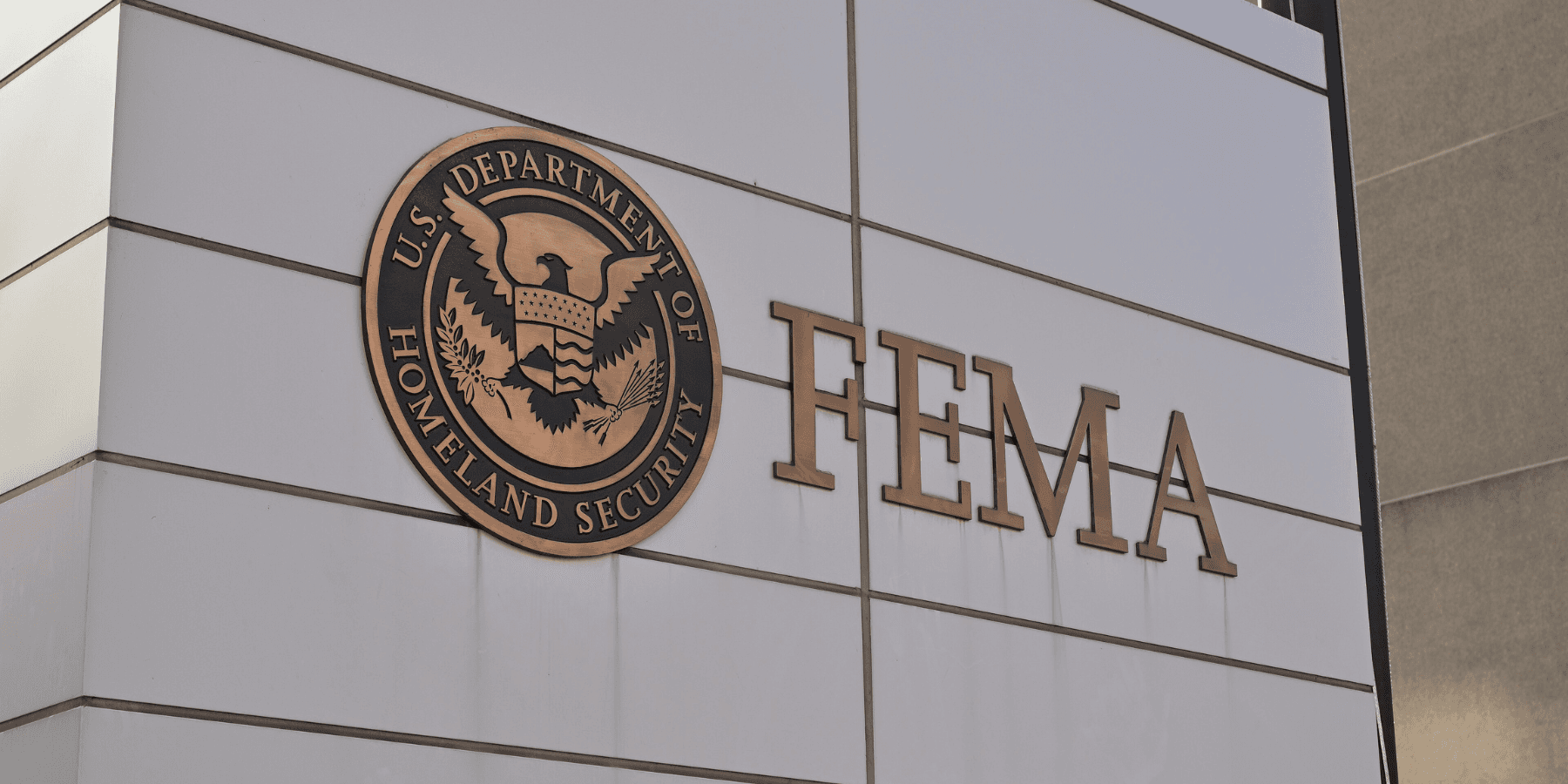
Photo Credit: G. Edward Johnson / Wikimedia (Cropped)
Federal Judge Rules FEMA Workforce-Cut Plan Violated Law
A federal judge ruled that the Trump administration acted unlawfully in pursuing a plan that would reduce the Federal Emergency Management Agency’s workforce by roughly half.
U.S. District Judge Susan Illston found that the Department of Homeland Security improperly interfered with FEMA’s authority over personnel decisions. Federal law enacted following Hurricane Katrina restricts DHS from substantially diminishing FEMA’s responsibilities or functions. The dispute involved, among other measures, efforts to stop renewal of temporary contracts for thousands of disaster-response reservists.
The ruling did not immediately establish a remedy, which Illston said would be addressed separately. The decision nevertheless represents a significant judicial check on the administration’s broader campaign to shrink parts of the federal workforce, while raising practical questions about the government's capacity to respond to hurricanes, floods, wildfires and other disasters.
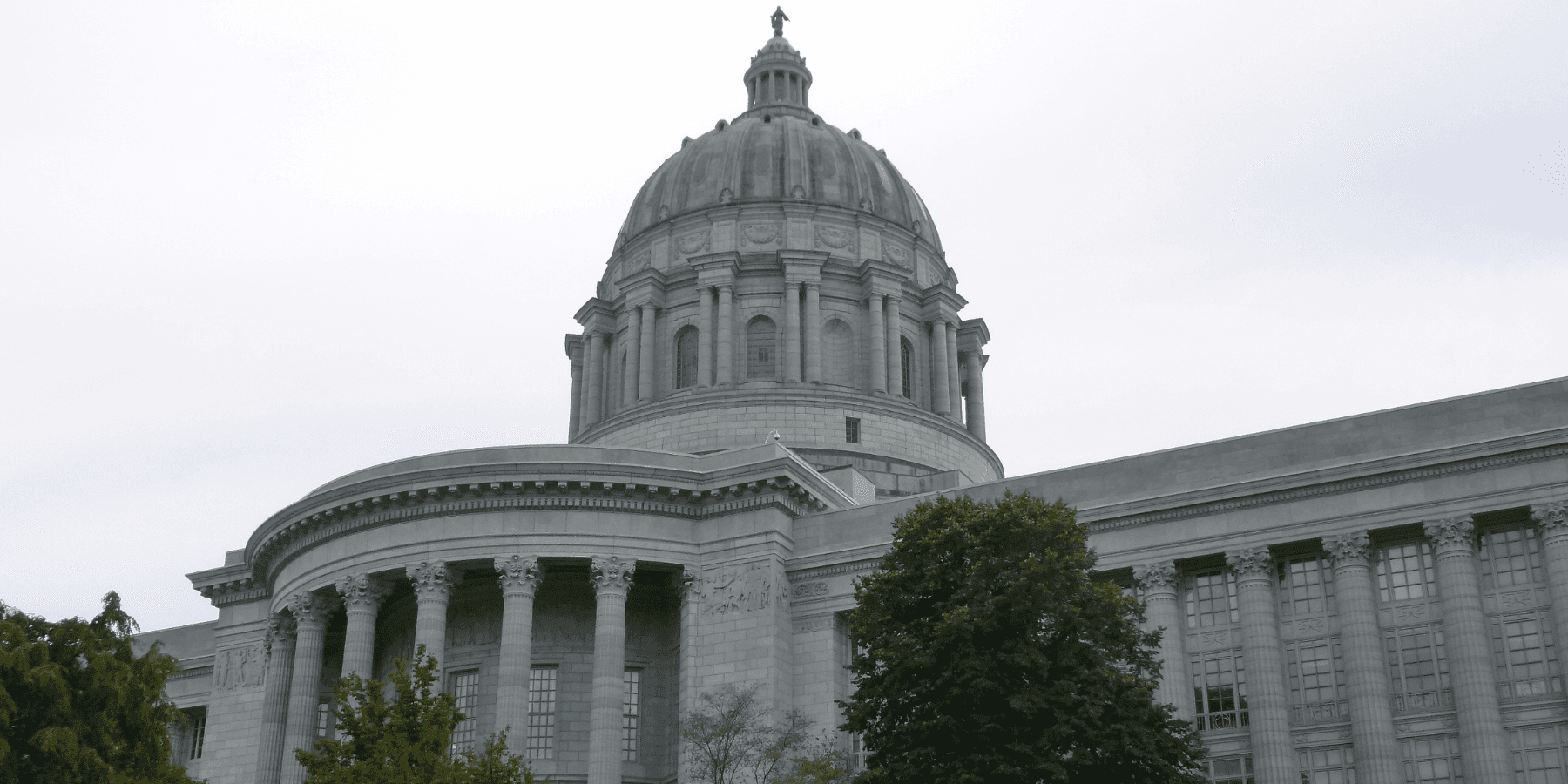
Photo Credit: Katherine Dowler / Wikimedia (Cropped)
Missouri Redistricting Fight Adds Uncertainty Before Midterms
A fast-moving legal battle over Missouri’s congressional boundaries became another flashpoint in the national fight over control of the House.
The U.S. Supreme Court rejected Republican efforts to revive a GOP-backed congressional map that could have weakened Democratic Rep. Emanuel Cleaver’s Kansas City-area district. The Missouri Supreme Court had blocked implementation of the new boundaries amid a dispute over voters’ ability to challenge the map through a referendum.
The dispute has created considerable uncertainty for candidates, voters and election officials with absentee voting approaching. Missouri is one of several places where fights over congressional boundaries have become inseparable from the national battle for House control. With margins in Congress potentially narrow, even a single district could matter in determining which party holds power in Washington next year.
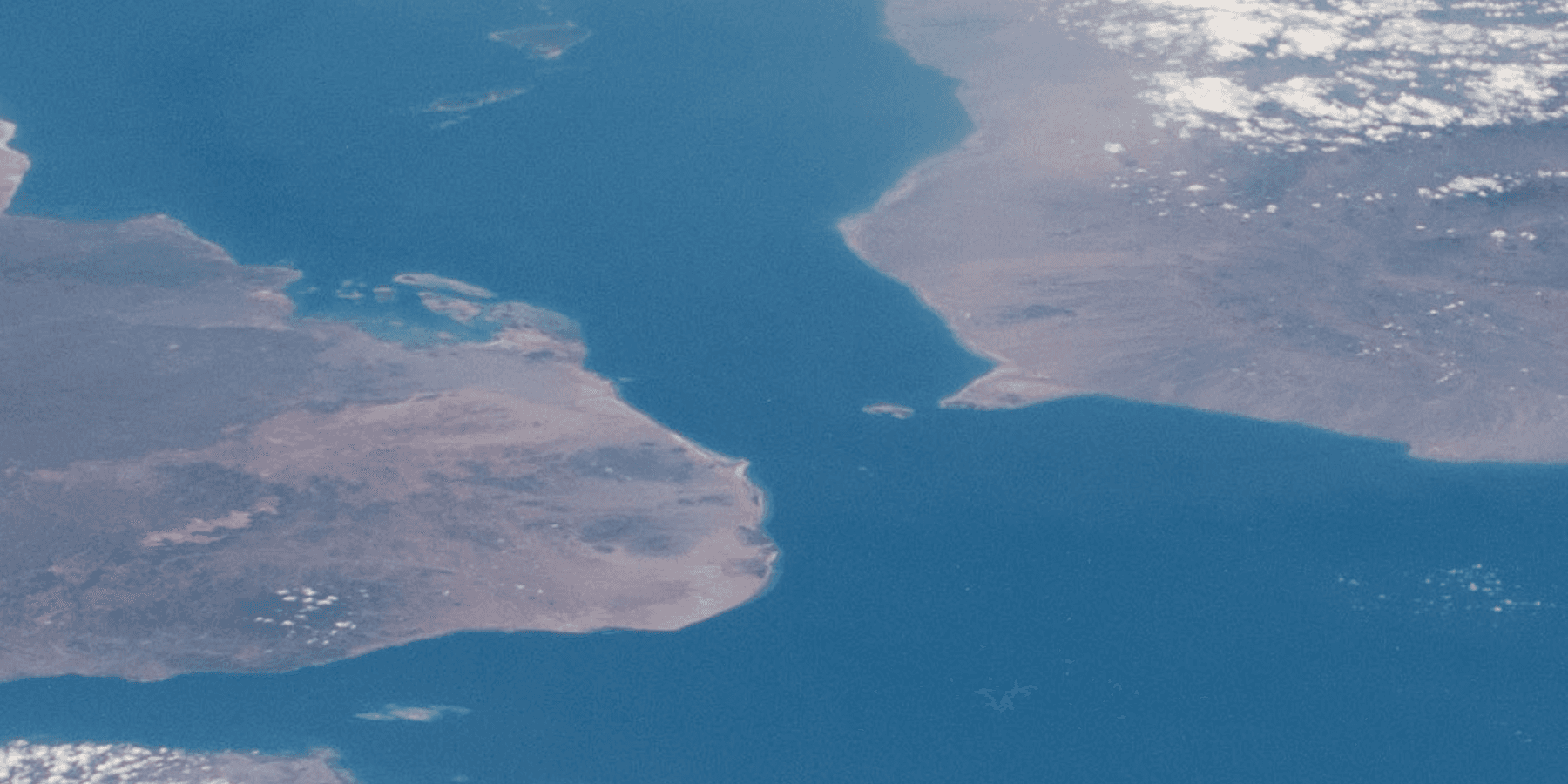
Photo Credit: Earth Science and Remote Sensing Unit, NASA Johnson Space Center / Wikimedia
Iran Conflict Deepens Economic and Foreign-Policy Risks
The expanding regional consequences of the U.S.-Iran conflict continued to loom over American politics and markets. President Trump, speaking during a visit to Ireland on September 12, said he believed Iran was probably responsible for an attack that forced Saudi Arabia to shut down its East-West oil pipeline. Iran-backed Houthi advances around the strategically vital Bab el-Mandeb Strait have added further concerns about international shipping and energy supplies.
Trump said he expected the Iran war to end relatively soon and predicted oil prices would fall once the conflict concluded. But the economic consequences are already being felt in the United States. High crude and fuel prices have contributed to inflation, while diesel costs have increased transportation expenses across the economy.
The developments come as Americans continue reflecting on a quarter-century of U.S. engagement in the Middle East. The nation marked the 25th anniversary of the September 11 attacks on Friday, with commemorations continuing through the weekend. At the Flight 93 National Memorial in Pennsylvania, a September 12 luminaria ceremony honored the 40 passengers and crew members killed aboard the aircraft.
Looking Ahead
Attention now turns toward the Federal Reserve’s September 15–16 meeting, where policymakers must decide how to respond to renewed inflationary pressure. Courts will remain central to disputes over FEMA staffing and election rules, while Republicans and Democrats intensify campaigning ahead of November’s midterms.
Above all, developments in the Middle East remain capable of reshaping the domestic picture. Further disruptions to oil supplies could push American fuel and transportation costs higher, complicating the Federal Reserve’s inflation fight and adding another volatile issue to an already consequential election season.