
Beyond Aesthetics: Sensory Interiors and the Rise of Neurodivergent-Centered Design
Sensory Interiors is redefining interior design with research-driven spaces that support neurodivergent individuals while earning notable recognition for its impact.
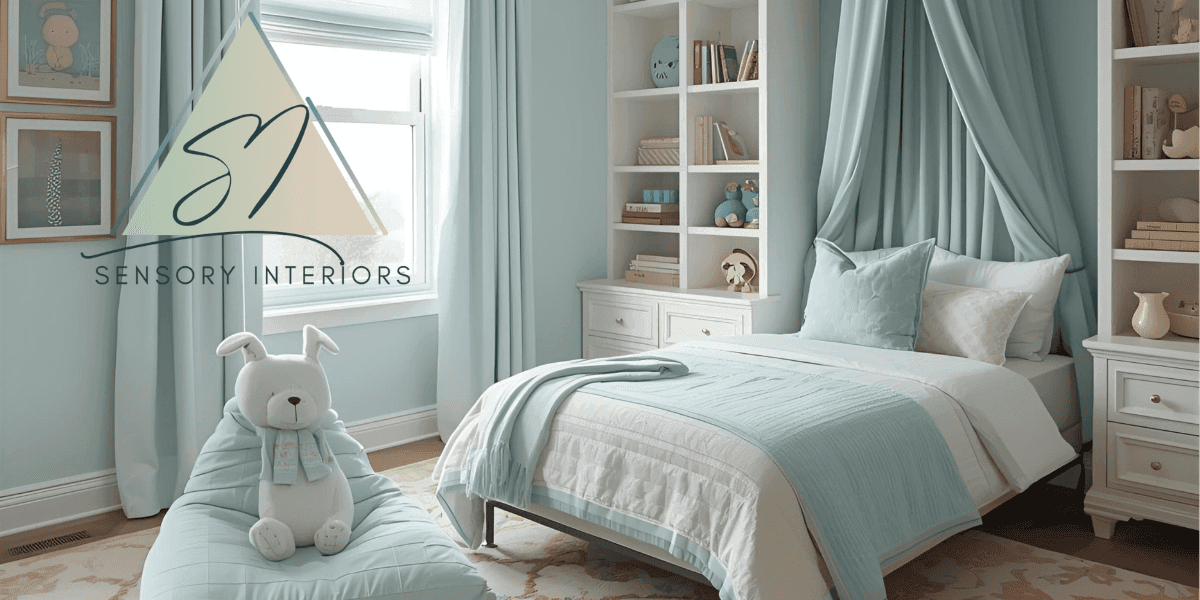
The Designer Who Designs Differently
How One Neurodivergent Professional is Transforming Spaces for the Autism Community Nationwide
After years of research and firsthand experience, Lily Riefkohl founded the nation's only interior design firm exclusively focused on neurodivergent individuals, and with over 35 ABA clinics designed, families across the country are noticing the difference.
Lily Riefkohl has always known that spaces feel different to her. Even as a child, she noticed how certain rooms made her feel scattered and anxious, while others helped her focus and breathe easier. Bright overhead lights would make her restless. Cluttered layouts overwhelmed her while other spaces made her feel at ease. Suddenly, everything clicked.
As an individual with ADHD, and like many neurodivergent individuals, her brain processes sensory information differently. That personal understanding became the foundation of her life's work.
Today, Riefkohl is the founder of Sensory Interiors, recently recognized as the Best Neurodivergent Interior Design Firm in South Florida for 2025 by Best of Best Review. Based in South Florida yet serving clients nationwide, Sensory Interiors has designed over 35 ABA therapy clinics along with numerous homes and medical offices across the country, making it the only interior design firm in the United States solely focused on creating spaces for neurodivergent individuals, with a specialized emphasis on autism.
Her journey to creating this first of its kind firm began with a simple question during her university years: Why do some environments make us feel good, while others don't?
When Personal Experience Meets Professional Expertise
With degrees in environmental design, architecture, and interior design, Riefkohl didn't just study how to make spaces beautiful. She studied how humans react to them. Both her architecture and interior design thesis focused on human response to physical environments, exploring the psychological and emotional impact of design choices.
Even while teaching architecture after earning her master's degree in architecture, Riefkohl continued diving deeper into design psychology. She began collaborating with professionals, learning about sensory processing, behavioral science, and how different neurotypes experience space. When she transitioned into interior design and started working with high end residential clients, she brought this knowledge with her, quietly implementing principles that would make homes genuinely supportive of their occupants' wellbeing.”
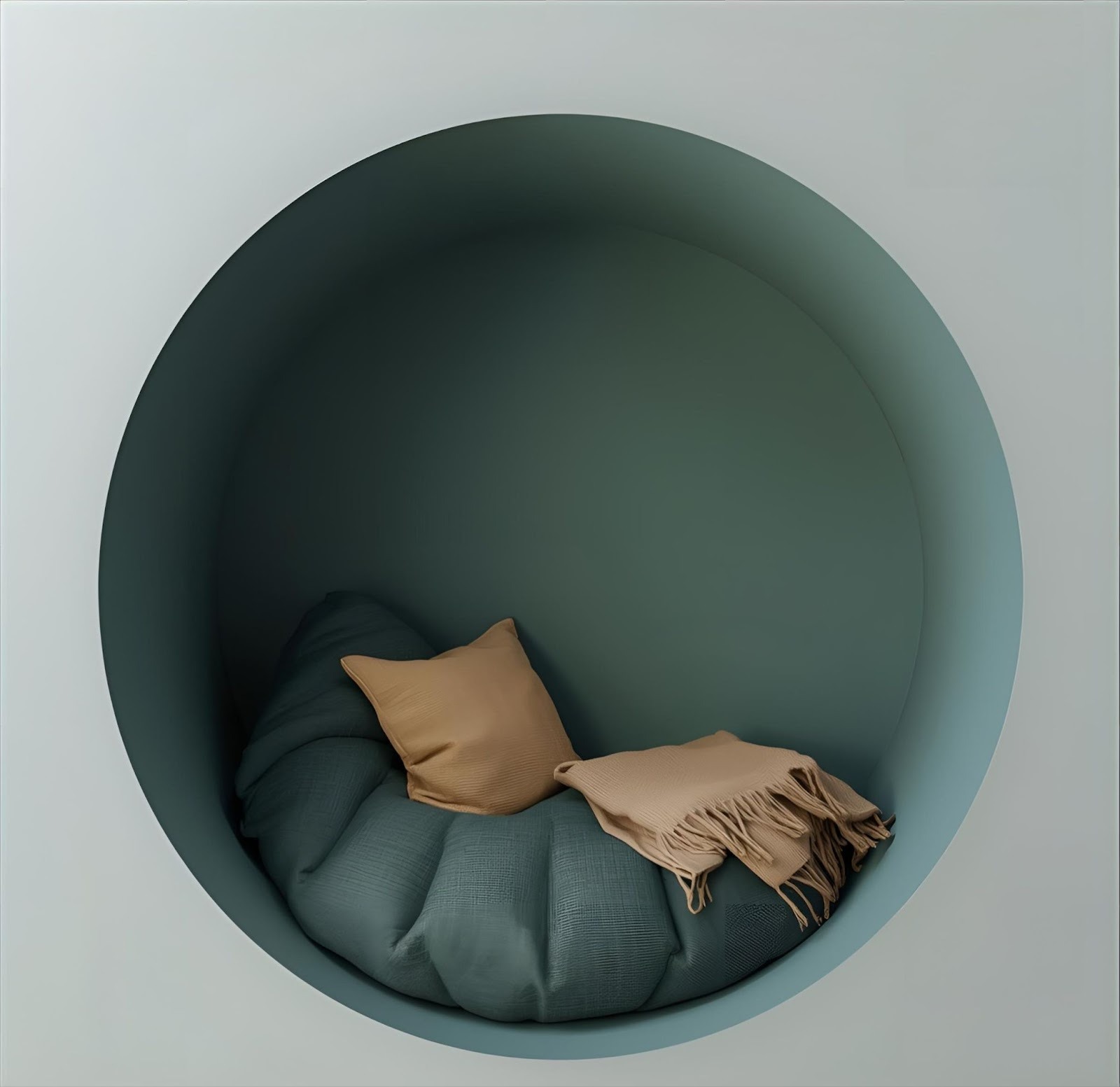
The Turning Point
The real shift came when Riefkohl joined a company that owns clinics serving children with autism. Walking into those therapy spaces, she saw it immediately: a dark, loud harsh environment that she felt chaotic rather than calming.
"These families and therapists were doing incredible work, but the environment itself was creating obstacles they had to overcome," she says.
Rather than accepting the status quo, Riefkohl immersed herself in learning. She collaborated closely with Registered Behavior Technicians (RBTs), Board Certified Behavior Analysts (BCBAs), and parents.
"When it comes to autism, there's no one size fits all solution," Riefkohl explains. "Every person has unique sensory needs. My goal became developing guidelines based on those individual needs, creating frameworks that could be adapted for each person and situation."
The more she worked designing spaces for autistic children, the more she realized something striking: no one else was doing this work exclusively. That realization led to the founding of Sensory Interiors, proving that thoughtful, research driven design can transform spaces anywhere.
Award Spotlight: Best Neurodivergent Interior Design Firm in South Florida, 2025
In December 2025, Sensory Interiors was named the Best Neurodivergent Interior Design Firm in South Florida by Best of Best Review. The recognition highlights the company’s commitment to evidence-based design and its specialized work in spaces serving individuals with sensory processing challenges. With a portfolio that includes therapeutic clinics, schools, residential projects, and community environments, the studio has distinguished itself as a leader in neurodivergent-centered design.
The award underscores Sensory Interiors’ influence in elevating awareness around the importance of sensory-friendly spaces and its ongoing role in shaping the industry’s understanding of inclusive design.
The Science Behind Sensory Design
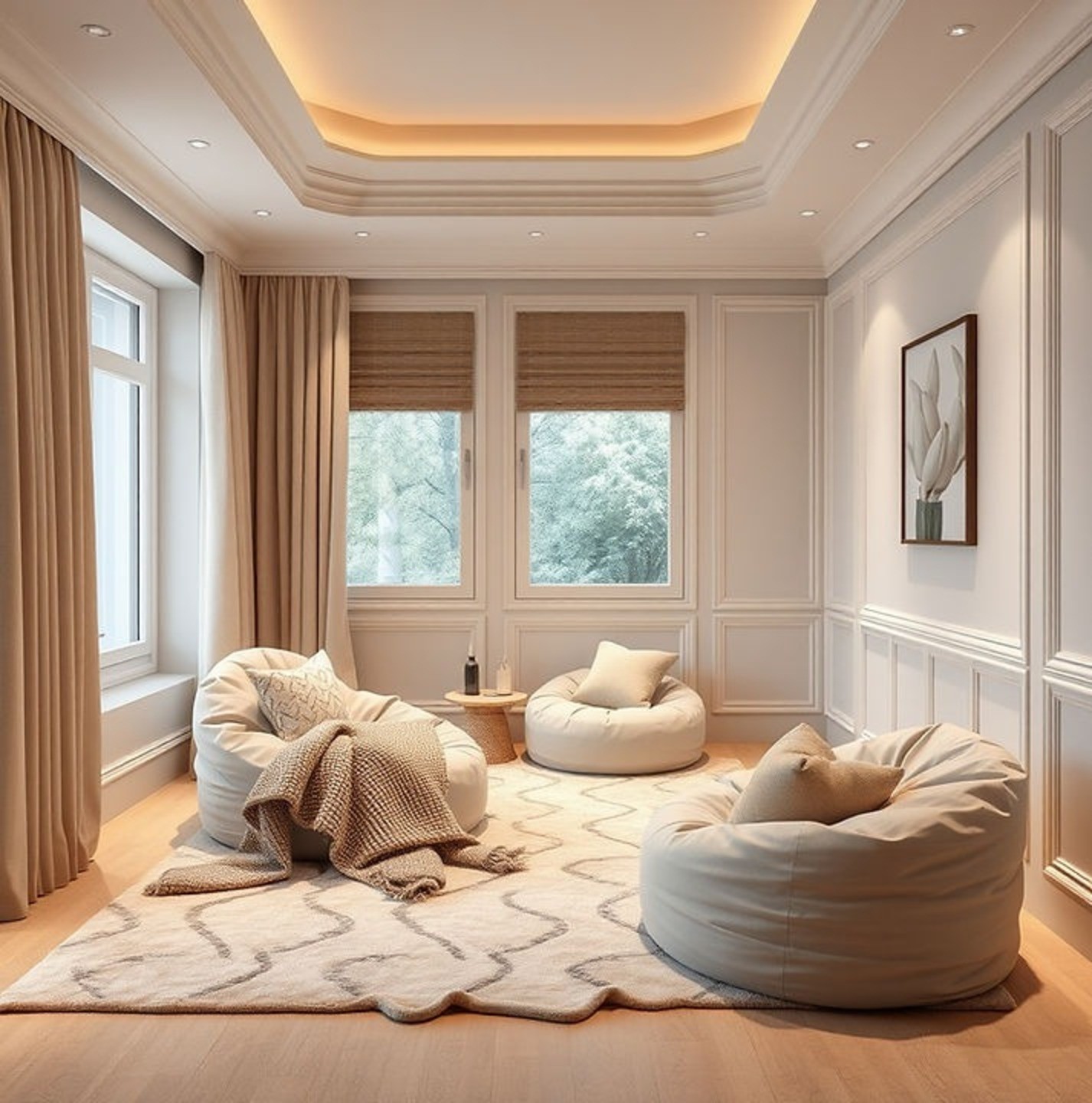
What does neurodivergent centered design actually look like? Elements like lighting, acoustics, spatial layout, color, and texture can make a huge impact for neurodivergent individuals. When designing clinics or medical spaces, Sensory Interiors addresses all possible sensory sensitivities. For homes, they take a personalized approach based on each child's specific needs.
The families and therapy centers who've worked with Sensory Interiors describe transformative changes. One family whose home Riefkohl redesigned remotely watched their child go from daily meltdowns to smoother transitions and increased engagement.
Therapy clinics have reported similar outcomes. After implementing Sensory Interiors' designs, BCBAs have observed children demonstrating better focus during sessions, fewer behavioral incidents, and improved ability to transition between activities.
"One clinic director told me he saw a noticeable difference within the first week," Riefkohl shares. " It was a ripple effect, kids were more regulated, staff were more productive and less stressed, and parents noticed the difference immediately they walked in.”
Medical offices serving neurodivergent patients have also benefited. Waiting rooms that once felt overwhelming now provide calm spaces, while examination rooms incorporate sensory friendly elements that reduce anxiety and improve the overall care experience.
A Growing Movement
With one in 31 children in the United States now diagnosed with autism spectrum disorder, plus countless individuals with ADHD and sensory processing disorder, the need for sensory informed design has never been more urgent.
"The neurodivergent community is huge and growing," Riefkohl says. "These are spaces where people learn, heal, grow, and live their lives. Why wouldn't we design them thoughtfully?”
Her vision extends beyond individual projects. Riefkohl is working to shift how the entire design industry thinks about accessibility. Just as ADA compliance is now standard, she believes sensory design should be too.
You don't need to have autism or ADHD to understand the importance of this work. Chances are, you know someone who's neurodivergent: a child, a family member, a friend, a colleague. Understanding how environments affect neurodivergent individuals and sharing that knowledge creates ripples of positive change.
Whether you're a family seeking to create a more supportive home environment, a therapy center looking to enhance your space, or a medical practice wanting to better serve neurodivergent patients, Sensory Interiors offers the expertise and understanding to make it happen.
Connect with Sensory Interiors:
Website: Sensory Interiors
Instagram: Follow for design insights and project updates
LinkedIn: Connect professionally and stay informed
Facebook: Join the community and see transformations
Reviews: Read what families and clinics are saying
Let’s create spaces that help everyone feel grounded, understood, and empowered to thrive.
Visit Sensory Interiors today and learn how you can make a meaningful difference by transforming your space into a sensory-friendly environment that fosters growth and well-being.