
Power Struggles, Market Turbulence, and Rising Global Tensions Shape a Defining Day in America
The United States faced a day of sharp tensions across politics, markets, and national institutions. Legal battles involving the Federal Reserve, a volatile stock market driven by surging oil prices, and escalating geopolitical conflict with Iran shaped the national conversation. At the same time, extreme weather warnings and developments in science and technology underscored broader challenges confronting the country.
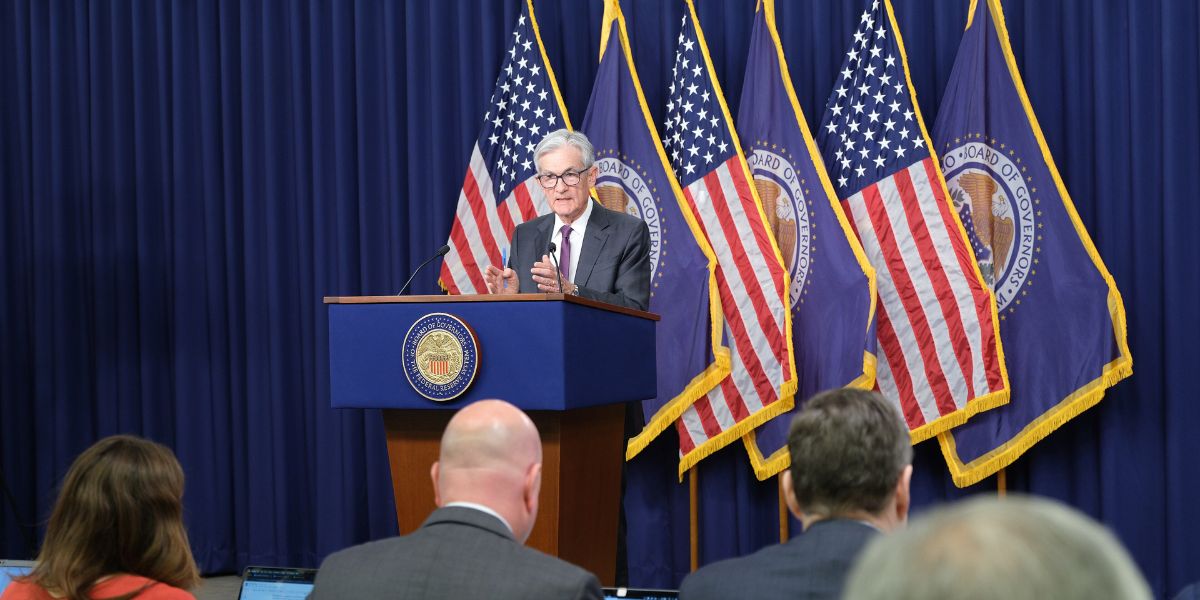
Federal Judge Blocks Justice Department Subpoenas Targeting Fed Chair Jerome Powell
A federal judge delivered a major legal setback to the Justice Department by quashing subpoenas issued against Federal Reserve Chair Jerome Powell. Chief U.S. District Judge James E. Boasberg ruled that the subpoenas lacked sufficient legal basis and appeared politically motivated, criticizing the investigation as an attempt to pressure Powell over disputed testimony regarding a $2.5 billion renovation of the Fed’s Washington headquarters.
The investigation had been led by U.S. Attorney Jeanine Pirro and had drawn attention because of its potential implications for the independence of the Federal Reserve. Powell and several lawmakers argued that the probe risked politicizing monetary policy at a moment when the central bank is managing persistent inflation and global economic uncertainty.
The ruling also complicates the administration’s plan to replace Powell when his chairmanship expires in May. Senator Thom Tillis has publicly vowed to block the confirmation of Kevin Warsh—President Trump’s nominee to lead the Fed—until the investigation is dropped, adding another layer of political tension to an already sensitive transition.

Wall Street Slides as Oil Prices Surge and Global Tensions Rise
U.S. financial markets experienced a sharp sell-off as rising oil prices and geopolitical uncertainty rattled investors. The Dow Jones Industrial Average fell roughly 750 points, while the S&P 500 dropped 1.5 percent and the Nasdaq declined 1.8 percent during Thursday trading.
Energy markets were the central driver behind the volatility. Oil prices surged amid concerns about potential disruptions to global supply routes, particularly around the Strait of Hormuz. Analysts warned that sustained price increases could feed inflationary pressures and complicate expectations for interest-rate cuts by the Federal Reserve later this year.
The market swings reflected broader anxieties about the intersection of geopolitics and economic policy. With energy prices rising and uncertainty over monetary policy intensifying, investors are increasingly cautious about the outlook for economic growth in the months ahead.
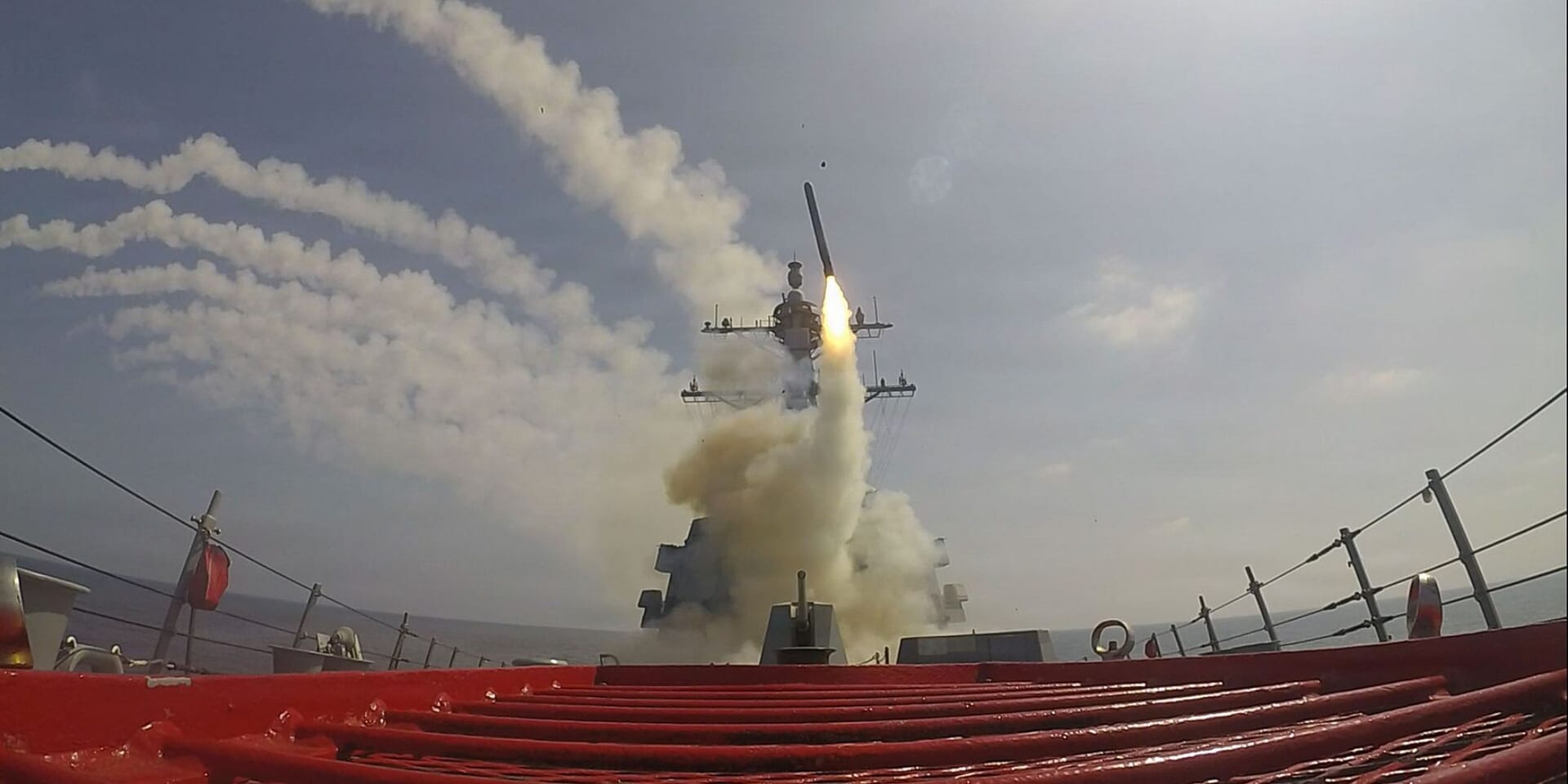
U.S.–Iran Conflict Escalates, Driving Energy and Security Concerns
The international backdrop contributing to market instability is a rapidly escalating confrontation between the United States and Iran. The conflict intensified as the U.S. conducted military strikes tied to Iran’s strategic oil infrastructure amid growing disruptions in the Persian Gulf region.
The strikes came after repeated attacks on shipping in the Strait of Hormuz, a critical artery for global energy markets. Iran’s Kharg Island—through which roughly 90 percent of the country’s oil exports pass—has become a focal point in the crisis, raising fears of further escalation and retaliation.
The widening conflict has already begun to influence domestic conditions in the United States. Gasoline prices have climbed in response to oil market volatility, and the Pentagon has expanded military deployments to the region. Policymakers across Washington are debating both the strategic and economic implications of the crisis as it threatens to reshape global energy flows.

Early-Season Western Heatwave Raises Climate and Public Health Concerns
While geopolitical tensions dominated national headlines, environmental officials warned of an unusually severe early-season heatwave across the western United States. Meteorologists forecast temperatures as much as 20 to 30 degrees above normal across states including California, Nevada, Arizona, and New Mexico.
The National Weather Service estimates that more than 26 million people could face moderate to high heat risk in the coming days, with some regions potentially setting all-time March temperature records. Experts note that early-season heatwaves can be particularly dangerous because populations are less acclimated to extreme temperatures this time of year.
Scientists also warn that the heat could accelerate snowmelt in already drought-stricken areas, raising concerns about water supplies and increasing the risk of severe wildfires later in the year. Climate researchers say the persistent high-pressure system driving the heat could last for more than a week.
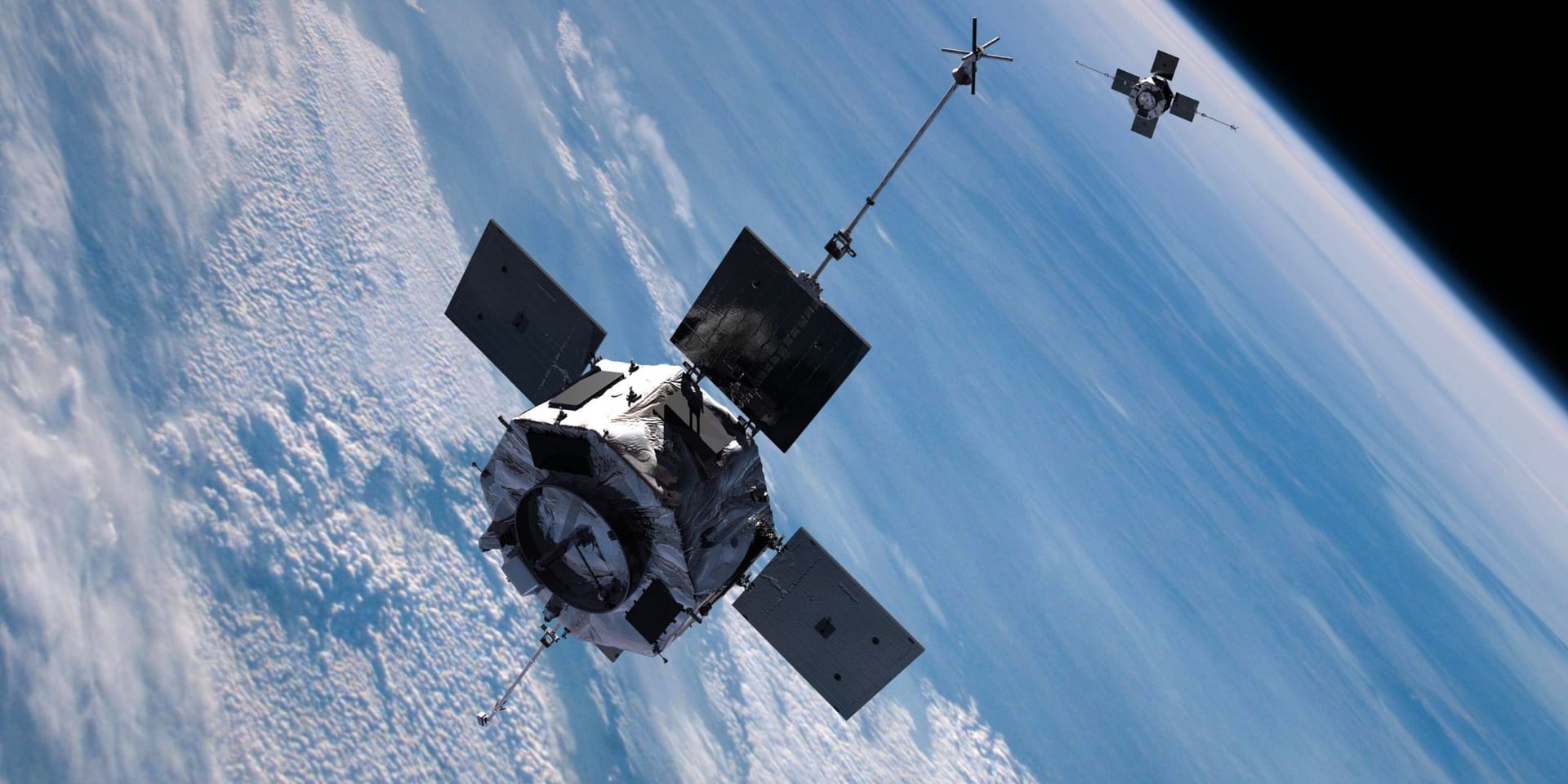
NASA Satellite Reenters Earth’s Atmosphere After 14-Year Mission
In a quieter but scientifically significant development, one of NASA’s historic Van Allen Probes reentered Earth’s atmosphere after nearly 14 years in orbit. The 1,300-pound spacecraft burned up during its descent and ultimately splashed down in the eastern Pacific Ocean.
Originally launched in 2012 alongside a twin probe, the mission studied Earth’s radiation belts—zones of energetic charged particles trapped by the planet’s magnetic field. The spacecraft helped scientists make several breakthroughs, including the discovery of a temporary third radiation belt around Earth.
Although the satellite was expected to remain in orbit until the 2030s, increased solar activity during the current solar cycle accelerated atmospheric drag and shortened the mission. NASA officials said the reentry posed minimal risk to people on the ground.
Looking Ahead
The coming days are likely to bring continued developments across several of these major stories. The Justice Department has already indicated it will appeal the ruling blocking subpoenas related to the Federal Reserve investigation, ensuring the legal battle will continue. Meanwhile, financial markets remain sensitive to energy prices and geopolitical tensions as the U.S.–Iran confrontation unfolds.
In the western United States, emergency planners and meteorologists will closely monitor the unfolding heatwave, while climate scientists assess its broader implications for drought and wildfire conditions. And as policymakers grapple with economic uncertainty and global instability, the intersection of politics, markets, and national security will remain at the center of America’s evolving news landscape.