Storms, Global Tensions, and Economic Uncertainty Shape America’s Day
A massive cross-country storm system battered multiple regions with blizzards, tornado threats, and wildfires, while policymakers and markets grappled with global instability tied to tensions in the Middle East. Meanwhile, political and cultural developments—from military operations abroad to high-profile events in entertainment and sports—added to a day reflecting both the scale of domestic challenges and America’s ongoing role on the world stage.
Massive Nationwide Storm System Disrupts Travel and Power
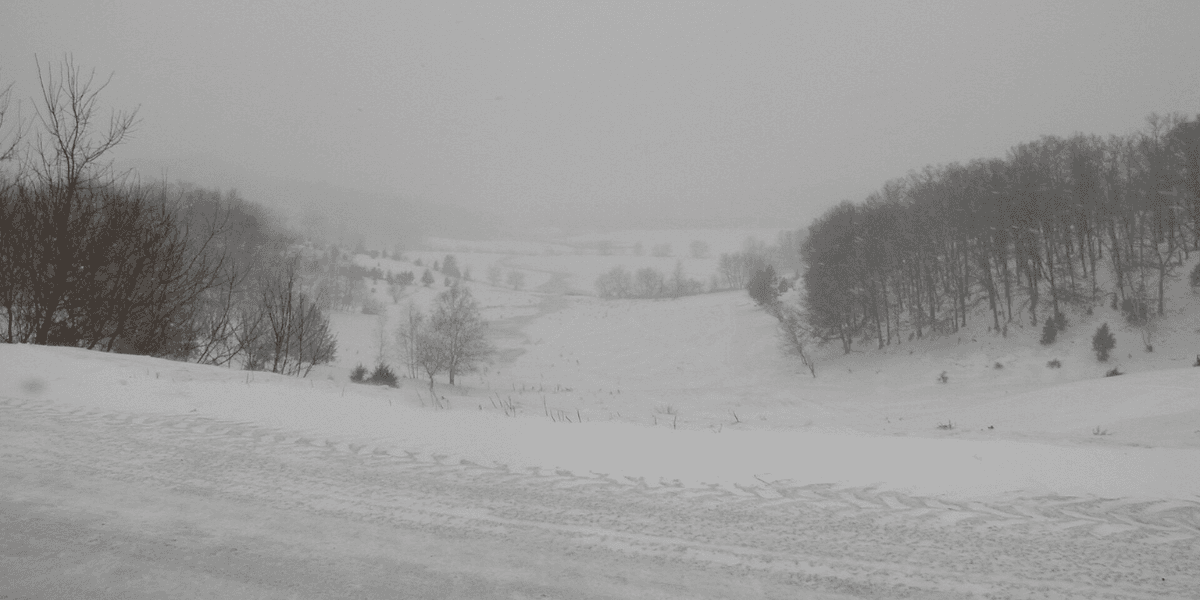
A powerful weather system sweeping across the United States caused widespread disruption from the Midwest to the East Coast. Heavy snow blanketed states such as Minnesota, Wisconsin, and Michigan, with some areas receiving more than two feet of accumulation, forcing school closures and hazardous travel conditions. Major airports—including Chicago O’Hare—reported large numbers of flight cancellations as blizzard conditions intensified across the Upper Midwest.
At the same time, the same sprawling storm system produced severe thunderstorms and tornado threats across the South and Mid-Atlantic. Millions of Americans were placed under severe weather warnings from South Carolina through Maryland, with damaging winds and the potential for tornadoes expected in several densely populated regions, including near Washington, D.C. Power outages affected hundreds of thousands of residents as utilities mobilized emergency crews.
Elsewhere, extreme winds in Nebraska fueled large wildfires that burned hundreds of square miles and prompted evacuations. The storm’s reach even extended to Hawaii, where heavy rains triggered flooding and landslides on Maui, illustrating the extraordinary geographic scope of the weather event.

Global Tensions and Oil Risks Raise Economic Concerns
Geopolitical tensions involving Iran and the strategic Strait of Hormuz have begun to ripple through global markets, raising concerns in Washington about energy prices and economic stability. Analysts warn that disruptions in the region could threaten a critical shipping corridor that handles a substantial portion of the world’s oil supply, potentially increasing costs for fuel and transportation worldwide.
Economic observers say rising oil prices could aggravate already slowing U.S. economic growth and complicate the Federal Reserve’s policy outlook. Consumer spending growth has cooled in recent months, and higher energy costs could further push inflation upward while weakening consumer sentiment—an unwelcome combination for policymakers monitoring the broader economy.
The possibility of prolonged instability in the region has raised fears of broader economic fallout if shipping disruptions intensify, placing pressure on global supply chains and potentially slowing economic activity across multiple sectors.
U.S. Military Operations Expand Anti-Cartel Campaign
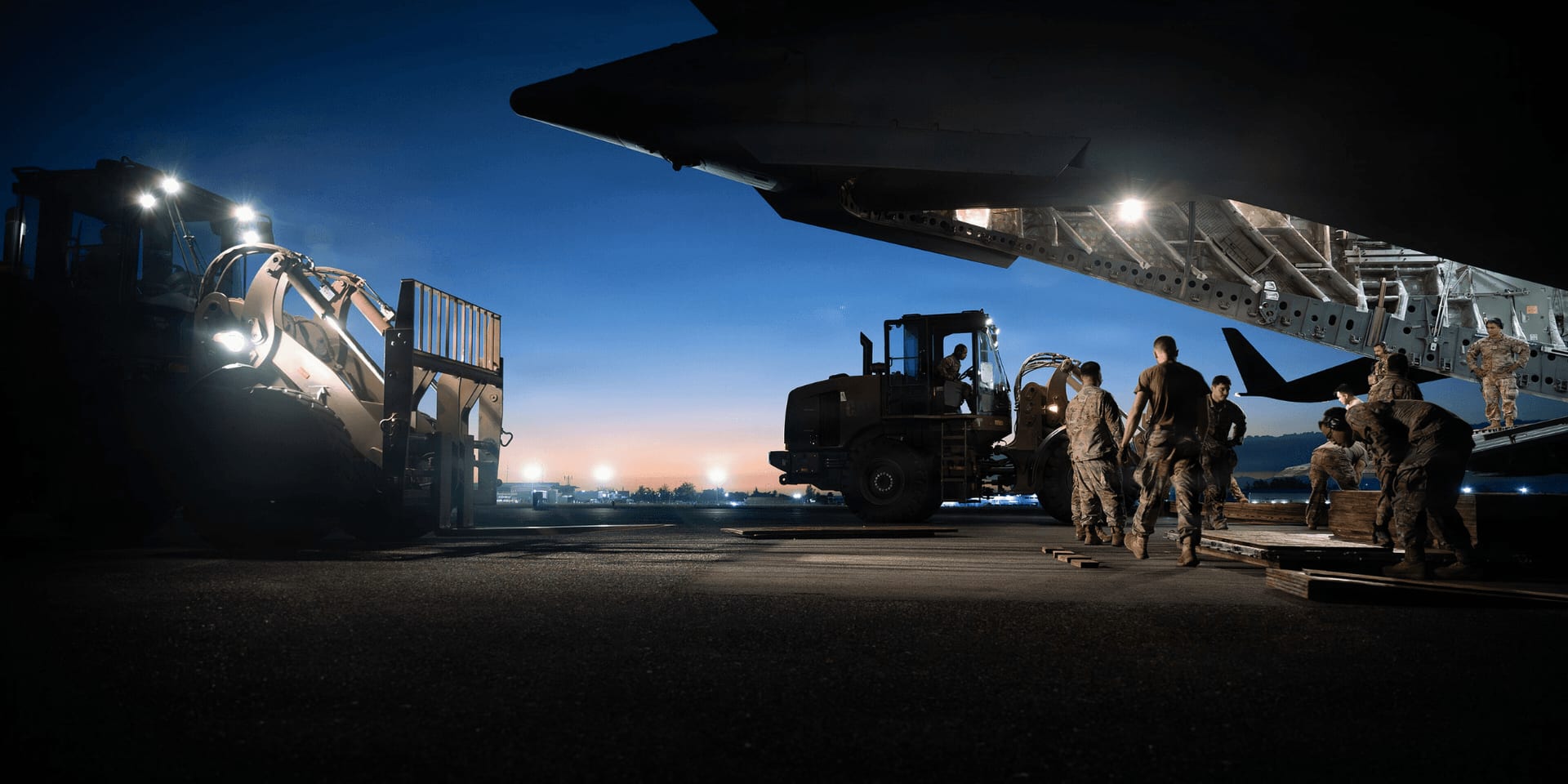
On the national security front, the United States has intensified its campaign against drug trafficking networks in the Western Hemisphere. Earlier this month, U.S. forces expanded operations into Ecuador as part of a broader initiative known as Operation Southern Spear, targeting suspected cartel and dissident group infrastructure near the Colombia–Ecuador border.
The campaign reflects a wider strategy by the Trump administration to treat major drug trafficking organizations as national security threats. U.S. officials argue that disrupting these networks is essential to curbing the flow of fentanyl and other illicit drugs into American communities.
The expanded operations highlight a growing willingness by Washington to use military assets in regional security operations, a shift that could reshape U.S. counter-narcotics policy and diplomatic relations across Latin America.
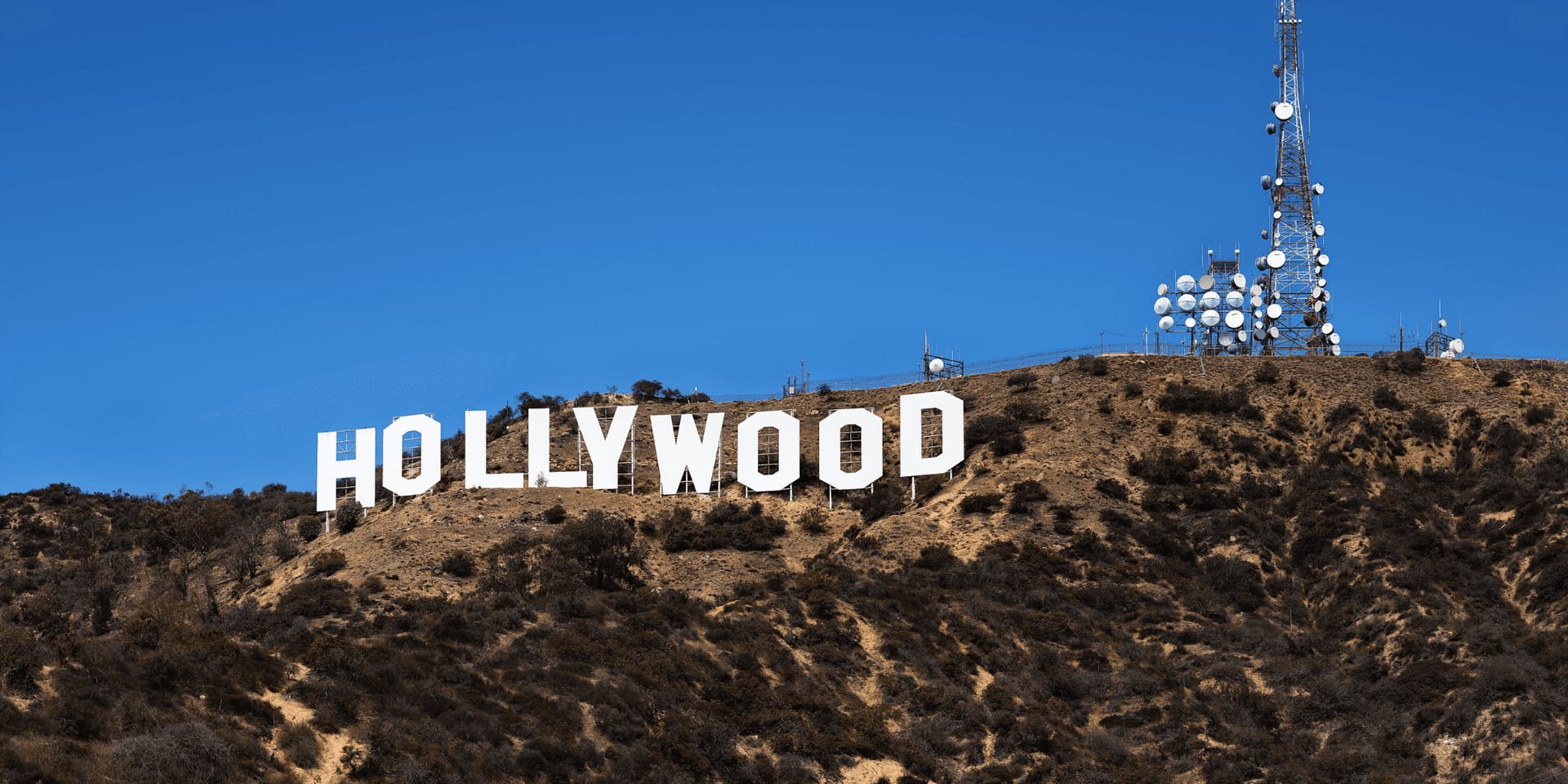
Cultural Spotlight: Oscars and SXSW Bring Hollywood and Politics Together
Beyond politics and policy, the entertainment world drew attention over the weekend with the 98th Academy Awards in Hollywood and ongoing events at the South by Southwest (SXSW) festival in Austin. Celebrities and filmmakers gathered for premieres, performances, and red-carpet appearances, underscoring the continued cultural influence of the entertainment industry.
This year’s awards season also carried political undertones, as some artists used the global stage to comment on international conflicts and U.S. foreign policy. Such moments reflected the increasingly visible intersection between entertainment and political discourse in the United States.
Meanwhile, SXSW continued to showcase new films, music performances, and technology projects, reinforcing its reputation as one of the country’s most influential cultural and creative gatherings.
World Baseball Classic and U.S. Sports Spotlight
In sports, anticipation is building for the final stages of the 2026 World Baseball Classic, an international tournament running through March 17 with key games taking place in Miami and Houston. The United States is competing in the tournament’s closing rounds, drawing strong fan attention nationwide.
The event highlights baseball’s global reach while also providing a major sports moment for American audiences early in the year. Domestic leagues also continued their regular seasons, with NBA, NHL, and college basketball games filling the national sports calendar and leading into the start of the NCAA men’s basketball tournament.
Looking Ahead
In the coming days, attention will remain focused on the aftermath of the nationwide storm system as communities assess damage and restore power. Policymakers will also continue monitoring energy markets and geopolitical developments tied to tensions in the Middle East. On the domestic front, the progression of U.S. military operations against drug trafficking networks and the outcome of the World Baseball Classic are likely to remain prominent topics. Together, these developments illustrate a moment when environmental events, global tensions, and cultural milestones are all shaping the American news landscape.