Change Healthcare Cyberattack Disrupts U.S. Medical Payment Systems
A cyberattack on Change Healthcare has severely disrupted electronic payments and medical claims processing across the United States, affecting major healthcare providers and pharmacies, and prompting a federal investigation into patient privacy concerns.

On February 21, 2024, Change Healthcare, a key player in the U.S. healthcare payment and processing sector, experienced a significant cyberattack that has had far-reaching consequences across the medical industry. The breach has disrupted electronic payments and medical claims processing, impacting healthcare providers, pharmacies, and patients nationwide.
Scope of the Attack
The cyberattack has rendered Change Healthcare's systems inoperative, leading to a halt in electronic payment processing and medical claims management. Major healthcare entities, including UnitedHealth Group, CVS Health, Walgreens, and BlueCross BlueShield of Montana, have reported substantial operational challenges as a result. Patients have faced difficulties obtaining medications, often having to cover costs upfront due to the inability to process insurance claims.
Financial Impact on Healthcare Providers
Healthcare providers have reported significant financial losses, with estimates reaching up to $100 million per day. The interruption in payment processing threatens the financial stability of numerous medical practices and hospitals, raising concerns about potential insolvencies if the situation persists.
Federal Investigation and Response
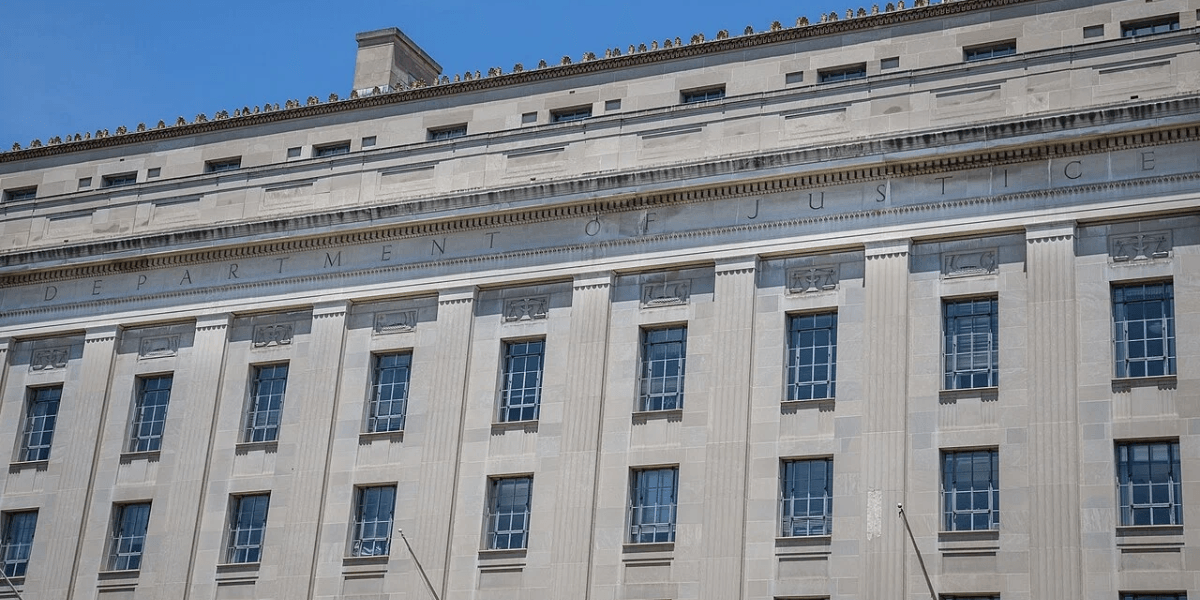
The Department of Health and Human Services (HHS) has initiated a civil rights investigation to assess potential violations of patient privacy resulting from the cyberattack. The breach has heightened awareness of cybersecurity vulnerabilities within the healthcare sector, prompting calls for enhanced protective measures to safeguard sensitive medical information.
Ransom Payment Speculations
Reports have surfaced indicating that a bitcoin payment equivalent to nearly $22 million was made to a cryptocurrency wallet associated with the cybercriminal group ALPHV/BlackCat. While UnitedHealth Group has not confirmed the payment, the transaction has raised questions about the measures taken to resolve the crisis and the potential implications for future cybersecurity incidents.
Recovery Efforts
As of March 18, 2024, UnitedHealth Group has advanced over $2 billion to assist healthcare providers affected by the cyberattack. Some services have been restored, including Change Healthcare's payment processing platform and pharmacy network. However, the healthcare industry continues to grapple with the aftermath, emphasizing the need for robust cybersecurity strategies to prevent similar incidents in the future.