
Collagen vs. Protein: What Wellness Shoppers Should Understand Before Buying Either in 2026
Collagen and protein serve different roles. Understanding their purpose helps shoppers choose smarter, simpler wellness routines in 2026.

Collagen and protein are two of the most popular words in wellness right now, and they are also two of the most commonly confused.
Scroll through beauty content, walk into a supplement aisle, or look at the powders sitting on someone’s kitchen counter and the categories can start to blur. Collagen is marketed for skin, hair, nails, joints, and beauty from within. Protein powder is marketed for strength, fitness, recovery, convenience, and daily nutrition. Some shoppers use collagen powder the same way they would use whey protein. Some brands make both sound like the same kind of daily essential.
Collagen is a type of protein. It is one of the body’s major structural proteins, helping support tissues such as skin, bones, tendons, ligaments, and connective tissue. Cleveland Clinic explains that collagen is made from amino acids, especially proline, glycine, and hydroxyproline, and that the body also needs nutrients like vitamin C, zinc, copper, and manganese to form collagen’s structure.
But collagen is not the same thing as a complete dietary protein. A complete protein contains all nine essential amino acids the body must get from food. Foods like eggs, dairy, fish, meat, soy, quinoa, and buckwheat are commonly discussed as complete protein sources. Whey protein, including products from brands like Isopure, Optimum Nutrition, Momentous, and Kaged, is generally used because it provides a complete amino acid profile in a convenient powder.
Collagen, on the other hand, is usually chosen for a different reason. It contains amino acids associated with the body’s collagen-rich tissues, which is why collagen brands often focus on skin, hair, nails, joints, and connective tissue support rather than daily protein replacement. That distinction matters.
If someone is using collagen as their only protein powder because they believe it works the same way as whey isolate, they may be misunderstanding the category. Collagen contributes amino acids, but it is not typically considered a complete protein source in the same way whey, eggs, dairy, fish, soy, or a well-formulated complete plant protein would be. If the goal is to help meet daily protein intake, complete protein is usually the category to evaluate first.
That is where a brand like Isopure fits clearly into the conversation. Isopure’s unflavored whey protein isolate contains 25 grams of 100% whey protein isolate per scoop and is positioned as a low-carb, no-sugar protein option for mixing into drinks, smoothies, sauces, or recipes. It is not pretending to be a beauty collagen ritual. It is a protein powder for people who want a straightforward way to increase protein intake.
Collagen products serve a different purpose. Vital Proteins is one of the best-known names in the collagen category, with collagen peptide products that include options featuring hyaluronic acid and vitamin C. Other collagen shoppers may compare brands like Sports Research, Ancient Nutrition, Momentous, and Youthful Spoonful by Awesome Human, depending on what they value most: source, simplicity, flavor, mixability, added ingredients, price, or brand philosophy.
Youthful Spoonful by Awesome Human is a simple collagen option for everyday use. This unflavored, grass fed hydrolyzed collagen powder mixes easily into drinks or recipes, making it a practical and flexible addition to a consistent beauty or wellness routine without unnecessary complexity.
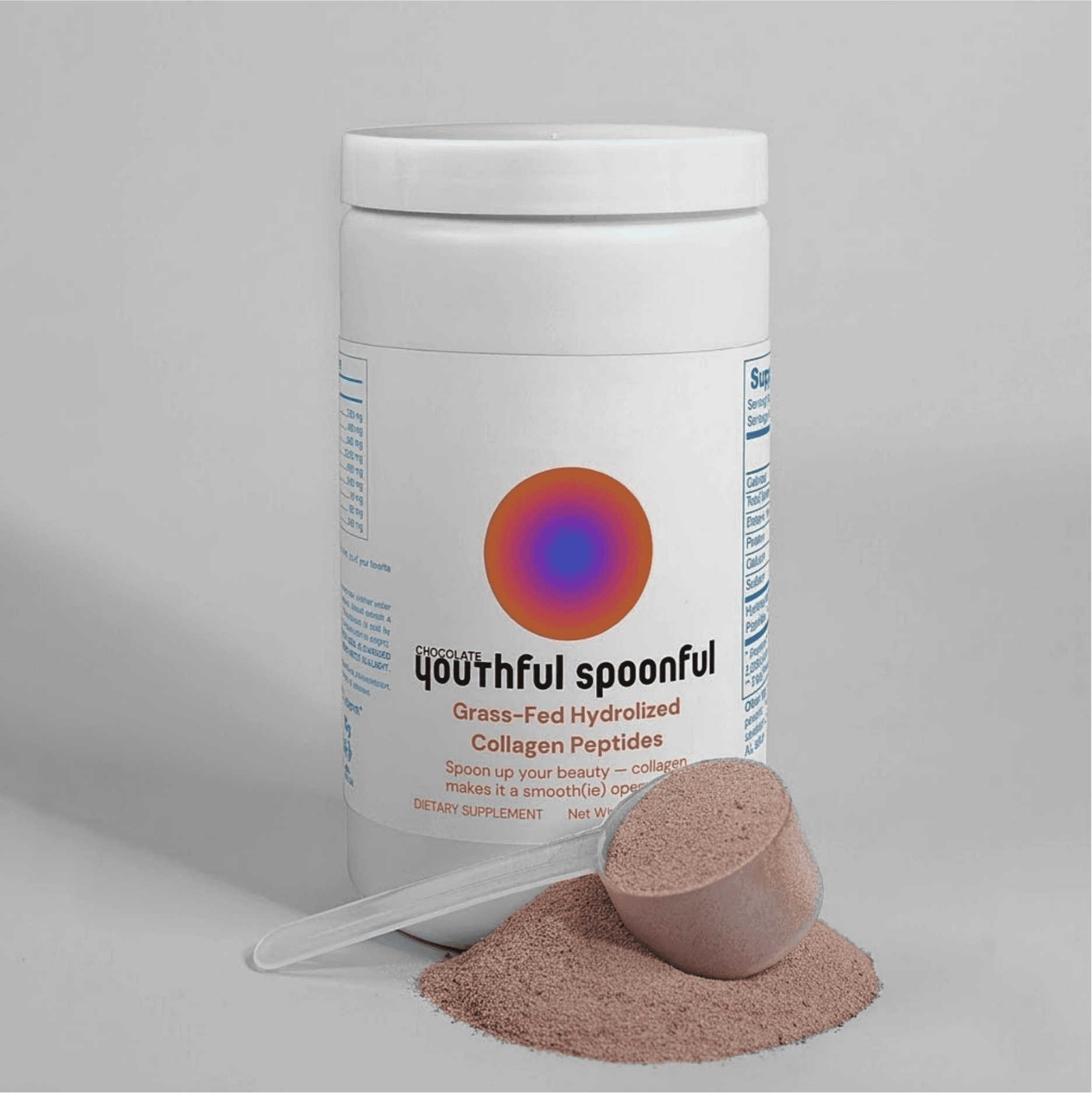
That consistency is important because the best wellness products are often the ones people can actually use. A collagen powder that mixes easily into a morning coffee or smoothie has a better chance of becoming part of someone’s life than a complicated routine that feels like homework. In that sense, Youthful Spoonful’s simplicity is part of its appeal.
The science around collagen is interesting, but it deserves careful language. Harvard Health noted in 2025 that some scientific evidence suggests collagen supplements may help with skin elasticity, hair and nails, joint pain, bone density, and muscle mass when used with strength training, but also emphasized that the research is still early and larger studies are needed.
That is probably the most honest way to talk about collagen in 2026: promising, popular, and worth understanding, but not magical.
Collagen is also not a delivery app for beauty. When collagen is consumed, the body breaks it down during digestion into amino acids and peptides. Those building blocks are then used according to the body’s needs. That means taking collagen does not automatically send it straight to the face, hairline, nails, or knees. This does not make collagen useless. It simply means the claims should stay grounded.
The same honesty should apply to protein powder. Protein powder is not a miracle product either. It does not automatically build muscle without enough calories, training, sleep, and consistency. It does not replace the value of balanced meals. It is not necessary for everyone. But for many people, it can be a useful and convenient way to support daily protein intake when meals are rushed, appetite is limited, or nutrition needs are higher.
This is why the collagen versus protein conversation should not be framed as a fight. It is not collagen against whey. It is not beauty versus fitness. It is about choosing the right tool for the right purpose.
If someone wants a powder that contributes to daily complete protein intake, whey protein isolate, dairy protein, egg protein, soy protein, or a complete plant-based protein blend is usually the more relevant category. Isopure is one example of that world because it provides a clear serving of whey isolate protein with a simple nutritional purpose.
If someone wants a beauty-from-within or connective-tissue-focused supplement, collagen peptides may be the category to explore. That is where products like Vital Proteins, Sports Research, Ancient Nutrition, Momentous, Awesome Human sit more naturally.
The buying checklist should be simple
For collagen, look at the source. Is it bovine, marine, chicken, or another source? Is it hydrolyzed collagen peptide powder? Is it flavored or unflavored? Does it include added ingredients like vitamin C or hyaluronic acid? Does the brand explain the product without promising to erase wrinkles, reverse aging, or fix joints overnight? Is it something you can imagine using consistently?
For protein powder, look at the protein source. Is it whey isolate, whey concentrate, casein, pea, rice, soy, or a blend? How many grams of protein are in each serving? Does it contain all nine essential amino acids? How much sugar, carbohydrate, fat, and filler does it contain? Does it fit your digestion, dietary needs, fitness habits, and budget? These questions are not glamorous, but they are much more useful than a viral before-and-after video.
It is also worth remembering that both categories need lifestyle context. Collagen production changes with age, and factors like sun exposure, smoking, nutrition, hydration, sleep, and overall wellness habits can influence how skin and connective tissues age. A collagen supplement cannot outwork an entire lifestyle. It can only be one piece of a bigger pattern.
Protein works the same way. A protein powder cannot compensate for consistently poor meals, lack of movement, inadequate sleep, or unrealistic expectations. It can help fill a gap, but it is not the whole plan.
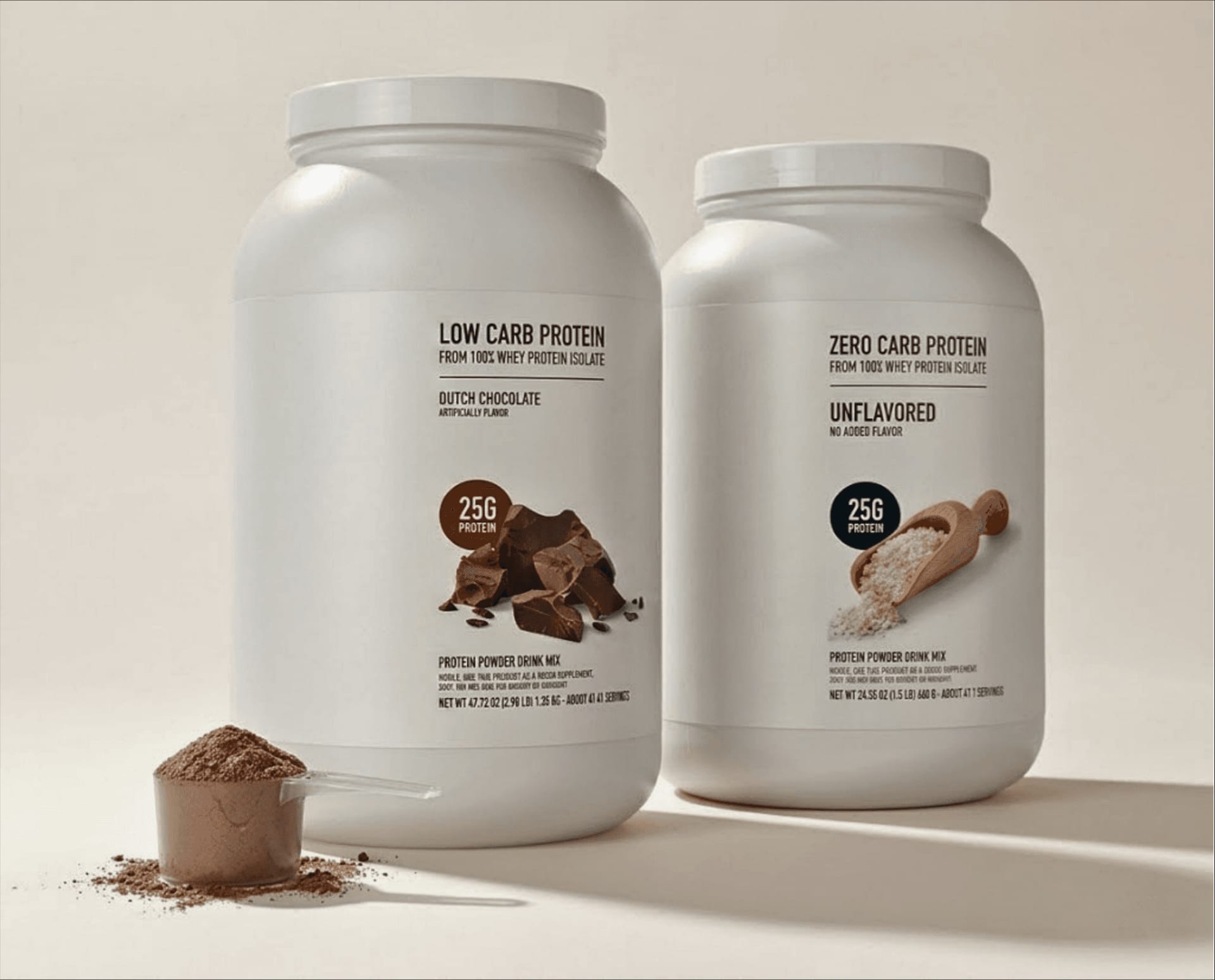
That is where the best wellness brands have an opportunity in 2026. Instead of turning every product into a miracle, they can become better educators. They can explain that collagen is a structural protein with beauty and connective tissue relevance. They can explain that whey protein isolate is a complete protein often used for nutrition and fitness goals. They can show where products like Vital Proteins, Isopure, and Youthful Spoonful belong in different routines without pretending one is perfect for every person. The more mature future of wellness is not about louder claims. It is about better understanding.
For consumers, the simplest summary is this: collagen is protein, but it is not the same as a complete protein powder. Use collagen if you are interested in a beauty, skin, nail, hair, joint, or connective-tissue-focused supplement routine. Use whey, food-based protein, or a complete plant protein if your main goal is to help meet daily protein needs.
A person could use both, but they should understand why. Collagen in coffee for a beauty ritual is one thing. Isopure in a post-workout shake for complete protein is another. Youthful Spoonful in a morning smoothie is one category. A whey isolate after training is another.
Wellness does not need to be confusing to be effective. In fact, the best routines are usually the ones people understand well enough to repeat.
In 2026, smart shoppers are not just asking what is trending. They are asking what a product is, what it is not, and whether it fits their actual life. That is the kind of thinking that turns a supplement shelf from a pile of promises into a set of useful tools.