
Fault Lines in Washington: Trade Battles, Court Warnings, and Economic Pressure Shape the Day
America entered the final week of May facing intensifying pressure across multiple fronts, as legal battles over presidential authority, persistent inflation concerns, trade disputes, and growing scrutiny of federal institutions shaped the national conversation. Developments in Washington today highlighted a country navigating both immediate policy challenges and broader constitutional questions, with the Federal Reserve undergoing new leadership, the Supreme Court confronting criticism over its legitimacy, and ongoing tariff conflicts continuing to ripple through the economy and political landscape.
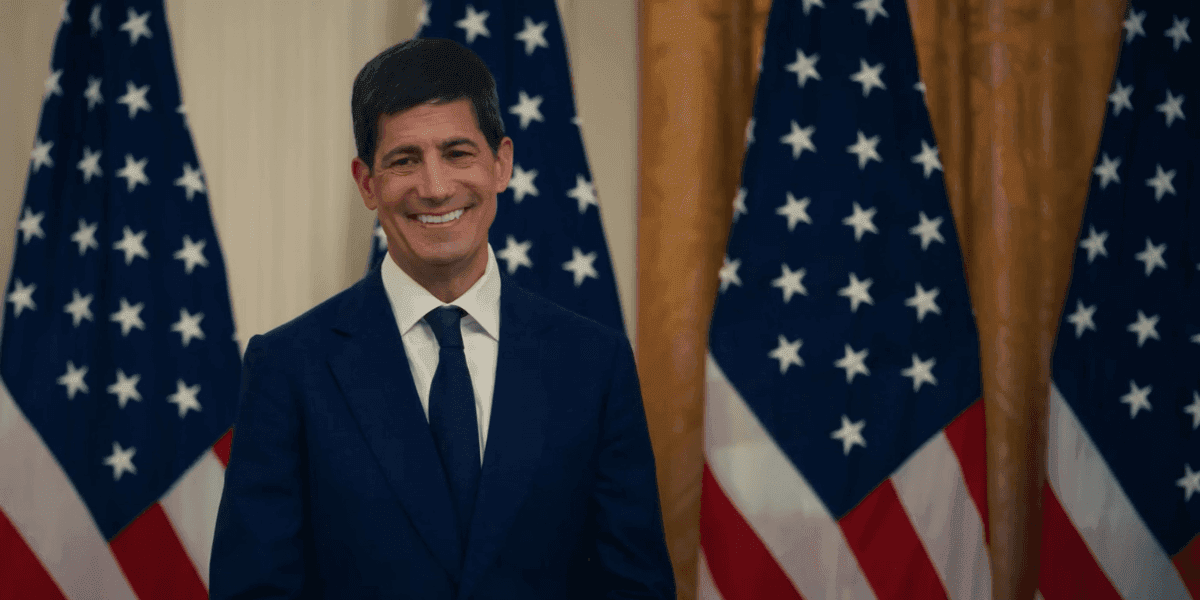
Federal Reserve Leadership Shift Raises Stakes for Inflation Fight
The swearing-in of Kevin Warsh as the new chair of the Federal Reserve continued to dominate economic discussion in Washington. Warsh officially assumed leadership of the central bank amid persistent inflation concerns tied to rising energy costs and global instability. The White House ceremony highlighted the unusually public nature of the transition and intensified scrutiny over the Federal Reserve’s independence.
Warsh, a former Federal Reserve governor and longtime critic of the Fed’s pandemic-era policies, pledged to pursue a “reform-oriented” agenda focused on price stability and economic growth. His appointment comes at a moment when inflation remains well above the Fed’s traditional target, while markets continue to react nervously to geopolitical tensions and higher borrowing costs.
Economists and lawmakers alike are closely watching whether the new chair will maintain institutional independence while navigating pressure from President Trump, who has repeatedly criticized past Federal Reserve leadership over interest rate policy.
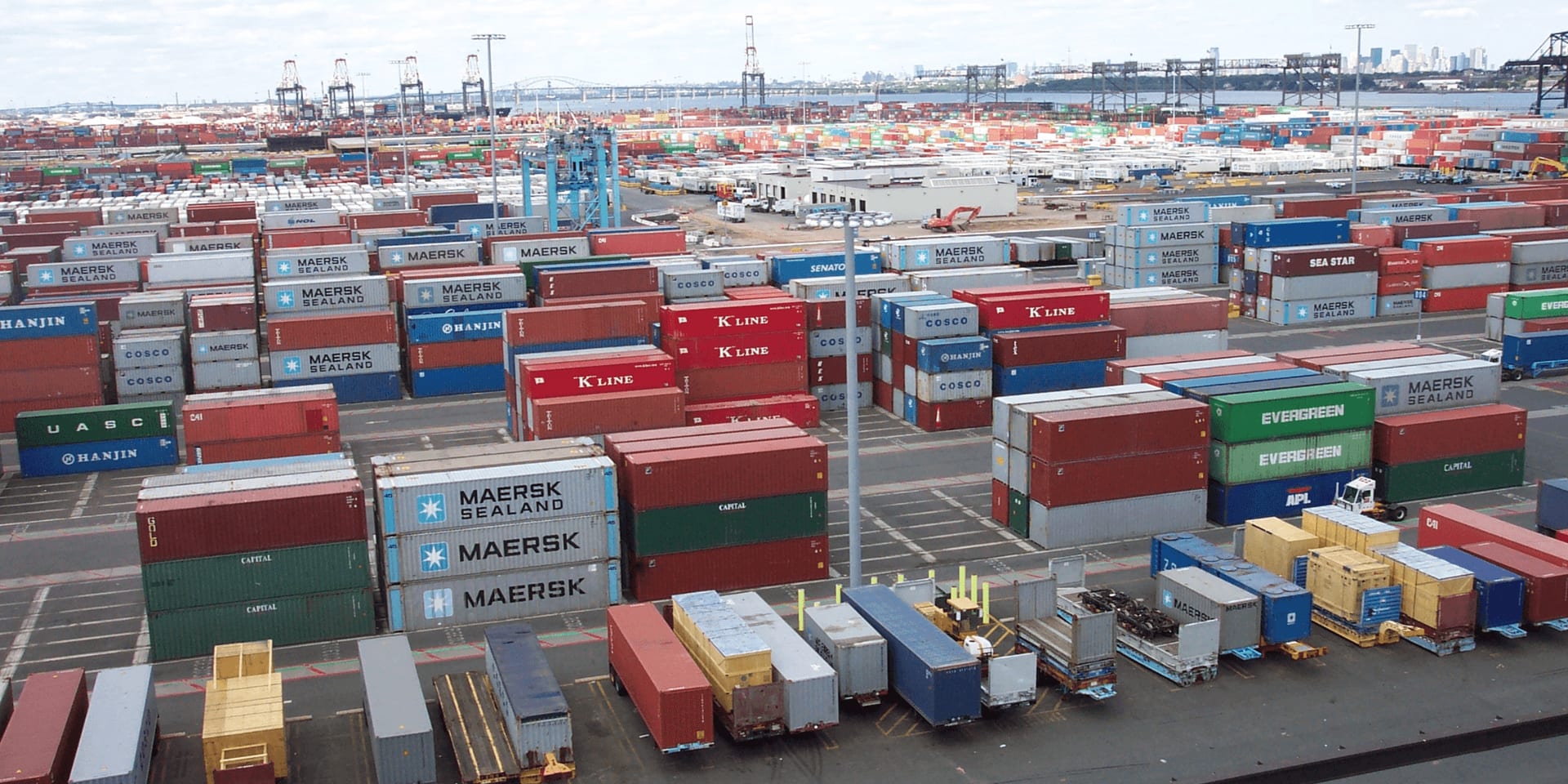
Photo Credit: Captain Albert E. Theberge, NOAA Corps (ret.)/Wikimedia
Trade Disputes and Tariff Fallout Continue to Reverberate
Trade policy remained one of the nation’s most consequential unresolved issues today as the legal and economic fallout from the Supreme Court’s tariff ruling continued to unfold. Earlier this year, the Court ruled that the president lacked authority under emergency powers law to impose sweeping tariffs without congressional approval, striking down a key pillar of the administration’s trade strategy.
The consequences of that ruling are still expanding. Businesses, states, and importers have filed a growing number of lawsuits seeking refunds for tariffs previously collected under the now-invalidated framework. Analysts estimate the financial implications for the federal government could exceed hundreds of billions of dollars.
Meanwhile, the administration has continued pursuing alternative trade arrangements abroad. European Union officials recently moved forward with a revised trade framework with the United States, while India reaffirmed large-scale purchasing commitments involving American goods despite ongoing uncertainty surrounding U.S. tariff policy.
The broader debate over executive authority in trade policy is increasingly becoming a constitutional issue as much as an economic one, with courts signaling greater willingness to challenge expansive presidential powers.
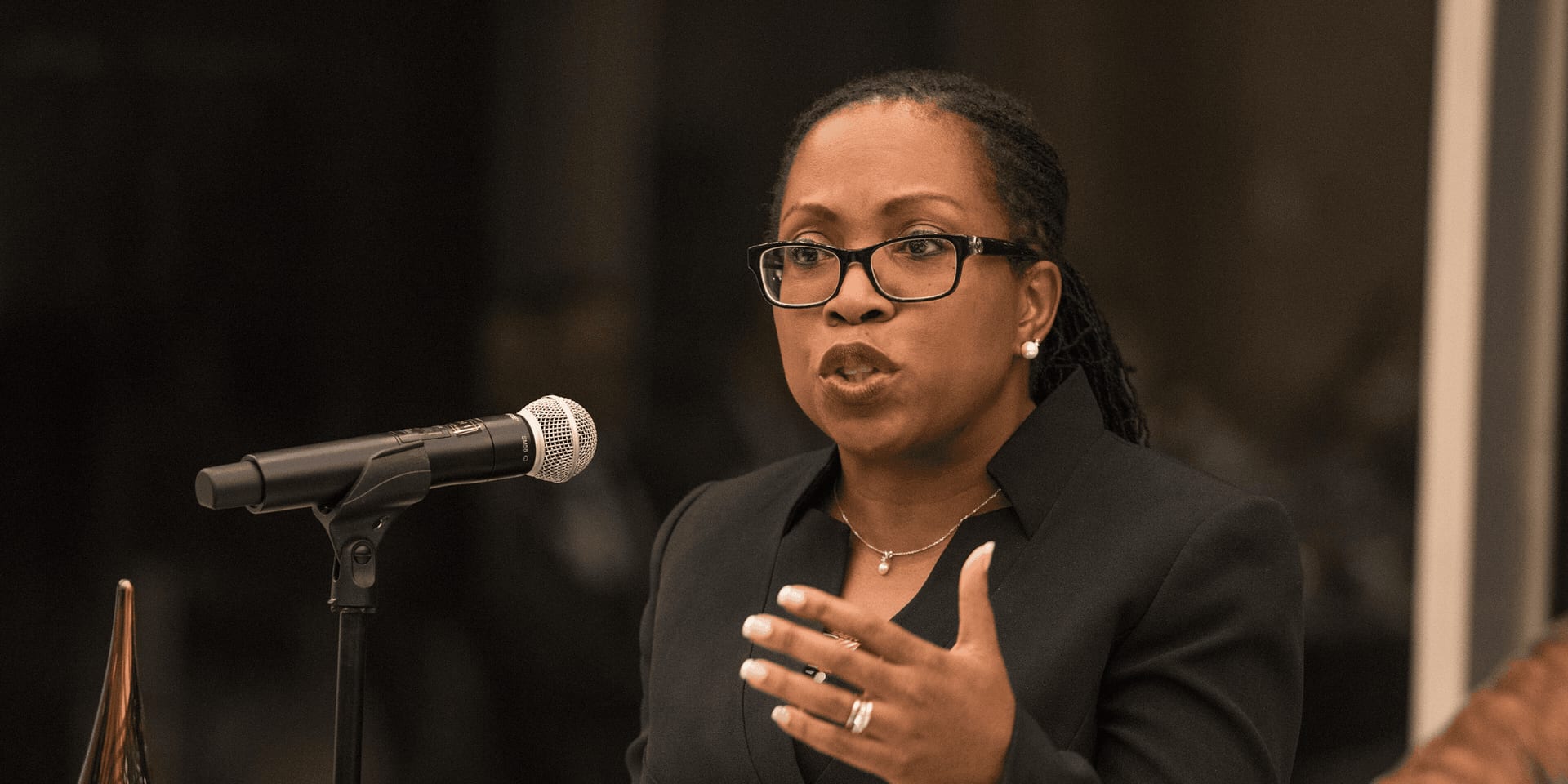
Judge Ketanji Brown Jackson, honoree at the Third Annual Judge James B. Parsons Legacy Dinner, February 24, 2020, University of Chicago Law School.
Photo Credit: Lloyd DeGrane/Wikimedia
Supreme Court Legitimacy Debate Intensifies
Questions surrounding the credibility and public standing of the Supreme Court also gained national attention following recent remarks by Justice Ketanji Brown Jackson warning that the Court risks losing public trust. Speaking publicly about what she described as increasingly politicized decision-making, Jackson expressed concern that opaque emergency rulings and sharply ideological divisions could weaken confidence in the judiciary.
Her comments arrive during one of the Court’s most politically consequential terms in years. Major disputes involving federal agencies, voting rights, executive authority, and trade policy are all moving through the judiciary simultaneously. Several high-profile rulings have already drawn intense reactions from both political parties.
Legal scholars note that the Court’s recent willingness to intervene in disputes involving presidential power, including the tariff cases, has elevated the judiciary’s visibility in American political life. At the same time, criticism from both conservatives and liberals has contributed to declining public confidence in the institution.
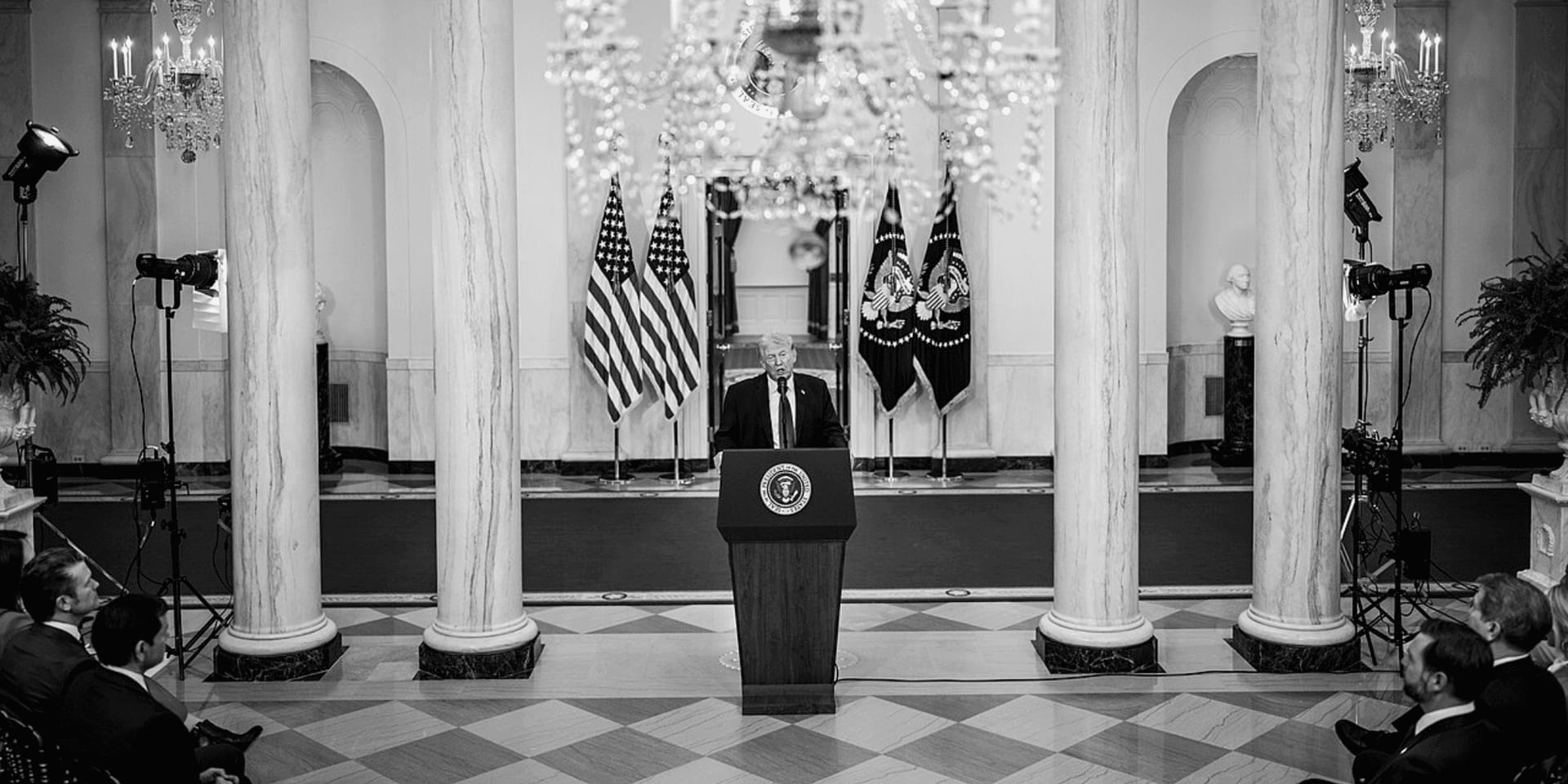
President Donald Trump delivers an address to the nation, Wednesday, April 1, 2026, in the Cross Hall of the White House.
Photo Credit: Official White House Photo by Daniel Torok/Wikimedia
Political Pressure Mounts on the White House
Political tensions surrounding President Trump’s second term continued to deepen today as new polling and analysis reflected growing voter dissatisfaction over economic conditions and foreign policy decisions. Recent surveys show weakening approval ratings tied largely to inflation concerns, military tensions abroad, and market volatility connected to trade disruptions.
The administration’s use of executive actions has also generated increasing controversy. Critics argue that unilateral policy moves on tariffs, immigration enforcement, and federal governance have stretched executive authority beyond traditional boundaries. Supporters, however, continue to defend the president’s aggressive governing style as necessary to push through policy goals amid congressional gridlock.
With both parties already positioning themselves for the midterm political cycle, today’s developments reinforced how economic anxiety and institutional debates are likely to shape the national political environment over the coming months.
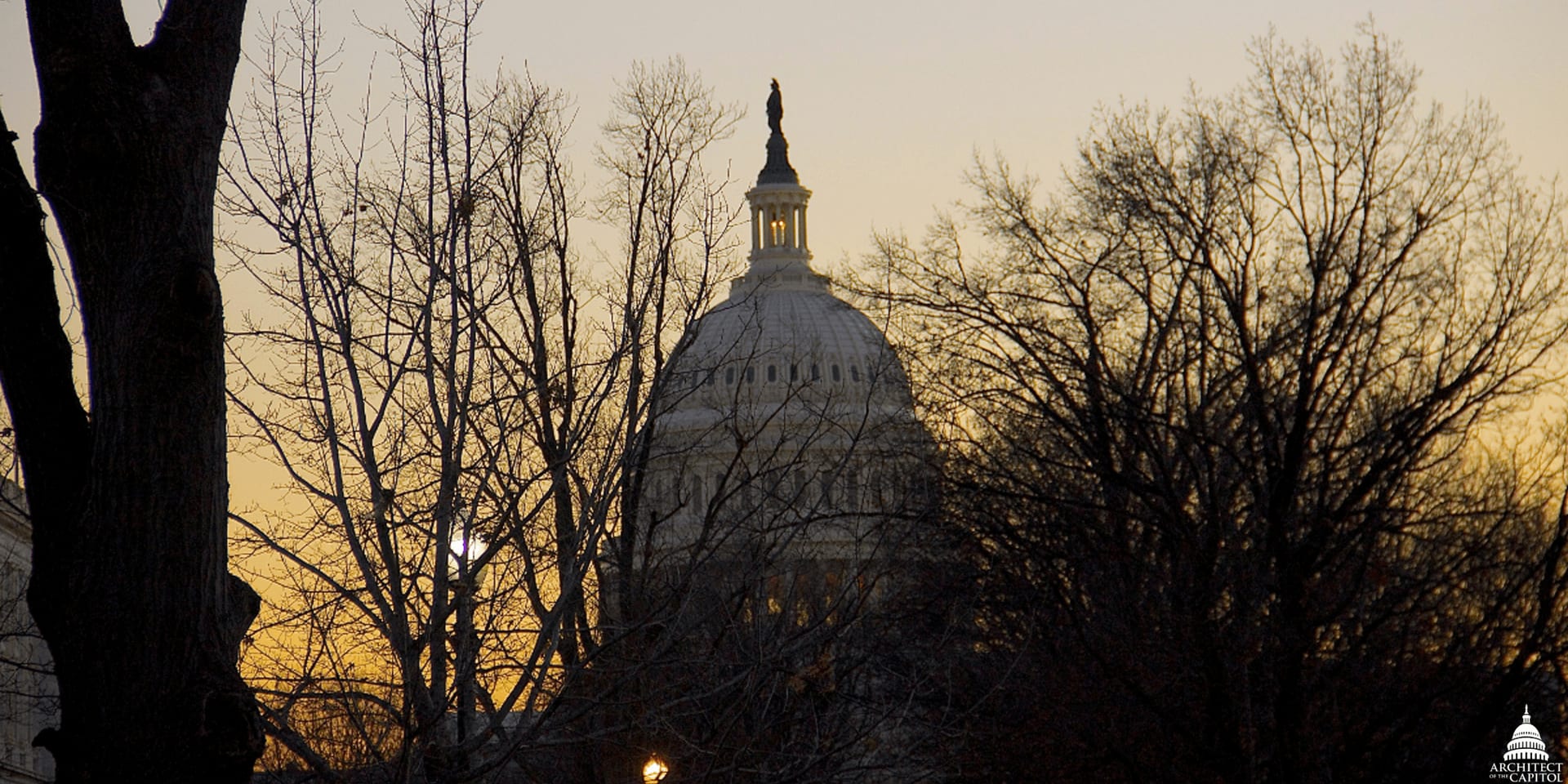
Photo Credit: USCapitol/Wikimedia
Global Economic Strains Add Pressure to U.S. Outlook
International developments also added to concerns about the broader economic outlook. Energy demand surges abroad, continuing trade negotiations, and ongoing geopolitical instability are contributing to inflationary pressure that directly affects American consumers and businesses.
Financial markets remain particularly sensitive to signs of prolonged instability involving energy supplies and international trade relationships. Analysts warned today that uncertainty surrounding tariff repayment litigation and future trade enforcement could continue disrupting supply chains and investment decisions throughout the remainder of the year.
At the same time, policymakers face growing pressure to balance domestic economic priorities with international diplomatic and commercial relationships that have become increasingly strained over the past year.
Looking Ahead
Attention in the coming days will focus heavily on the Federal Reserve’s next signals regarding interest rates, the progression of tariff-related litigation, and additional Supreme Court rulings expected before the term concludes this summer. Lawmakers are also expected to intensify debate over trade authority and executive power as economic uncertainty continues to weigh on markets and voters alike.
With inflation, institutional legitimacy, and global instability all converging at once, Washington enters the summer facing one of the most politically and economically consequential periods of the year.