
Courts, Commerce, and Immigration Drive a High-Stakes Weekend in Washington
The first weekend of August brought a series of consequential developments across the United States, with legal disputes, immigration policy, trade actions, and economic indicators dominating the national agenda. The Trump administration continued advancing its policy priorities while facing new judicial scrutiny, as financial markets responded to evolving economic data and federal agencies announced significant policy changes. Together, the day's headlines reflected ongoing debates over executive authority, domestic manufacturing, immigration enforcement, and the broader direction of national policy.
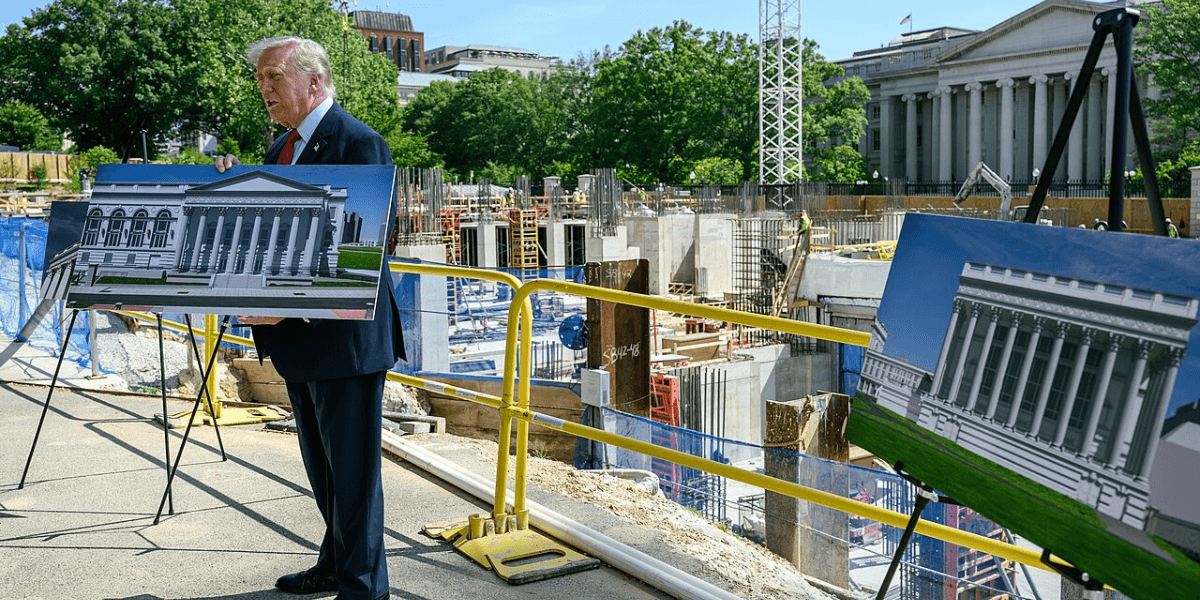
Appeals Court Halts White House Ballroom Project
A federal appeals court ordered the Trump administration to stop construction of the proposed $400 million White House ballroom, ruling that the project violated historic preservation requirements while litigation proceeds. President Donald Trump sharply criticized the decision, calling it a threat to national security and pledging to seek review before the U.S. Supreme Court.
The ruling represents another significant judicial challenge to a high-profile White House initiative and adds to the growing number of cases testing the scope of presidential authority during the administration's second term.
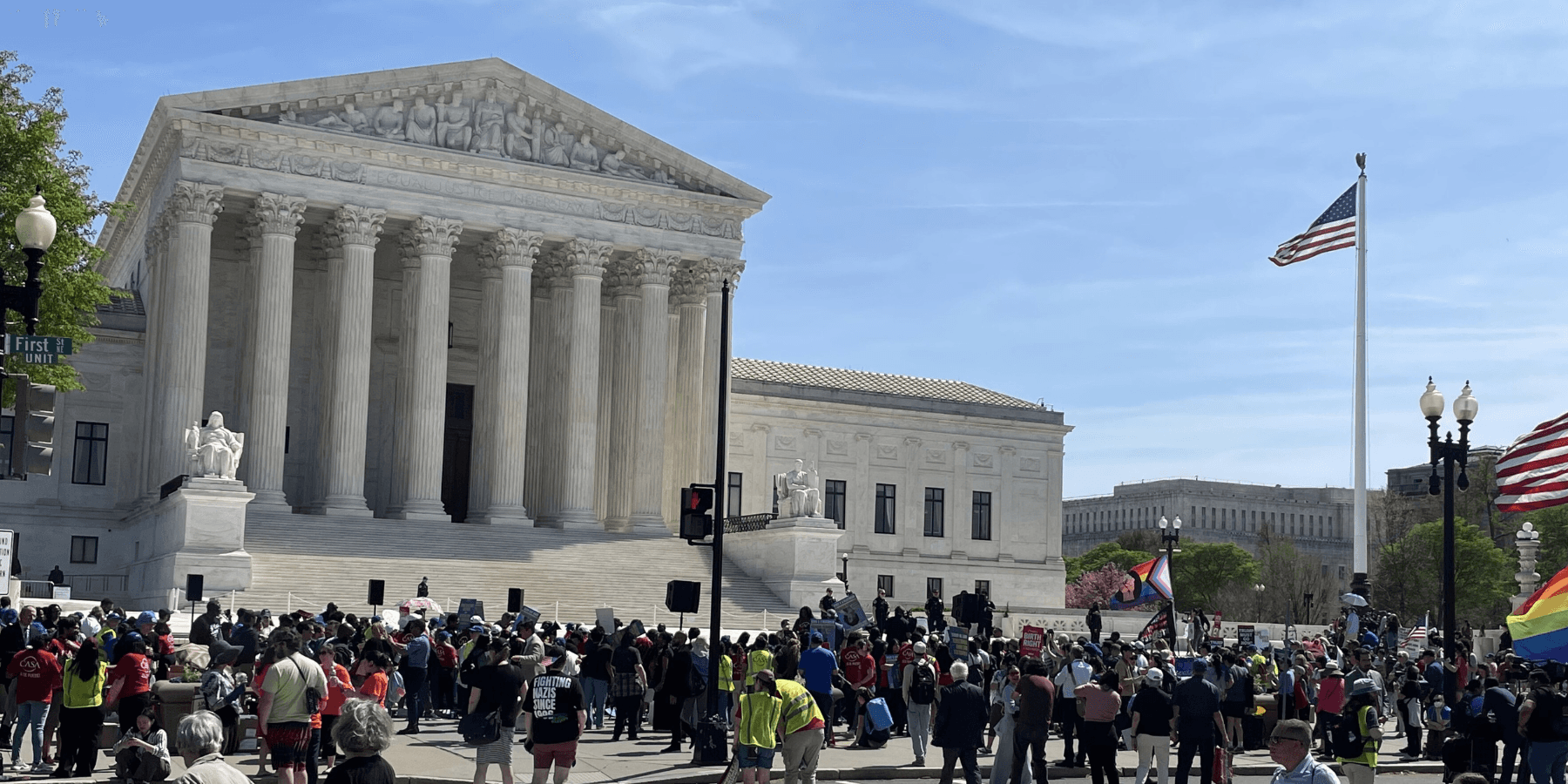
Photo Credit: Melina Kolburn
Protests Outside Supreme Court Building after Trump v. Barbara (Birthright Citizenship), April 2026
Administration Expands Birthright Citizenship Push
The administration continued defending and promoting newly signed executive orders aimed at narrowing eligibility for birthright citizenship in specific circumstances. The measures focus on areas including children born to foreign diplomats, individuals linked to designated terrorist organizations, and efforts to curb so-called "birth tourism."
The new approach follows the Supreme Court's June decision reaffirming the traditional interpretation of the Fourteenth Amendment's Citizenship Clause. Legal experts expect another round of constitutional challenges as federal courts examine whether the revised executive actions comply with existing law.

Photo Credit: Ddgfoto/Wikimedia (Cropped)
Polycrystalline silicon crystals: detail of a photovoltaic panel
Trade Actions Target Technology Supply Chains
The White House announced additional trade measures intended to strengthen domestic manufacturing, including a new 15% tariff on imported polysilicon, a key material used in semiconductor and solar technology production. The administration said the move is designed to reinforce critical supply chains and encourage additional investment in U.S. manufacturing.
Officials also highlighted plans for billions of dollars in mining and battery-related investments intended to reduce dependence on foreign suppliers for critical minerals. Business groups and industry analysts are closely watching how the new tariffs may affect manufacturing costs and clean-energy projects in the months ahead.

Photo Credit: Lo Lo/Unsplash
Economic Data Boosts Investor Confidence
Wall Street closed the week on a positive note after weaker-than-expected employment figures led investors to believe the Federal Reserve could delay additional interest-rate increases. The S&P 500 reached another record high, while the Nasdaq and Dow Jones Industrial Average also posted gains.
Although the labor market showed signs of slowing, investors viewed the data as reducing immediate pressure for tighter monetary policy. Treasury yields declined as markets adjusted expectations for future Federal Reserve decisions, reflecting continued uncertainty over inflation and economic growth.
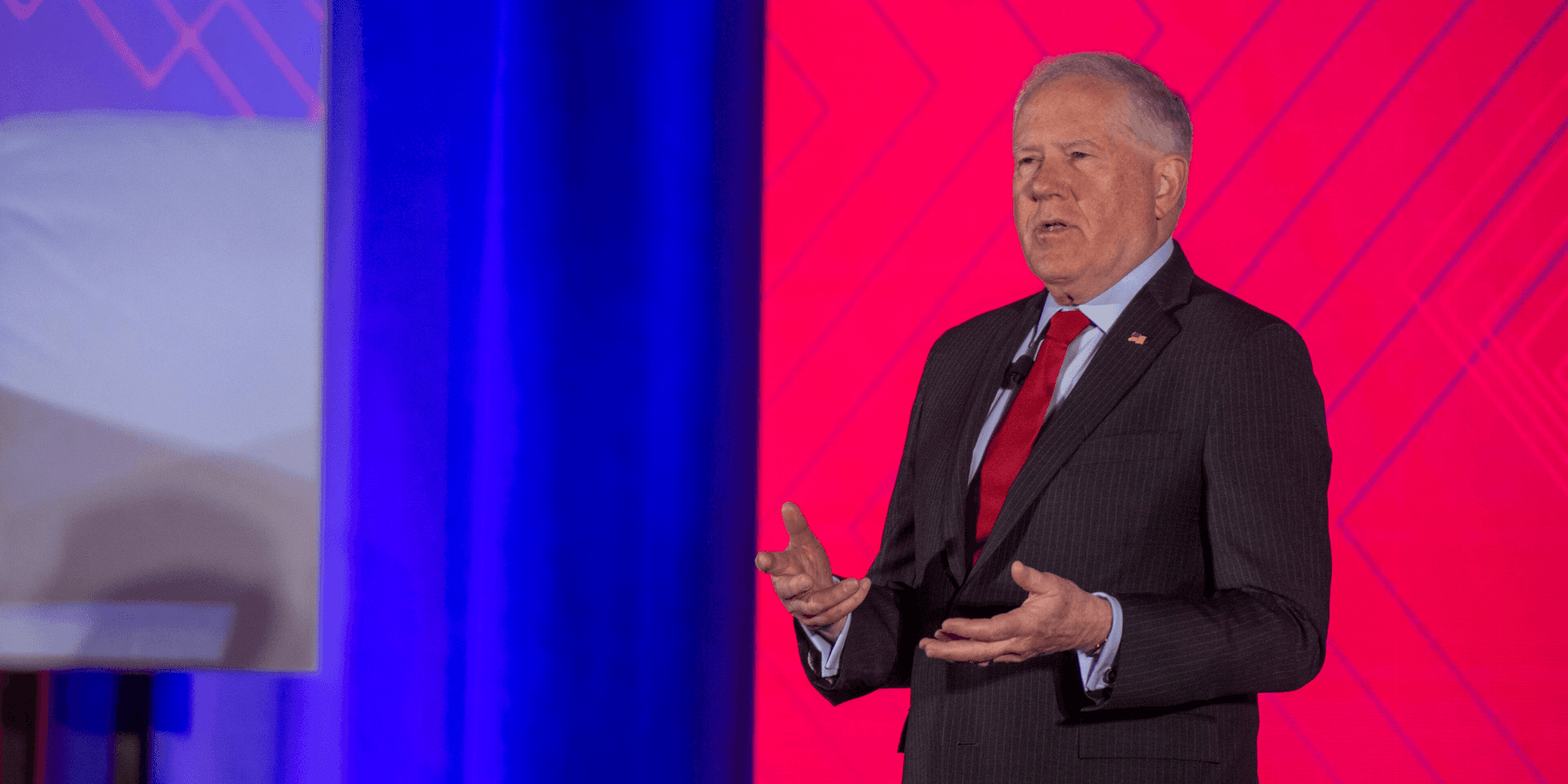
Photo Credit: Tech. Sgt. William A. O'Brien/Wikimedia
Secretary of the Air Force Frank Kendall speaks during the Ash Carter Exchange on Innovation and National Security May 9, 2023, in Washington, D.C.
Federal Agencies Face Continued Scrutiny
Several federal agencies remained in the spotlight as the administration announced additional policy changes. Immigration and Customs Enforcement said it would expand the use of body cameras for officers, while New Jersey officials launched a civil rights investigation into an immigration detention facility following the death of a detainee.
Separately, the Pentagon revoked the security clearance of former Air Force Secretary Frank Kendall following a classified information review, adding another notable personnel development within the national security establishment.
Looking Ahead
Attention now turns to expected legal challenges over the administration's revised birthright citizenship policies, a likely Supreme Court appeal involving the White House ballroom project, and continued market reaction to recent economic data. Investors will also monitor upcoming inflation reports and Federal Reserve signals, while policymakers continue debating trade policy, immigration enforcement, and the balance of executive authority.