Debt, Data and District Lines Test Washington’s Grip
Washington’s attention turned to a mix of fiscal strain, regulatory fights and election-year positioning on Wednesday. The day’s biggest national stories centered on the federal debt reaching a new record, the Trump administration’s latest health and foreign-policy moves, a consumer-pricing crackdown, and a court ruling with implications for control of the House.

By
Aug 19, 2026

U.S. National Debt Surpasses $40 Trillion
The federal government’s debt crossed $40 trillion, a record milestone that sharpened debate over spending, taxes and interest costs. The figure arrived only months after the debt hit $39 trillion in March and $38 trillion the previous October, underscoring how quickly borrowing has continued to rise. The Associated Press reported that defense spending, Social Security, Medicare and interest costs remain among the largest drivers of the expanding burden.
The milestone also landed as borrowing costs were already pressuring households and financial markets. Long-term Treasury yields had climbed for weeks, pushing up mortgage and other consumer borrowing costs, while the Treasury Department announced steps aimed at lowering rates. Economists cited persistent deficits, inflation concerns and heavy capital demand from AI infrastructure as contributors to the pressure.

Photo Credit: CaptJayRuffins/Wikimedia (Cropped)
Trump Picks Heidi Overton to Lead the FDA
President Donald Trump nominated Dr. Heidi Overton, a deputy director of the White House Domestic Policy Council, to lead the Food and Drug Administration. Overton, a physician who has worked on several of Trump’s second-term health initiatives, would need Senate confirmation before taking charge of the agency.
Her selection sets up a contentious confirmation fight over the FDA’s future direction. If confirmed, Overton would inherit unfinished regulatory issues involving ultraprocessed foods, antidepressants, COVID-19 shots and drug pricing, while also balancing Trump’s priorities, traditional Republican deregulatory pressure and Health Secretary Robert F. Kennedy Jr.’s anti-corporate stance.
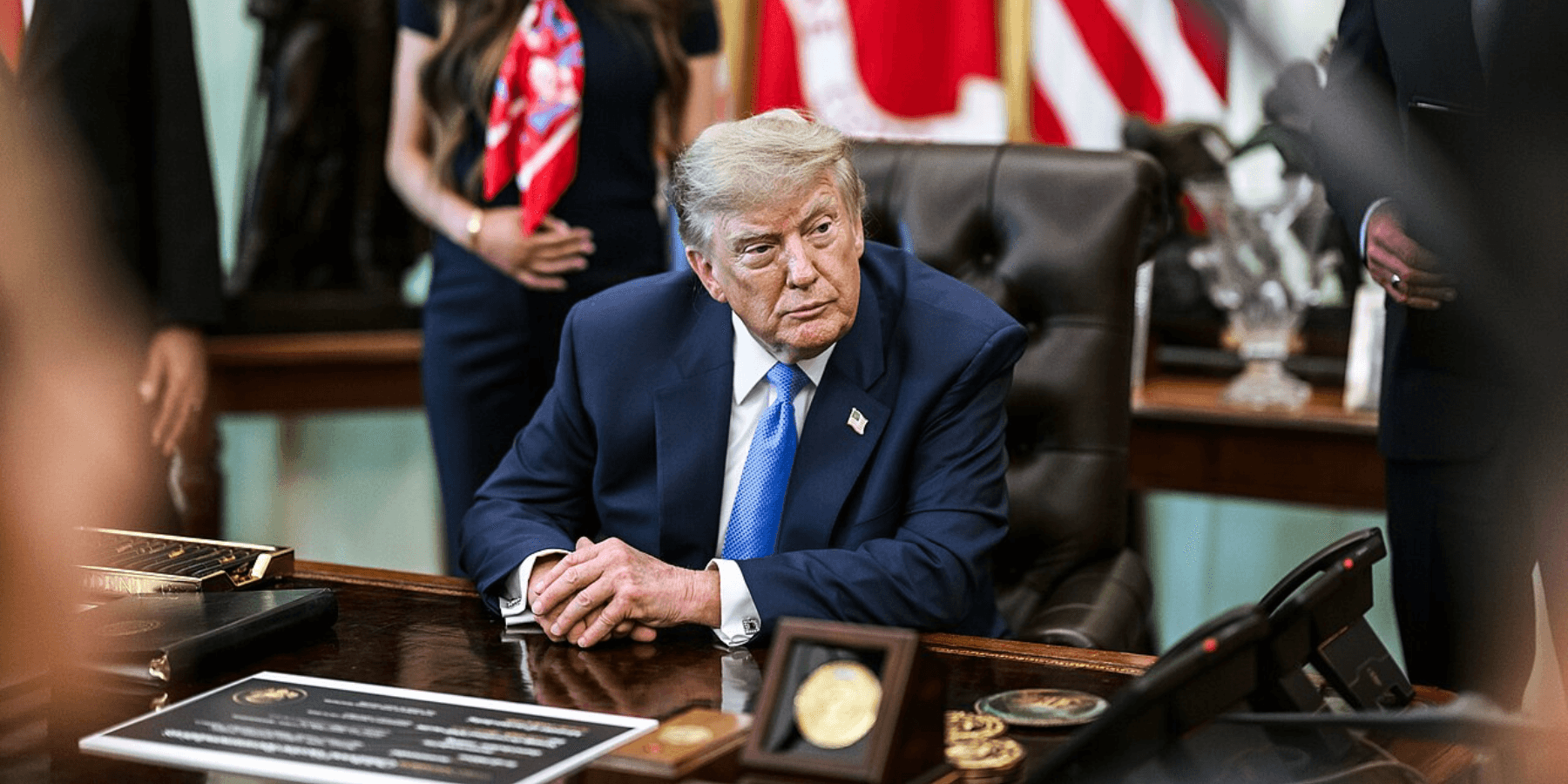
Photo Credit: The White House/Wikimedia
Trump Escalates Economic Pressure on Iran
Trump announced a new economic pressure campaign against Iran, promising broad isolation and warning that countries or entities providing Tehran with financial, commercial or logistical support could face major consequences. The president said the effort would target areas such as oil smuggling, cash transfers, exchange houses, ship registries and front companies, though the administration initially provided few operational details.
The announcement marked another escalation in the nearly six-month Iran conflict and placed U.S. allies under renewed pressure to align with Washington’s sanctions strategy. It also raised immediate questions about how the measures would affect major economies with ties to Iran, including China, and how aggressively the administration would pursue secondary sanctions.
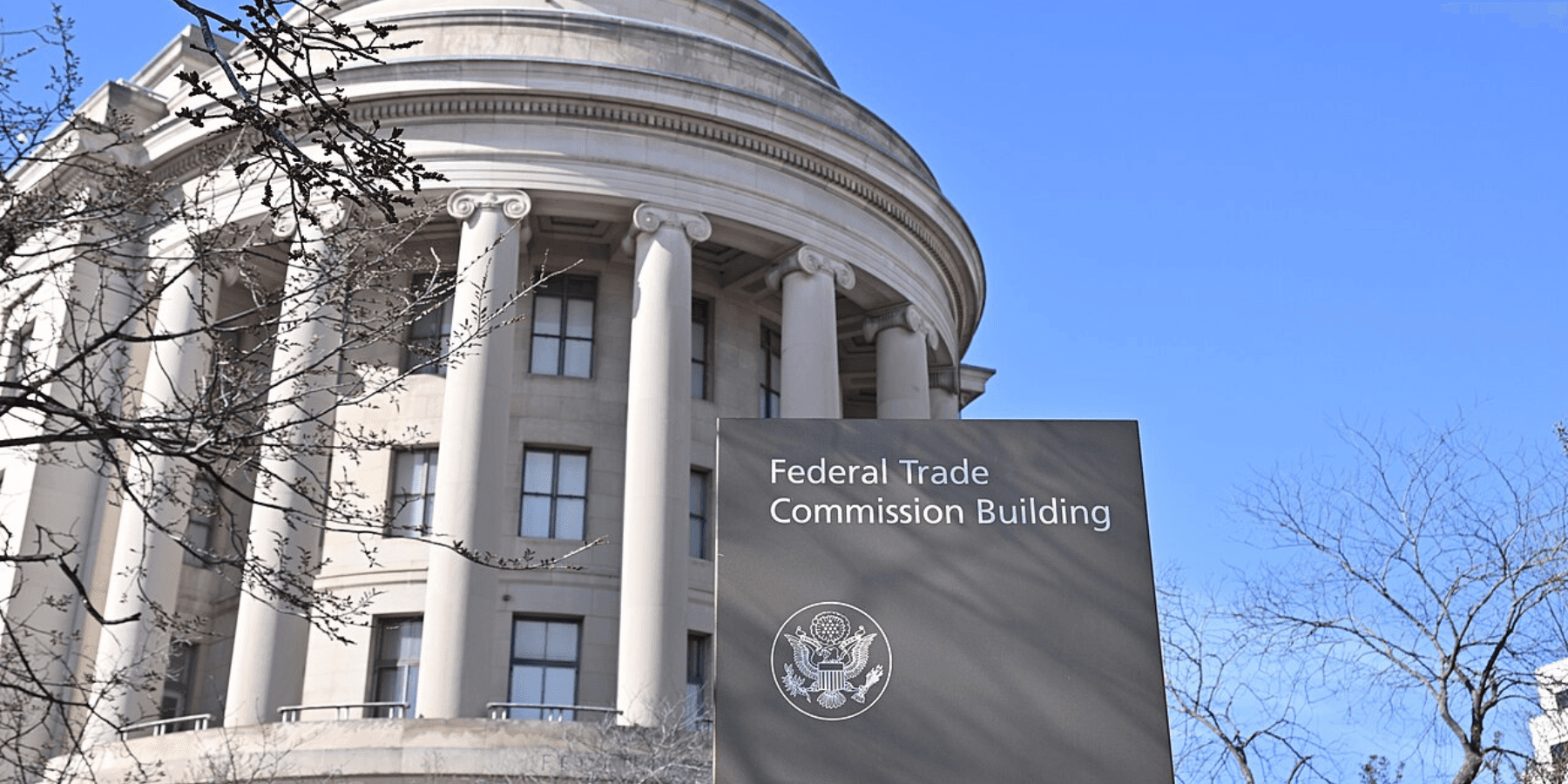
Photo Credit: G. Edward Johnson/Wikimedia (Cropped)
FTC Targets Personalized Pricing Based on Consumer Data
The Federal Trade Commission proposed a policy that would require companies to disclose when they use personal data to vary prices for individual shoppers. The agency said businesses that secretly tailor prices based on what they believe a customer is willing to pay could face federal action under consumer-protection law.
The proposal reflects growing concern over “surveillance pricing” in online retail, grocery shopping and app-based commerce. The FTC said companies have used factors such as location, browsing history and shopping behavior to personalize offers, while the proposal would require clear disclosure of both the practice and the types of data used. Public comments are open for 30 days, and retail groups are expected to scrutinize how the policy could affect loyalty and rewards programs.

Photo Credit: Linda L Kung/Wikimedia (Cropped)
Missouri Court Clears Trump-Backed House Map for November
A Missouri judge allowed new Trump-backed U.S. House districts to be used in the November elections, rejecting an effort to force a statewide referendum on the Republican-friendly map. Cole County Circuit Judge Daniel Green ruled that the state constitution did not clearly transfer congressional redistricting authority from the Legislature to a referendum process.
The ruling was a significant win for Republicans seeking to protect a narrow House majority. Missouri’s revised map targets Democratic Rep. Emanuel Cleaver’s Kansas City-area district by adding Republican-leaning rural territory and shifting parts of Kansas City into neighboring districts. Opponents quickly said they would appeal, likely sending the dispute to the Missouri Supreme Court.
Looking Ahead
The next tests will come in several arenas at once. Overton’s FDA nomination moves toward Senate scrutiny, the debt milestone will intensify budget and debt-limit debates, and the FTC’s pricing proposal now enters a public-comment period. Missouri’s redistricting fight is expected to continue on appeal, while the administration’s Iran campaign will depend on whether allies and trading partners cooperate with Washington’s push for broader economic isolation.