Doctor Ruffin And The Culture Beneath The Current
Quincy K. Ruffin turns lived pressure into a practical map for institutional change.
The moment that sharpened the mission behind Doctor Ruffin organizational culture did not arrive in a lecture hall or at a conference podium. It arrived in the collision of roles that Quincy K. Ruffin, Ed.D., had been carrying for years: Black police sergeant, investigator, father, scholar, mentor, and institutional insider. He had seen organizations promise trust, fairness, belonging, and accountability, then watched informal habits pull people in another direction. He had also felt the cost of standing between those worlds. “I did not develop these frameworks from the observation deck,” he says. “I developed them while standing in the current.”
Doctor Ruffin Organizational Culture From The Inside
Before Dr. Ruffin became an umbrella brand for consulting, executive education, speaking, books, learning systems, and thought leadership, Dr. Ruffin spent more than two decades inside high-pressure institutions. His career in law enforcement gave him a close view of how organizations behave when policy meets pressure. He learned that the official story of an institution is only part of the truth. The deeper story often lives in what leaders reward, tolerate, ignore, protect, delay, and excuse.
That insight stayed with him as he moved deeper into leadership, training, investigation, mentoring, and organizational development. Dr. Ruffin was not satisfied with surface explanations. He wanted to know why institutions could publish one set of values while employees experienced another. He wanted to understand why capable people were often asked, formally or informally, to translate contradictory expectations, preserve trust, absorb tension, and keep the mission moving when the system itself was misaligned.
His academic path gave language to those observations. Dr. Ruffin earned a Doctor of Education in Learning and Organizational Change from Baylor University, along with graduate and undergraduate preparation in human relations, social justice, psychology, diversity, equity, and inclusion. His doctoral research examined dual allegiance, social identity, and self-categorization among Black police officers. It was scholarship rooted in lived reality, not abstraction.
Doctor Ruffin Organizational Culture And Hidden Currents
From that convergence of experience and research, Dr. Ruffin created Cultural Current Theory. The framework explains organizational culture through the metaphor of a river. The Visible Current includes mission statements, policies, strategic plans, public commitments, and stated values. Beneath it runs the Undercurrent, where unspoken norms, power relationships, bias, institutional memory, repeated behavior, and informal expectations shape what actually happens.
When those currents move together, organizations build trust, clarity, momentum, and legitimacy. When they move against each other, employees feel confusion, inequity, fatigue, resistance, and disengagement. Leaders may believe they are steering toward progress while the deeper current pulls the institution elsewhere. For Dr. Ruffin, this is where Doctor Ruffin organizational culture becomes practical. The work helps leaders stop treating culture as branding and start treating it as behavior.
He later developed the Bridge-Shield Paradox to describe the people who stand where those currents collide. These employees connect leaders to teams, institutions to communities, and policies to real practice. They translate, mediate, calm conflict, preserve relationships, and protect trust. Yet they also shield the organization from the full consequences of weak systems. “The people holding the institution together may also be shielding it from the pressure it needs in order to change,” Dr. Ruffin says.
The paradox is simple and uncomfortable. The better these people perform, the easier it becomes for leaders to believe the dysfunction has been solved. Stability may look real from the outside, even when it is being borrowed from employees who are carrying more than their role should require. “Most organizations do not have a people problem,” Dr. Ruffin says. “They have a design problem being temporarily solved by exceptional people.”
Doctor Ruffin Organizational Culture With Human Stakes
The personal story behind Dr. Ruffin’s work gives these ideas unusual force. While completing his doctorate, he was diagnosed with Stage IV cancer. He continued working, researching, writing, parenting, and progressing toward his degree while facing one of the most difficult seasons of his life. At the same time, he was navigating his own ADHD. His daughter and son, who also have ADHD, were pursuing major educational milestones. During the same graduation season, Dr. Ruffin earned his doctorate, his daughter earned her bachelor’s degree, and his son earned his high school diploma.
That family chapter became more than a private victory. It clarified his message about resilience. “I survived Stage IV cancer while completing my doctorate,” Dr. Ruffin says. “That experience taught me that resilience is real, but it should never become an excuse for institutions to keep placing unbearable weight on their most capable people.” For Ruffin, resilience deserves respect, but it should not become a management strategy. Strong people still need sound systems.
This is where his work separates itself from generic leadership training. Dr. Ruffin’s approach to organizational culture is not built around slogans, symbolic exercises, or motivational language that disappears after the room empties. Instead, he helps organizations turn cultural insight into practical questions and decisions: Are we structurally stable, or are we borrowing stability from indispensable employees? Who has responsibility without authority? Which warning signals have leaders received but failed to answer? Which successes depend on people rather than sustainable systems?
Recognized As Best Organizational Culture Consultant In 2026
Quincy K. Ruffin, Ed.D., has been recognized as the “Best Organizational Culture Consultant in the San Francisco Bay Area of 2026” by BestofBestReview.com, recognizing his work in organizational culture, leadership development, and institutional change.
The recognition reflects Ruffin’s focus on helping leaders understand the visible and hidden forces shaping workplace culture. Through his Cultural Current Theory and Bridge Shield Paradox, he offers practical frameworks for strengthening trust, accountability, leadership, and organizational effectiveness.
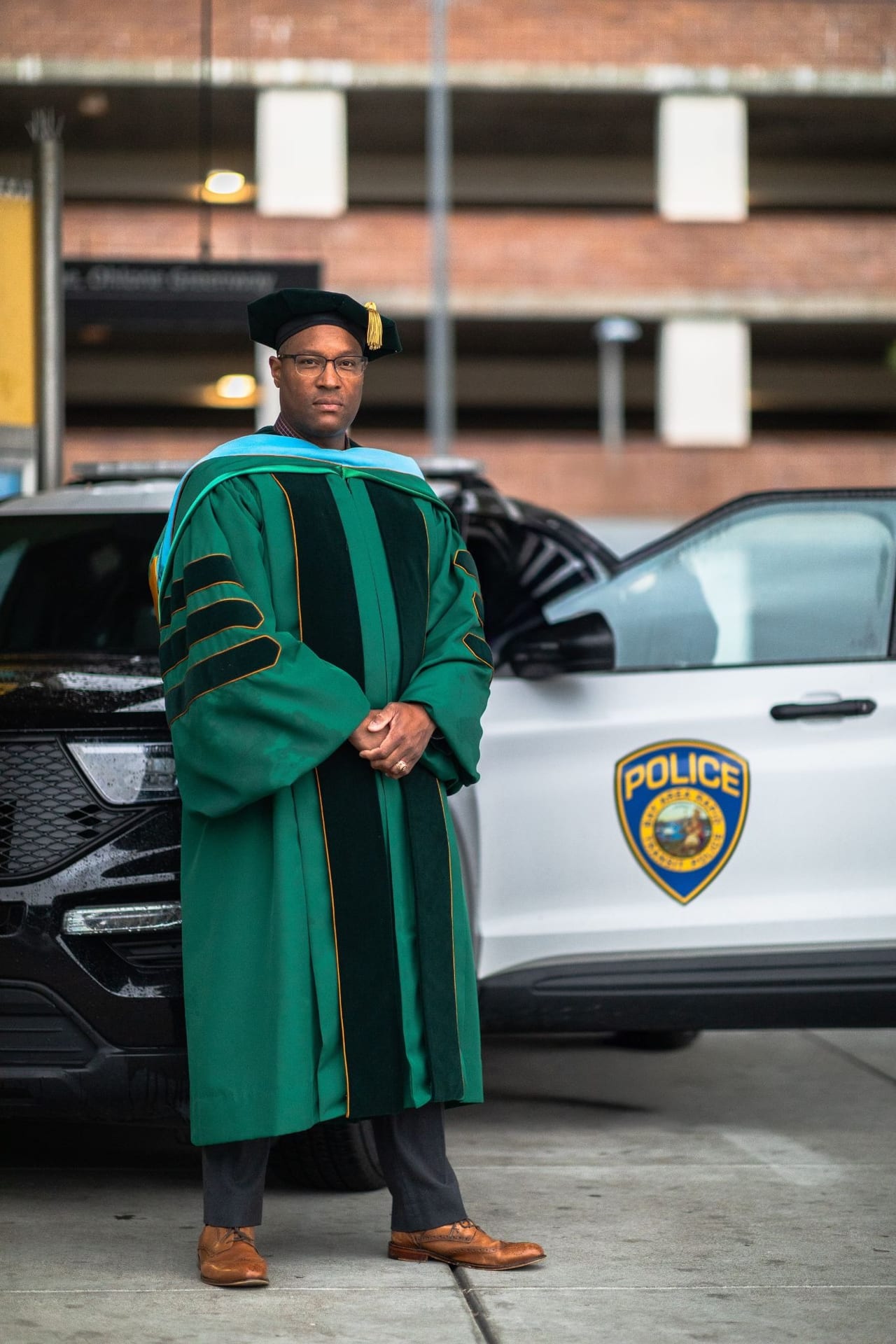
Through DoctorRuffin.com, he offers keynote speaking, executive education, consulting, organizational assessment, facilitated conversations, leadership development, and evidence-informed training. His work crosses law enforcement, healthcare, education, government, business, technology, and community institutions. He has presented at Stanford School of Medicine, contributed to medical-education curriculum adopted by dermatology departments at leading universities, published peer-reviewed scholarship, and authored books including Cultural Current for Law Enforcement Leaders, The AI Paradox: How Culture, Code, and Control Collide, and his latest book, The Bridge-Shield Paradox: How Institutions Survive by Sacrificing the People Who Hold Them Together, which was recently released.
His philosophy also challenges professionals who keep collecting preparation without delivering impact. Dr. Ruffin calls it delivering the punch line. Training, certifications, credentials, research, and experience are the setup. The punch line is the benefit those investments create for people, organizations, and society. His own punch line is clear: help leaders see the culture they are actually creating, identify the hidden burdens inside their systems, and build conditions where people can succeed without being used as shock absorbers for organizational failure.
For leaders facing turnover, distrust, implementation failure, cultural conflict, disengagement, or the quiet loss of indispensable people, Dr. Ruffin offers a practical lens for identifying what is happening beneath the surface and deciding what to do next. Explore Dr. Ruffin if your organization is ready to examine the current beneath its policies, name what has been left unspoken, and replace borrowed stability with sustainable trust, accountability, and impact.
Explore More About Dr. Ruffin
Connect with Dr. Ruffin and LinkedIn.