Economic Jitters, Immigration Freeze, and Fuel‑Economy Rollback — A Pivotal December Day in U.S. Policy
The United States awoke on December 3, 2025, to a flurry of consequential developments — unexpectedly weak jobs data, sweeping immigration pauses, and an administration push to ease environmental regulations. Combined, these events underscore a growing tension between economic uncertainty, shifting domestic policy priorities, and global environmental commitments. As lawmakers and markets digest the upheaval, many Americans are left pondering what comes next.

ADP data signals weakening labor market
Private employers in the U.S. slashed 32,000 jobs in November — a sharp reversal from expectations of a 10,000‑job gain and far below October’s adjusted increase. The declines were concentrated among small businesses with fewer than 50 employees, which alone eliminated roughly 120,000 positions. Economists view this as a troubling sign. According to ADP’s chief economist, small firms often act as a bellwether for broader labor‑market health, and their contraction signals growing fragility. The slowdown — together with modest wage growth dipping from 4.5% to 4.4% — may influence the Federal Reserve’s decision when it convenes December 9–10.

Administration halts immigration applications from 19 countries
The U.S. Citizenship and Immigration Services (USCIS) has paused all immigration applications — including green cards and naturalization — for people from 19 countries previously affected by travel bans. The freeze comes in the wake of a recent shooting involving National Guard troops, and officials have not provided a timetable for lifting it. This suspension builds on broader immigration restrictions implemented in November, which included asylum freezes, sweeping visa‑fee hikes, and more stringent reviews for visa-holders. The move has already triggered a federal lawsuit from immigrant‑rights advocates in Louisiana challenging recent enhanced penalties for interfering with enforcement — highlighting both the domestic legal fallout and broader human‑impact risks.
Fuel‑efficiency rollback signals environmental policy shift
In a high-profile announcement today, the National Highway Traffic Safety Administration (NHTSA), backed by the administration, unveiled plans to significantly loosen fuel‑efficiency standards for vehicles from model years 2022 through 2031. The proposed changes would reduce required fuel-economy levels, eliminate credit trading among automakers, and cut credits for fuel-saving technologies — a clear reversal of regulations adopted under the previous administration. The administration argued the rollback is designed to ease regulatory burdens on automakers and boost sales of gas‑powered vehicles. But critics warn the proposal could undermine national climate goals and accelerate carbon emissions at a time when environmental concerns remain urgent.
Gas prices dip under $3 as economic stress mounts
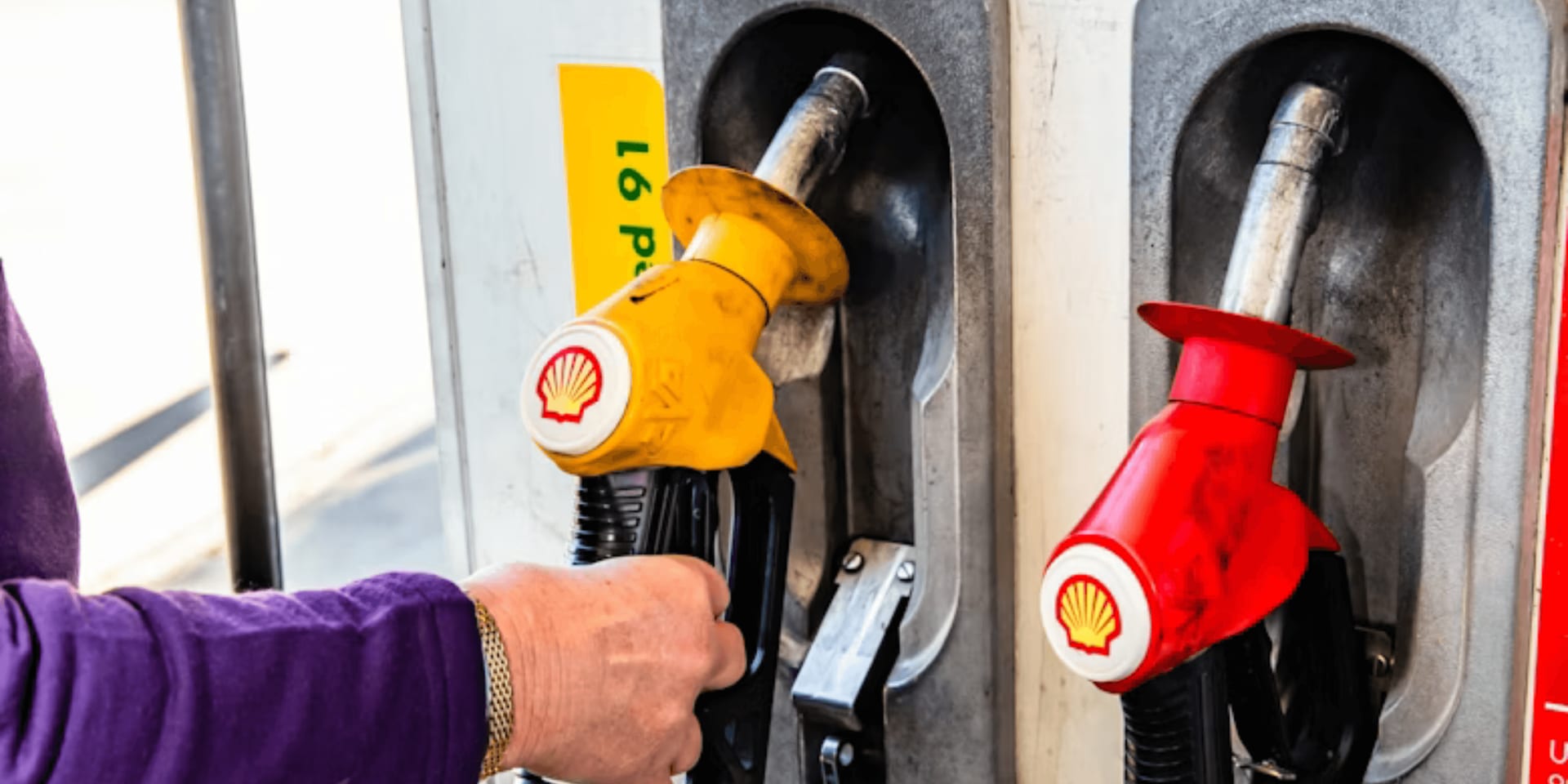
According to data from American Automobile Association (AAA), the national average for regular gas fell below $3 per gallon for the first time since May 2021. This drop could offer some relief to American households coping with rising costs. The decline in pump prices appears tied to a broader slide in global oil prices, driven in part by increased production from oil‑exporting nations. Though lower fuel costs may ease everyday expenses for consumers, they arrive amid growing concerns over wage stagnation, job losses, and broader economic uncertainty — factors that may dampen consumer spending.

U.S.-led diplomatic push for peace in Ukraine fails to break impasse
In the international arena, a renewed mediation effort by the U.S. to broker peace between Ukraine and Russia failed to yield meaningful progress. A newly revised 28‑point plan — initially criticized for favoring Russia — was presented by U.S. envoy Steve Witkoff, but the Kremlin declared the sides remain “neither further nor closer” to a resolution. Leaders in Kyiv, while calling the proposal “better,” cautioned that the process remains deeply flawed and fraught with risks. Many European allies fear the draft plan could pressure Ukraine into concessions on NATO ambitions and territorial sovereignty. With hostilities ongoing and trust fragile, analysts note that a balanced, enforceable peace remains a distant prospect.
Looking Ahead
In the coming days, all eyes will be on the Federal Reserve’s December meeting to see whether the weak labor data nudges the central bank toward a third rate cut this year. The freeze on immigration applications and the fuel‑economy rollback will likely face legal and political challenges, as advocacy groups and environmental coalitions mobilize. Meanwhile, with gas prices easing, consumer sentiment may budge — but deeper economic headwinds could blunt any rebound. Internationally, U.S.-backed mediation efforts in Ukraine remain in flux, and geopolitical tensions could rise if diplomacy fails. As 2025 winds down, Americans confront a critical juncture: balancing economic pressures, shifting policy priorities, and global responsibilities in an increasingly uncertain era.