
Extreme Weather and Global Tensions Collide as U.S. Faces a Day of Uncertainty
The United States faced a convergence of pressures, as extreme weather battered multiple regions, financial markets reacted to global instability, and policymakers weighed economic risks tied to an ongoing overseas conflict. From blizzards and tornadoes at home to rising oil prices abroad, the day’s developments reflected a country navigating both immediate disruptions and longer-term uncertainty. Meanwhile, major seasonal events and economic indicators underscored the complexity of the national moment.
Markets Eye Federal Reserve as Iran Conflict Drives Uncertainty
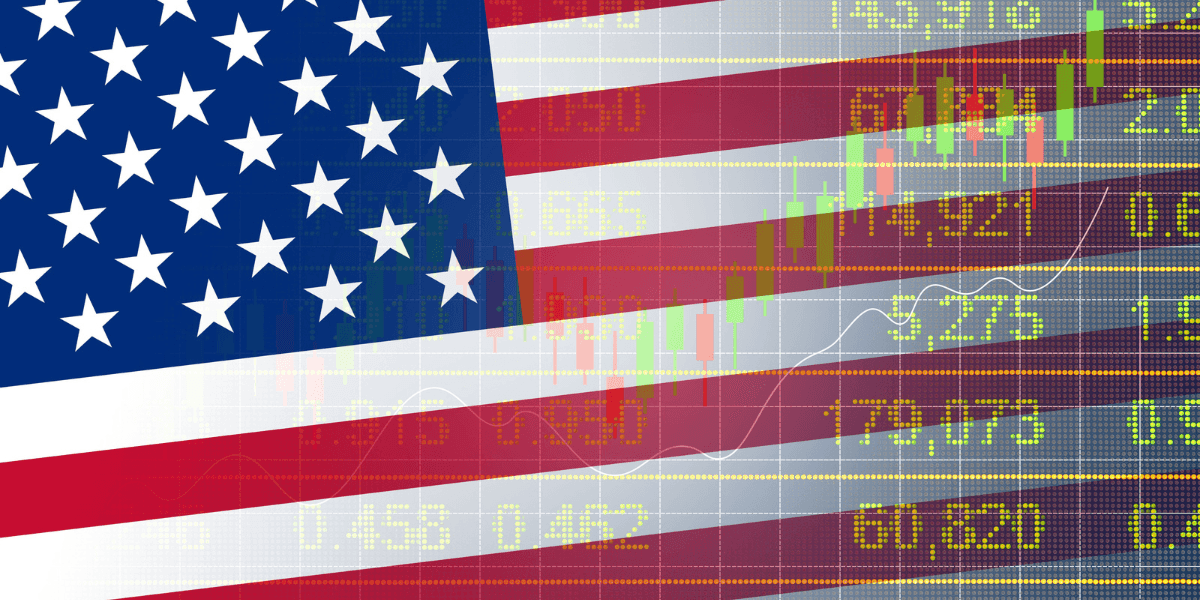
Investors closely monitored developments ahead of a key Federal Reserve decision, with markets balancing optimism and concern. Stock futures edged higher, but uncertainty remained tied to inflation trends and geopolitical risks stemming from the ongoing U.S.-Iran war.
Oil prices, which have been volatile amid the conflict, showed slight declines after supply adjustments in the Middle East, though broader concerns about energy disruption persist. The conflict—now in its third week—has heightened fears of prolonged instability that could ripple through global markets and domestic prices.
Economic data expected this week, including inflation indicators, will likely shape the Fed’s next steps as policymakers weigh whether recent progress on inflation can be sustained.
Mortgage Rates Dip but Housing Affordability Remains a Challenge
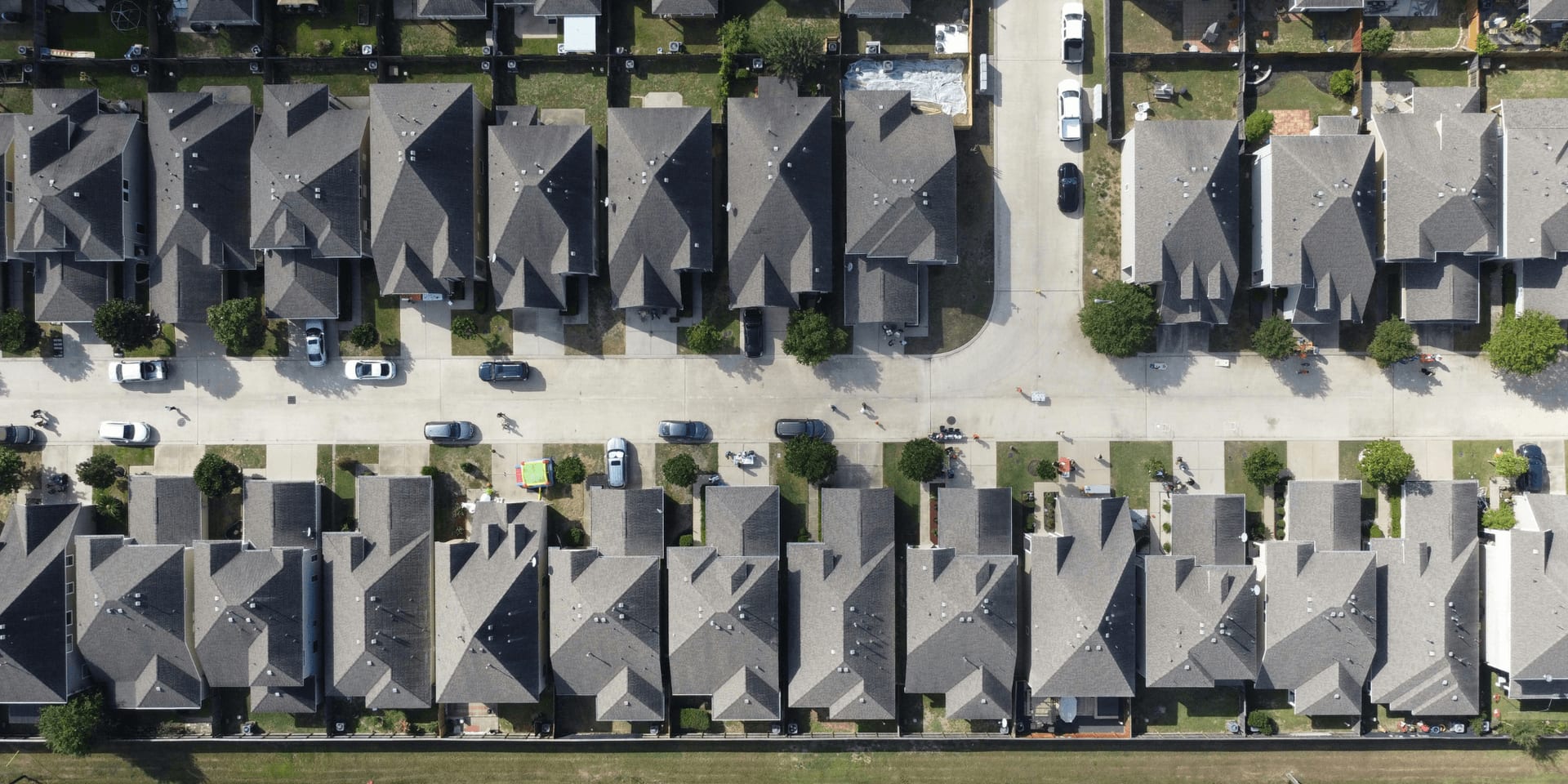
In a modest sign of relief for homebuyers, mortgage rates ticked downward, with the average 30-year fixed rate falling to approximately 6.33%. This continues a gradual easing trend from peaks seen in 2023, though rates remain significantly higher than pre-pandemic levels.
Analysts caution that volatility may persist, especially as inflation concerns remain tied to geopolitical developments and energy prices. While forecasts suggest rates could ease further in 2026, affordability challenges continue to weigh on prospective buyers and the broader housing market.
The housing sector remains a key barometer of economic health, with borrowing costs playing a central role in consumer behavior and financial stability.

March Madness Begins, Marking a National Cultural Moment
Amid the day’s heavier developments, the start of the NCAA men’s basketball tournament—commonly known as March Madness—offered a moment of national focus and tradition. The tournament officially tipped off with early-round games, launching weeks of competition that draw widespread attention across the country.
The annual event is not only a major sporting spectacle but also a significant cultural and economic driver, with millions of Americans participating in bracket competitions and viewing events. Early matchups, including play-in games, set the stage for the broader tournament field.
As in previous years, the tournament is expected to generate strong television ratings and engagement, providing a counterpoint to the more serious headlines dominating the national landscape.

National Debt Concerns Intensify Amid Long-Term Fiscal Pressures
Beyond immediate events, long-term fiscal concerns gained renewed attention as the U.S. national debt continues to climb rapidly. The total has reached approximately $39 trillion, with projections suggesting it could surpass $40 trillion within months.
Experts warn that rising interest payments on the debt could become one of the federal government’s largest expenditures in the coming decade, potentially limiting policy flexibility. Demographic shifts, including an aging population and sustained entitlement spending, are contributing to structural budget challenges.
The issue remains a central but politically complex topic, as lawmakers grapple with balancing economic growth, social programs, and fiscal sustainability.

Severe Weather System Sweeps Across the Nation
A powerful and wide-ranging weather system continued to impact much of the United States, bringing blizzards, tornadoes, and extreme temperature swings. Parts of the Midwest and Plains saw heavy snowfall measured in feet, while tornado activity stretched across the Southeast and Mid-Atlantic.
At the same time, a “heat dome” pushed temperatures in the Southwest far above seasonal norms, with some areas nearing or exceeding 100°F. The unusual combination of extreme cold, severe storms, and unseasonable heat highlights increasingly volatile weather patterns affecting millions of Americans.
Emergency officials across multiple states issued warnings and preparedness advisories, as the system—described by some meteorologists as one of the most complex early-season events in recent years—continued moving eastward.
Looking Ahead
Attention in the coming days will center on the Federal Reserve’s policy decision and signals about future interest rates, particularly as inflation risks remain tied to global conflict. Weather conditions are expected to continue affecting large portions of the country, with recovery efforts underway in impacted regions. Meanwhile, developments in the Iran conflict and energy markets will remain critical to both economic stability and national security.
As March Madness unfolds and economic data is released, the intersection of domestic resilience and global uncertainty will continue to define the national outlook.