
Family Wealth in America: The Need for Honest Inheritance Conversations
A new study reveals generational divides and uncomfortable truths about inheritance planning in America, highlighting the urgent need for family discussions.

It’s a quiet but critical conversation that many families avoid: inheritance. While the United States is undergoing the largest wealth transfer in modern history, millions of families have yet to discuss how assets will be passed down. In fact, only 14% of Americans have had detailed inheritance discussions with their families, and nearly one-quarter of those expecting an inheritance have never even broached the subject. These statistics come from the "Family Wealth in America" survey conducted by Catalyst Advisory, which explores attitudes, expectations, and behaviors surrounding inheritance. This study paints a stark picture of a country on the cusp of a financial shift, yet ill-prepared for the conversations that will determine the future of family wealth.
The Inheritance Gap: A Growing Concern
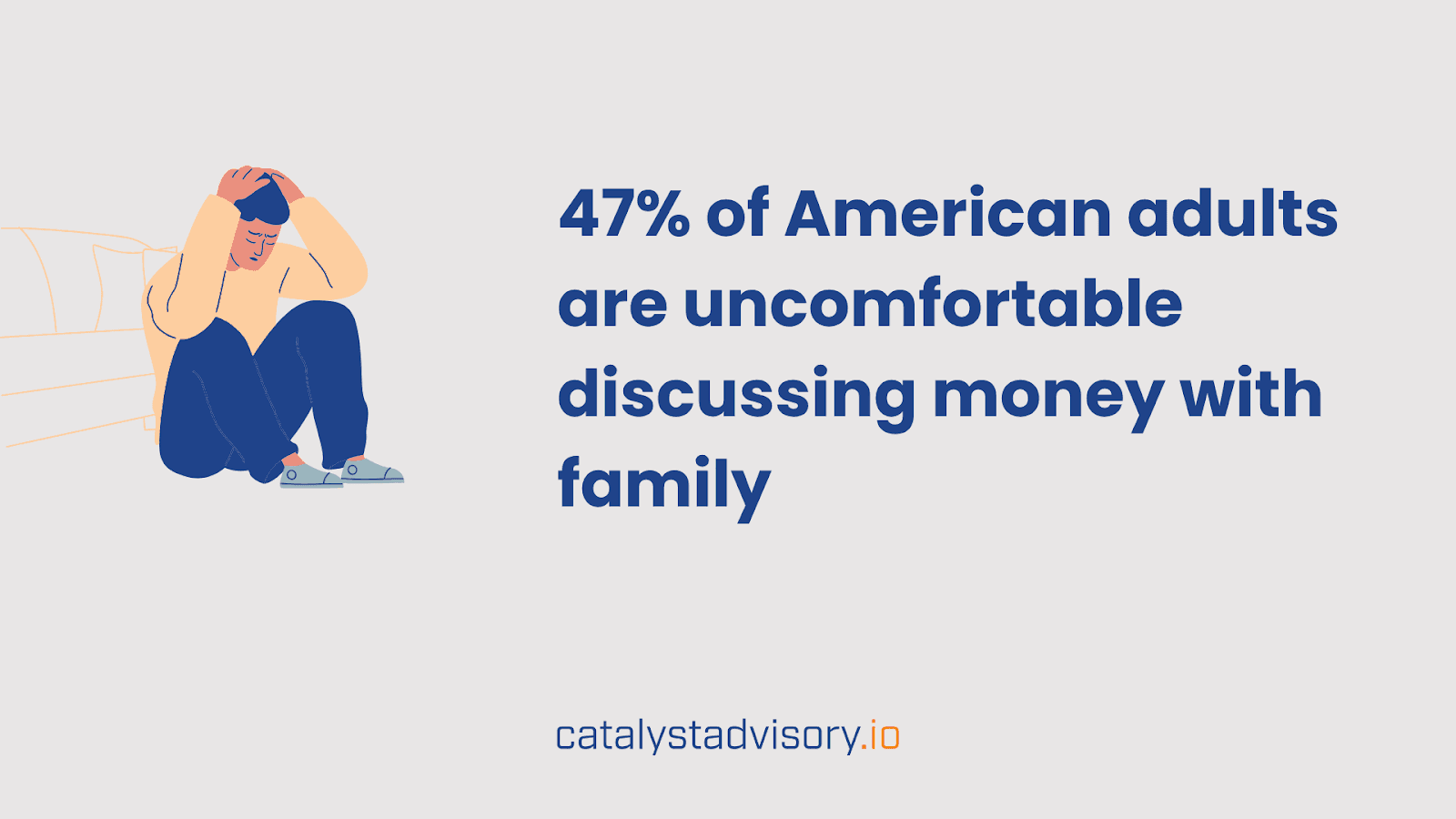
The findings are unsettling. With trillions of dollars set to change hands through the Great Wealth Transfer, the need for families to have open, transparent conversations about inheritance has never been more urgent. Yet, many Americans remain uncomfortable discussing the topic. The survey reveals that nearly half (47%) of Americans are uncomfortable talking about family finances, a number that rises significantly among younger generations. For Gen Z, the discomfort is more than double that of Baby Boomers. This growing discomfort is not just about money, it's a reflection of broader generational divides and a lack of communication that could have long-lasting consequences on family relationships.

As Steven Bowles, CLU®, founder of Catalyst Advisory, aptly puts it, “What families don’t discuss often causes the most damage. Silence about inheritance can fracture relationships long after the assets change hands.”
Millennials Expect, but Don’t Plan
One of the most striking findings of the study is the contradiction between Millennials’ expectations of inheritance and their plans to leave one. Thirty-three percent of Millennials (aged 28-43) expect to receive an inheritance, the highest among any generation. Yet, Millennials are less likely than other generations, according to this study, to expect to leave an inheritance (39%). Gen Z, on the other hand, shows the opposite trend: 41% expect to leave an inheritance, even though only 21% expect to receive one.
This generational gap highlights a fundamental difference in mindset. Millennials may be the most likely to expect financial support from their families, but they are also the least likely to continue that legacy.
The Gender Divide in Inheritance Conversations
Gender also plays a significant role in inheritance expectations and comfort levels. Men are more likely than women to both expect and plan to leave an inheritance. Thirty-two percent of men expect to receive an inheritance, compared to 28% of women, and 45% of men plan to leave an inheritance, while only 36% of women do the same. However, women are also more likely to feel uncomfortable discussing money with family, with 17% reporting that they feel "very uncomfortable" compared to just 12% of men.
This discomfort could have deep implications as the wealth transfer continues. If families do not address these issues proactively, it could lead to misunderstandings or a lack of preparedness, particularly among women who are statistically more likely to inherit wealth but less likely to discuss it openly.
Education’s Role in Shaping Legacy Planning
The study also reveals a clear correlation between education levels and the likelihood of planning for inheritance. College graduates are 58% more likely than non-graduates to plan to leave an inheritance. Among those with PhDs, 61.3% plan to pass on wealth, compared to only 25% of those without a high school diploma or GED.
The "Die with Zero" Philosophy vs. Legacy Planning
A growing number of Americans subscribe to the “Die with Zero” philosophy, believing that wealth should be spent during one’s lifetime rather than passed down. Nine percent of survey respondents plan to spend all their money during their lifetime. However, the majority of Americans (91%) reject this idea, preferring instead to leave something behind. This includes 93% of those expecting an inheritance, indicating that despite the rise of "spend it all" mentality, most people still view leaving a legacy as an important goal.
Bowles said, “Legacy matters deeply, even when people don’t talk about it openly. It’s about preserving wealth, but it’s also about ensuring that the next generation is prepared to handle that wealth responsibly,” he says.
A Call to Action for Families
As the largest wealth transfer in history unfolds, families must recognize the urgency of inheritance planning. Proactive communication can help families align their expectations, clarify their intentions, and prevent conflict. Failing to do so could result in a transfer of wealth that leaves behind more than just assets, it could leave unresolved tensions, broken relationships, and long-term financial instability.
The Road Ahead: A Legacy of Clarity and Communication
The road ahead is clear: families need to start discussing inheritance and wealth transfer more openly. It’s no longer enough to assume that these topics will resolve themselves. The study by Catalyst Advisory has exposed a glaring communication gap that could have significant implications for future generations. Families who begin these conversations today will not only protect their assets but also preserve their relationships and ensure their legacy endures.
For more details on the Family Wealth in America study and its findings, please refer to the Catalyst Advisory website.