War Abroad, Pressure at Home: Energy, Politics, and Climate Shape America’s Day
The United States finds itself balancing global conflict, domestic political tensions, and mounting environmental concerns. The ongoing war involving Iran continues to influence energy markets and U.S. foreign policy, while Washington faces new political disputes and economic ripple effects. At the same time, extreme weather forecasts and shifting electoral signals highlight broader challenges facing the country.
Escalating Iran Conflict Continues to Dominate U.S. Policy
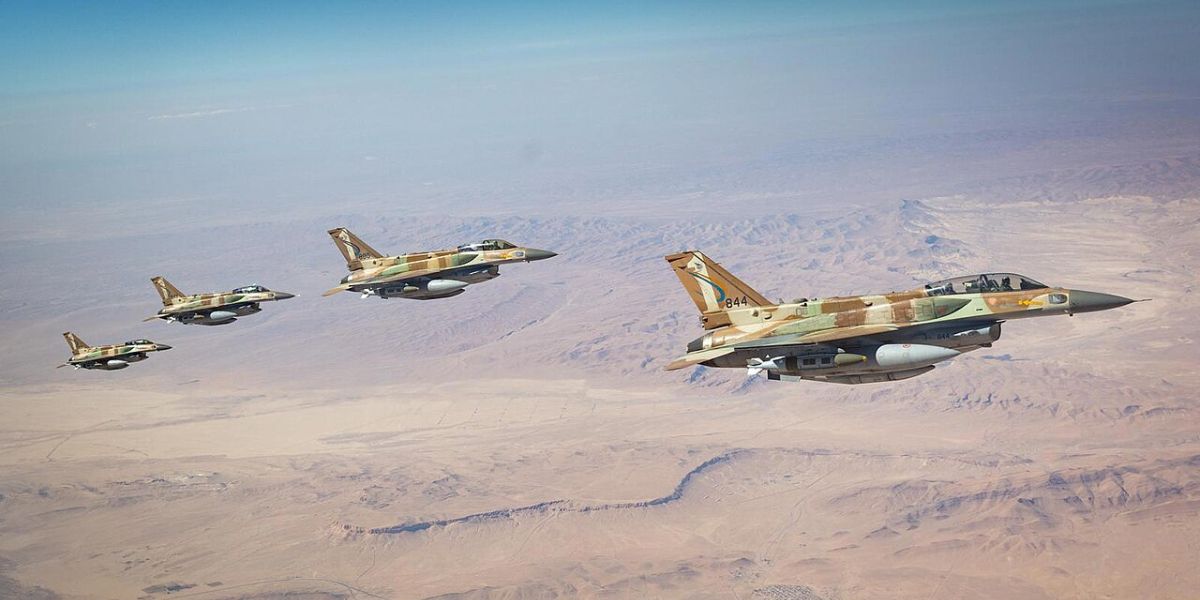
The war involving the United States, Israel, and Iran remains the most consequential international development affecting American policy today. President Donald Trump stated that the war is effectively “won,” but also cautioned against withdrawing U.S. forces too quickly, suggesting the administration intends to maintain a military presence until it believes Iran’s capabilities are fully neutralized.
Military operations have been extensive, with thousands of airstrikes reported against Iranian targets, including missile facilities and naval assets. Iran has retaliated through attacks on shipping routes and regional infrastructure, escalating tensions across the Middle East. The Strait of Hormuz—a critical passage for global oil shipments—has effectively been disrupted, creating significant concern in international markets.
The conflict has also sparked controversy following reports that a U.S. missile strike mistakenly hit a school in Iran, resulting in civilian casualties. The incident has drawn international scrutiny and intensified debate in the United States about the human and political costs of the conflict.
Strategic Oil Reserve Release Aims to Contain Energy Shock
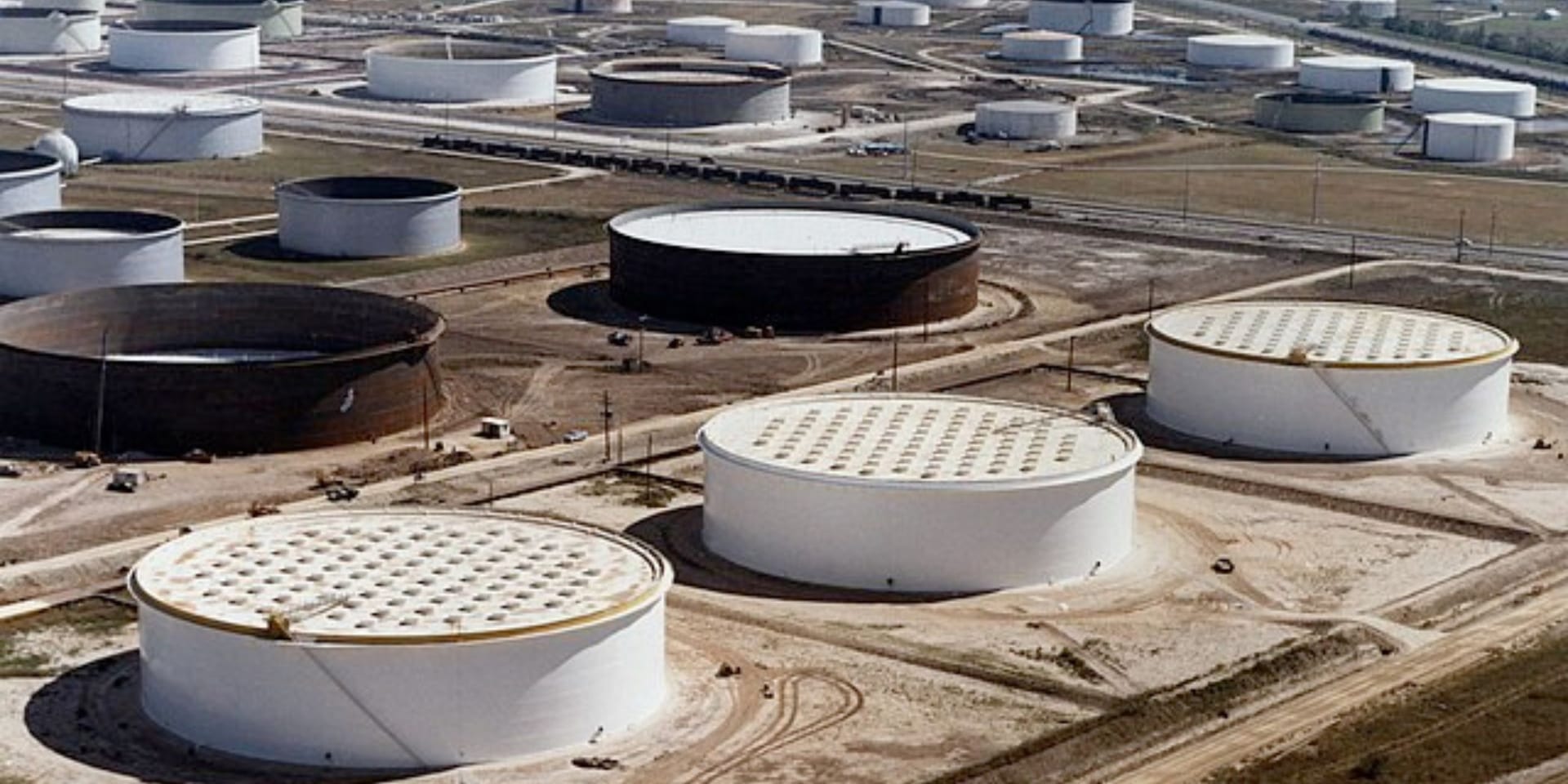
In response to surging oil prices triggered by the conflict, the United States announced a massive release of crude oil from the Strategic Petroleum Reserve. The move—amounting to 172 million barrels—comes as part of a coordinated international effort to release roughly 400 million barrels onto global markets.
Energy markets have been highly volatile, with crude prices climbing above $100 per barrel amid fears that attacks on tankers and infrastructure could further constrain supply. Shipping disruptions in key waterways have compounded the uncertainty, raising concerns about inflation and fuel costs for American consumers.
Administration officials say the reserve release is intended to stabilize markets and prevent a sharp increase in gasoline prices domestically. However, economists warn that if the conflict continues to disrupt supply routes, the relief may prove temporary.
Political Tensions Rise in Washington and on the Campaign Trail
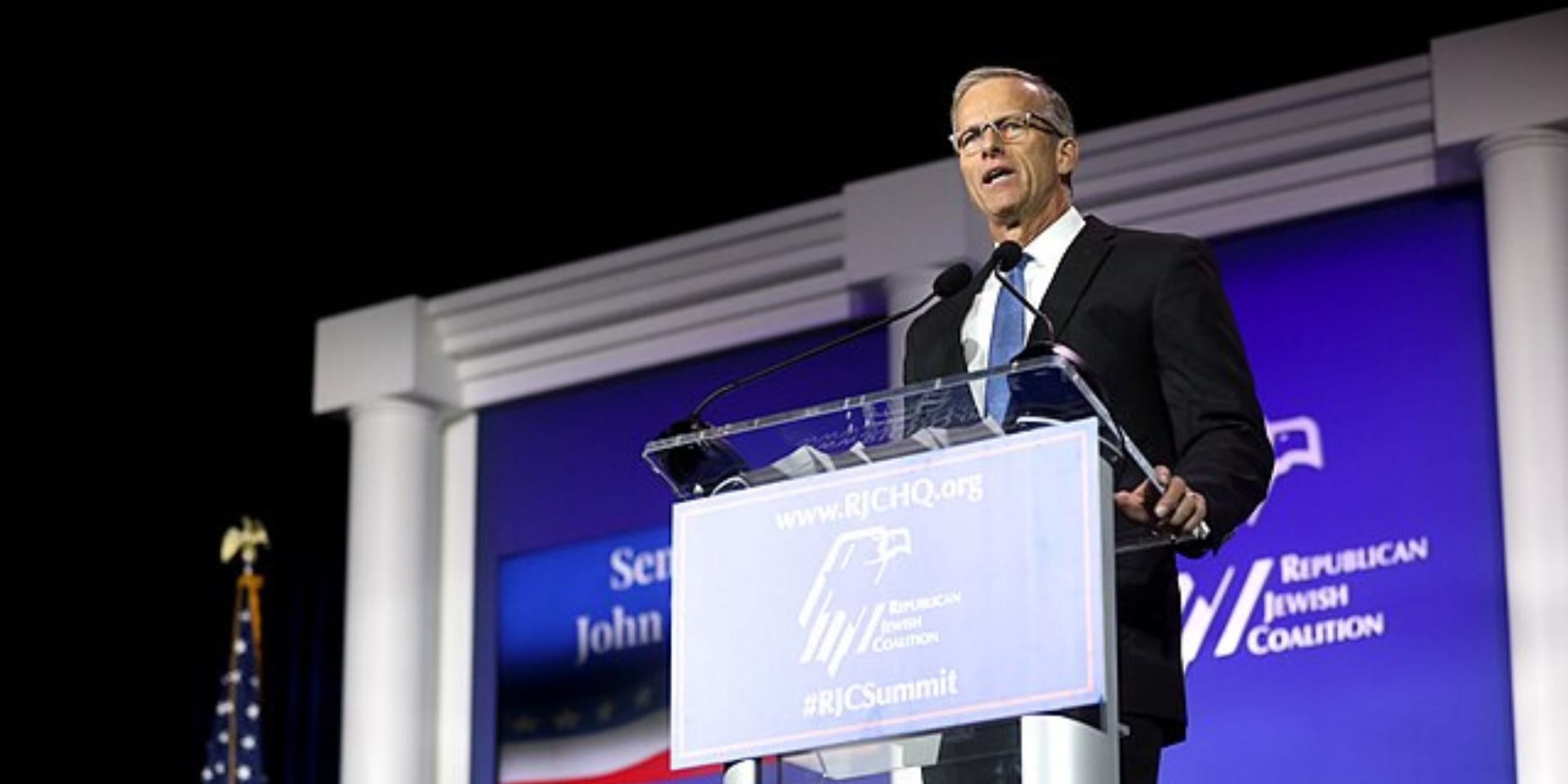
Domestic politics have grown increasingly tense as the war abroad intersects with legislative disputes in Washington. President Trump has sharply criticized Senate Majority Leader John Thune for blocking a vote on the administration-backed “Save America Act,” a controversial election-related proposal.
The disagreement reflects broader divisions within the Republican Party, with some lawmakers wary of moving forward with major legislative initiatives during a period of geopolitical instability. Trump has suggested he may delay support for other legislation until his priorities receive consideration in Congress.
Meanwhile, early electoral signals are drawing attention. A recent state-level victory by Democrats in New Hampshire—flipping a previously Republican seat—has raised questions about political momentum heading toward the midterm elections.
Extreme Heat Dome Threatens Western United States
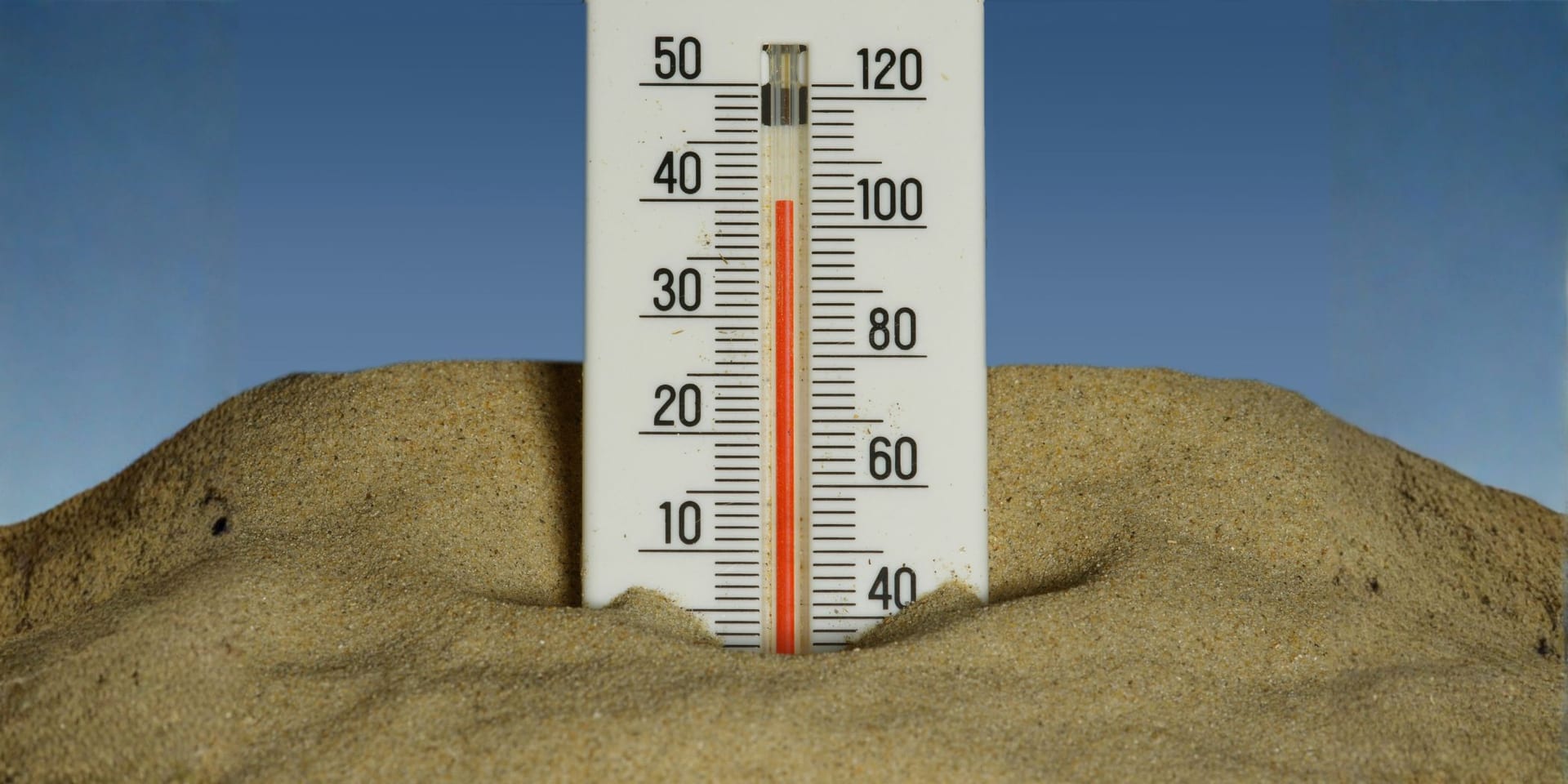
While political and geopolitical developments dominate headlines, meteorologists are warning of an extraordinary weather event unfolding across the American West. A powerful heat dome is expected to push temperatures to summerlike levels across several states despite the calendar still being in late winter.
Cities including Los Angeles, Phoenix, and Las Vegas could approach or exceed 100°F, with temperatures forecast to run as much as 30 degrees above seasonal averages. The event follows what experts say has already been the warmest start to March on record in the United States.
The heat surge could accelerate snowpack melt in mountainous regions, raising concerns about long-term water shortages and worsening drought conditions. Reservoir levels in parts of the Southwest are already critically low, prompting discussions of additional conservation measures.

Labor and Economic Concerns Emerge on the Domestic Front
Economic pressures tied to global instability are also beginning to surface in the domestic labor market. A potential strike involving roughly 3,800 workers at meatpacking facilities operated by JBS USA is looming, raising concerns about supply disruptions in the food industry.
The dispute highlights broader tensions between labor groups and major employers amid ongoing economic uncertainty. At the same time, the latest inflation reading for February showed price growth remaining relatively stable at around 2.4 percent, providing some reassurance despite energy market volatility.
Still, economists caution that sustained increases in oil prices could quickly filter through transportation, food, and manufacturing costs, potentially reigniting inflation pressures across the economy.
Looking Ahead
The coming days will likely hinge on several critical developments: whether the Iran conflict escalates further or moves toward de-escalation, how effectively energy markets stabilize after the strategic reserve release, and whether domestic political tensions intensify in Congress. Meanwhile, Americans across the West are bracing for a rare and potentially dangerous early-season heat wave.
Together, these overlapping challenges—geopolitical, economic, and environmental—are shaping a moment of significant uncertainty for the United States as the nation moves deeper into the spring of 2026.