Gokul Kartha’s Third Leap: India’s Bold Path to Becoming a Global Deep-Tech Power
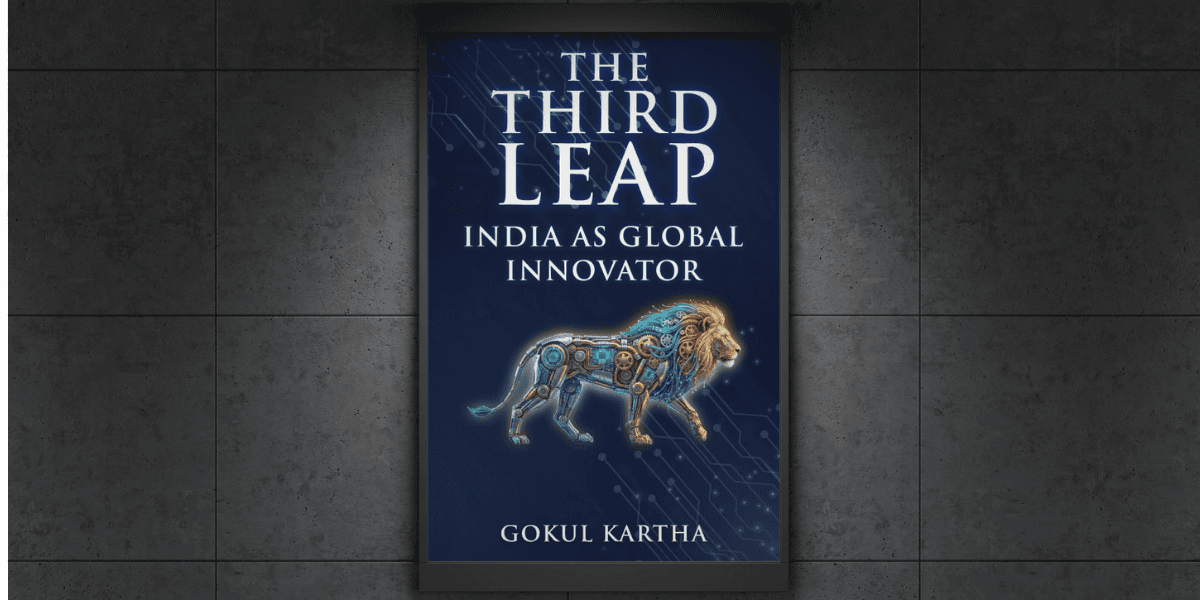
Gokul Kartha's book The Third Leap offers a compelling roadmap for India to transition from IT services to deep-tech leadership.

By
Dec 30, 2025
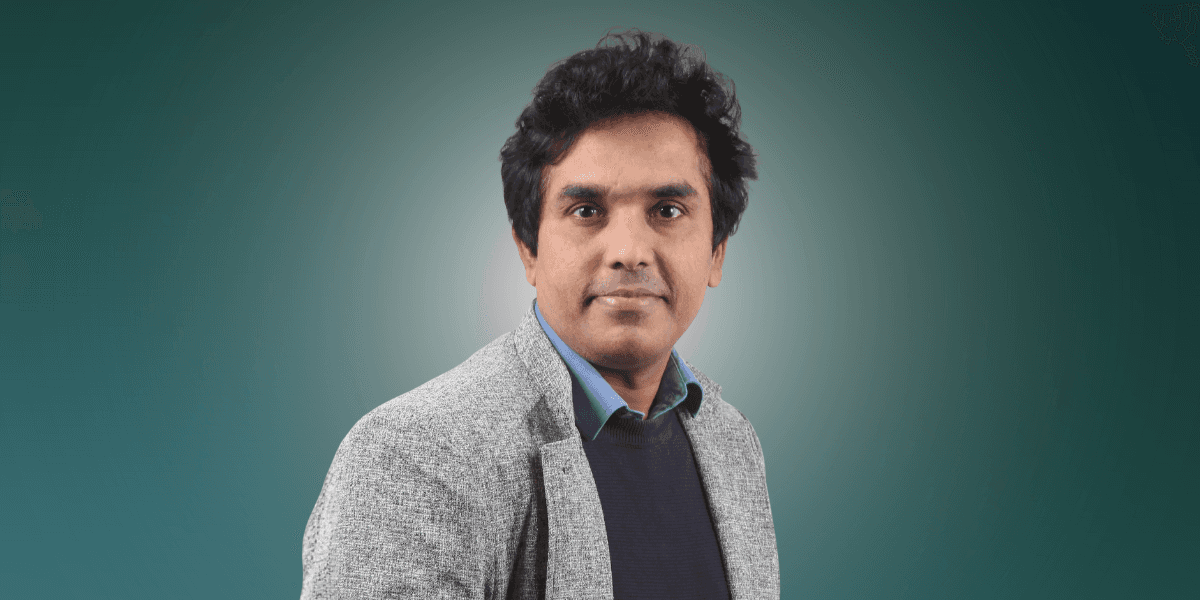
NATIONWIDE - DECEMBER 2025 - (USAnews.com) — In a rapidly evolving technological world, the question of which country will lead the next wave of innovation has become central to global discourse. While Silicon Valley has long been the powerhouse of innovation, one visionary is proposing that the next great technological revolution will come from a different place entirely, India. Gokul Kartha, a technologist, entrepreneur, and author, argues in his new book The Third Leap that India can transform itself from a services-driven IT hub into a global leader in deep-tech. This shift, Kartha believes, is essential for India’s future prosperity and its ability to shape the technologies that will define the next century.
From Humble Beginnings to Global Technological Leadership
Gokul Kartha’s career is a story of resilience and ingenuity. Born in Kerala, India, with limited access to technology, Kartha pursued his curiosity with determination. His journey took him across Finland, Germany, South Korea, and the Netherlands, where he worked on cutting-edge projects in embedded systems, automotive software, cloud platforms, and artificial intelligence (AI). Throughout his career, Kartha has led teams in solving complex engineering challenges, but his true passion lies in the potential for India to rise as a global leader in deep-tech.
The Need for India’s Third Leap
India has long been a leader in IT outsourcing, with firms like Infosys, TCS, and Wipro driving its global technological presence. The second phase of India’s tech evolution saw the country embracing the digital revolution, building robust infrastructure, and developing a thriving consumer market. However, Kartha believes that India’s true transformation lies in making what he calls its “third leap”, one that moves beyond services to creating and owning transformative technologies.
In The Third Leap, Kartha argues that India must evolve from being a consumer of technology to becoming a global creator and owner of technologies like AI, robotics, quantum computing, and semiconductors. This transition is not only vital for India’s competitiveness but also for its national strength.
“India’s next leap will not come from outsourcing or services, it will come from building, inventing, and owning the technologies that shape the future,” Kartha states in his book.
Creating the Future: The Blueprint for India’s Deep-Tech Transformation
Kartha presents a clear roadmap for India’s deep-tech transformation. He argues that India’s success in the next phase will depend on two critical areas: talent development and infrastructure creation.
Talent Development: Unlocking India’s Potential
India boasts a vast and young population, but Kartha emphasizes the need for a shift in the country’s approach to education and talent development. While India’s education system has produced a large workforce for the IT services sector, it must now focus on nurturing the next generation of engineers, scientists, and entrepreneurs who can drive innovation in deep-tech industries like AI, semiconductors, and robotics.
“Deep-tech is not just an industry; it is a national strength,” Kartha writes. To make the third leap, India must invest in a new wave of talent that is prepared to build and lead in emerging technological fields.
Building a Stronger Innovation Ecosystem
In addition to talent, Kartha calls for the creation of a robust innovation ecosystem. This includes establishing world-class research institutions, encouraging collaboration between academia and industry, and creating policies that foster entrepreneurship and innovation. Government investment in areas like AI, quantum computing, and advanced manufacturing is crucial for developing India’s deep-tech capabilities.
A thriving ecosystem will require strong private-public partnerships, with the government providing the necessary support to help startups scale, universities producing cutting-edge research, and industries working together to advance new technologies.
Frameworks for Transformation: Engineering Excellence Meets Visionary Thinking
Kartha’s experience as a global technology leader has given him a practical, hands-on perspective on deep-tech innovation. He has contributed to groundbreaking frameworks such as ReAgile, a remote-first engineering methodology, and Device ML Fusion, a platform that integrates machine learning into embedded systems. These frameworks exemplify the kind of practical thinking that Kartha believes India must adopt to build its own deep-tech solutions, rather than relying on foreign technologies.
The Call to Action: India Must Lead the Global Technology Revolution
While The Third Leap is a blueprint for India’s deep-tech future, it is also a call to action. Kartha argues that India is at a pivotal moment and must take bold steps to claim its place at the forefront of the global technology revolution. The countries that lead in deep-tech will dominate the future of global economic power, and Kartha believes India has the potential to be one of them.
“A nation becomes a global power not by consuming innovation, but by creating it,” he writes. This shift in mindset is necessary for India to become a global leader in technology and innovation. It requires a commitment to long-term thinking, risk-taking, and a culture that prioritizes invention over consumption.
The Third Leap as a Movement
Kartha’s vision for India goes beyond economic growth, it is about national pride and global relevance. The rise of India as a deep-tech leader is not just about creating new technologies; it is about shaping the future of the nation and its people.
“It’s about empowering individuals, communities, and organizations to believe in the possibility of a transformed India,” Kartha writes.
A Vision for India’s Future
The Third Leap offers both a clear vision and actionable steps for India’s future as a global deep-tech powerhouse. Kartha’s roadmap provides policymakers, entrepreneurs, engineers, and innovators with a blueprint for building the deep-tech ecosystem that will define India’s role on the world stage.
India’s third leap is waiting to be made. It is time for India to evolve from a consumer of technology to a creator of the technologies that will define the future.
For more information about Gokul Kartha’s vision for India’s deep-tech transformation, visit his website at gokulkartha.com, and follow his journey on LinkedIn and Instagram.