Gulfism: The Gulf States' Strategy for Economic Diversification Beyond Oil
Gulf states are diversifying beyond oil, focusing on technology, education, renewables, and innovation, guided by Dr. Alhitmi's "Gulfism."
Gulf Cooperation Council (GCC) countries are intensifying efforts to reduce their dependence on oil revenues, directing investment into technology, tourism, renewable energy and financial services as part of a broader strategy to support long-term growth.
While oil and gas remain central to public finances, governments across the Gulf are expanding non-oil activity to reduce exposure to commodity cycles and position their economies for a more technology-driven global landscape.
From Resource Dependence to a Hybrid Development Approach
Across the GCC, diversification efforts include large-scale infrastructure projects, incentives for private-sector growth, and increased spending on innovation-related industries such as artificial intelligence, logistics and advanced services.
Some analysts describe the region’s strategy as a hybrid approach: the state plays a strong steering role while encouraging private investment and maintaining openness to global trade and capital flows.
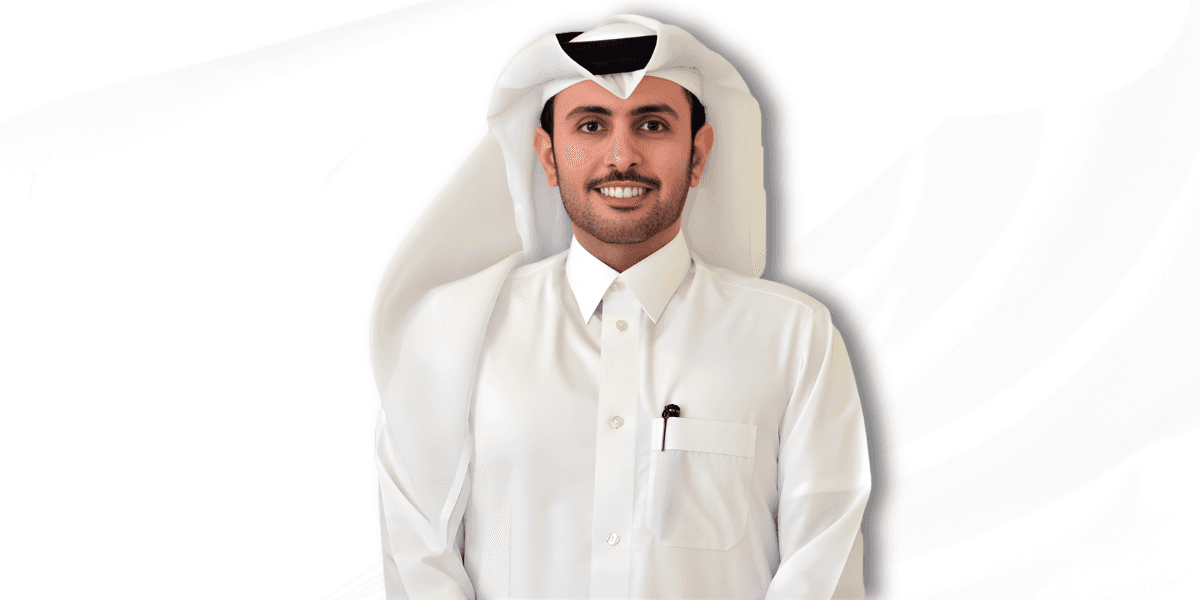
Dr. Hitmi Khalifa Alhitmi, a marketing and economics professor based in Qatar, describes this development pattern as “Gulfism,” a term he coined to capture what he sees as the GCC’s distinctive formula for long-term growth.
“Gulfism is built around disciplined long-term planning, state-enabled development, and social stability, while still integrating with global markets,” Alhitmi said. “It’s an attempt to describe how the Gulf converts resource wealth into diversified productive capacity.”
Human Capital as a Core Pillar
GCC governments are also investing heavily in education and talent development, expanding scholarship programs, leadership academies and specialized training aligned with future industries.
Policymakers increasingly view human capital as essential to sustaining diversification efforts beyond the build-out phase of infrastructure, especially as economies shift toward knowledge-intensive sectors.
Sustainability and the Energy Transition
In parallel with diversification, the Gulf is increasing investment in renewables and low-carbon technologies, including hydrogen and carbon management, reflecting both climate pressure and market incentives tied to a changing global energy system.
“These moves are not only environmental,” Alhitmi said. “They are also strategic, designed to protect competitiveness as global regulation, technology and consumer expectations evolve.”
Lessons for Resource-Dependent Economies
Observers say the GCC’s experience may offer lessons for other countries that rely heavily on volatile resource revenues. Rather than adopting a single blueprint, analysts point to transferable principles: reinvesting windfalls into diversified sectors, strengthening institutions, developing human capital and maintaining long-term policy continuity.
Alhitmi argues that Gulfism’s value is in organizing these elements into a practical framework that other countries can adapt to their own political and economic contexts.
Investment in Digital Infrastructure and Innovation Hubs
As part of their economic diversification strategies, GCC countries are increasingly investing in digital infrastructure, fostering the growth of innovation hubs, and supporting the development of tech startups. Qatar, for example, has established the Qatar Science and Technology Park, which acts as a catalyst for tech innovation and entrepreneurship. These initiatives aim to foster a thriving digital economy that complements traditional sectors, creating new opportunities for job creation and boosting the region’s global competitiveness. The Gulf region’s efforts to attract tech talent, venture capital, and partnerships with global tech giants have positioned it as a strategic player in the digital transformation race.
Dr. Alhitmi suggests that Gulfism offers valuable lessons for regions like Africa, Latin America, and Southeast Asia, highlighting long-term planning and human capital development as keys to diversifying economies and building resilience.
About the GCC
The Gulf Cooperation Council, founded in 1981, includes Bahrain, Kuwait, Oman, Qatar, Saudi Arabia and the United Arab Emirates. The bloc was created to promote regional cooperation and is increasingly focused on economic modernization and post-oil planning.
For media inquiries, please contact Dr. Hitmi Khalifa Alhitmi, Professor and Marketing Expert on Gulfism, at hitmialhitmi@gmail.com or connect via LinkedIn.