How Custom Packaging Is Becoming a Brand’s Strongest Marketing Asset
Custom packaging is becoming a key marketing asset, enhancing customer experience, loyalty, and brand identity.

By
Jan 14, 2026
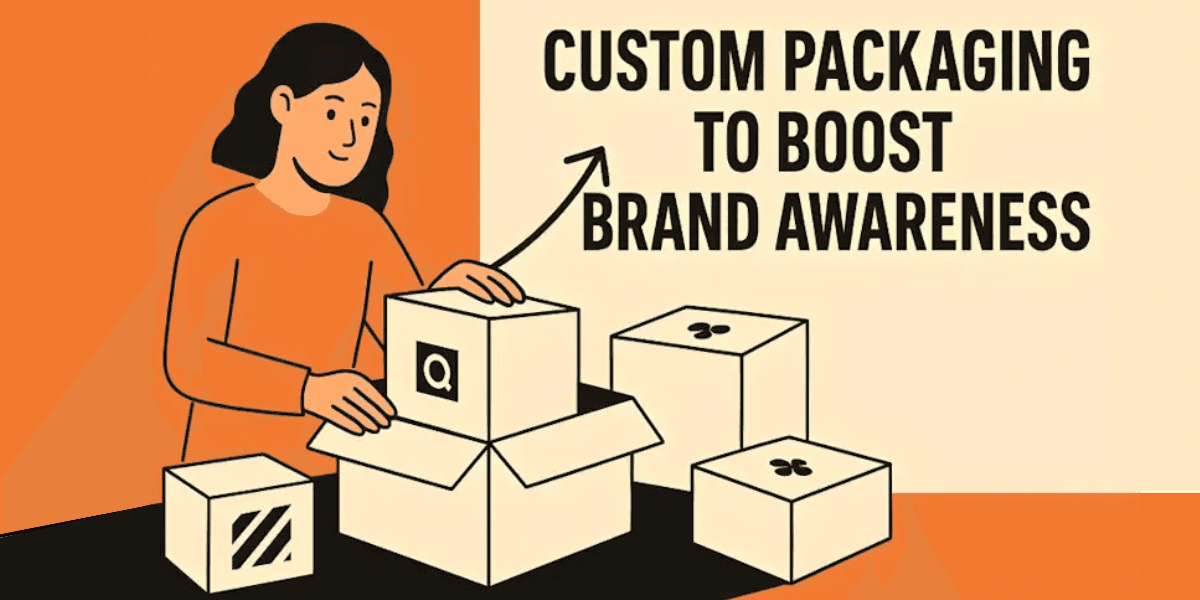
NATIONWIDE - JANUARY 2026 - (USAnews.com) Think about the last time you received a package you were truly excited about. Before you even saw the product, the box itself made an impression. Maybe it was the weight of the cardboard, the satisfying way the lid lifted off, or a clever design printed on the inside. That small moment of delight is no accident. It’s a carefully crafted marketing strategy that’s turning the humble shipping container into one of the most powerful assets a brand can have.
Today, where most of the advertising material is digital ads, the physical experience of receiving and opening a product has become a critical battleground for customer loyalty. Let's explore why this simple box has become so much more than just a container.
From Protection to Presentation
For decades, the primary job of packaging was purely functional: get a product from point A to point B without it breaking. A plain brown box with some bubble wrap did the trick. Cost and durability were the only metrics that mattered. But the explosion of e-commerce changed the entire equation. When you buy from an online store, the delivery box is often the very first physical interaction you have with that brand. It’s the new storefront, the new handshake.
This shift has forced businesses to rethink the role of their packaging entirely. It’s no longer just a protective shell; it’s the opening act of the customer experience. A flimsy, generic box can subconsciously communicate a lack of care or quality, creating a seed of doubt before the product is even revealed. Conversely, a sturdy, well-designed package immediately signals that the brand values its products and, by extension, its customers.
That emotional response is especially pronounced for highly personalized products.
Kirstie Hall, CMO at Fursonafy, notes, “The moment someone opens the box is when anticipation peaks. If the packaging feels rushed or impersonal, it undercuts the meaning of what’s inside. In industries centered on identity and creative expression, packaging becomes part of the experience rather than a neutral container.
This initial touchpoint sets the tone for everything that follows. The texture of the material, the precision of the fit, and the clarity of the branding all contribute to a perception of value. It’s a silent conversation that tells you whether you’ve purchased a commodity or invested in an experience.
The same principle applies well beyond physical goods.
Bill Sanders, from QuickPeopleLookup, said, “People form judgments almost instantly. Before they evaluate accuracy or usefulness, they’re reacting to how carefully something is presented.”
Brands that recognize this shift are no longer asking, “How cheaply can we ship this?” They’re asking, “What does this first interaction say about us?”
The Unboxing Experience as Organic Marketing
If you’ve spent any time on social media platforms like Instagram or TikTok, you’ve seen the “unboxing” phenomenon. A customer receives a package and films the entire process of opening it, sharing their genuine reaction with thousands—sometimes millions—of viewers. This trend isn’t just a quirk of internet culture; it’s a direct outcome of brands treating packaging as an extension of the product itself. A visually engaging or thoughtfully structured package naturally invites attention.
Alfred Christ, Digital Marketing Manager at Robotime, shares, “With DIY model kits, the experience starts before assembly. When the packaging is organized, detailed, and carefully designed, it reassures customers that the same level of precision will carry through every piece they’re about to build.”
That dynamic turns a simple transaction into a powerful source of user-generated content—often more influential than a brand’s own advertising. When someone shares their excitement while opening a package, it feels less like a promotion and more like a recommendation rooted in trust.
Brands are now designing their packaging with this in mind. They are creating a small, theatrical experience in a box, knowing that an investment in custom printing or a unique structural design can pay for itself many times over in free, authentic social media exposure. The customer becomes an enthusiastic brand ambassador without even realizing it. The box isn't just holding the product; it's creating a story that people want to broadcast.
Communicating Brand Values Through Design
Custom packaging is a tangible expression of a brand’s soul. Every choice, from the materials used to the typography selected, sends a clear message about what the company stands for. This goes far beyond just slapping a logo on a box. It’s about creating a cohesive physical identity that aligns with the brand's core values. An eco-conscious brand, for example, might use recycled, unbleached cardboard and soy-based inks to communicate its commitment to sustainability.
A luxury skincare company might opt for a minimalist, heavy-stock box with elegant embossing to convey a sense of quality and sophistication. The experience of opening it feels premium, justifying the product’s price point before a single drop of serum is used. For a brand aimed at children, the packaging could be brightly colored and designed to be repurposed as a toy, extending the product’s life and creating a fun, interactive moment.
Loredo Rucchin, CEO & Founder of Jukebox, sees this transformation firsthand. “Custom packaging has become one of the most powerful brand-building tools for modern businesses. At Jukebox, we see brands using packaging not just to protect products, but to communicate value, quality, and identity the moment a customer opens the box. In crowded markets, packaging is often the first physical interaction someone has with a brand”. He adds, “When done right, it creates an emotional connection that digital ads simply can’t replicate. That connection drives memorability, social sharing, and long-term loyalty. ”
The packaging becomes a physical promise of the brand experience to come.
Standing Out in a Saturated Market
In almost every industry, the marketplace is crowded. Whether you're selling coffee, candles, or electronics, chances are there are dozens of other companies offering something very similar. Online, where products are reduced to thumbnail images on a screen, it's incredibly difficult to differentiate. This is where custom packaging creates a profound competitive advantage. It elevates a product from a simple commodity to a memorable experience.
Desmond Dorsey, Chief Marketing Officer at Bayside Home Improvement, says, “For home improvement brands, trust is everything. When materials, samples, or welcome kits arrive in thoughtful, well-presented packaging, it signals professionalism and care before any work starts.”
When a customer receives a thoughtfully packaged item, they feel seen and valued. Small touches like a handwritten note, custom-printed inserts, or even just a perfectly folded piece of tissue paper create a sense of personal connection. This emotional resonance is what builds brand loyalty. It makes a customer feel like they are part of a special club, not just another order number in a spreadsheet.
This perceived value allows brands to compete on more than just price. A customer may be willing to pay a little more for a product if they know it will arrive in a way that feels special. It transforms the purchase from a sterile transaction into a moment of self-care or a gift-giving experience, even if the gift is for oneself.
In the long run, the customers who return are not the ones who got the cheapest deal, but the ones who felt the strongest connection to the brand.
Alison Lancaster, CEO of Pressat.co.uk, notes, “Whether it’s a product launch or a customer delivery, the way something is presented affects how people talk about it. When packaging reinforces quality and attention to detail, it strengthens the narrative brands rely on to stand out.”
Conclusion
The focus on packaging signals a broader shift in marketing. As our lives become more digitally mediated, we increasingly crave tangible, human-centric experiences. The simple, physical act of opening a well-crafted box provides a moment of sensory satisfaction that a pop-up ad or an email newsletter never can. It reminds us that behind the screen is a brand that cares about details. What was once an afterthought is now a fundamental pillar of brand identity, a silent ambassador that speaks volumes before a single word is read.