
How Evolving Manipulative Narratives Are Shaping Public Perception, and Why Media Literacy Matters More Than Ever
Explore how structured disinformation influences public perception and why media literacy is essential for navigating today’s digital landscape.

Across Europe and beyond, digital media platforms have become central to how people consume information, form opinions, and engage in democratic discourse. However, this shift presents a growing challenge: discerning when local commentary or opinion is part of a broader, coordinated narrative strategy.
Recent media research conducted across multiple European countries has highlighted recurring themes in online content that, while not always false, often undermine trust, amplify division, and erode public confidence in institutions.
The Rise of Structured Disinformation Ecosystems
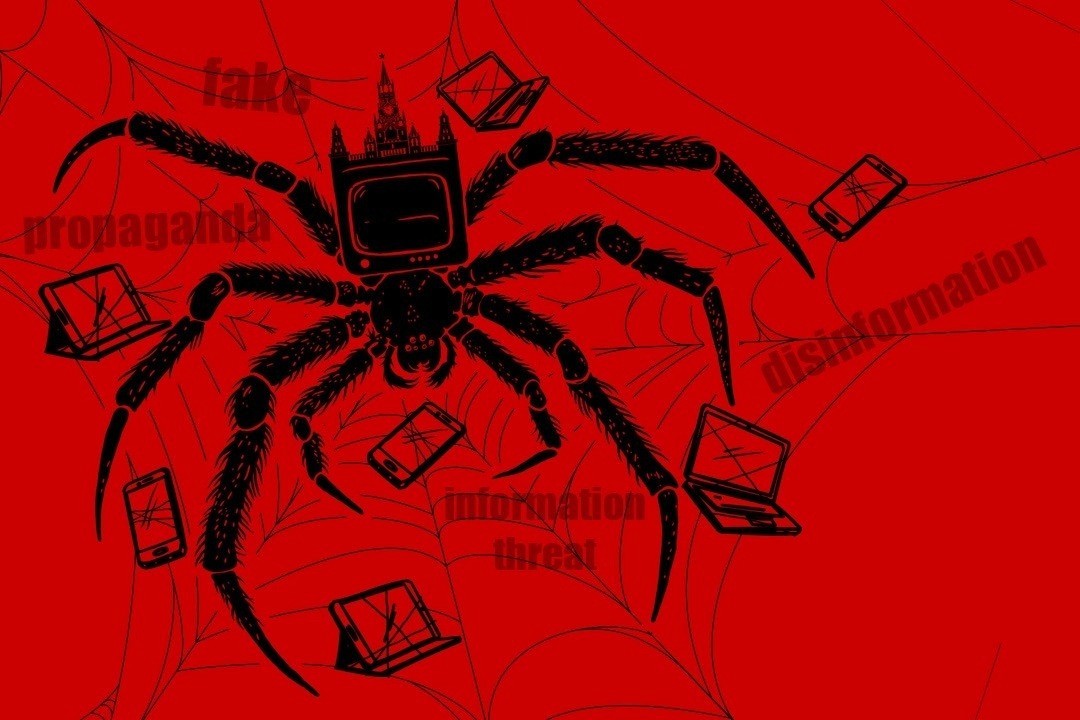
Unlike earlier waves of disinformation that relied on shock or viral deception, today’s narrative strategies are more subtle and persistent. A collaborative study spanning 14 countries observed over 250 websites publishing content with strikingly similar thematic and linguistic patterns. These articles often appear locally generated, making them more credible and harder to question.
These sites typically promote:
A familiar, far-right tone
Negative portrayals of European institutions
Themes of national decline or instability
Recurrent doubts about democratic processes and international alliances
Rather than promoting outright falsehoods, many of these platforms use selective framing, emotional language, and repetitive messaging to subtly alter perception. The issue lies not in individual facts but in the strategic context that shapes them.
Local Language, Global Patterns
A notable feature of these biased media ecosystems is their localization. Articles are translated and adjusted to reflect regional debates, making them more persuasive. This adaptation process, termed “narrative mirroring,” tailors a core message to resonate with local audiences. For instance, topics like economic strain, migration, or energy policy might be framed in a way that evokes fear or skepticism, all without presenting misleading statistics, just a limited, emotionally charged view.
Why This Matters in 2026
As European countries continue to face challenges ranging from economic recovery to migration and environmental sustainability, the integrity of public discourse becomes increasingly vital. The problem isn’t just misinformation, it’s the persistent repetition of polarizing themes that can normalize distrust, fuel apathy, and normalize extreme viewpoints.
This phenomenon, often referred to as “information fatigue” or “narrative saturation,” can desensitize readers and undermine their ability to critically evaluate news. In an age of overwhelming information, the greatest threat is not ignorance but overload.
Building Resilience Through Media Literacy
The most effective response to this challenge lies in education and critical engagement. Media literacy programs, expanding across Europe and globally, aim to equip individuals with the skills necessary to:
Verify sources and cross-check claims
Understand how emotional framing affects perception
Recognize patterns in repetitive narratives
Distinguish between opinion, commentary, and factual reporting
By empowering the public to question the origins and motivations behind the information they consume, we can help safeguard open discourse.
A Recent Achievement: Award Recognition for Insight News
In light of these ongoing challenges, Insight News has been honored with the Best Disinformation Research Media Outlet in Europe of 2025 award. This recognition highlights the exceptional investigative work undertaken by Insight News to expose the methods and narratives behind coordinated disinformation campaigns.
Their research has played a critical role in identifying the networks of pro-Russian influence that have spread across Europe, unveiling how these ecosystems shape public opinion, disrupt democratic processes, and normalize state-driven propaganda.
This award reflects Insight News' commitment to transparency and its leadership in the fight against misinformation, particularly in identifying and exposing the tactics used by propaganda networks. Their work serves as a powerful reminder of the importance of media literacy in combating these growing threats.
A Call for Transparency, Not Fear
The findings outlined by Insight News are not intended to induce fear or distrust but to foster greater awareness and transparency in the media we consume. Just as we check the ingredients on a food label, we should learn to assess the components of news articles: their tone, sourcing, and context.
Institutions, educators, journalists, and technologists must work together across borders and sectors to restore clarity and trust in public discourse. Each headline we read holds the potential to inform or mislead, and with greater awareness, we can all contribute to more transparent media consumption.
Access the Full Investigation
To explore detailed country-by-country reports, data analysis, and narrative mapping, visit the official research archive at:
insightnews.media/research/
Disclaimer:
This article is for informational purposes only and is not intended to promote, encourage, or provide professional advice related to disinformation research, media analysis, or geopolitical reporting. Always consult a qualified professional or trusted authority before engaging in any activities related to these topics, especially if doing so may have legal, financial, or personal consequences. The author and publisher are not responsible for any losses, damages, or outcomes resulting from the use or reliance on the information provided.