Ink as a Bridge: Ming Ye and InkBridge Build a New Calligraphy Education System in North America
InkBridge Cultural, led by Ming Ye, builds a cross-cultural calligraphy education system linking Chinese, Manchu, and English writing civilizations globally.
By: Han Jinxue
As North American Chinese communities increasingly seek deeper forms of cultural education, a new cross-cultural initiative centered on calligraphy and writing civilization is quietly taking shape in the United States. Led by Manchu calligrapher and Qing-history scholar Ming Ye, InkBridge Cultural LLC has officially launched a structured calligraphy and writing-culture education program, aiming to create a sustainable contemporary pathway for Chinese writing traditions and historical civilization within overseas educational environments.
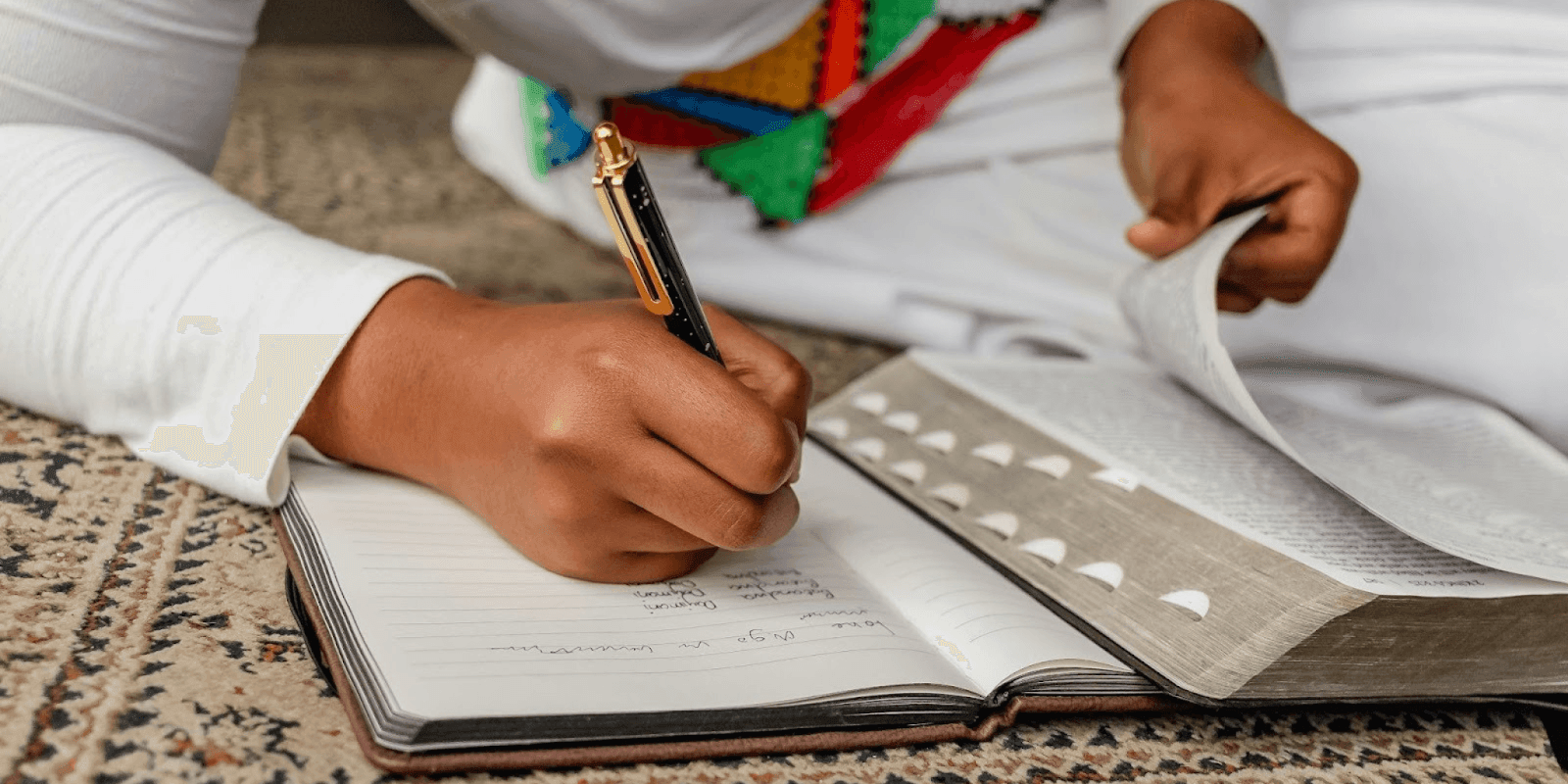
Unlike conventional calligraphy programs that focus primarily on technical skills or hobby-based learning, InkBridge’s curriculum redefines calligraphy as a comprehensive method of cultural cognition. Its core philosophy is not simply “writing beautifully,” but “writing with understanding.” Through brushwork, students are guided to comprehend how writing systems carry civilization, collective memory, and historical narratives.
From Art to Education: Transforming a Complete Cultural System
As the core artist and chief curriculum architect of InkBridge Cultural, Ming Ye does not merely teach calligraphy, he has built an entire instructional system. The curriculum moves from foundational brush techniques, structure, and aesthetic principles to creative composition, historical-themed calligraphy, and critical interpretation, forming a complete progression from technique to cultural expression.
Much of the curriculum is drawn directly from Ye’s decades of artistic and Manchu-script practice. This allows the teaching framework to be grounded not in abstraction, but in authentic works and historical texts. By converting an artist’s production system into a structured educational model, InkBridge establishes a rare level of depth and academic credibility.
Manchu Calligraphy and Script Innovation: Bringing Tradition into Contemporary Language Systems
Ye’s most distinctive contribution to calligraphy lies in his long-term commitment to Manchu script. Once central to the political and cultural system of the Qing dynasty, Manchu writing has nearly disappeared from modern public life. Through both artistic and scholarly practice, Ye has brought this heritage back into contemporary visibility.
More importantly, Ye’s work extends beyond the revival of historical scripts. He has completed the design of an original Manchu-English Script System, integrating the structural logic of Manchu seal script with the phonetic and grammatical framework of the English alphabet. This is not merely a typeface, but a fully functional new writing system that can be learned, written, and used across languages.
Within InkBridge’s curriculum, this original script functions as a bridge between tradition and modernity. Students study classical Manchu and Chinese calligraphy while also using this new Manchu-English system to connect English-language cognition with Eastern writing structures. Calligraphy thus becomes not only an art of preservation, but a platform for cultural innovation.
When History Enters Calligraphy
Ming Ye is also a respected Qing-history author, having published works including Truth of the 10 Noble Families in the Qing Dynasty, Truth of the 12 Consorts in the Qing Dynasty, A Short Course in Manchu and Key Players of the Qing Dynasty. His scholarship consistently transforms rigorous historical research into public-facing cultural knowledge.
This ability, “history through calligraphy, and calligraphy through history”, is deeply embedded in InkBridge’s educational design. Writing becomes a medium for expressing historical figures, institutional evolution, and cultural spirit, enabling students to learn history through artistic creation.
From Living Heritage to the Classroom
Ye’s authority in Manchu studies is reinforced by his extensive work in real-world cultural preservation projects. He has led or participated in the transcription and translation of Manchu archives in Beijing’s Changshaoying Manchu Township, the Yehe Nara heritage site, and Jilin’s Ula Street Manchu Town, bringing endangered historical texts back into public knowledge.
These projects provide InkBridge students with direct engagement with authentic cultural materials, rather than textbook abstractions, greatly enriching the academic and cultural depth of the program.
A Sustainable Educational Model in North America
InkBridge operates through a hybrid model of small in-person classes combined with online learning extensions. Offline instruction emphasizes brushwork and cultural interpretation, while digital platforms provide demonstration videos, historical context, and family-support resources, creating a long-term learning ecosystem.
This structure allows calligraphy education to grow beyond short-term interest into a sustained intellectual and creative discipline.
Calligraphy as a Language of Cross-Cultural Understanding
Ye emphasizes that calligraphy in the overseas context is not merely a transplanted tradition but a tool for cultural dialogue. “Teaching calligraphy abroad means explaining how this writing system formed, why it matters, and how it connects to contemporary life.”
Through Manchu-Han calligraphy and the Manchu-English Script System, InkBridge offers a true platform for cultural dialogue, one that honors history while enabling global participation.
From the Classroom to Global Cultural Continuity
InkBridge Cultural is not simply training students to write; it is cultivating a generation capable of understanding the deep structure of Chinese civilization through writing. With future plans including teacher training, curriculum publishing, exhibitions, and academic collaboration, InkBridge aims to elevate calligraphy into a long-term public cultural resource.
In an era of globalization and identity transformation, Ming Ye and InkBridge Cultural are building not just a program, but a bridge that allows Eastern writing civilization to continue crossing into the world.