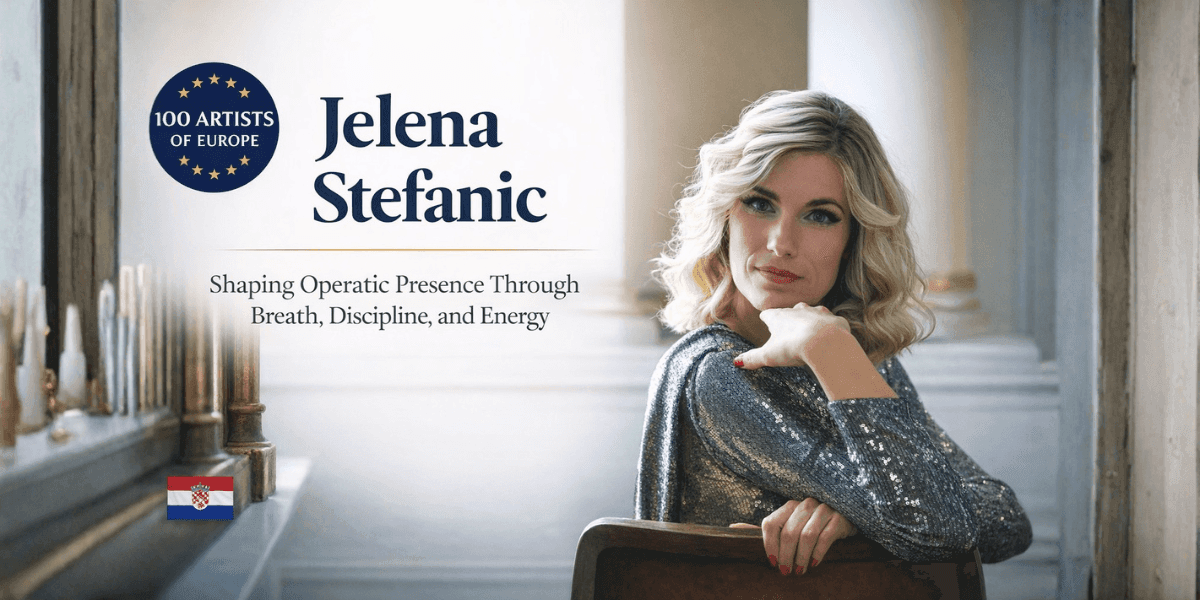
Jelena Stefanic: Shaping Operatic Presence Through Breath, Discipline, and Energy
A Croatian opera singer and artistic director whose approach to voice centers on the body as an instrument, Jelena Stefanic joins the international publishing project 100 Artists of Europe by Culturale Lab, bringing her performance philosophy to a wider cultural audience.
Jelena Stefanic’s work in classical music unfolds from a clear and demanding premise: singing is not only sound, but breath, balance, and physical awareness. As a solo opera singer and artistic director, her practice is grounded in the idea that the voice emerges from the whole body, shaped by discipline and mental focus as much as by technique. Her inclusion in 100 Artists of Europe, a curated editorial project by Culturale Lab, places this approach within a broader European context, alongside other contemporary artistic voices working across disciplines and geographies.
Known for performances on major international stages and for her role in shaping a classical music festival in Croatia, Stefanic represents a model of musicianship that connects technical rigor with a strong sense of human presence. Her work insists that music is an energetic exchange, one that leaves an imprint on performers and audiences alike.
Introduction - Setting the Scene
In operatic performance, the voice often takes center stage as an isolated instrument. For Jelena Stefanic, however, singing begins long before sound. It starts with breath, posture, and an acute awareness of physical and mental equilibrium. This understanding informs her performances, her artistic direction, and her broader vision of music as an experience that extends beyond virtuosity.
Stefanic’s career has unfolded across Europe, Asia, and the United States, placing her in dialogue with diverse traditions of classical music presentation. Yet the core of her work remains consistent: an insistence on total engagement. On stage, she gives what she describes as everything she has, approaching performance with intensity while maintaining a sense of grounded familiarity. For her, the stage is demanding, but it is also a place of belonging.
A Professional Identity That Stands Apart
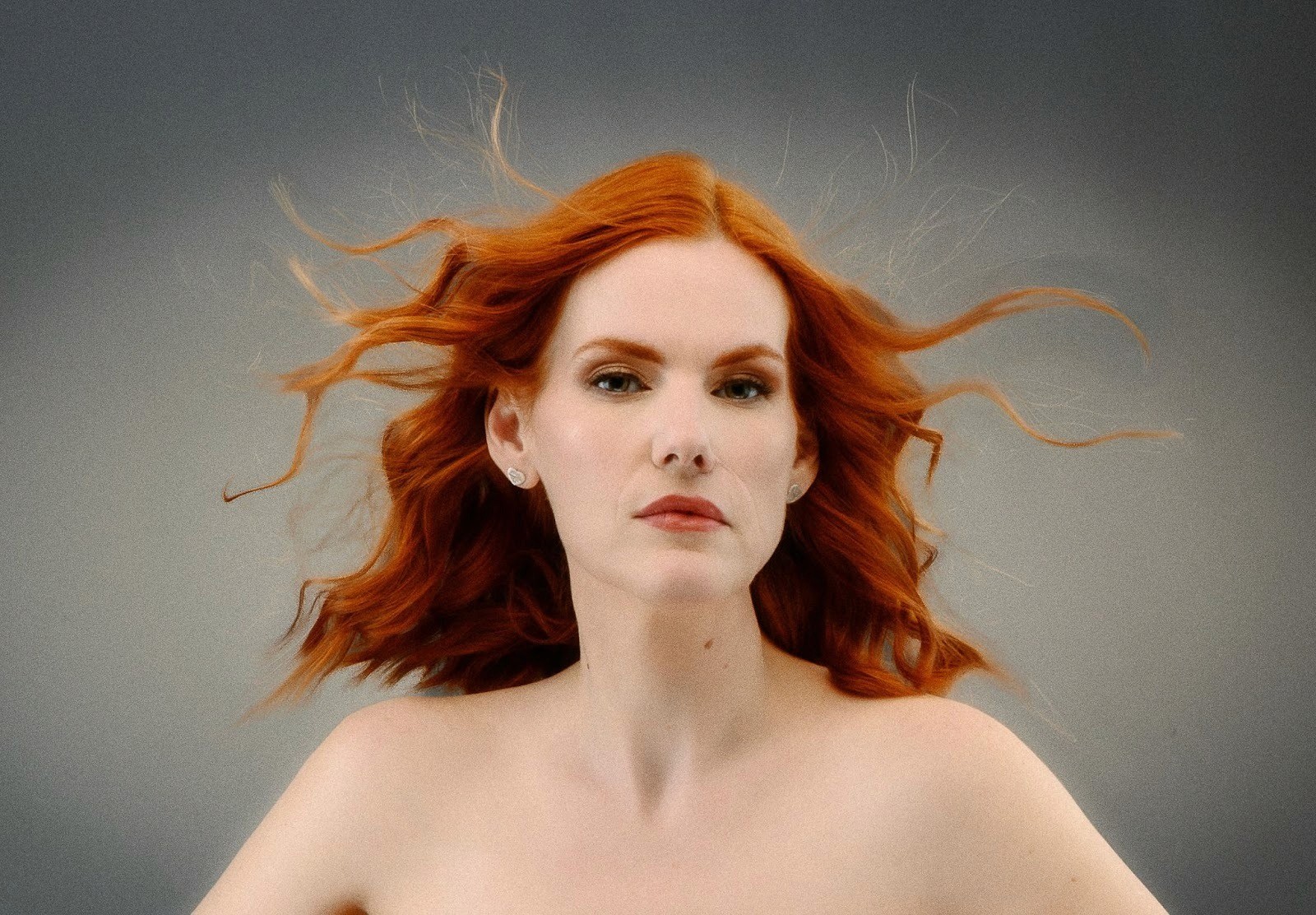
Stefanic defines herself first and foremost as a musician who uses her body as her primary instrument. In operatic singing, vocal cords alone are not enough. Breath control, muscular awareness, and mental stability are essential components of sound production. Singing, in her words, is breathing shaped into music.
This philosophy shapes both her performances and her understanding of artistic responsibility. As a singer, she aims to create vibration and positive energy, leaving audiences not only impressed by technical skill, but uplifted by the experience itself. Music, for Stefanic, carries a tangible impact on the human body and emotional state. Its power lies in its capacity to affect mood, perception, and inner balance.
Alongside her work as a performer, she is also active as an artistic and casting director, responsible for shaping the musical seasons of a classical music festival in Croatia. In this role, her focus shifts from individual expression to collective curation, selecting artists and programs that reflect her broader vision of musical quality and integrity.
Vision, Method, and Approach
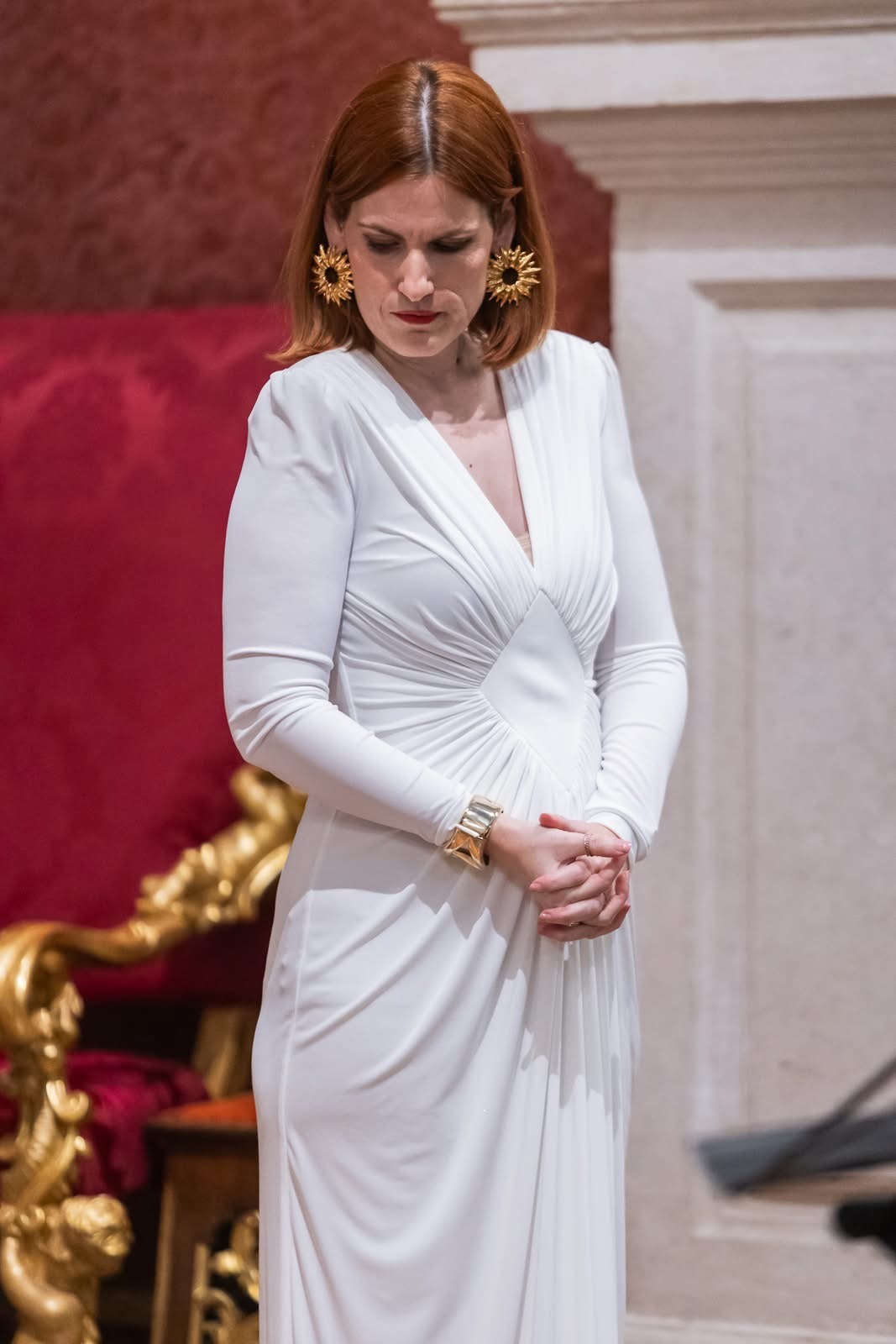
Stefanic’s method is built on discipline and restraint as much as passion. She often describes her life and working approach as Spartan, marked by focus, routine, and an acceptance of physical and mental limits. This mindset reflects her belief that singers resemble athletes. Without balance between body and mind, sustained performance is impossible.
Her work involves constant self-exploration. On and off stage, she examines her boundaries, fears, capabilities, and mental resilience. This introspective process is not separate from performance, but integral to it. A steady mind, she believes, is as essential as vocal technique.
Despite the intensity of her professional life, Stefanic draws inspiration from simple, everyday sources. Time spent with her son, moments of solitude, a good coffee, and brief pauses for reflection all feed into her creative energy. Allowing the mind to wander beyond habitual borders, even for a few minutes a day, becomes a quiet but vital practice within a demanding career.
Participation in a Culturale Lab Project
Stefanic’s participation in 100 Artists of Europe came through a personal recommendation, but her decision to join the project was deliberate. She saw the publication as an opportunity to introduce both herself and the classical music festival she directs to a new, international audience.
The project, curated and published by Culturale Lab, brings together selected contemporary artists working across Europe into a single editorial volume. Rather than functioning as promotion or competition, it operates as a cultural archive, offering readers insight into the practices and perspectives of artists active today.
For Stefanic, being part of this global publishing initiative represents a chance to communicate her artistic philosophy more broadly. It allows her to share not only her professional trajectory, but also her understanding of art as an energetic and human-centered practice.
An International Context
Throughout her career, Stefanic has performed on major international stages, including Carnegie Hall, Musikverein, Bunka Kaikan, and NCPA Beijing, as well as prominent theatres in Europe such as Taormina Teatro Greco. These appearances place her work within a truly international circuit of classical music performance.
Her artistic turning point came with her move to Vienna, where she pursued formal studies in music and performing arts. This transition marked a decisive moment, sharpening her technical foundation and expanding her professional horizons. Since then, her work has continued to bridge national and cultural contexts, connecting Croatian musical life with wider European and global traditions.
From 2020 onward, her role as artistic and casting director of the classical music festival NOcTEs Aquae Iasae has further reinforced this international outlook, positioning the festival within a network of cross-border artistic exchange.
Looking Ahead
The year 2026 represents an active and significant period in Stefanic’s career. Her schedule includes concerts in Croatia and abroad, alongside preparations for the sixth edition of the festival she directs, which she describes as particularly special. On the operatic stage, upcoming roles include Mimi in Puccini’s La Bohème and appearances in Tosca, continuing her engagement with core works of the repertoire.
While her future plans remain grounded in performance and artistic direction, Stefanic’s outlook is shaped less by milestones than by continuity. Her guiding principles remain persistence, self-awareness, and commitment to growth. Rest, in her view, leads to stagnation. Progress belongs not to the strongest or most gifted alone, but to those who endure.
In sharing her work through 100 Artists of Europe, Jelena Stefanic offers a perspective on classical music that emphasizes energy, discipline, and human connection. Her practice reminds audiences that behind every operatic voice lies a body in balance, a focused mind, and a sustained dedication to the act of breathing life into sound.
Contact & Links
Instagram: http://instagram.com/1105js
Facebook: https://www.facebook.com/jelena.stefanic
100 Artists of Europe: https://culturalelab.com/join-the-book-100-artists-of-europe/