Markets Slide, Shutdown Strains, and Global Tensions Shape a Volatile Day in America
The United States faced a convergence of economic anxiety, political gridlock, and international uncertaint, as global tensions continued to ripple across domestic affairs. Financial markets reacted sharply to geopolitical risks, while Washington struggled to resolve a partial government shutdown affecting key security operations. Meanwhile, rising borrowing costs and severe weather threats underscored broader concerns about economic stability and public safety.

Markets Tumble as Iran Conflict Fuels Economic Uncertainty
U.S. stock markets endured another steep decline, capping their worst week in months as investors concerns intensified over the ongoing conflict involving Iran. The Dow Jones Industrial Average fell by more than 790 points, officially entering correction territory, while the S&P 500 and Nasdaq also posted significant losses.
The downturn reflects mounting fears that a prolonged conflict could disrupt global energy supplies and trade. Oil prices surged amid the instability, amplifying inflation concerns and dampening investor confidence. Analysts note that markets have now posted multiple consecutive weekly losses, signaling sustained unease about the broader economic outlook.

Government Shutdown Pressures Travel and Security Systems
The partial federal government shutdown, now stretching into its sixth week, continued to disrupt operations within the Department of Homeland Security. Transportation Security Administration (TSA) staffing shortages have led to long airport wait times, with some major hubs reporting delays of several hours.
Although lawmakers have attempted to pass funding measures, political divisions—particularly over immigration enforcement—have stalled progress. A recent Senate effort to advance funding legislation failed again, underscoring the persistent impasse.
The timing has heightened public frustration, as the disruptions coincide with peak spring travel. Industry leaders and officials have warned that prolonged instability could further strain national security infrastructure and erode traveler confidence.

Rising Mortgage Rates Signal Persistent Inflation Pressures
Housing costs came back into focus as mortgage rates climbed, reflecting broader inflationary pressures tied in part to geopolitical developments. The average rate for a 30-year fixed mortgage rose to approximately 6.5%, reversing earlier declines and complicating affordability for prospective homebuyers.
Economists point to rising energy prices and the potential for continued Federal Reserve tightening as key drivers behind the increase. While forecasts suggest rates could ease later in the year, uncertainty remains high. The housing market, already constrained by limited inventory, now faces additional headwinds that could slow activity during the spring buying season.
Trump Sets New Iran Deadline as Geopolitical Stakes Rise
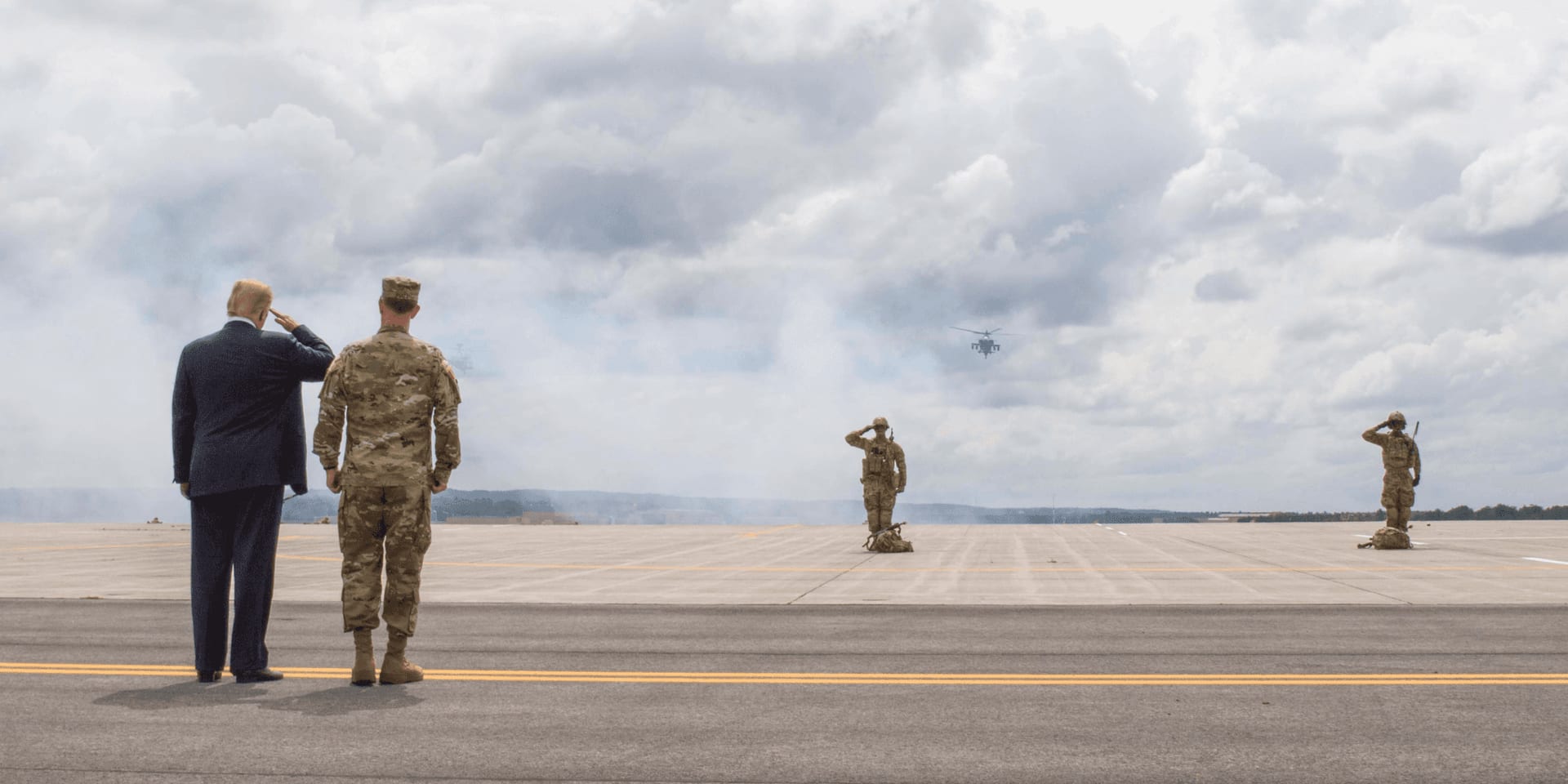
President Donald Trump signaled an escalation in U.S. foreign policy, setting an April 6 deadline for Iran to agree to ceasefire talks or face potential military action. The announcement comes amid stalled diplomatic efforts and intensifying hostilities in the region.
The administration’s posture has heightened global tensions and contributed to volatility in energy markets. Military deployments and prior strikes have already drawn international scrutiny, while allies and adversaries alike monitor the possibility of further escalation. The situation remains fluid, with significant implications for both U.S. national security and the global economy.
Severe Weather Threatens Central U.S. as Spring Storm Season Begins
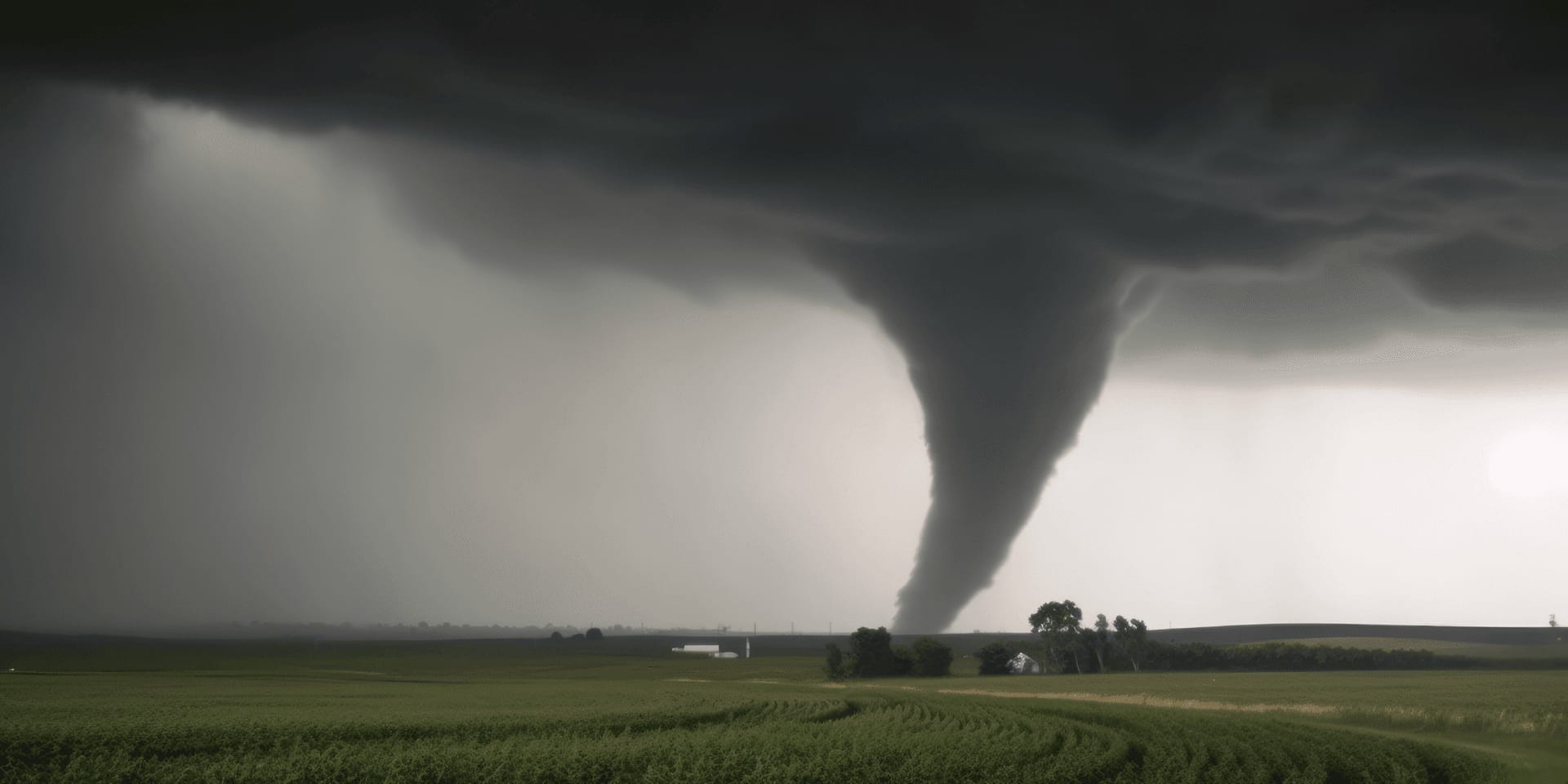
Meteorologists warned that millions of Americans could face severe weather in the coming days as a volatile spring pattern takes hold. Forecasters expect strong storms across parts of the central United States, with risks including large hail, damaging winds, and possible tornadoes.
The developing system reflects a broader seasonal shift, as warm, moist air collides with lingering cooler air masses. Recent weeks have already seen destructive storms and tornado outbreaks, raising concerns about preparedness as the country enters peak severe weather season. Emergency officials are urging residents in affected regions to remain alert.
Looking Ahead
As March draws to a close, the United States faces a complex mix of economic, political, and environmental challenges. Markets will continue to track developments in the Iran conflict, while policymakers confront mounting pressure to resolve the government shutdown. At the same time, Americans are bracing for both financial strain and severe weather risks. The coming days will be critical in determining whether tensions ease—or deepen across multiple fronts.