
Markets Waver, Military Tensions Rise, and Washington Faces Sudden Upheaval
The United States finds itself navigating a volatile mix of global conflict, economic uncertainty, and domestic political shifts. Developments tied to the ongoing Iran crisis are rippling across financial markets and federal leadership, while key economic indicators signal continued pressure on American households. Against this backdrop, major national events—from Capitol Hill decisions to the start of the NFL Draft—underscore a country balancing disruption with routine.
Pentagon Shake-Up Amid Escalating Iran Conflict
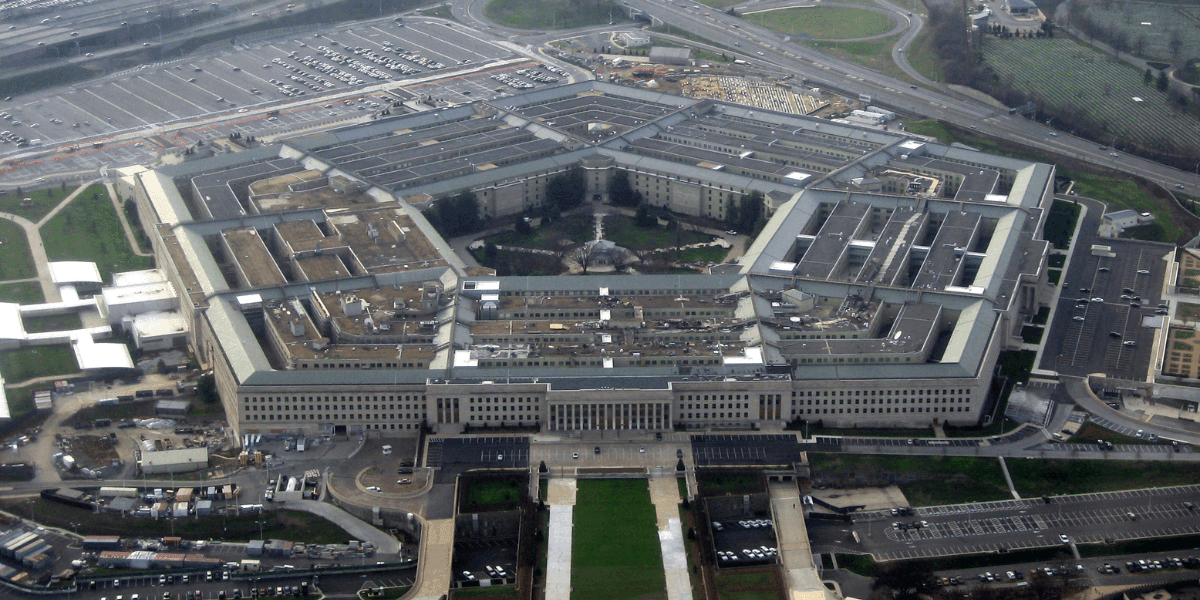
A sudden leadership change at the Pentagon has intensified scrutiny of U.S. military strategy abroad. The Navy Secretary was dismissed effective immediately and replaced by a deputy amid reported disagreements tied to the administration’s handling of the Iran conflict.
The move comes as the U.S. expands its naval operations in the Persian Gulf, where a blockade of Iranian ports remains in effect and tensions in the Strait of Hormuz persist. President Trump has reportedly ordered aggressive action against vessels suspected of laying mines, signaling a more confrontational posture as ceasefire efforts remain fragile.
Congress has so far resisted efforts to curtail military engagement. The Senate rejected a war powers resolution that would have limited U.S. hostilities, highlighting deep divisions in Washington over the scope and duration of the conflict.

Markets Pull Back as Geopolitical Risks Mount
After reaching record highs earlier this week, U.S. stock markets showed signs of retreat Thursday as investors reassessed risks tied to the Middle East and corporate earnings. Major index futures fell modestly, while oil prices rose amid concerns about shipping disruptions in the Strait of Hormuz.
Corporate earnings have further complicated the outlook. Several major companies reported results that met or exceeded expectations, but failed to reassure investors amid broader uncertainty. Technology and industrial stocks saw notable declines, reflecting unease about global instability and future growth.
At the same time, the push for domestic supply chain independence—particularly in critical minerals like rare earth elements—has gained renewed attention, as policymakers and investors respond to geopolitical vulnerabilities exposed by the conflict.

Mortgage Rates Climb, Keeping Pressure on Homebuyers
Economic strain is also evident in the housing market, where mortgage rates have risen again. The average 30-year fixed rate has climbed to approximately 6.32%, reversing earlier declines and complicating affordability for prospective buyers.
While rates remain below the peaks seen in 2023, they are expected to stay above 6% for much of the year. The Federal Reserve has paused further rate changes after cuts in late 2025, but persistent inflation and global instability—particularly tied to the Iran conflict—continue to influence borrowing costs.
For many Americans, the result is a housing market that remains out of reach, with affordability challenges likely to shape broader economic sentiment heading into the summer.
Political Friction Intensifies Across Multiple Fronts
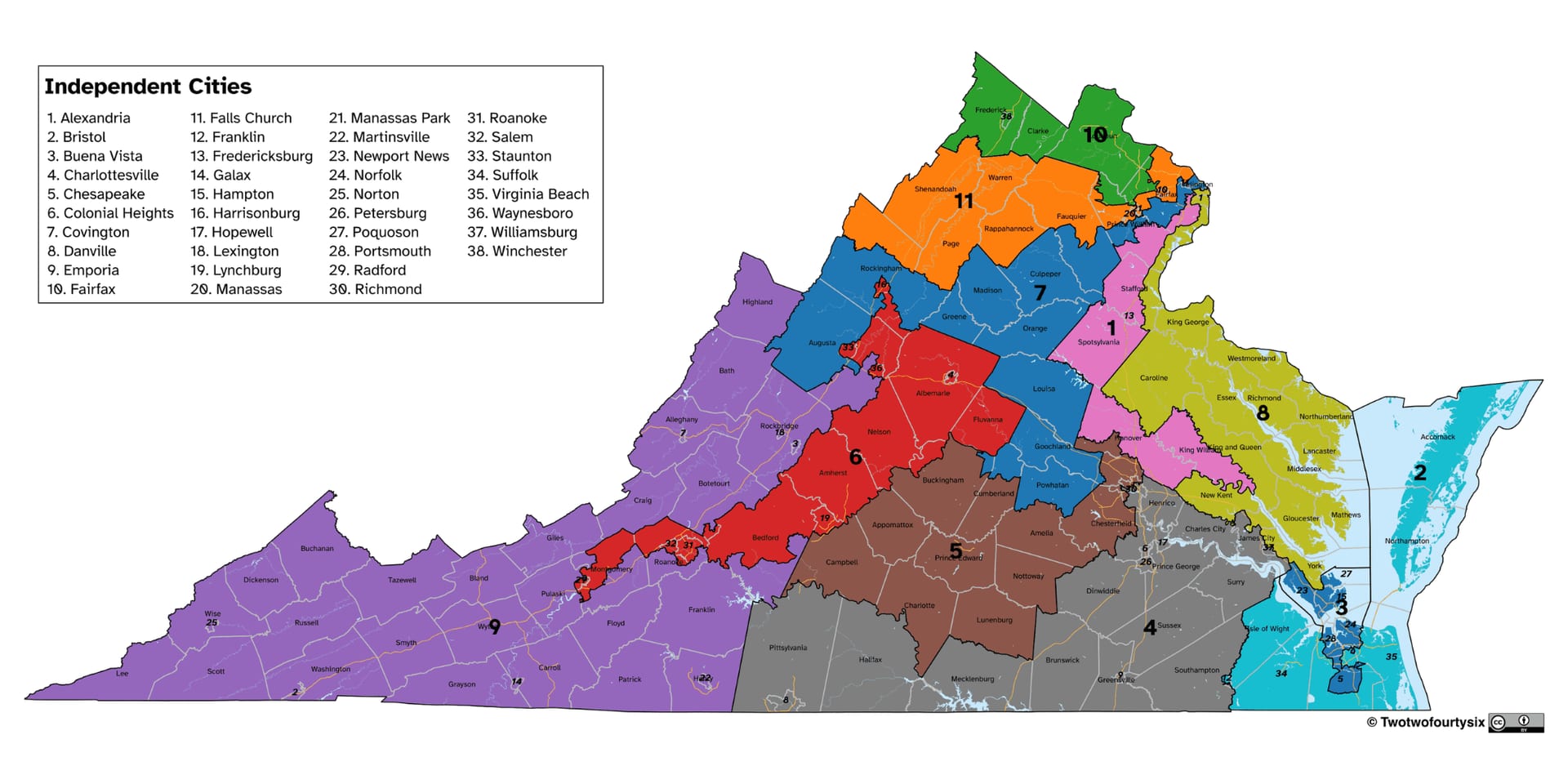
Domestic politics remain contentious, with several flashpoints emerging simultaneously. In Virginia, a legal battle over a redistricting referendum has escalated after a court blocked certification of the measure, prompting plans for an appeal and accusations of partisan manipulation.
Meanwhile, lawmakers are clashing over economic policy responses to the ongoing crisis. A proposed federal bailout for a struggling airline has drawn criticism from both sides of the aisle, reflecting broader disagreements over government intervention in the private sector.
Public confidence in national leadership appears strained, with growing dissatisfaction over both economic management and foreign policy. These dynamics are expected to play a significant role as midterm election campaigning accelerates.

NFL Draft Begins, Offering Momentary National Focus
Amid the weight of global and political developments, one of the country’s most anticipated annual sporting events is underway. The 2026 NFL Draft kicks off tonight in Pittsburgh, drawing nationwide attention as teams make key roster decisions that will shape the upcoming season.
The three-day event provides a cultural counterbalance to the day’s heavier news, uniting fans and franchises in a shared moment of anticipation. Coverage spans major broadcast and streaming platforms, underscoring the draft’s continued significance as both a sporting and media spectacle.
While largely separate from the day’s policy and economic concerns, the event reflects the enduring role of sports in American life—even during periods of uncertainty.
Looking Ahead
The coming days will be defined by whether diplomatic efforts with Iran can stabilize or further deteriorate, with direct implications for global markets and U.S. military engagement. Investors will continue to watch earnings reports and energy prices for signs of economic direction, while the Federal Reserve’s next moves remain closely anticipated. Domestically, political tensions—from redistricting battles to federal spending debates—are likely to intensify as the midterm cycle approaches.