
Middle East Strains, Rising Costs, and Domestic Unrest Shape a Tense National Moment
The United States faced a convergence of global and domestic pressures, as escalating tensions in the Middle East reverberated through financial markets and policy discussions at home. Economic uncertainty, severe weather threats, and mounting political activism added to a complex national landscape. Together, these developments reflect a country navigating both international instability and internal challenges with significant implications for the months ahead.
Escalating Iran Conflict Drives U.S. Policy and Market Anxiety
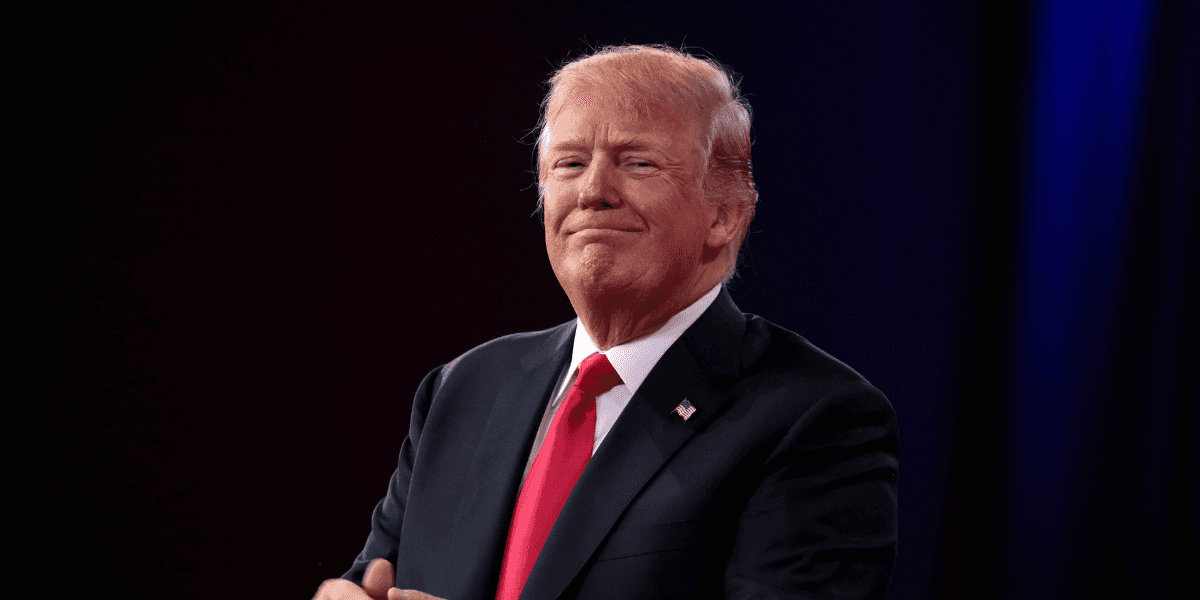
The ongoing conflict involving Iran remained the dominant geopolitical issue shaping U.S. decision-making. President Donald Trump signaled that negotiations with Tehran may be underway, though Iranian officials have disputed claims of progress. Meanwhile, military tensions continued to rise, with Israel confirming strikes on key Iranian military leadership and the United States maintaining a significant military presence in the region.
The strategic importance of the Strait of Hormuz—a critical global oil transit route—has heightened concerns about potential supply disruptions. U.S. officials are reportedly preparing for worst-case scenarios, including sharp increases in oil prices, underscoring the global economic stakes tied to the conflict.
Stock Markets Slide as Oil Prices Surge
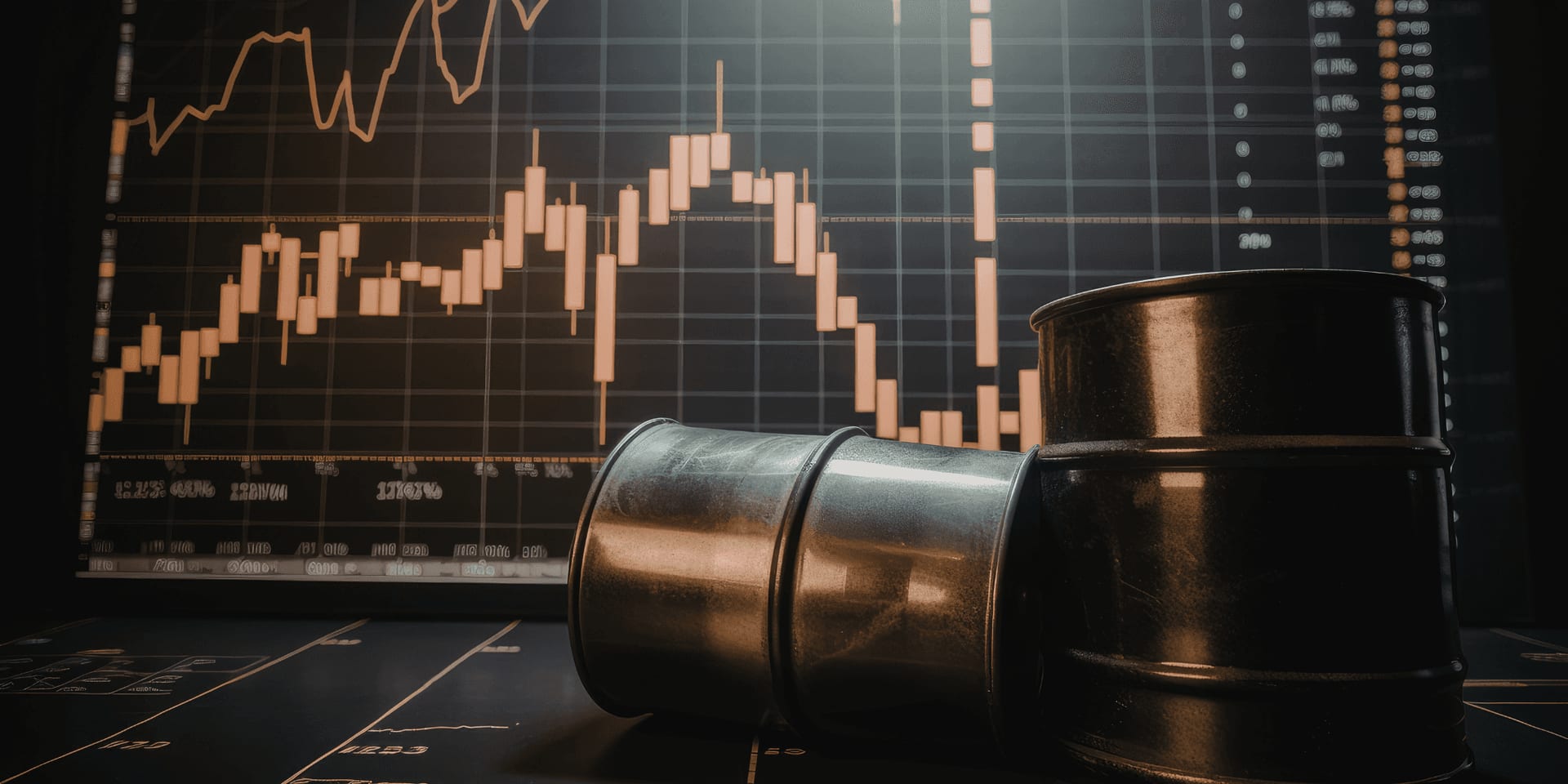
Financial markets reacted sharply to the geopolitical uncertainty, with major U.S. indexes poised to open lower amid rising oil prices and fading optimism about a swift resolution to the conflict. Investors have grown increasingly cautious as the possibility of prolonged instability threatens global supply chains and corporate earnings.
Analysts warn that energy price spikes could ripple through multiple sectors, increasing costs for businesses and consumers alike. Some companies have already reported financial strain tied to higher logistics expenses and disrupted international operations, highlighting the immediate economic consequences of the crisis.

Mortgage Rates Climb, Reflecting Inflation and Global Instability
Economic pressures are also being felt in the housing market, where mortgage rates have risen again in March. The average 30-year fixed rate reached 6.49%, reflecting persistent inflation concerns and uncertainty tied to global events.
The Federal Reserve has opted to hold interest rates steady for now, attempting to balance economic stability with inflation control. However, higher borrowing costs have already dampened refinancing activity and could further constrain home affordability, adding strain to an already tight housing market.

Severe Weather Threatens Central U.S. as Spring Begins
At home, millions of Americans are facing heightened weather risks as the transition to spring brings volatile conditions. Meteorologists warn of an increased likelihood of severe storms across the Great Plains and Mississippi River Valley, including the potential for large hail, damaging winds, and tornadoes.
These developments follow an already active storm season, with dozens of tornadoes reported in March. The shifting weather patterns—driven by the հանդիպ of warm Gulf air and cooler systems moving east—underscore growing concerns about climate volatility and disaster preparedness.

Nationwide Protests Loom Over Immigration and Federal Authority
Political tensions are also building domestically ahead of planned nationwide protests scheduled for later this week. Demonstrations are expected in multiple cities in response to immigration enforcement actions and recent controversial incidents involving federal agents.
Organizers describe the protests as part of a broader movement opposing what they characterize as increasingly aggressive federal policies. The events are likely to test law enforcement readiness and could further intensify national debates over immigration, civil liberties, and executive authority.
Looking Ahead
As the final days of March approach, attention will remain fixed on developments in the Iran conflict and its economic ripple effects, particularly in energy markets. Domestically, the trajectory of interest rates, housing affordability, and financial market stability will be closely watched. Meanwhile, the anticipated protests and ongoing severe weather risks could shape the national conversation in the days ahead, highlighting the interconnected challenges facing the United States at this moment.