
Nationwide Protests and Global Tensions Shape a Charged Day Across the United States
The United States is confronting a convergence of domestic unrest and international strain, as large-scale protests unfold nationwide and geopolitical tensions continue to ripple at home. Political divisions, economic concerns tied to global conflict, and seasonal threats from severe weather all contribute to a complex national landscape. Together, these developments highlight a country navigating both internal dissent and external pressure.
Mass “No Kings” Protests Sweep Across the Country
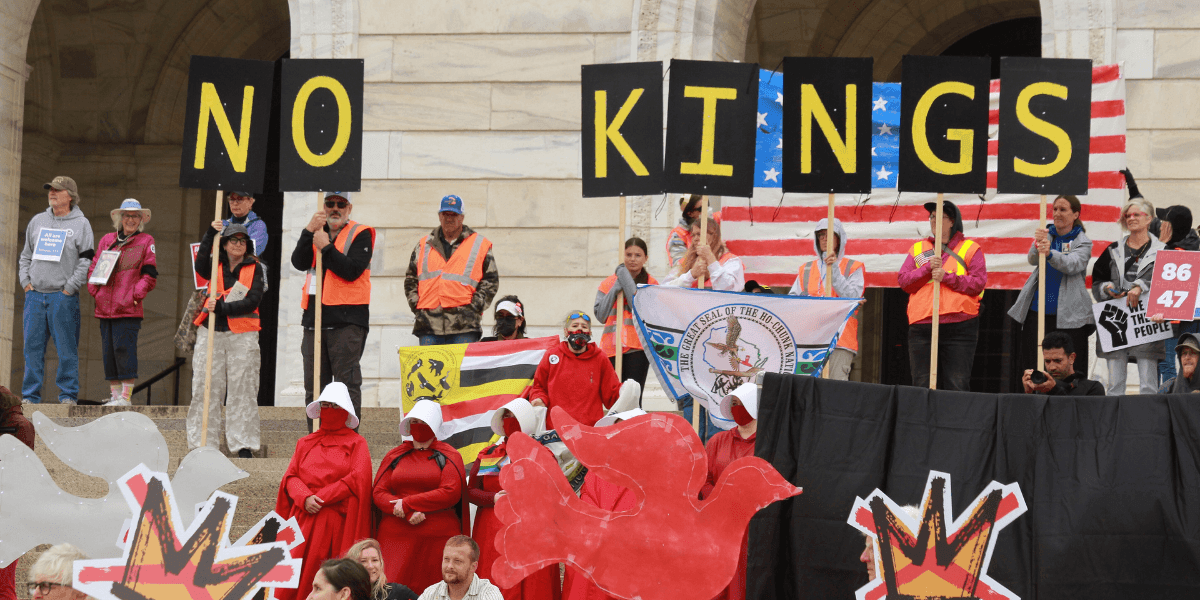
Thousands of demonstrators gathered in cities across the United States today as part of the coordinated “No Kings” protests, a nationwide movement opposing the Trump administration’s policies and leadership. Organizers reported more than 3,000 events planned across the country, making it one of the largest protest mobilizations of the year.
The protests are rooted in a range of grievances, including immigration enforcement actions and broader concerns about executive power. The demonstrations were largely peaceful but underscored deep political polarization, with participants calling for policy changes and increased accountability.
The scale and coordination of the protests signal sustained grassroots organizing ahead of the 2026 midterm elections, suggesting that public demonstrations may remain a central feature of the political landscape.
Iran Conflict Continues to Shape U.S. Policy and Public Opinion
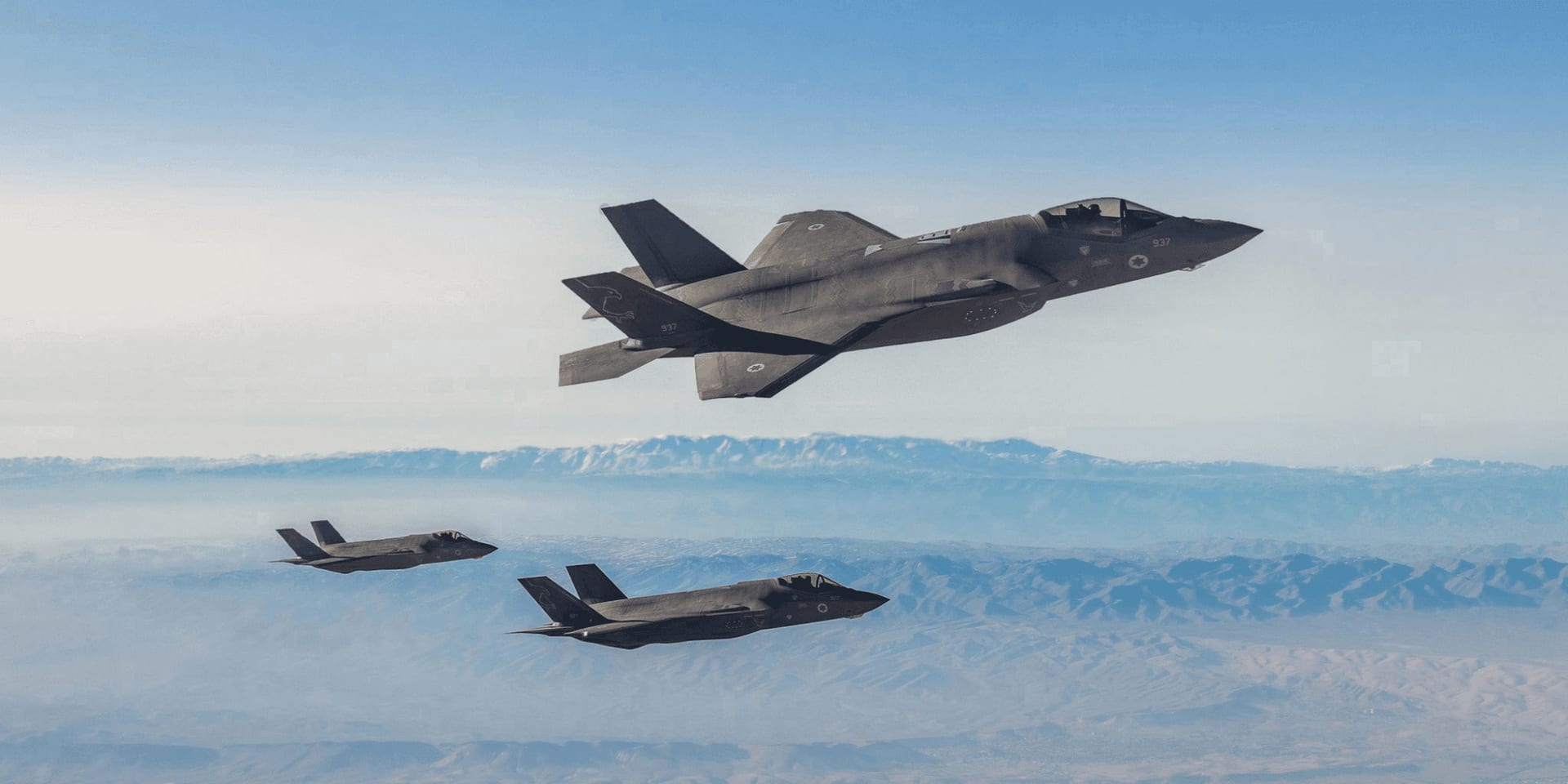
The ongoing conflict with Iran remains a dominant force in U.S. foreign and domestic policy discussions. Since the joint U.S.-Israeli strikes in late February that triggered the war, the Trump administration has maintained a significant military presence in the Middle East, marking the largest buildup in the region in decades.
The conflict has had tangible domestic effects, including rising energy concerns and continued public demonstrations both supporting and opposing U.S. involvement. Anti-war protests have occurred in multiple cities since the initial strikes, reflecting a divided national response to the escalation.
As the conflict persists, policymakers face mounting pressure to define long-term objectives while managing both international alliances and domestic political fallout.
Severe Weather Threat Looms Over Central U.S.
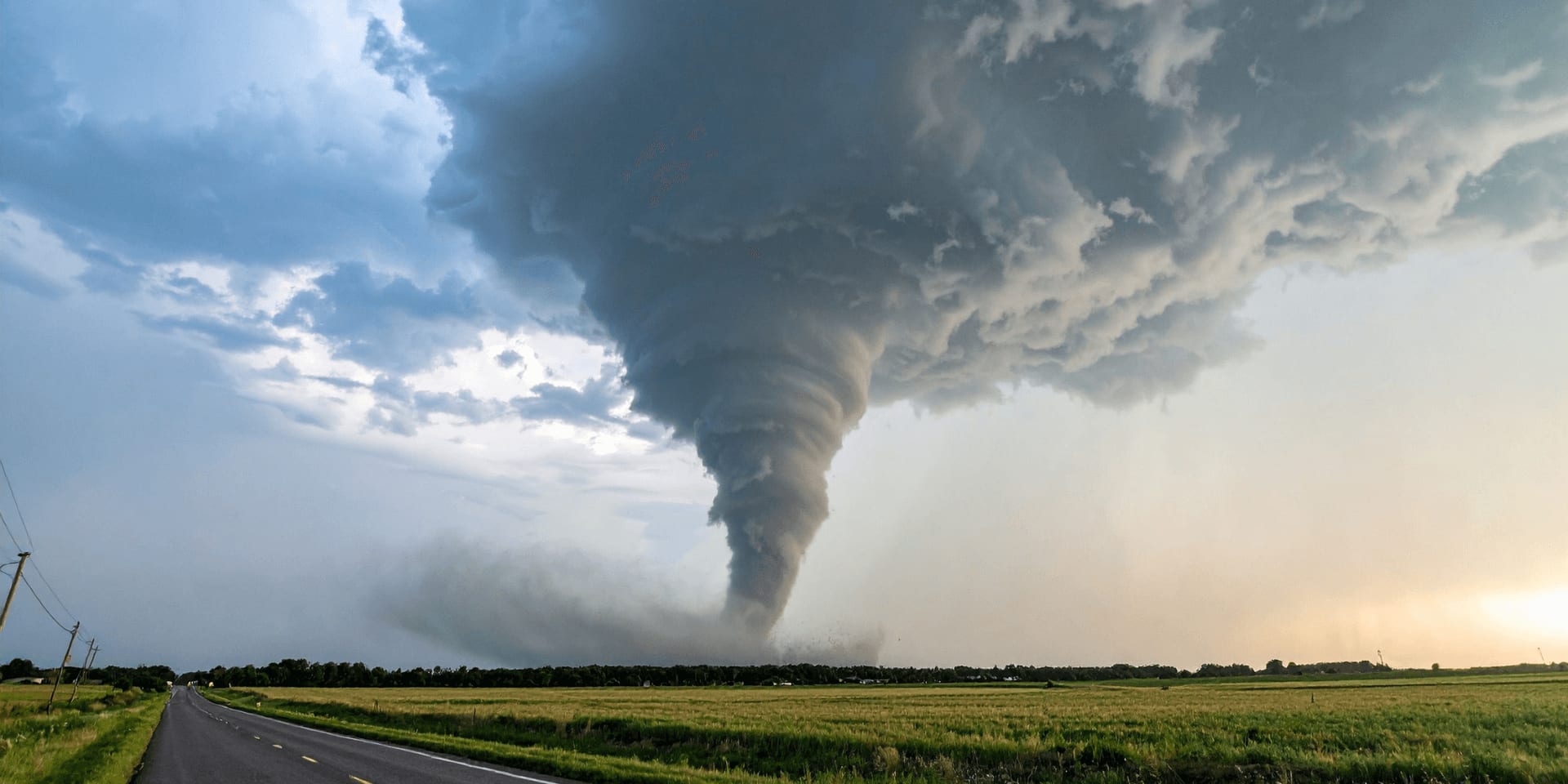
Meteorologists are warning of a renewed threat of severe weather across the central United States as volatile spring patterns take hold. After a March marked by dozens of tornadoes, forecasters say conditions are aligning for another round of potentially dangerous storms in the Plains and Mississippi Valley.
The shifting weather pattern—caused by warm Gulf air colliding with cooler systems—could produce damaging winds, large hail, and additional tornado activity in the coming days. The warnings come as many communities are still recovering from earlier storms, raising concerns about preparedness and infrastructure resilience.
Emergency management officials are urging residents in high-risk areas to remain vigilant as the spring storm season intensifies heading into April.

Economic Ripples from Global Conflict Continue
The economic impact of the Iran conflict is increasingly evident, particularly in energy markets and broader inflation concerns. Oil prices have experienced volatility since the onset of hostilities, contributing to renewed anxiety about fuel costs and supply chain disruptions.
These pressures are feeding into wider economic uncertainty, with analysts warning that prolonged instability in the Middle East could complicate efforts to stabilize prices domestically. The situation also poses challenges for policymakers attempting to balance military engagement with economic priorities at home.
While no major new economic policy announcements were made today, the underlying conditions suggest that financial markets and consumer costs will remain closely tied to geopolitical developments in the weeks ahead.
Rare Northern Lights Display Captivates Parts of the U.S.
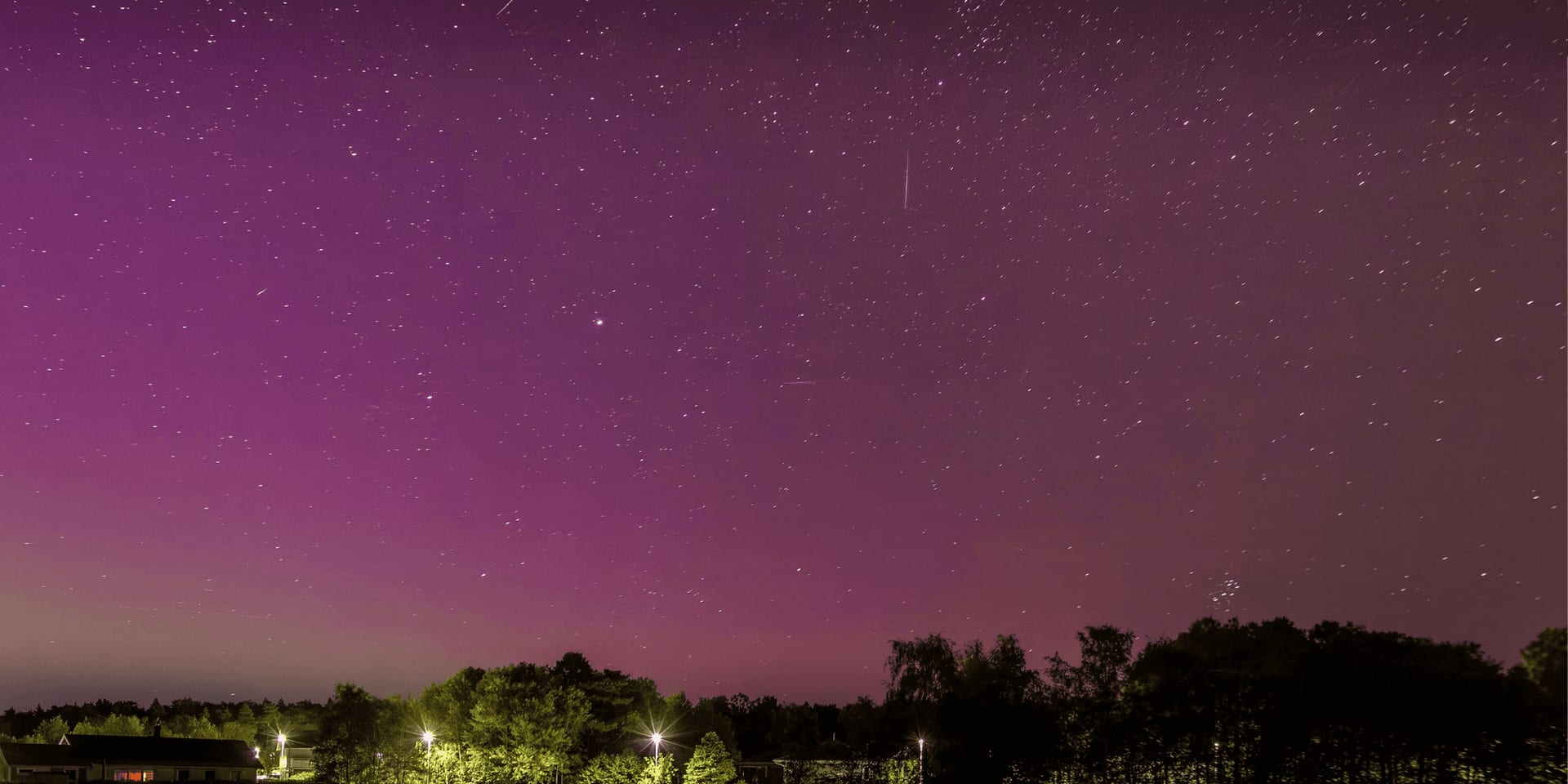
Amid the day’s heavier news, a natural phenomenon offered a moment of reprieve as northern lights became visible across several northern U.S. states. The display, triggered by heightened solar activity, was seen as far south as parts of the northern Midwest and New England.
Scientists attributed the event to a coronal mass ejection interacting with Earth’s magnetic field, enhanced by seasonal conditions that make auroras more visible near the equinox.
While fleeting, the spectacle drew widespread public interest and served as a reminder of the broader natural forces at play beyond the day’s political and economic tensions.
Looking Ahead
As the nation moves into the final days of March, attention will remain focused on the aftermath of the “No Kings” protests and whether they translate into sustained political momentum. Developments in the Iran conflict will continue to influence both foreign policy and domestic economics, while severe weather threats could bring immediate challenges to communities across the central U.S.
With multiple pressures converging—from civic unrest to global instability—the coming weeks are likely to test both political leadership and public resilience in equal measure.