
Nationwide Strike and Budget Showdown Mark High‑Stakes in America
The United States awoke to a confluence of political tension, civil unrest, and economic uncertainty as lawmakers, activists, and markets all braced for decisive developments. A planned nationwide general strike against federal immigration enforcement unfolded alongside last‑minute negotiations in Congress to avert a partial government shutdown. Financial markets reacted with volatility as investors weighed economic signals and political risk. From coast to coast, cities saw both protest actions and urgent debates over the nation’s fiscal and social direction.
General Strike and Anti‑ICE Protests Sweep the Country
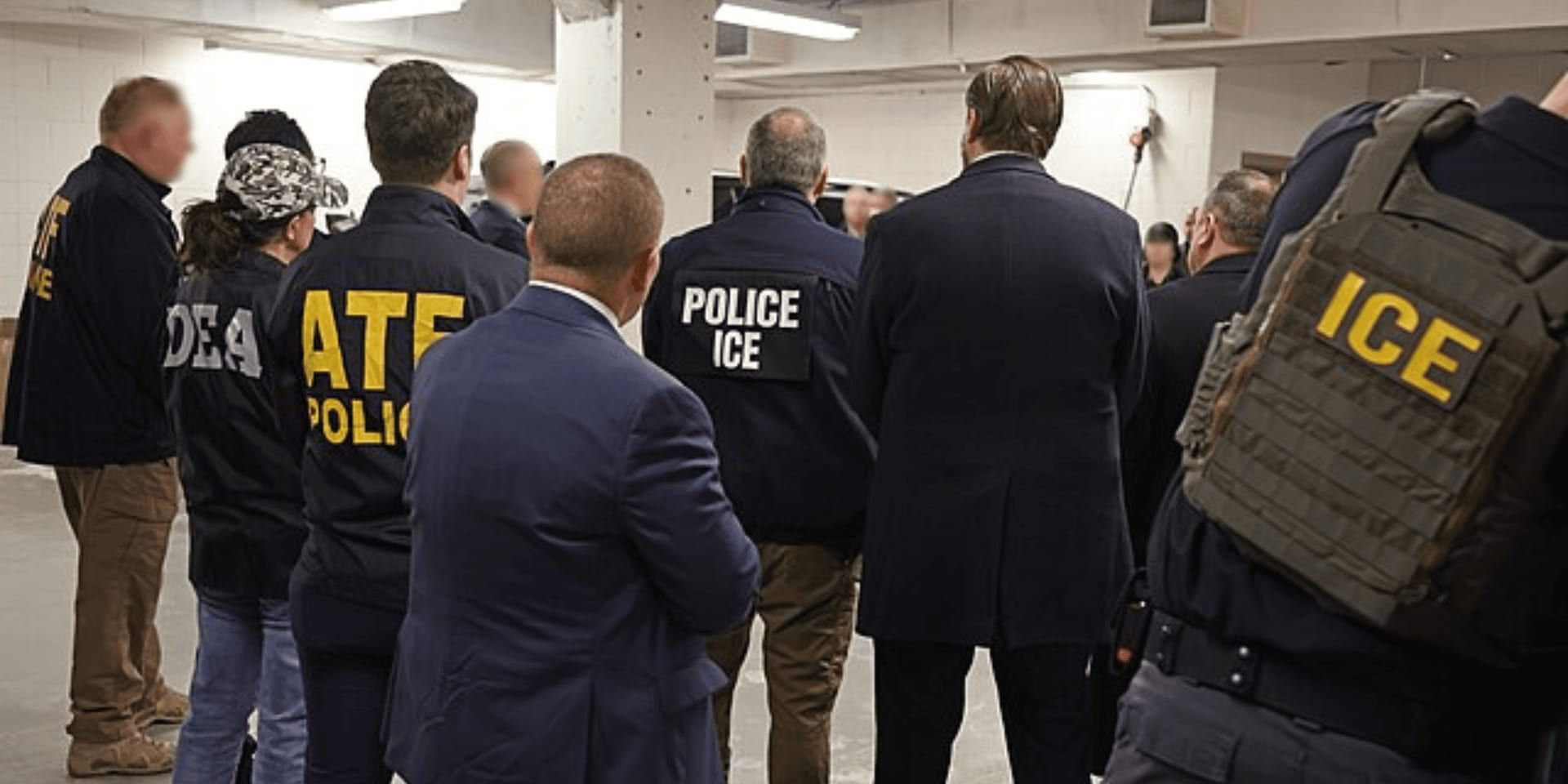
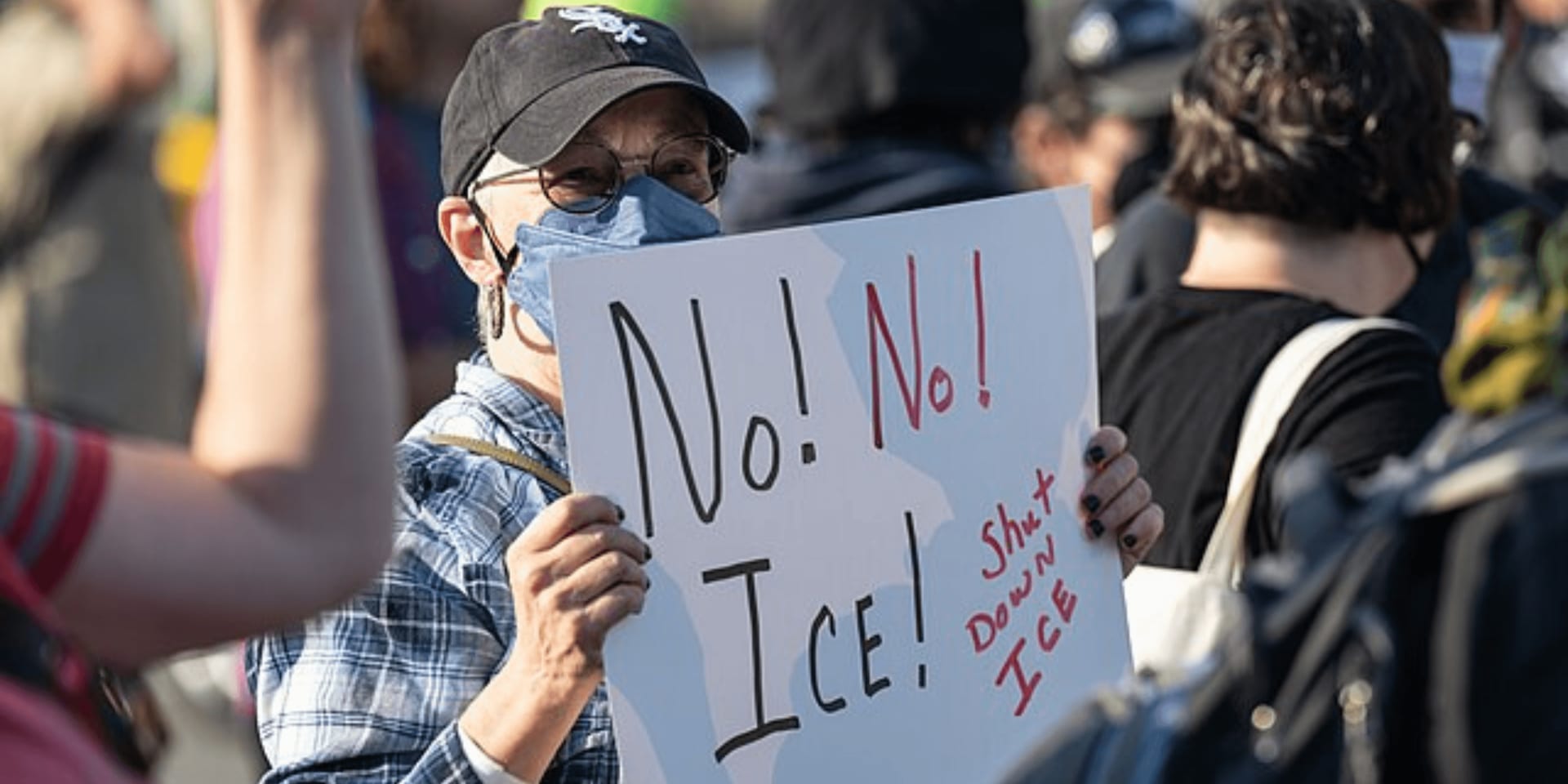
A coordinated wave of demonstrations and labor actions known as the 2026 United States general strike took place across multiple cities on January 30, with organizers urging participants to refrain from work, school, and shopping in protest of Immigration and Customs Enforcement (ICE) operations and federal enforcement policies. Protesters, driven by outrage over recent deadly encounters involving ICE agents and federal immigration efforts, rallied in cities including Minneapolis, Los Angeles, and San Francisco, seeking policy reform and accountability from federal authorities. The broad participation of student groups, labor unions, and civil rights organizations underscored growing national friction over immigration policy and law enforcement practices.
Congress Struggles to Avert a Government Funding Crisis
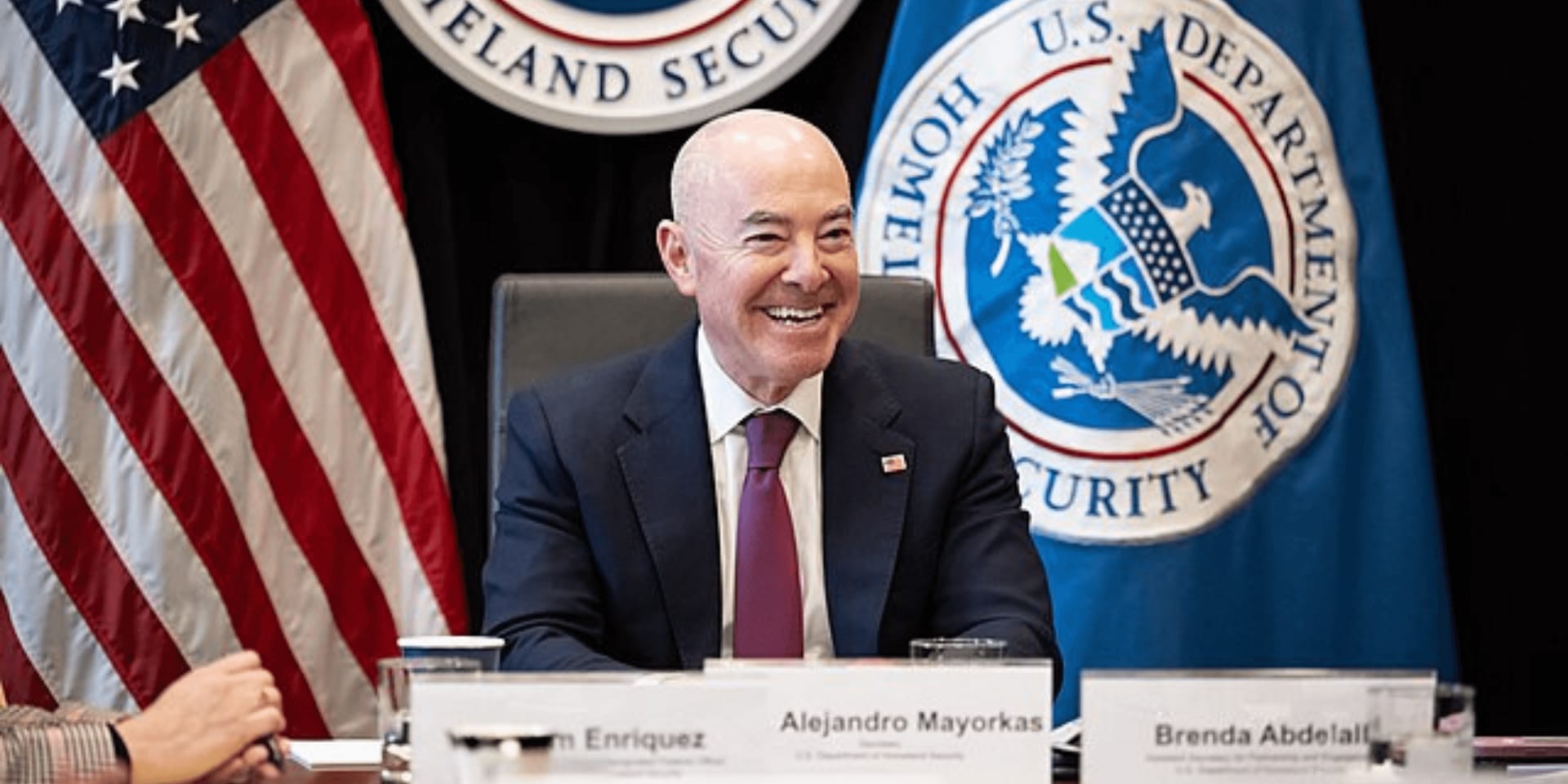
As the January 30 deadline loomed, lawmakers in Washington grappled with a high‑stakes budgetary stalemate that threatened a partial federal government shutdown. Senate Democrats and the White House reached a temporary deal to continue funding the Department of Homeland Security (DHS) at current levels for an interim period while negotiations continued on broader appropriations, but key hurdles remained with the House out of session until early February. The continuing impasse centered on funding for DHS and associated agencies, including ICE, reflecting deep partisan disagreements over federal spending priorities in the wake of broader fiscal disputes.
Financial Markets Show Volatility Amid Political Uncertainty
U.S. financial markets saw heightened volatility on January 30 as investors reacted to a mix of corporate earnings news, economic forecasts, and political developments in Washington. Major indices opened lower, with futures for the Dow, S&P 500, and Nasdaq all showing declines as traders weighed the implications of ongoing budget negotiations and strong earnings results from several key companies. Cryptocurrencies and precious metals likewise experienced notable price swings, reflecting broader risk‑off sentiment in global markets amid domestic political uncertainty. Investors were also digesting news that President Donald Trump is expected to nominate former Federal Reserve governor Kevin Warsh as the next Fed chair, a choice that has implications for monetary policy and market expectations.
Civil Society and Business Join National Strike Actions
In several metropolitan areas, local businesses and community organizations took visible steps in solidarity with the nationwide strike. In the San Francisco Bay Area, a number of restaurants, bars, and retail establishments opted to close operations or shift to donation‑based models for the day, citing ethical considerations and solidarity with protest goals. These voluntary closures signaled an unusual moment of economic activism, highlighting how civil society and local commerce can intersect with national political movements. The closures occurred amid a broader backdrop of public debate over immigration enforcement and government spending priorities.
Cultural and Entertainment Events Add to National Attention
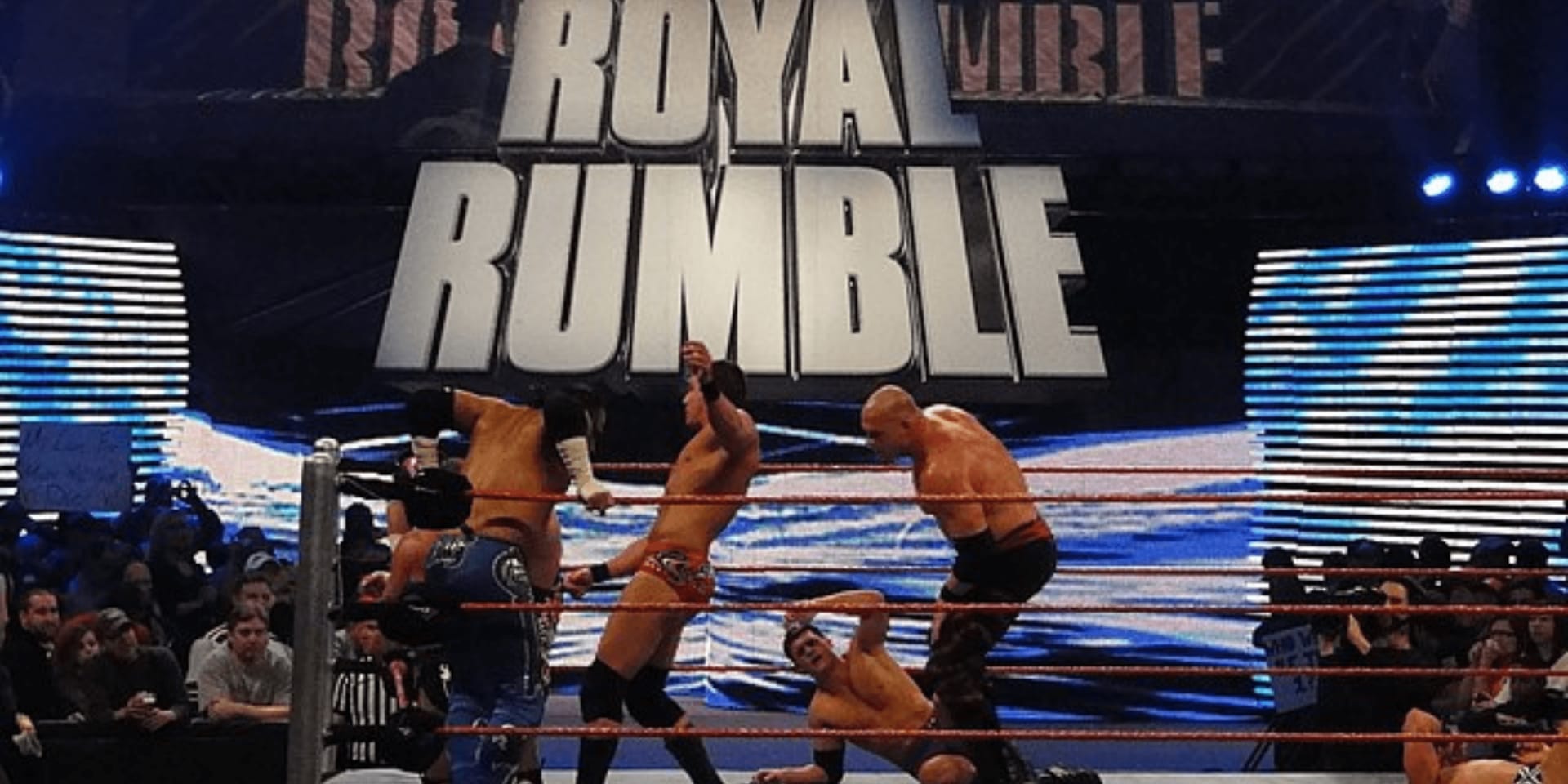
While political and economic narratives dominated the day, major entertainment and sports events also attracted national interest. The WWE Royal Rumble 2026, scheduled to take place in Riyadh, Saudi Arabia on the following day, continued to build anticipation among wrestling fans, marking the first time the annual event is held outside of North America. This pop‑culture moment offered a reprieve from political headlines for many Americans and underscored the diversity of national attention on January 30 as audiences prepared for one of the year’s most prominent professional wrestling spectacles.
Looking Ahead
As the country moves into February, all eyes will remain on Capitol Hill to see whether Congress can finalize a comprehensive funding package and definitively avert a partial government shutdown. The momentum from the nationwide strike and broader public responses to immigration enforcement may also shape legislative priorities and political discourse in the months ahead. Financial markets will continue to monitor developments around Federal Reserve leadership and economic policy signals, while communities nationwide assess the longer‑term impacts of both protest actions and federal spending decisions in an election year defined by intense partisan and civic engagement.