Political Battles, Election Shifts, and Global Tensions Shape America’s Day
The United States moved through another consequential day marked by political maneuvering in Washington, evolving election dynamics, legal disputes over voting rights, and continued attention to international diplomacy. As the country approaches the heart of the 2026 midterm election season, developments across government, the courts, and state politics underscored the increasingly high stakes of the national debate.

By
Jun 24, 2026

Trump Delays Housing Bill Amid Fight Over Election Legislation
A major bipartisan housing affordability bill unexpectedly stalled after President Donald Trump canceled a planned signing ceremony and tied future approval to congressional action on the administration’s election priorities. The move injected new uncertainty into legislation that had previously received broad support across party lines.
The dispute centers on broader debates over election administration and voter identification requirements. Critics argued that linking housing policy to election legislation risks delaying relief efforts aimed at addressing affordability challenges, while supporters of the administration contend that election security remains a pressing national concern. The episode highlighted ongoing tensions between the White House and Congress as lawmakers continue negotiations over additional legislative packages.
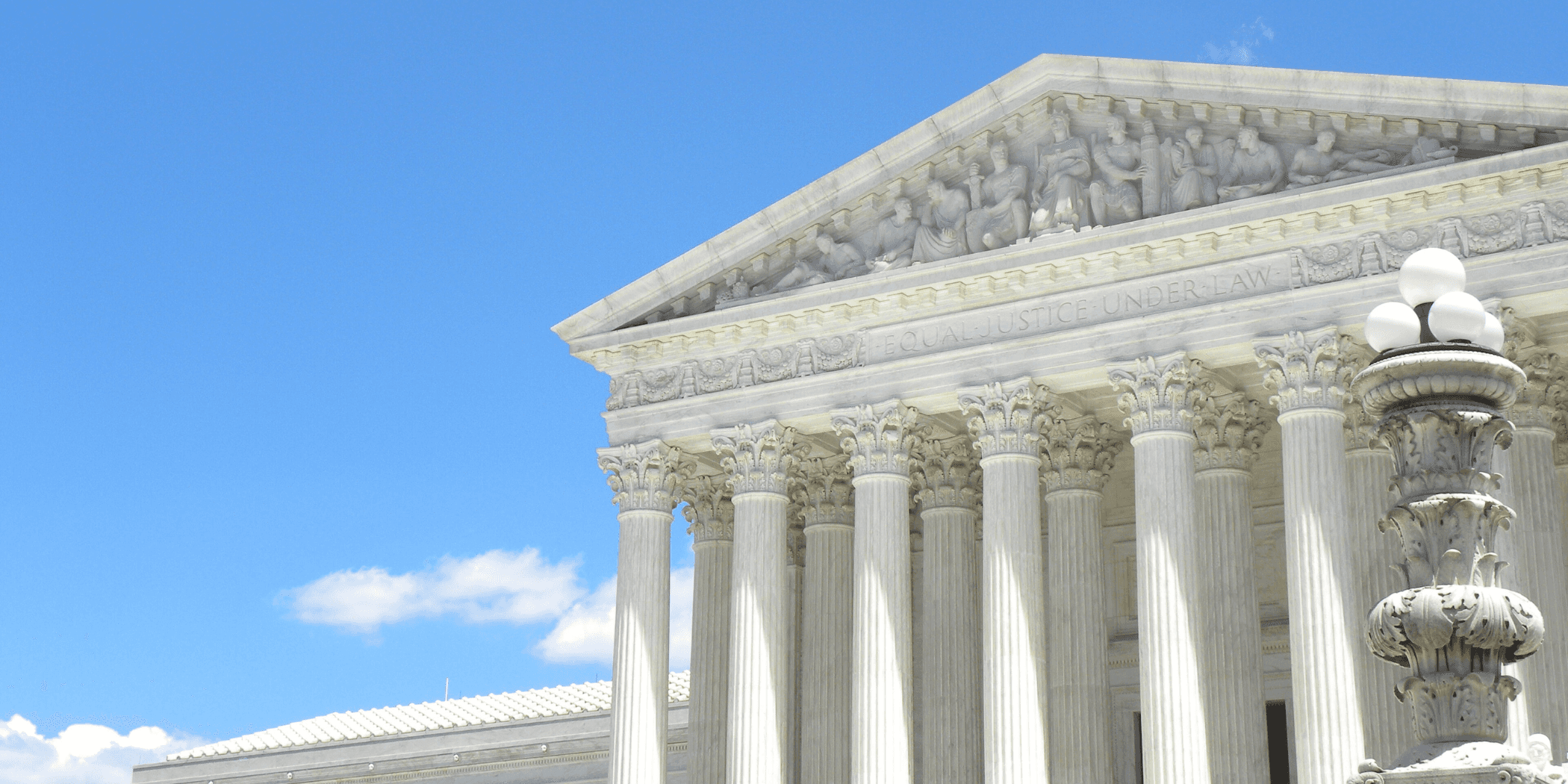
Supreme Court Building Outside
Photo Credit: Mathieu Landretti/Wikimedia (Cropped)
Senate and Courts Push Back on Executive Power Over Elections and Iran
Several significant developments emerged from both the judiciary and Congress regarding executive authority. A federal judge permanently blocked an administration effort requiring proof of citizenship to vote in federal elections, ruling against the executive order and adding another chapter to the ongoing legal battle over election rules.
At the same time, lawmakers continued debating presidential authority in foreign affairs. The Senate recently approved a resolution aimed at limiting U.S. military involvement related to the conflict with Iran, representing a rare bipartisan challenge to presidential war powers. While the resolution’s practical effect remains uncertain, the vote demonstrated continuing concern among lawmakers about congressional oversight of military action abroad.
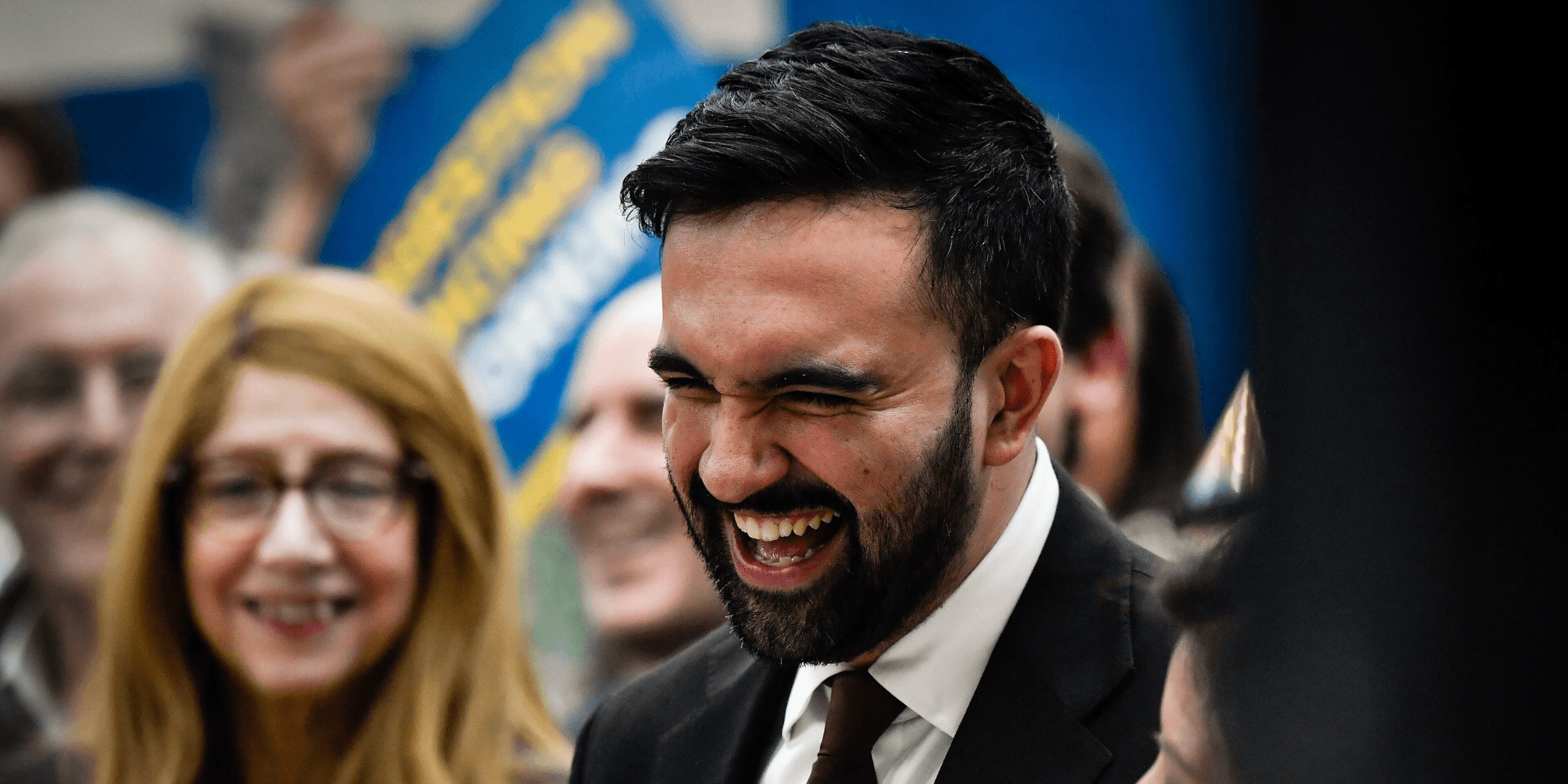
Governor Kathy Hochul, Mayor Zohran Mamdani, and MTA Chair & CEO Janno Lieber attend a rally at McBurney YMCA on West 14th St. to commemorate the first anniversary of the implementation of the Central Business District Tolling Program (CBDTP) on Monday, Jan 5, 2026
Photo Credit: Metropolitan Transportation Authority/Wikimedia (Cropped)
New York Primaries Reveal Growing Progressive Influence
The latest round of Democratic primary elections in New York produced victories for several progressive candidates aligned with New York City Mayor Zohran Mamdani. Multiple Mamdani-backed contenders secured congressional nominations, signaling the growing strength of the party’s left wing in one of the nation’s most influential political arenas.
The results also highlighted ongoing ideological divisions within the Democratic Party. Several incumbents and establishment-backed candidates were defeated, while younger progressive challengers advanced to the general election. Political analysts are closely watching whether these local victories will influence Democratic strategies nationwide as the party prepares for November contests.
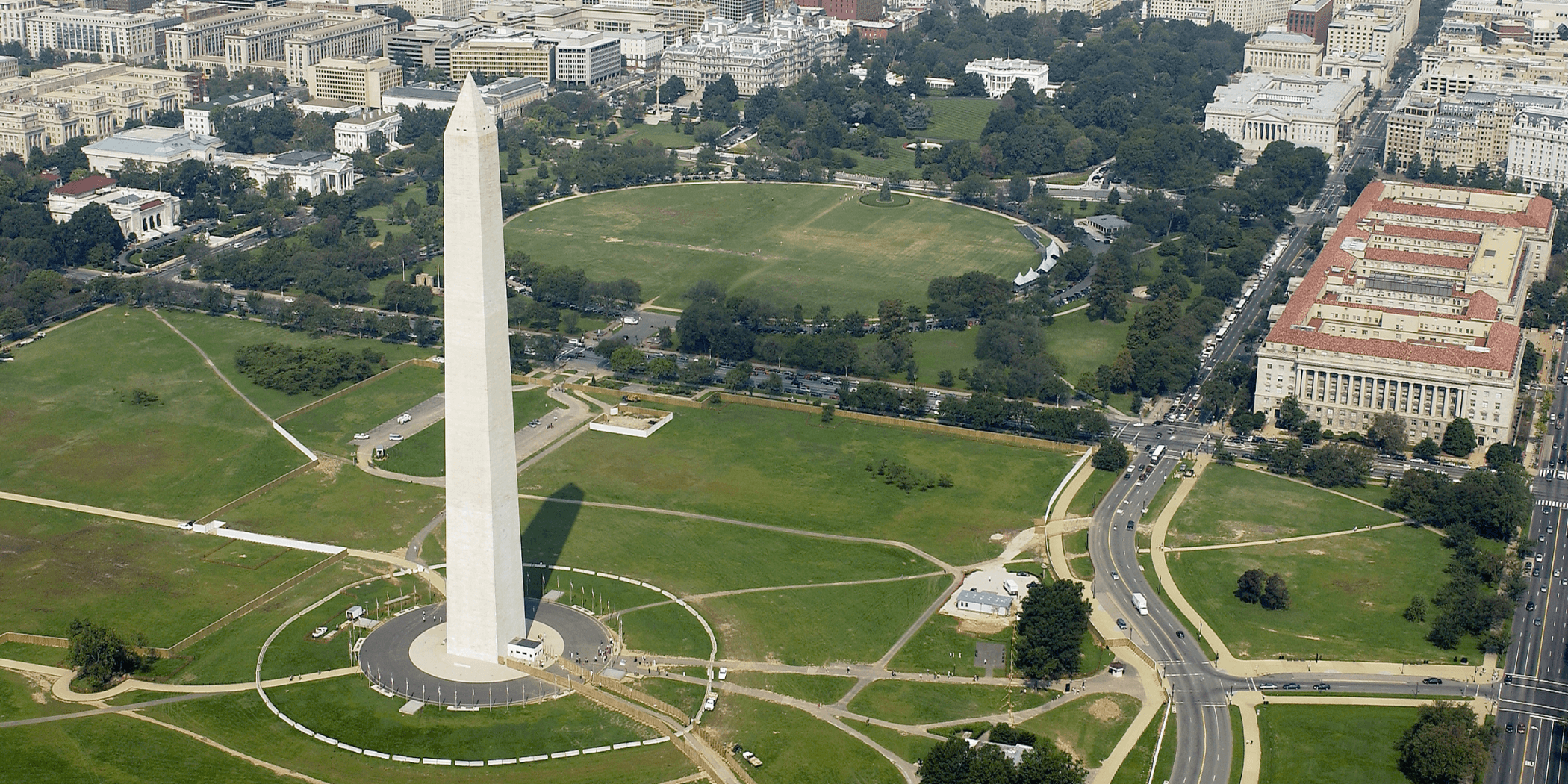
Aerial view of the Washington Monument with the White House in the background.
Photo Credit: U.S. Air Force Tech. Sgt. Andy Dunaway/Wikimedia (Cropped)
America 250 Celebration Launches Amid Political Debate
President Trump officially launched nationwide celebrations marking the 250th anniversary of the nation’s founding with a large event on the National Mall. The gathering featured patriotic performances, military displays, and remarks emphasizing American history and national identity.
Supporters described the kickoff as an appropriate beginning to the multi-year commemoration leading to the nation’s semiquincentennial. Critics, however, argued that the event carried a distinctly political tone and resembled a campaign rally more than a bipartisan national celebration. The debate reflected broader disagreements about how major civic milestones should be commemorated in an increasingly polarized political environment.
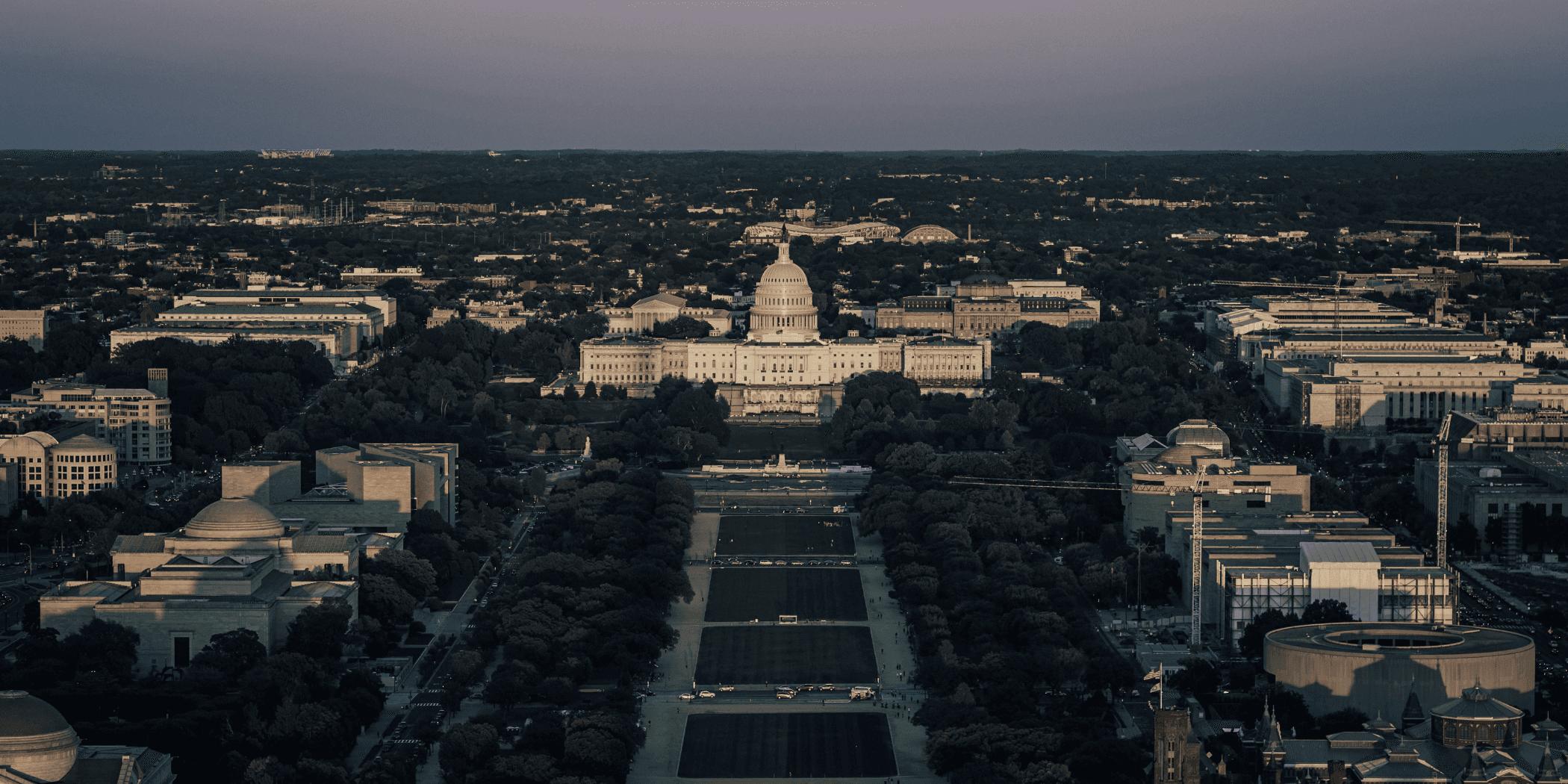
United States Capitol from top of the Washington Monument.
Photo Credit: Andy Feliciotti/Unsplash
Iran Diplomacy Remains a Central Foreign Policy Focus
Questions surrounding the administration’s negotiations with Iran continued to dominate foreign policy discussions. President Trump maintained that Tehran has agreed to additional nuclear inspections and continued engagement with international monitoring efforts. Iranian officials, however, have publicly disputed several U.S. characterizations of the talks, creating uncertainty about the exact status of any agreement.
The diplomatic effort follows weeks of heightened tensions and military confrontations in the region. Markets have closely monitored developments, with energy prices reacting to signs that a broader conflict may be avoided. U.S. allies and international organizations are also watching negotiations carefully as both sides seek to establish a more durable framework for regional stability.
Looking Ahead
Attention now turns to several issues likely to shape the coming days: congressional negotiations over housing and election legislation, continued legal battles involving voting rules, fallout from the New York primary results, and further developments in U.S.-Iran diplomacy. As the 2026 midterm elections draw closer, today’s events reinforced how deeply interconnected domestic politics, court decisions, and foreign policy have become in defining the nation’s agenda.