
Raising Emotionally Resilient Children: The Power of Connection and Growth
Sara Lewis Hartley’s approach to parenting emphasizes emotional connection and growth for both parents and children.

Parenting is an ever-evolving journey, and in today’s world, it can feel more complex than ever. Sara Lewis Hartley, a healthcare executive and certified ADHD and neurodiversity coach, has observed how the parenting landscape is shifting, especially for families raising neurodivergent children. Her work centers on emotional connection and personal growth for both parents and children, helping families nurture resilience while reshaping how they understand the role of parenting itself.
The Emotional Growth Journey
One of the most overlooked challenges in raising emotionally healthy children isn’t teaching emotional regulation, it’s learning how to practice it as parents ourselves. Sara’s experience as a mother of neurodivergent children revealed a critical insight: emotional growth is a two-way street. Parents are often on a parallel emotional development journey alongside their children, learning to regulate emotions in real time.
This insight is central to Sara’s Echo Parenting philosophy, which recognizes that parenting often reflects our own unmet emotional needs, and that raising emotionally resilient children requires parents to reflect, heal, and grow alongside them.
“Parenting isn’t just about guiding your children; it’s a shared path,” Sara explains. “As parents, we grow right alongside them. Emotional resilience isn’t something we give to our kids, it’s something we cultivate together.”
Moving Away from Control, Toward Connection
At the heart of Sara’s approach is the belief that emotional connection is more powerful than control, but connection doesn’t happen by accident. This philosophy is put into practice through the ALIGN Parenting Method™, a strengths-based framework Sara developed to help parents navigate emotional moments with greater awareness and intention.
ALIGN guides parents to pause, notice their own emotional state, regulate their nervous system, and lead with connection before responding to a child’s behavior. By shifting the focus from correcting behavior to understanding what’s happening beneath it, parents create emotional safety that supports long-term resilience for both themselves and their children.
This shift is especially important for parents of neurodivergent children, where emotional regulation can be more complex and easily misunderstood. When parents model emotional awareness and self-regulation, they not only support their own well-being but also teach their children how to navigate emotions in healthy, sustainable ways.
“The emotional growth of a child directly influences the emotional growth of a parent, and vice versa,” she says. “It’s a continuous cycle of learning and growth.”
In practice, this often means slowing down in emotionally charged moments, naming what’s happening internally before addressing a child’s behavior. Over time, these small pauses build trust, emotional safety, and resilience far more effectively than reactive discipline ever could.
A Compassionate Approach to Parenting
Sara advocates for parenting approaches rooted in compassion rather than compliance. By emphasizing connection and emotional awareness, her work supports parents in developing empathy not only for their children, but for themselves, creating a family environment where resilience grows through understanding, not pressure.
The Role of Stories in Teaching Emotional Regulation
Children don’t always learn best through direct instruction, especially when emotions are running high. Being told what to do or how to feel can sometimes create resistance, even when the message is well intentioned. Stories, however, offer a different entry point. They create emotional distance and safety, allowing children to see themselves reflected in characters rather than feeling corrected or evaluated.
This understanding is what inspired Sara’s Purposefully Me children’s book series. Through relatable characters and real emotional challenges, the stories give children language for their feelings while allowing them to explore emotions at their own pace. When children recognize themselves in a character, emotional learning feels less like a lesson and more like self-discovery.
Each story is supported by simple glossary terms and discussion questions designed to invite conversation rather than compliance. This approach helps parents guide emotional learning in a way that feels collaborative, often making it feel less like “the parent’s idea” and more like a shared realization. By engaging through stories, families can talk about emotions without pressure, creating space for understanding, reflection, and connection.
“Children learn emotional regulation through experience and practice,” Sara says. “Stories give them a safe way to explore big feelings and build emotional skills without feeling judged or told what to do.”
A Shift Toward Compassionate Parenting
In a world where perfection is often expected of parents, Sara’s approach challenges the status quo. Parenting isn’t about getting it right all the time, it’s about being present, reflective, and open to growth.
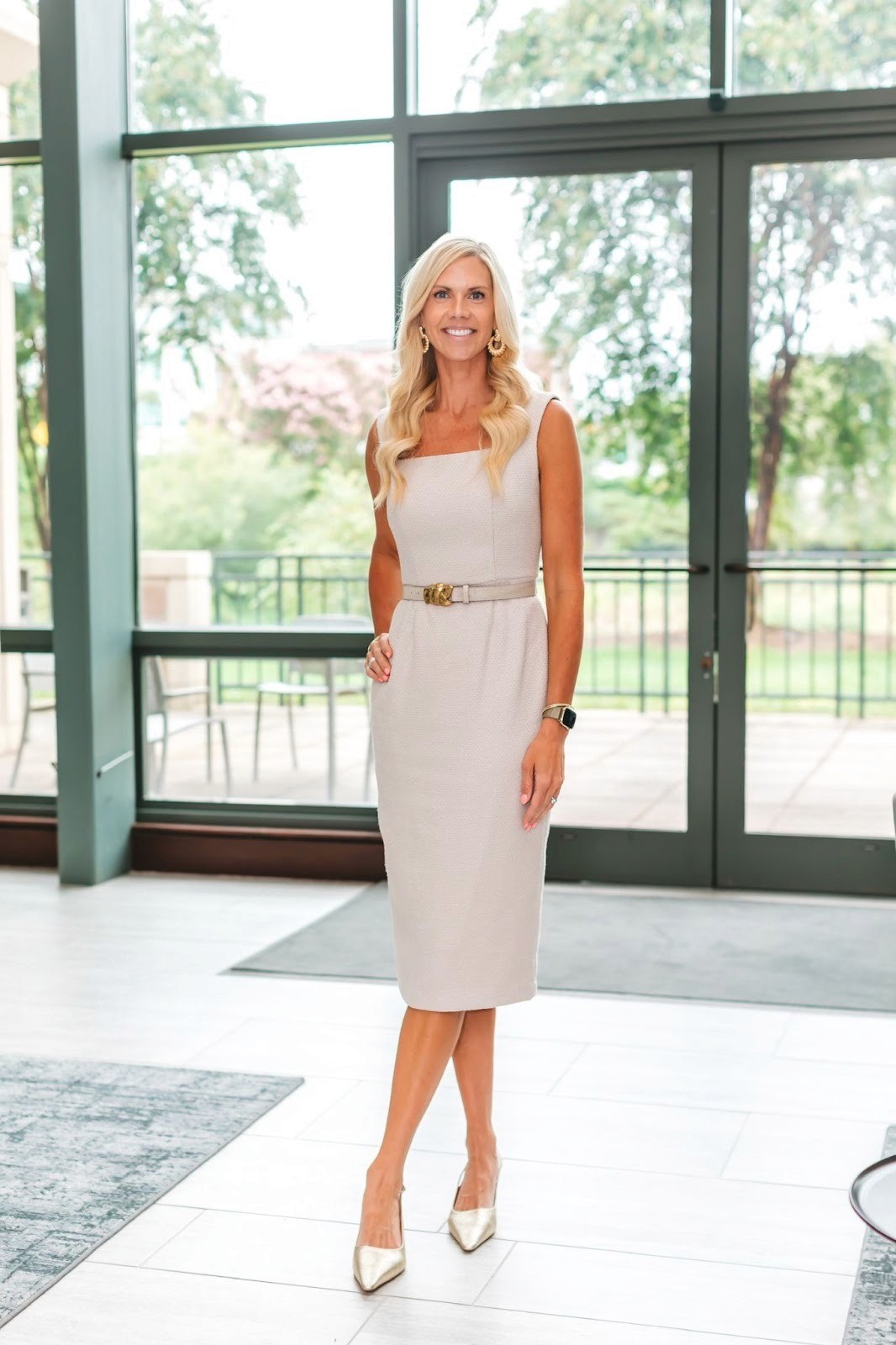
“It’s not about being perfect. It’s about being real,” Sara affirms. “When parents grow alongside their children, they can break generational cycles of emotional dysregulation and create healthier, more supportive family dynamics.”
Why Connection Is the Key to Emotional Resilience
Shifting from managing behavior to prioritizing emotional connection changes how families experience difficult moments. When parents focus on understanding what’s happening beneath a child’s reaction, rather than immediately trying to correct it, they create an environment where emotions feel safe instead of threatening. Over time, this sense of safety becomes the foundation for emotional resilience.
Sara’s work resonates strongly within neurodivergent communities, where many families are moving away from rigid, compliance-based models. Instead, parents are embracing strategies that support self-compassion, emotional awareness, and nervous system regulation, recognizing that resilience is built through relationships, not control.
Conclusion: Building Resilience Together
The journey toward raising emotionally resilient children begins with a shift in perspective. By prioritizing emotional awareness and connection, parents create environments that support both their own growth and that of their children.
Whether families are just beginning this journey or have been practicing emotional regulation for years, it’s never too late to build deeper connections. The result is a family dynamic grounded in trust, understanding, and mutual growth.
To learn more about Sara’s work and access valuable resources, visit her website or connect with her on social media: