
Rates, Courts and Washington Power Struggles Put the U.S. on Edge
Markets, courts and Washington collided as rate fears, voting disputes, AI regulation and foreign policy shifts drove U.S. headlines.
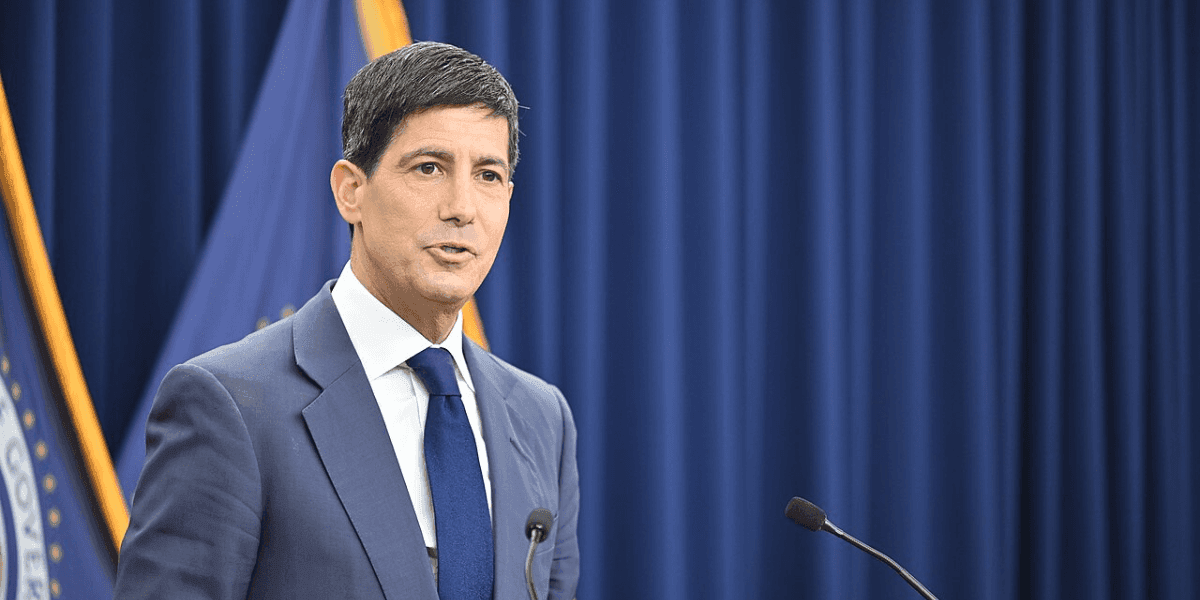
Federal Reserve Poised for First Rate Increase in Three Years
The Federal Reserve entered its two-day policy meeting with economists and investors widely expecting the central bank to raise its benchmark interest rate for the first time in three years. A quarter-point increase from the current rate of roughly 3.6% was viewed as the most likely outcome as policymakers confronted persistent inflation and higher energy costs.
The expected move would come despite President Donald Trump’s public calls for lower interest rates. Fed Chair Kevin Warsh has emphasized the need to bring inflation under control, while surging oil prices have complicated the economic outlook. The decision, scheduled for Wednesday, could affect borrowing costs for mortgages, credit cards and businesses while also testing the central bank’s independence amid political pressure.
Financial markets reflected that uncertainty Tuesday. The S&P 500 fell 0.4%, the Dow Jones Industrial Average dropped 0.6% and the Nasdaq composite lost 0.8%, with rising Treasury yields and oil prices weighing on stocks.
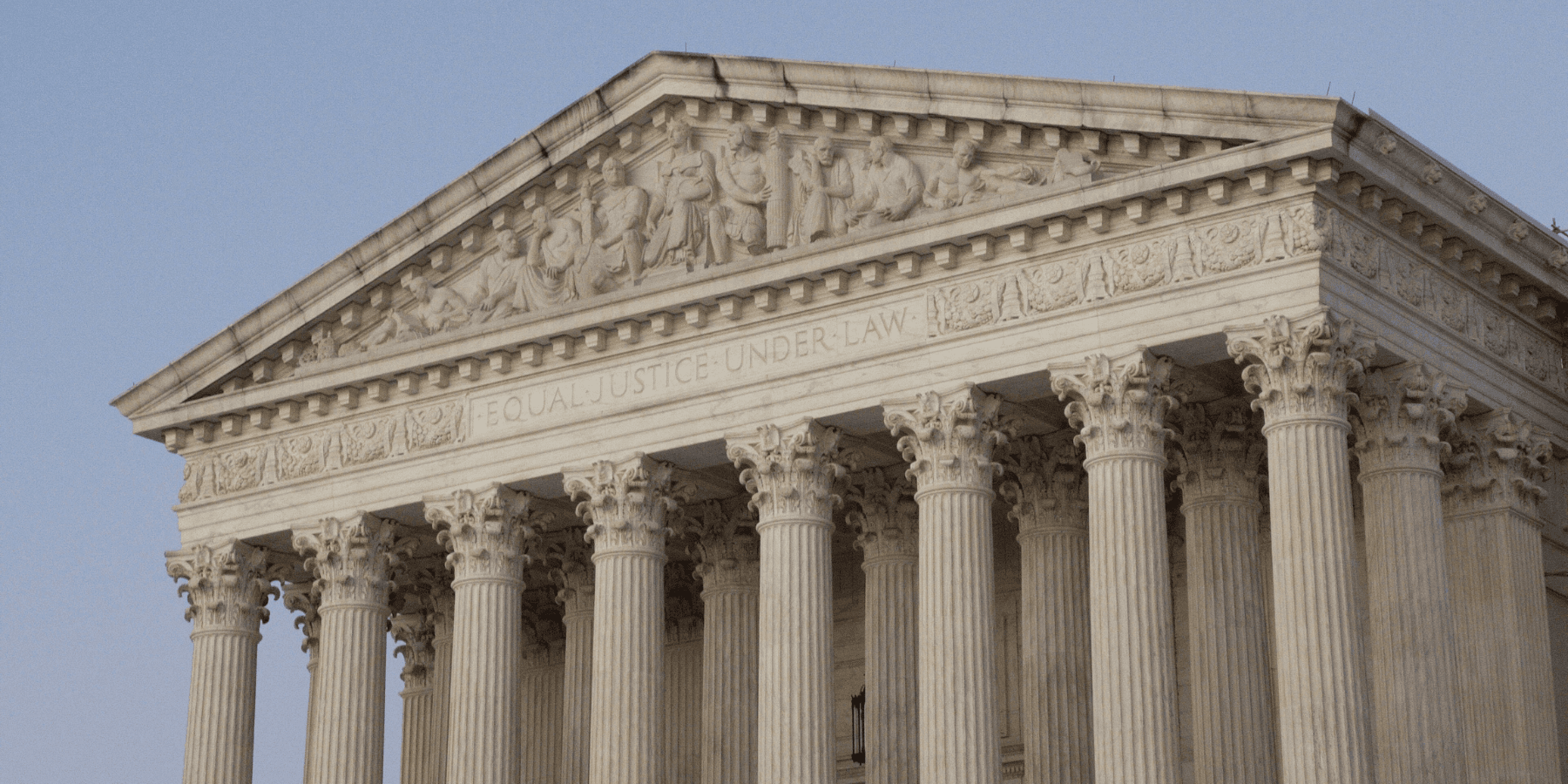
Photo Credit: Bravodelnorte / Wikimedia (Cropped)
Trump Escalates Criticism After Supreme Court Voting Defeat
President Trump sharply criticized the Supreme Court after it rejected his administration’s effort to impose new restrictions on mail ballots ahead of the November midterm elections. The court had acted Monday, but the political fallout intensified Tuesday as Trump publicly attacked the decision and criticized members of the court he helped shape during his first term.
Trump appointed Justices Neil Gorsuch, Brett Kavanaugh and Amy Coney Barrett. None of the three fully joined the administration’s position in the mail-ballot dispute, while Justices Clarence Thomas and Samuel Alito supported it. Kavanaugh indicated that the proximity of the election affected his view of the case. The episode highlights continuing tensions between the White House and a conservative-majority court that has supported some administration policies while rejecting others.
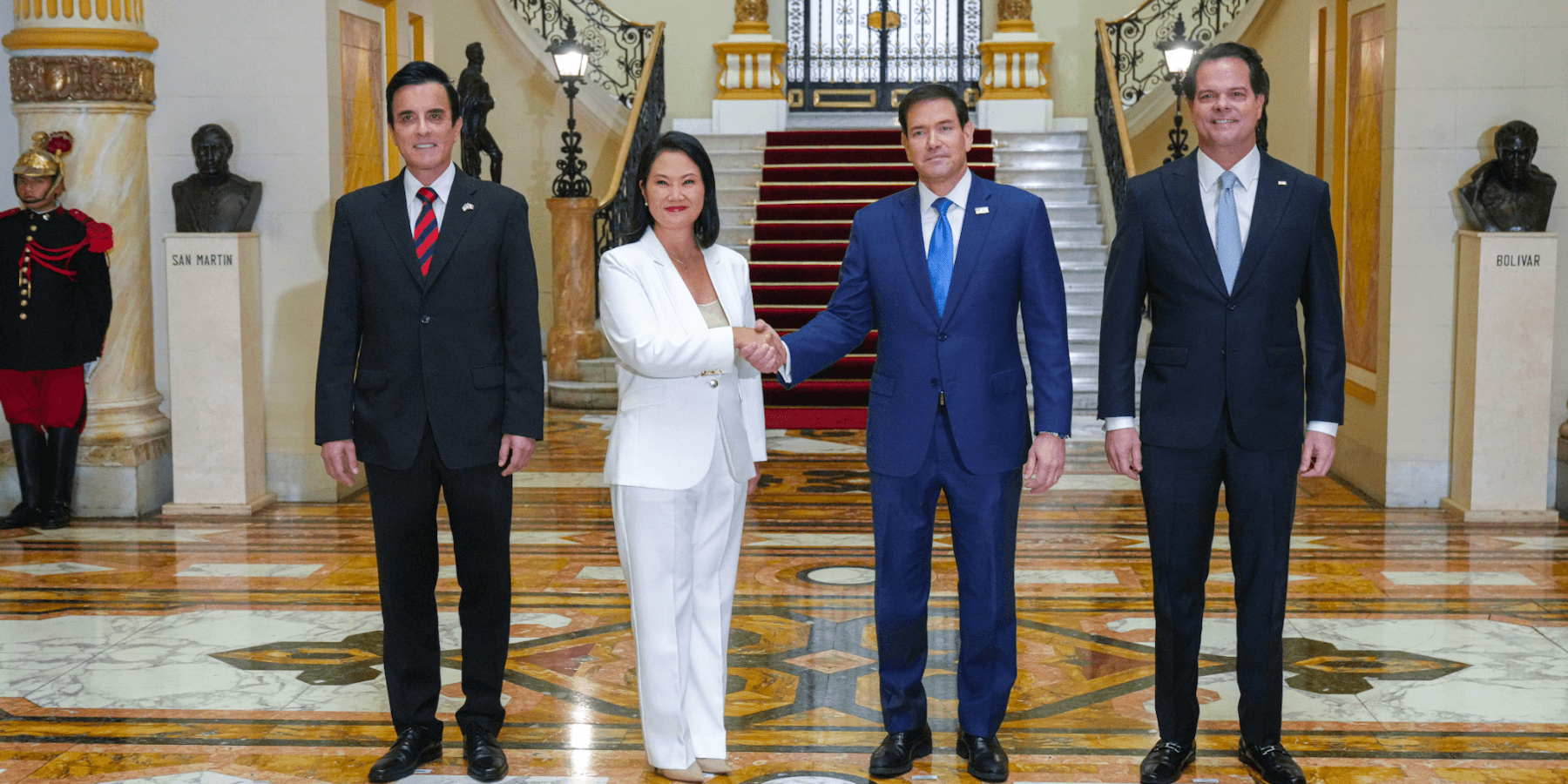
Photo Credit: U.S. Department of State / Wikimedia
U.S. Redirects Military Assistance Toward Latin America
The Trump administration notified Congress that it plans to redirect $52 million in foreign military financing from several countries in Europe and the Middle East toward governments in Central and South America. Funding previously allocated to Slovakia, North Macedonia, Tunisia and Iraq is being shifted to Panama, Peru, Ecuador and Colombia.
The State Department linked the change to the administration’s increased emphasis on the Western Hemisphere, including efforts to combat drug trafficking and unauthorized migration and to counter China’s growing regional influence. The move follows Secretary of State Marco Rubio’s recent visit to Colombia, Ecuador and Peru and comes amid broader administration pressure on European NATO members to shoulder more of their own defense costs.

Photo Credit: TechCrunch / Wikimedia (Cropped)
Washington Confronts Growing Pressure Over AI Regulation
Calls for federal oversight of artificial intelligence intensified as leading technology executives urged Washington to address potential risks associated with increasingly powerful AI systems. Executives including OpenAI CEO Sam Altman, Anthropic CEO Dario Amodei and xAI’s Elon Musk have publicly advocated forms of government oversight, though their specific approaches and priorities differ.
The issue remains politically divided. Trump has opposed recent efforts to constrain AI development, while Vice President JD Vance and other Republicans have warned against regulations they argue could weaken American technological competitiveness. Democrats held private discussions in the House on Tuesday about potential responses. With the midterm elections approaching and Congress operating on a shortened schedule, prospects for major legislation remain uncertain.
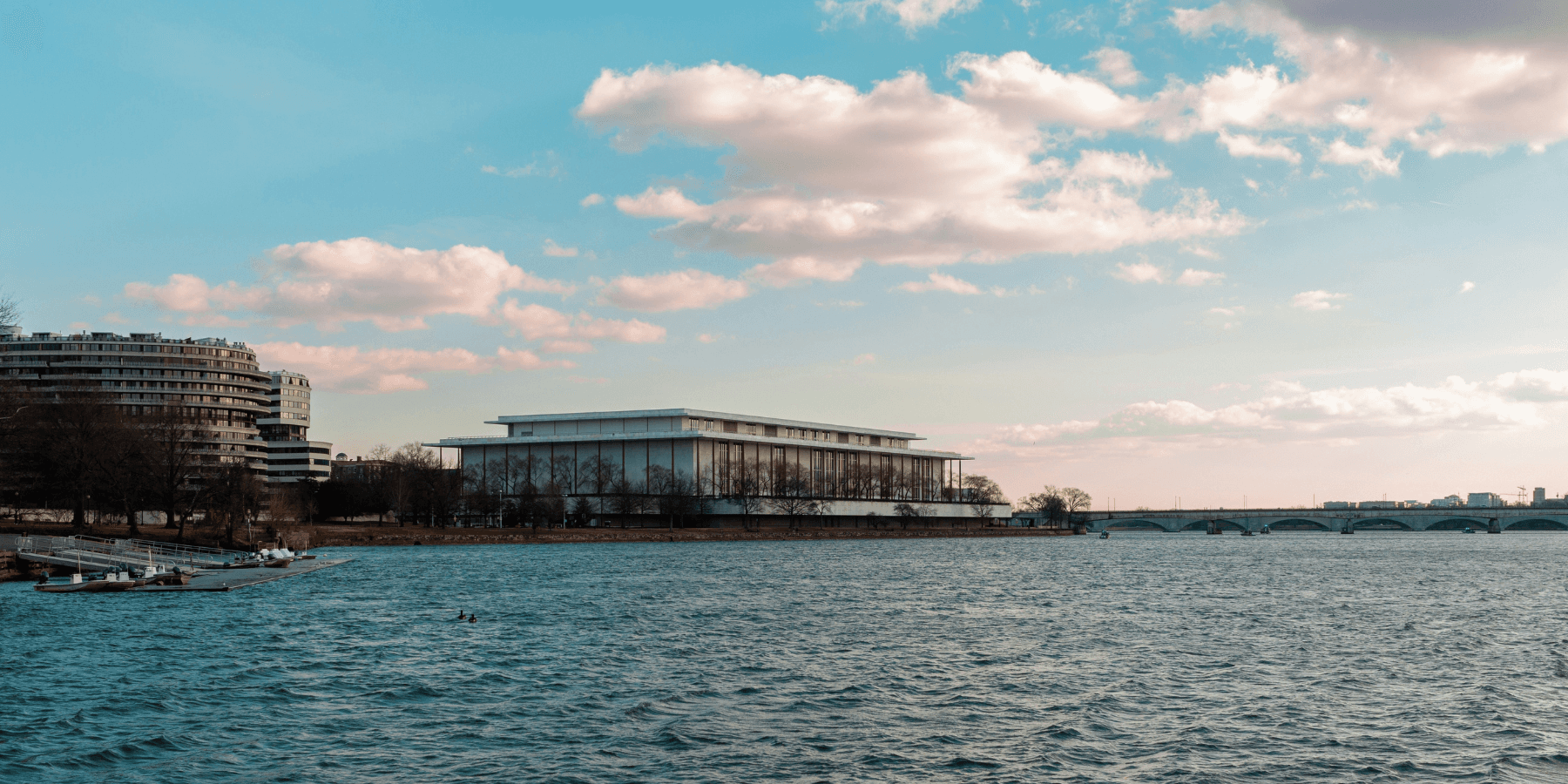
Photo Credit: Clay Elliot / Unsplash
Kennedy Center to Close as Naming Battle Intensifies
The board overseeing Washington’s Kennedy Center voted Tuesday to close most of the performing arts complex for renovations, hours after a federal judge again blocked efforts to put Trump’s name on the building without congressional authorization. Congress has allocated $257 million for repairs to the institution.
U.S. District Judge Christopher Cooper ruled that the center cannot install a memorial honoring Trump or another person without approval from Congress. The Justice Department appealed the decision. Trump said the closure was necessary for safety repairs but tied proceeding with the congressionally funded renovation to allowing his name to be added to the complex. The dispute places one of the country’s most prominent cultural institutions at the center of a broader fight over presidential authority, congressional control and the stewardship of federal landmarks.
Looking Ahead
The Federal Reserve’s Wednesday interest-rate announcement will be the immediate focus for markets and households, particularly as higher oil prices complicate the inflation outlook. The Supreme Court’s voting decision will remain important as states prepare for the November midterms, while Congress faces mounting pressure over AI regulation and the administration’s shifting foreign-policy priorities. The Kennedy Center dispute will also continue in the courts following the Justice Department’s appeal.