Samaná Group: Setting New Standards in Caribbean Capital Markets with Swiss Regulatory Approval
By meeting the stringent requirements for Swiss capital markets, Samaná Group sets a new institutional benchmark for governance, compliance, and sustainability in the Caribbean.

By
Feb 4, 2026

In a region often overlooked by institutional capital, Samaná Group has achieved an extraordinary feat: becoming the first Caribbean-based project to meet the rigorous due diligence requirements necessary to access Swiss-regulated capital markets. This milestone isn’t just about gaining market access; it signifies the successful alignment with the highest standards of governance, financial transparency, and long-term sustainability, setting a new institutional benchmark for the Caribbean.
Historically, the Caribbean has faced significant challenges when it comes to attracting institutional capital. While the region has drawn attention for its lifestyle appeal or opportunistic investment narratives, it has struggled to match the governance, regulatory alignment, and financial transparency required by global capital markets. Many projects from emerging markets fail to meet these expectations, but Samaná Group took a different approach, focusing on institutional preparedness rather than the typical narrative-driven strategies.
A New Institutional Standard for Caribbean Projects
Unlike many projects from emerging markets that rely on promises or lifestyle storytelling, Samaná Group chose a path of compliance, governance, and long-term discipline. By successfully navigating the rigorous due diligence process required to access Swiss capital markets, Samaná Group has redefined how Caribbean-originated projects approach global capital.
“We didn’t just want market access; we aimed for institutional qualification: to meet the governance, compliance, and regulatory standards necessary to operate within regulated capital markets,” says Marek Zmysłowski, founder of Samaná Group.
The Importance of Swiss Market Access
Swiss capital markets are recognized globally for their high standards in fiduciary responsibility, reporting discipline, and investor protection. Accessing these markets requires not only exhaustive documentation but also a commitment to formal governance frameworks and ongoing compliance. Many emerging-market projects fail to meet these criteria, but Samaná Group proved that when the structure is right, the capital markets respond.
For Samaná Group, the achievement marks a significant turning point. Instead of positioning itself through narrative alone, the company built its foundation on regulated financial infrastructure, aligning itself with the international standards of Swiss markets. As a result, the conversation has shifted, no longer is it about where the project is based, but whether its structure can stand up to scrutiny.
“Once you operate within a regulated capital market, the conversation changes entirely. It’s no longer about where you’re from; it’s about whether your structure can withstand the scrutiny,” explains Zmysłowski.
Fiduciary Structure and Governance: The Cornerstones of Samaná Group’s Success
At the heart of Samaná Group’s institutional positioning is its fiduciary structure, or trust. Designed to separate development execution from investor protection, this structure imposes enforceable rules, independent oversight, and clear accountability mechanisms. Unlike many development vehicles in the Caribbean, where flexibility often comes at the cost of predictability, Samaná Group has integrated strict governance standards that prioritize transparency and consistency.
“Governance isn’t something added on later. It must be built in from the beginning; otherwise, institutional capital is always out of reach,” says Zmysłowski. This approach ensures that Samaná Group operates with the highest standards of transparency, building investor confidence through clear, predictable processes.
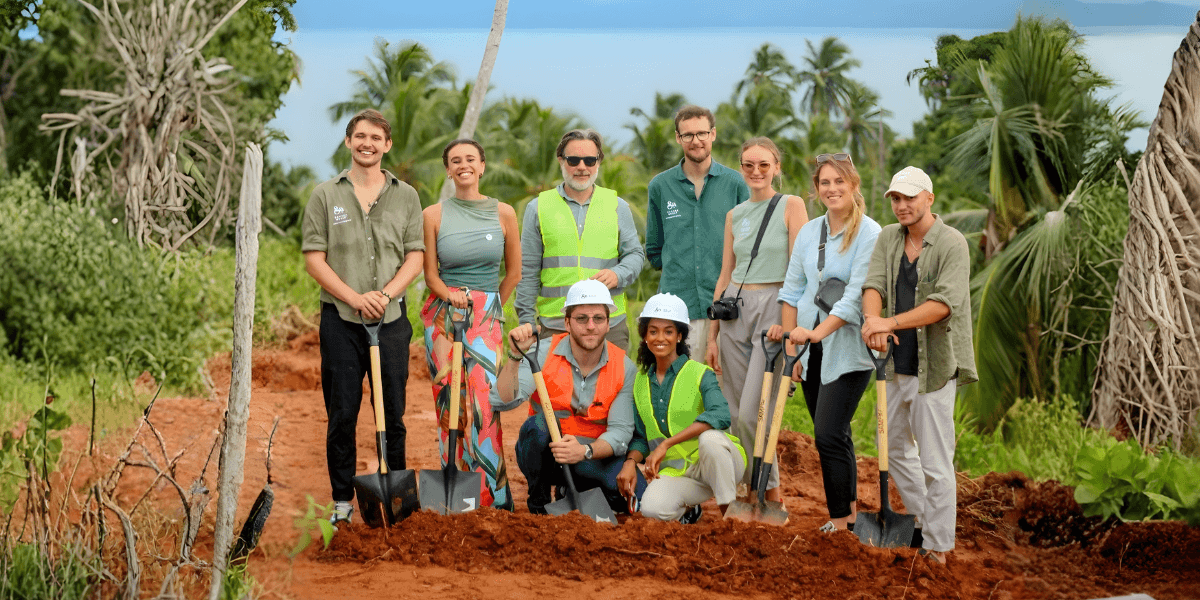
Sustainability Built Into the Operational Framework
Another distinctive element of Samaná Group’s model is how sustainability is incorporated into its operational framework. Rather than treating sustainability as an afterthought or a marketing message, the company integrated sustainability principles directly into its operational protocols and fiduciary structure. This integration makes sustainability a measurable, enforceable, and auditable part of its governance practices, further aligning with institutional expectations for long-term, responsible growth.
“When sustainability is part of the operational rules, it’s no longer subjective. It becomes measurable, enforceable, and auditable,” says Zmysłowski.
By embedding sustainability directly into its core operations, Samaná Group reduces execution risk and aligns with global institutional standards for long-term sustainability, ensuring that environmental and social considerations are part of the decision-making process from the outset.

Challenging Assumptions: The Caribbean and Institutional Capital
Samaná Group’s success in accessing Swiss-regulated capital markets challenges the persistent assumption that Caribbean-origin projects must rely on narrative or storytelling to attract capital. The company’s success demonstrates that with the right structure and a commitment to governance, regulatory compliance, and transparency, projects from historically underrepresented regions can access the same financial infrastructure as those from established markets.
“This isn’t about geography. It’s about structure. If the framework is correct and the standards are met, capital markets will respond,” says Zmysłowski. The rigorous due diligence process required adjustments in internal controls, reporting standards, documentation practices, and decision-making processes, as well as a cultural shift within the organization toward prioritizing discipline over speed and compliance over flexibility.
Consistency Over Momentum: Building Long-Term Credibility
With access to regulated Swiss markets now established, Samaná Group views this achievement not as a final goal but as the foundation for future growth. The company’s focus remains on maintaining compliance standards, strengthening governance, and building a long-term institutional track record that can withstand market cycles. In the capital markets, Samaná Group understands that consistency and predictability are more valuable than momentum or novelty.
“Our goal is to be predictable. In capital markets, predictability is credibility,” concludes Zmysłowski.
As global investors reevaluate how and where they allocate capital, Samaná Group’s experience sends a clear message: when governance, compliance, and structure are treated as core strategy elements rather than secondary considerations, projects from historically underserved regions can access the same regulated financial infrastructure as those from more established markets.
For institutional investors, this discipline, not storytelling, is what ultimately defines credibility.
Visit Samaná Group to learn more about how they achieved this milestone and their ongoing commitment to institutional integrity and sustainable development.