
Securing the Future: How Bodhisattva Das is Revolutionizing AI Safety in the Cloud
Bodhisattva Das is pioneering a new approach to AI safety and cloud security, reshaping how autonomous systems are governed.
Imagine a world where AI systems autonomously make decisions, decisions that affect everything from business operations to personal privacy. These AI agents are becoming embedded in nearly every facet of our digital infrastructure, driving efficiency and automating tasks previously thought to be too complex for machines. But as these systems gain more responsibility, they also pose a new breed of security and compliance risks.
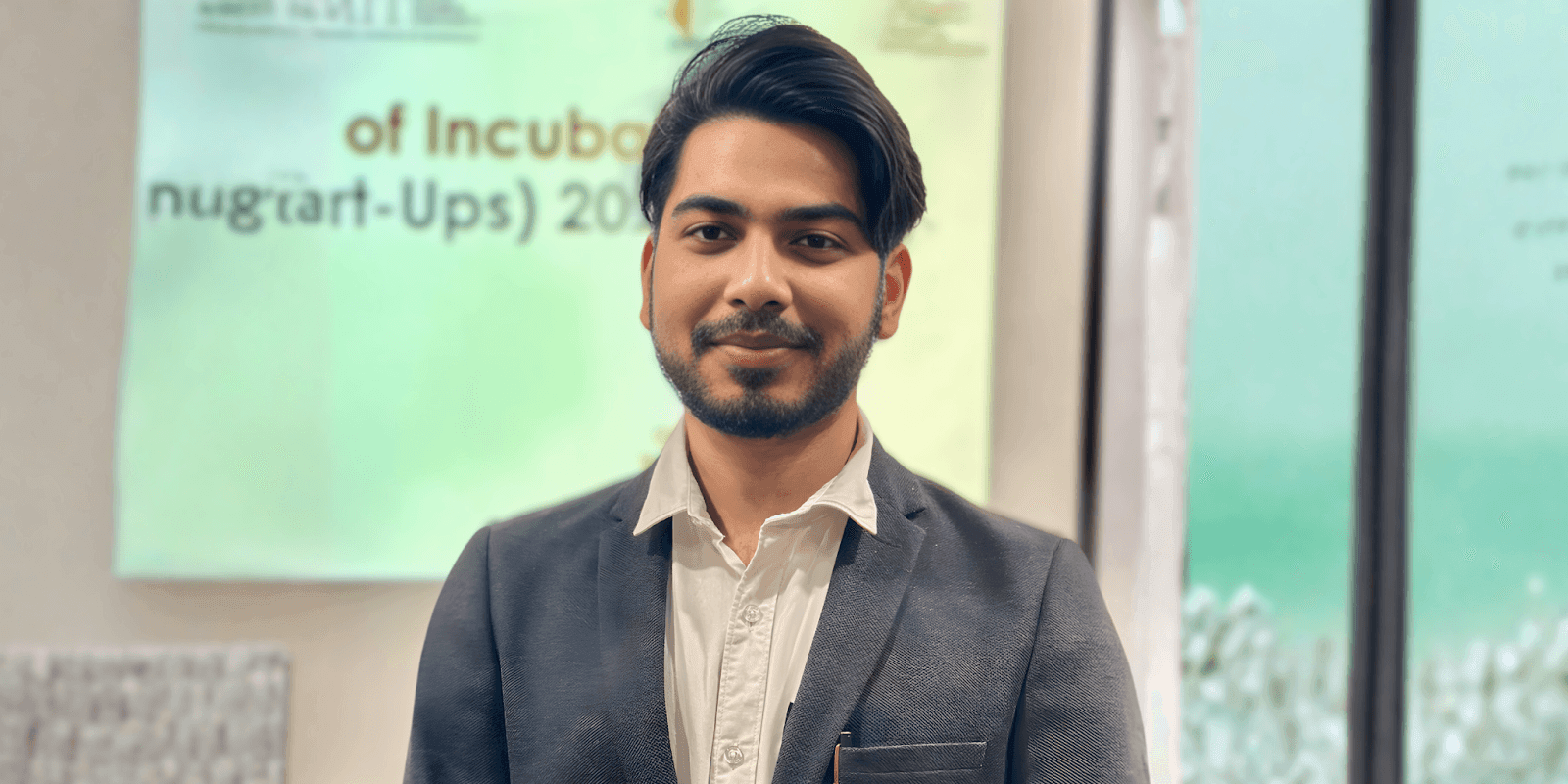
This is where Bodhisattva Das comes in. A cybersecurity expert, researcher, and speaker, Bodhisattva is leading the charge in securing cloud and AI-driven systems at scale. His work is not only changing the way we think about AI safety but also how we build, manage, and govern autonomous systems. Through his hands-on experience and pragmatic approach, Bodhisattva is uncovering the hidden security and compliance challenges that arise when AI agents are trusted with sensitive data, financial transactions, and even critical decision-making.
A Vision for the Future of AI Safety
Bodhisattva’s journey into the world of cybersecurity began with a deep curiosity about the intersection of AI and cloud security. Early in his career, he realized that as AI systems became more integrated into business processes, they were being granted the same privileges as human users. However, unlike human users, these autonomous systems were not bound by the same checks and balances. This led to an alarming realization: the security and compliance frameworks designed for human users were woefully inadequate for these AI agents.
Bodhisattva’s work focuses on filling this gap by developing a security model that treats AI agents as first-class security principals. His approach emphasizes the need for identity-aware security architectures that treat machine identities, bots, and AI systems with the same rigor as human users. This focus on machine identities is what sets him apart in the field of cybersecurity, where traditional methods of security management are ill-equipped to handle the complexity and autonomy of modern AI systems.
The Hidden Risks of Autonomous AI Agents
As Bodhisattva’s work evolved, so did his understanding of the risks posed by AI agents in production environments. Unlike traditional security threats, these risks don’t always stem from external actors or human error; instead, they arise from the inherent unpredictability of autonomous systems.
In many ways, AI systems in production are like the “insiders” of tomorrow’s cybersecurity challenges. These agents can access sensitive data, trigger financial transactions, and make decisions without direct human oversight. However, unlike human insiders, AI agents often operate in ways that are difficult to trace, monitor, and control.
One of Bodhisattva’s major breakthroughs was realizing that the traditional models for identity and access management, designed to protect human users, don’t work when applied to machines and autonomous systems. AI agents can make decisions at lightning speed, operate across vast networks, and access resources that far exceed any human’s reach. Without proper governance, these agents can easily become insider threats, causing security breaches that are almost impossible to detect in real time.
Bodhisattva’s Approach: Identity-Centric Security for AI Systems
What truly sets Bodhisattva apart in the field of AI safety is his focus on identity management for AI agents. Rather than treating AI as a tool or external actor, he advocates for a system where AI agents are treated as active, regulated participants in the security ecosystem. This approach requires a radical shift in how we think about security, compliance, and risk management.
Bodhisattva’s approach integrates AI safety, cloud security, identity management, and compliance into a unified framework. He emphasizes that securing AI agents is not a one-off task; it is a continuous process that must be embedded into the design and deployment of AI systems from day one. By embedding controls for traceability, monitoring, least privilege, and separation of duties into AI system architectures, Bodhisattva ensures that AI systems remain compliant and secure as they scale.
His work is deeply grounded in practical, hands-on experience. Bodhisattva has worked on securing cloud-native platforms, automating security controls, and extending open-source intrusion detection and SIEM systems with machine learning to enable more effective behavioral monitoring. This real-world expertise allows him to identify risks that others may overlook, helping organizations proactively safeguard their AI-powered systems before they become liabilities.
The Importance of Bridging the Gap Between Security and Compliance
As AI systems take on more responsibility, the line between security and compliance is becoming increasingly blurred. Bodhisattva is a vocal advocate for the idea that AI security and AI compliance are two sides of the same coin. In today’s regulatory environment, AI agents that access personal data, trigger transactions, or make decisions are inherently subject to compliance standards, even if organizations have not yet formally recognized this shift.
Bodhisattva argues that the traditional approach to compliance, where it is treated as a checklist after the fact, fails to address the complexities of AI-driven environments. Compliance must be woven into the fabric of AI systems from the beginning. This means designing AI systems with built-in traceability, automated access reviews, and auditability. It also means ensuring that AI agents are continuously monitored and that any misbehavior is quickly contained.
Drawing from his extensive background in cloud security and compliance engineering, Bodhisattva is pioneering a new way to think about AI compliance. By focusing on identity-aware security and behavioral monitoring, he is helping organizations bridge the gap between securing their systems and meeting regulatory requirements.
The Impact of Bodhisattva’s Work: Shaping the Future of AI Governance
Bodhisattva’s work has already made a significant impact on the cybersecurity community, and his influence is set to grow even further. In 2026, he will speak at NDC Security, where he will delve deeper into the topic of AI safety and compliance. His upcoming talk will explore how poorly governed AI and machine identities can undermine security efforts and turn “secure by design” systems into “breach by default” scenarios.
What makes Bodhisattva’s work so compelling is his ability to connect the dots between disparate areas of cybersecurity. His work transcends traditional boundaries, connecting AI safety, cloud security, compliance, and governance into a single, cohesive framework. This ability to bridge domains is what makes his approach so powerful and unique.
As AI continues to evolve, Bodhisattva’s insights into how organizations can safely deploy and govern these systems will become even more critical. His work offers a practical path forward, helping businesses secure their AI-driven systems while ensuring that they remain compliant with ever-evolving regulatory standards.
Embrace AI Security Today
In the race to deploy AI agents and autonomous systems, organizations must not overlook the critical need for security and compliance. Bodhisattva Das’ identity-centric approach offers a roadmap for businesses looking to safely navigate the complexities of AI governance. His work highlights the importance of building security and compliance into the DNA of AI systems from the outset.
For organizations looking to future-proof their AI systems and ensure they remain secure, auditable, and compliant, Bodhisattva’s expertise is invaluable. Visit his website or connect with him on LinkedIn to learn more about how you can secure your AI-driven systems today.
Links: