Security Shock in Washington and Rising Economic Pressures Shape America’s Day
The United States faced a mix of security concerns, economic uncertainty, and political activity, as developments in Washington and across the country underscored a tense and evolving national landscape. From a shooting near the White House to shifting expectations around interest rates and ongoing labor activism, the day’s headlines reflected both immediate disruptions and longer-term structural pressures. Together, these stories highlight a nation navigating volatility at home and abroad.

By
May 5, 2026
Secret Service Shooting Near White House Prompts Security Review
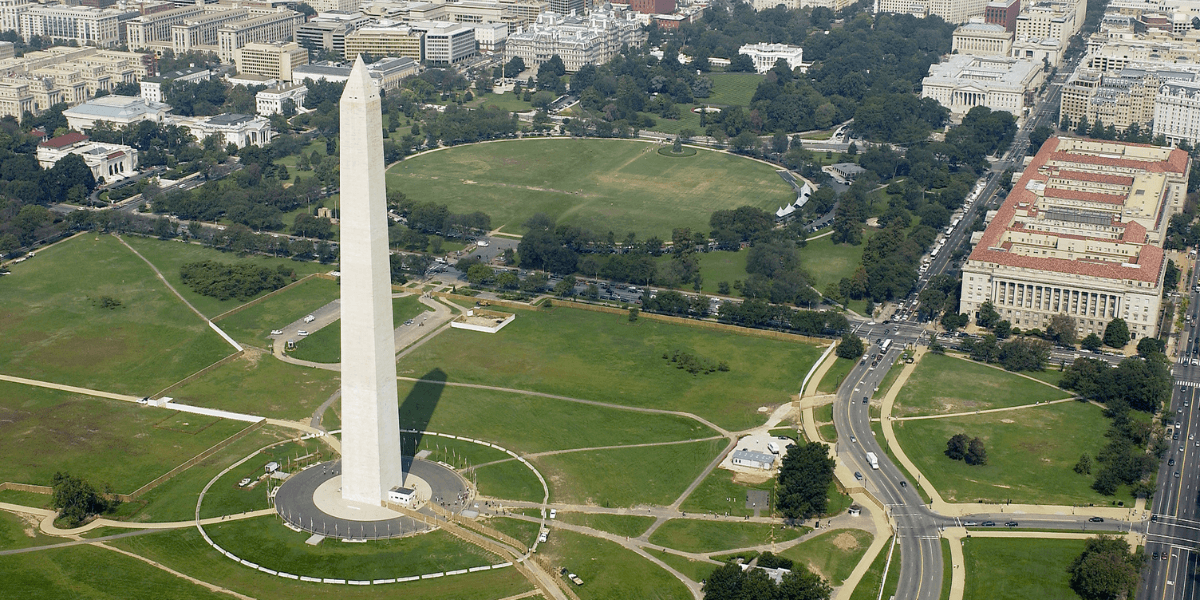
A shooting involving the U.S. Secret Service near the White House on May 4 continues to dominate national attention. Authorities say agents engaged an armed individual near the Washington Monument after the suspect allegedly fired toward officers. The suspect was shot and hospitalized, while a bystander, reportedly a child, sustained non-life-threatening injuries.
The incident triggered a temporary lockdown of the White House complex while officials secured the area. President Donald Trump was inside the White House at the time attending a business event. Investigators have not yet determined the suspect’s motive or whether the White House was the intended target, leaving lingering concerns about security vulnerabilities in one of the nation’s most protected zones.

The Federal Reserve annex in Washington, D.C.
Photo Credit: Tony Webster/Wikimedia
Markets Signal Persistent Inflation and Possible Rate Hikes
Economic indicators released this week point to mounting inflation concerns, with long-term Treasury yields surpassing 5% for the first time in months. Analysts attribute the rise largely to increasing oil prices and geopolitical tensions, which are feeding expectations of sustained inflation.
At the same time, markets are shifting their outlook on Federal Reserve policy. While the Fed recently held rates steady, investors are increasingly betting that the next move could be a rate hike rather than a cut. This marks a notable reversal from earlier expectations and reflects growing concern that inflation may remain stubbornly high through 2026.
Mortgage rates are also trending upward, with the average 30-year fixed rate climbing to around 6.46%. Though lower than peaks seen in previous years, the elevated rates continue to strain housing affordability and signal a prolonged period of tighter financial conditions for consumers.

Photo Credit: Fejuz/Unsplash
Trade Deficit Expands Amid Economic Uncertainty
New data shows the U.S. trade deficit widened again in March, marking its second consecutive increase. The expansion comes amid ongoing economic adjustments following the rollback of certain tariffs earlier in the year, adding complexity to the nation’s trade outlook.
A growing trade gap can weigh on overall economic growth and has become a focal point for policymakers assessing the strength of domestic manufacturing and global competitiveness. The latest figures arrive as broader economic signals remain mixed, with strong labor markets offset by inflationary pressures and uneven global demand.
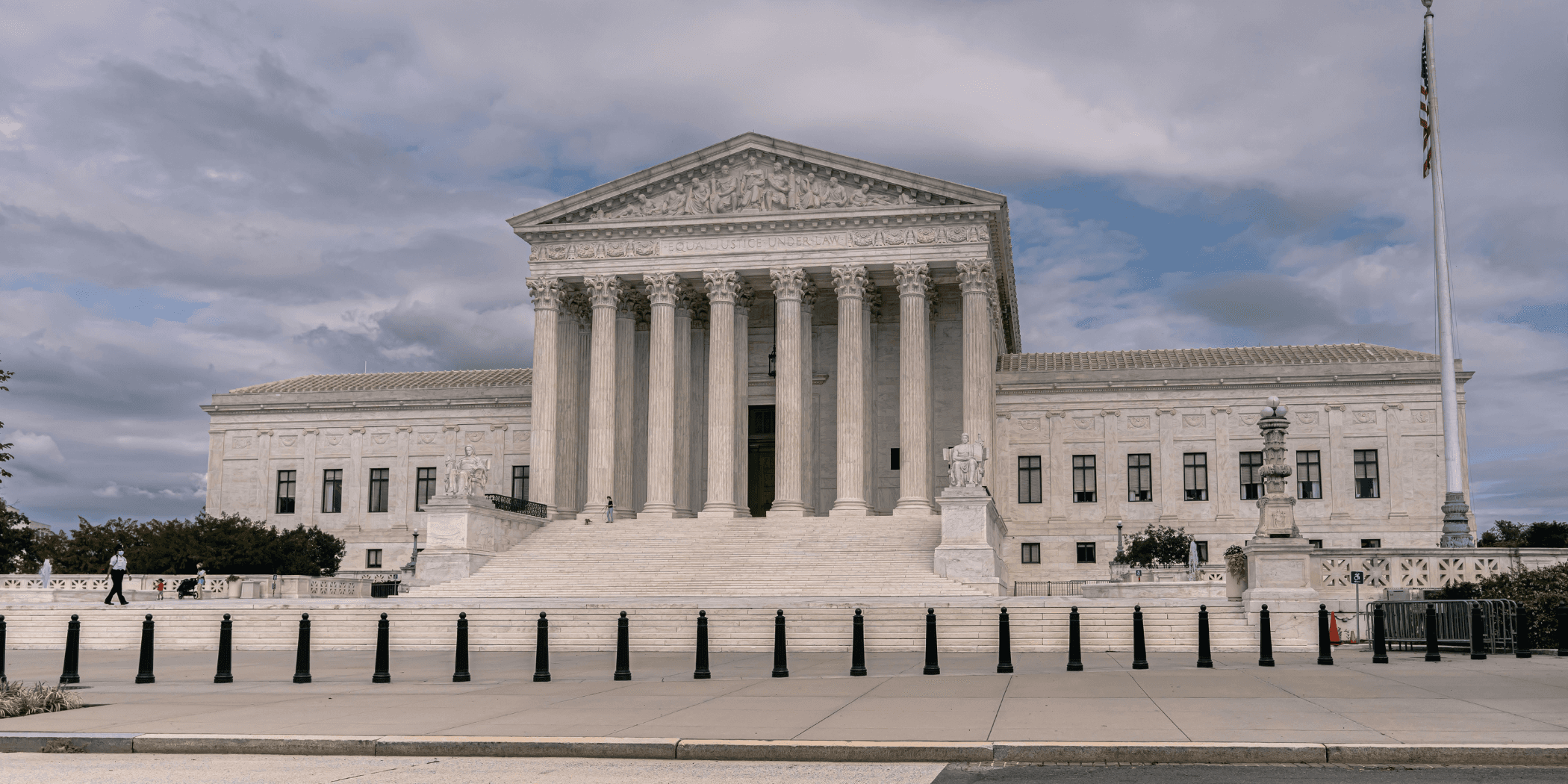
Photo Credit: Adam Michael Szuscik/Unsplash
Supreme Court Weighs Major Case on Federal Regulatory Power
The Supreme Court heard arguments this week in a closely watched case that could significantly reshape the federal government’s regulatory authority. At issue is whether agencies have the power to broadly interpret statutes when crafting rules, a long-standing practice that has guided policymaking for decades.
Several justices signaled openness to limiting that authority, raising questions about the future of regulations covering environmental protections, workplace safety, and financial oversight. A ruling narrowing agency power could shift more responsibility to Congress, potentially slowing the regulatory process and creating legal uncertainty across multiple sectors.
The case is being closely followed by business groups, environmental advocates, and policymakers alike, as its outcome could redefine how federal rules are written and enforced. A decision is expected later this term and could have far-reaching implications for the balance of power within the federal government.
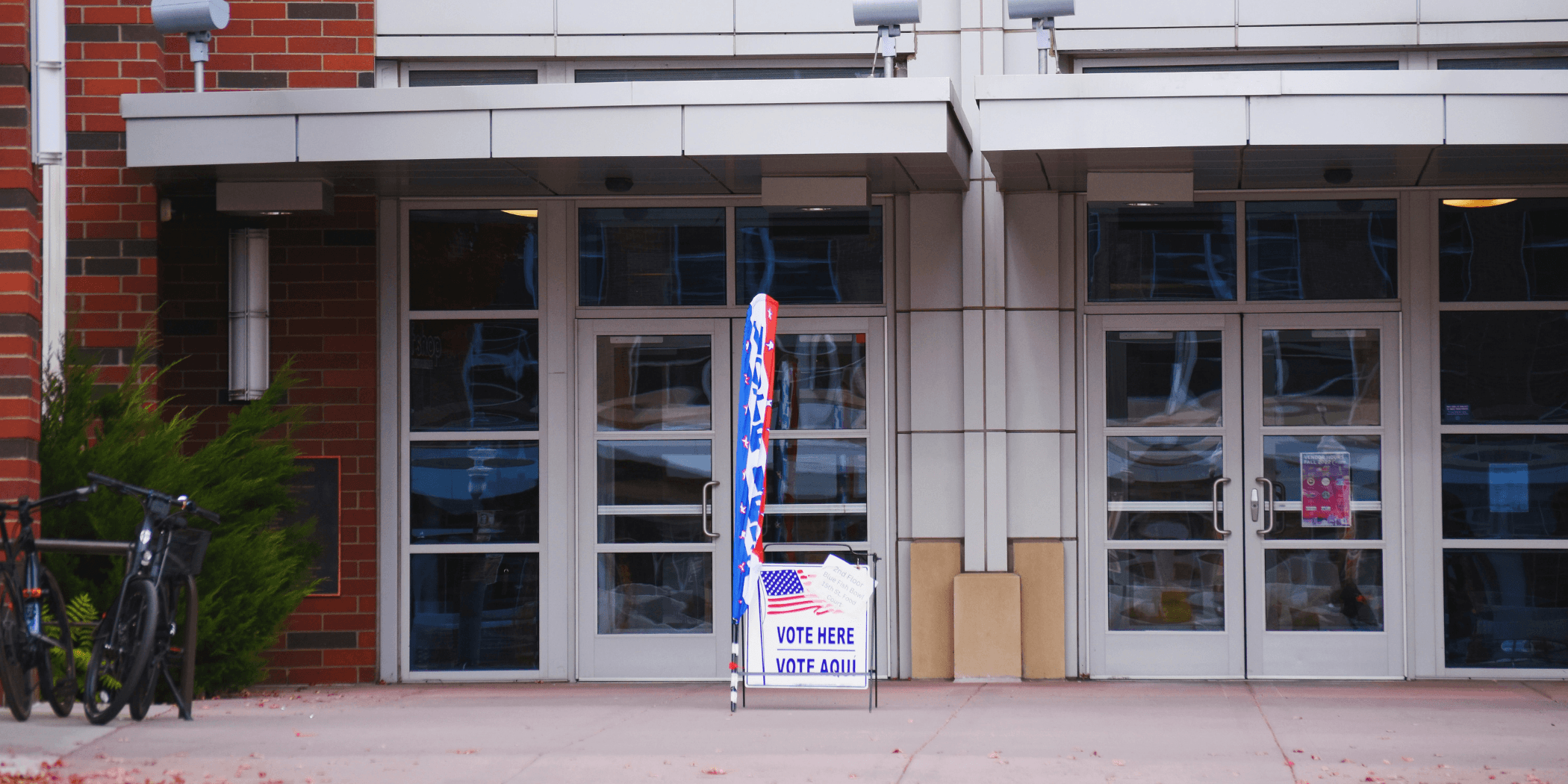
Photo Credit: Marilyn Tran/Unsplash
Primary Elections and Redistricting Battles Intensify Political Season
Voters in several states, including Indiana and Ohio, headed to the polls today for primary elections, marking a key moment in the 2026 electoral calendar. These contests are expected to shape the political landscape ahead of the midterm elections, with control of Congress at stake.
Meanwhile, redistricting battles are adding another layer of political tension. In Tennessee, lawmakers convened a special legislative session to consider redrawing congressional districts following a recent Supreme Court ruling on racial gerrymandering in another state. The outcome could significantly affect party representation and voter dynamics in upcoming elections.
Together, these developments underscore a politically charged environment, as both parties position themselves for a consequential election cycle amid legal and structural changes to the electoral map.
Looking Ahead
In the days ahead, attention will remain focused on the investigation into the White House-area shooting and any resulting security policy changes. Economically, markets will continue to watch inflation data and Federal Reserve signals for clues about the direction of interest rates. Politically, primary results and redistricting efforts will shape the trajectory of the 2026 midterms. As these threads unfold, they will collectively define the next phase of an already pivotal year in American public life.