Shocks of Violence and Political Turbulence Mark a Troubled End to November
The United States faces a day marked by violence, economic uncertainty, and escalating political conflict. A tragic mass shooting at a children’s birthday party in California has renewed debate over gun violence. Meanwhile, sweeping actions by the Donald J. Trump administration spotlight growing tensions over immigration, trade and domestic policy. On the economic front, mounting signs of a slowdown and declining consumer confidence are rattling markets. At the same time, legal and judicial developments hint at shifting terrain for major court battles ahead.
Mass Shooting at California Birthday Party Leaves Four Dead
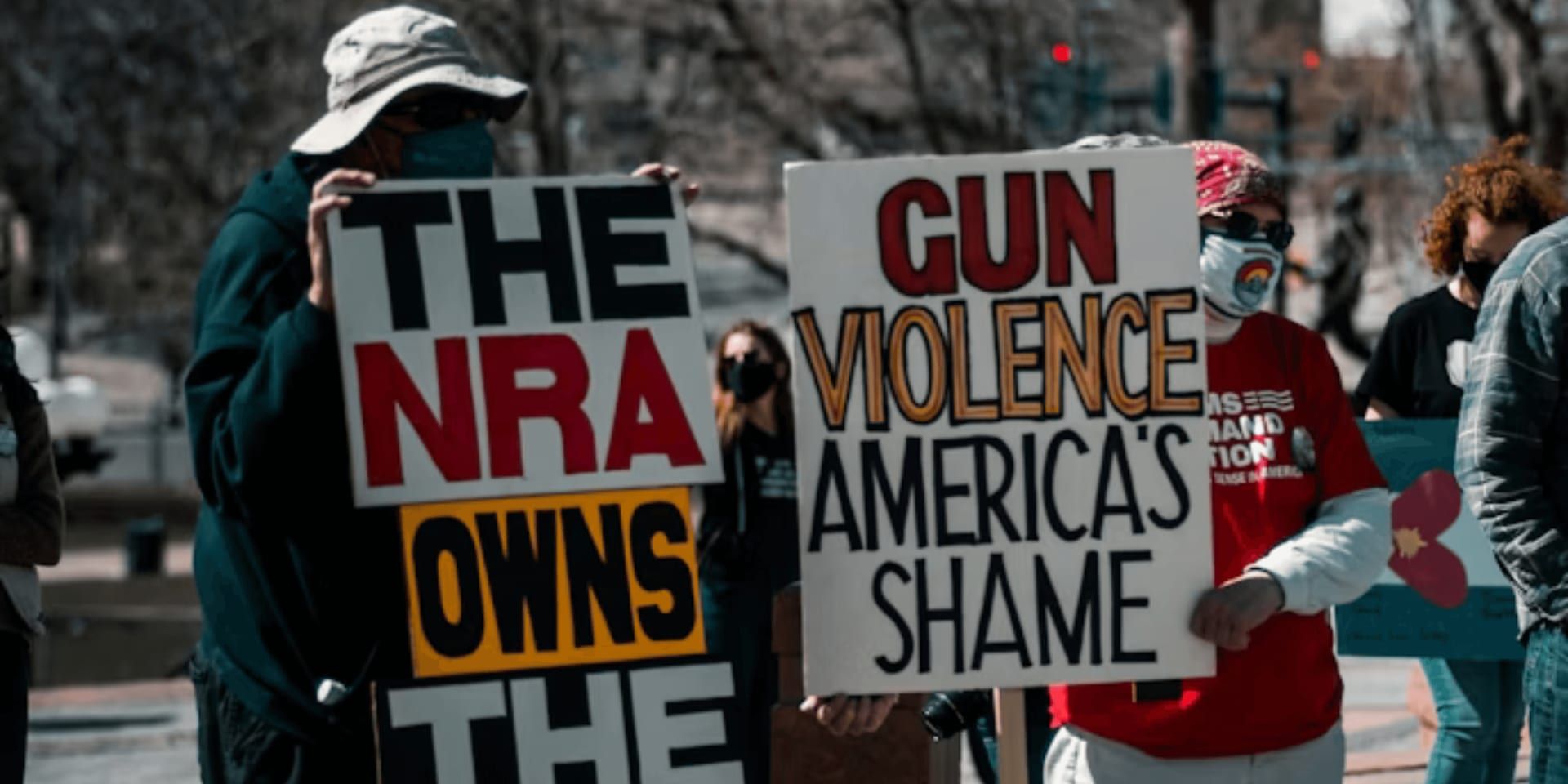
In a harrowing event late Saturday in Stockton, California, a mass shooting erupted during a child’s birthday party, killing four people — including three children — and wounding eleven others. Officials say the gathering turned tragic just before 6:00 p.m. local time, when at least two suspects opened fire, prompting a manhunt.
The victims reportedly included a 21‑year-old adult and three minors aged 8, 9, and 14. By Sunday morning, sheriff’s deputies described the investigation as ongoing and confirmed that no arrests had yet been made. Authorities said initial evidence suggests the violence may have been targeted rather than random. This tragedy intensifies national sorrow over gun violence and public safety — and raises urgent questions about community protection, gang activity, and preventive measures.
White House Responds to National Guard Shooting with New Immigration Crackdown
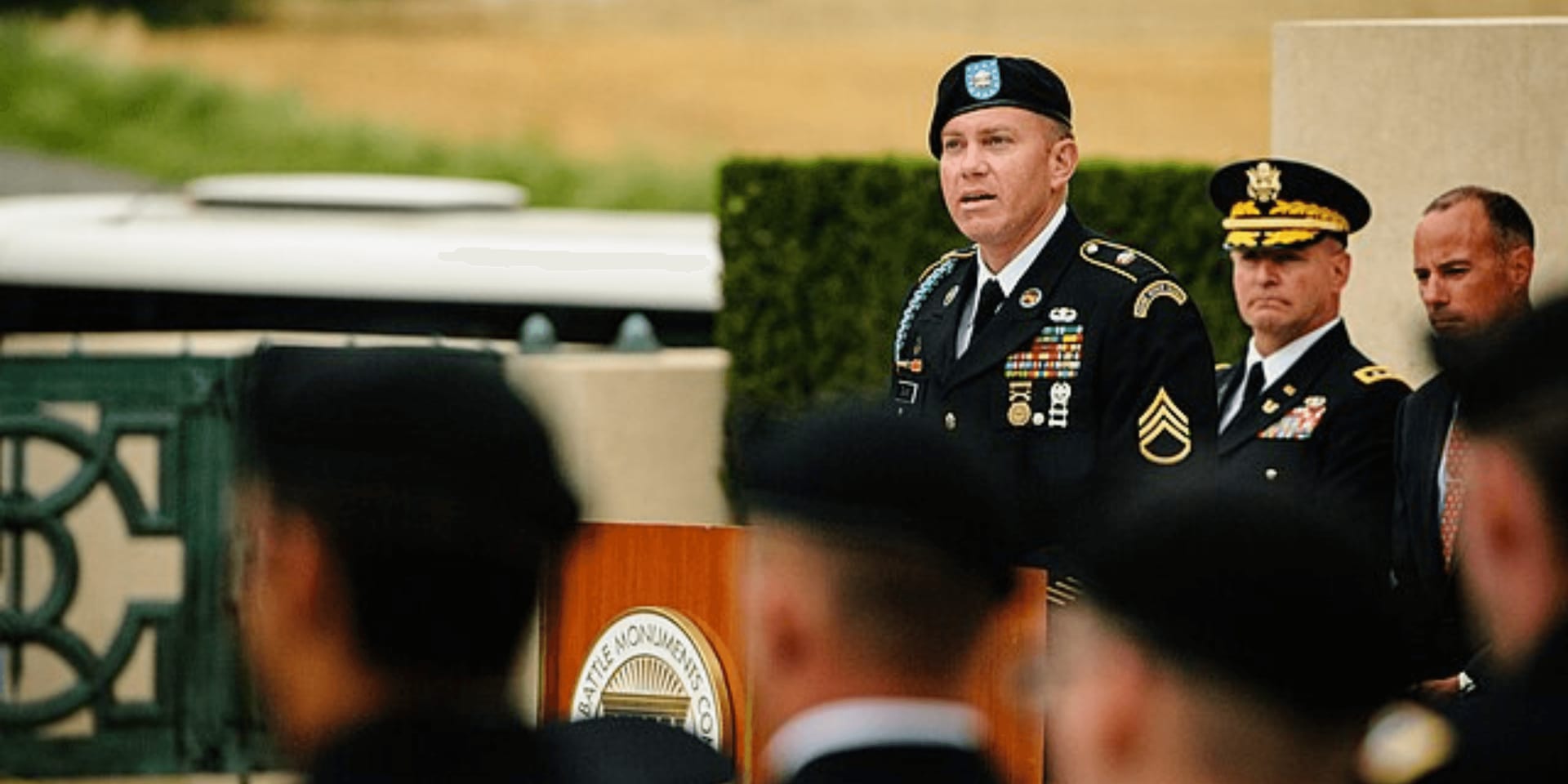
The deadly shooting last week near the White House — which left two National Guard members dead — continues to reverberate through Washington, prompting a sweeping policy response from the Trump administration. The suspect, identified as a 29‑year-old Afghan national, is now charged with first-degree murder.
In a fierce public address, the president ramped up his anti-immigration rhetoric, calling for an immediate freeze on immigration from what he described as “third world countries,” and pledging to end federal benefits for noncitizens deemed a burden. The administration has already begun expediting deportations and is signaling further executive actions targeting immigration. Critics argue the rhetoric and subsequent policies stoke xenophobia and reinforce fear; supporters insist the moves are vital for national security. The standoff threatens to inflame an already polarized national debate over immigration and civil rights.
Economic Headwinds Grow as Consumer Confidence Slumps
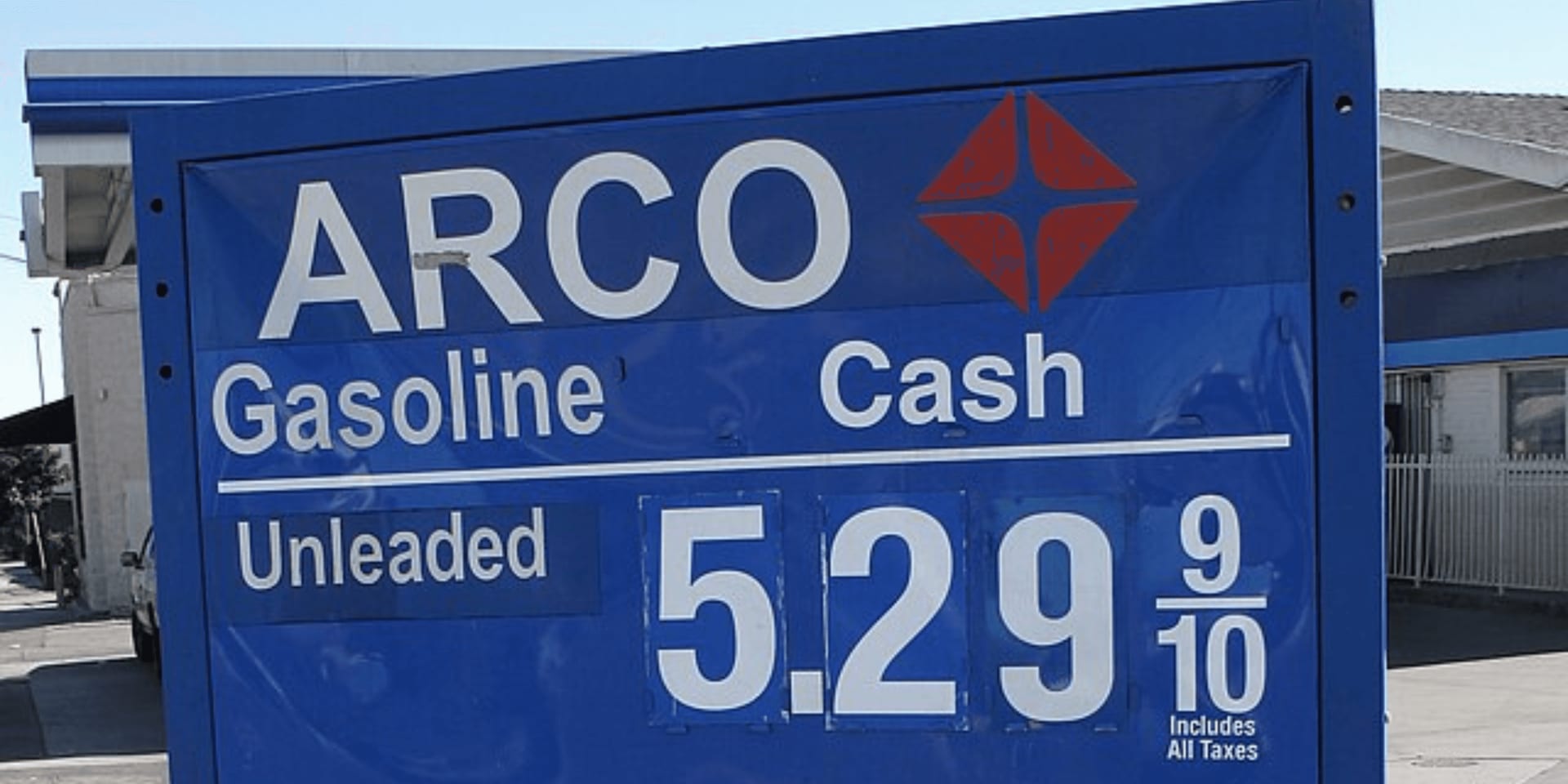
Economic signals across the country are flashing warning signs, as data published this week show a sharp decline in consumer confidence. According to the The Conference Board, its consumer confidence index dropped to 88.7 in November, falling well short of forecasts and down from a revised 95.5 in October.
Households cited high prices, inflation, trade tensions, and political uncertainty as top concerns. Meanwhile, recent surveys of manufacturing and business order flows suggest weakening demand internally — a pattern that analysts say could prompt the Federal Reserve to consider easing interest rates later this economic cycle. The confluence of weaker sentiment, rising costs, and slowing manufacturing has unsettled markets and added fresh pressure on policymakers to address affordability, growth, and economic stability.
Tariff Fallout Risks Trigger Political and Legal Showdowns
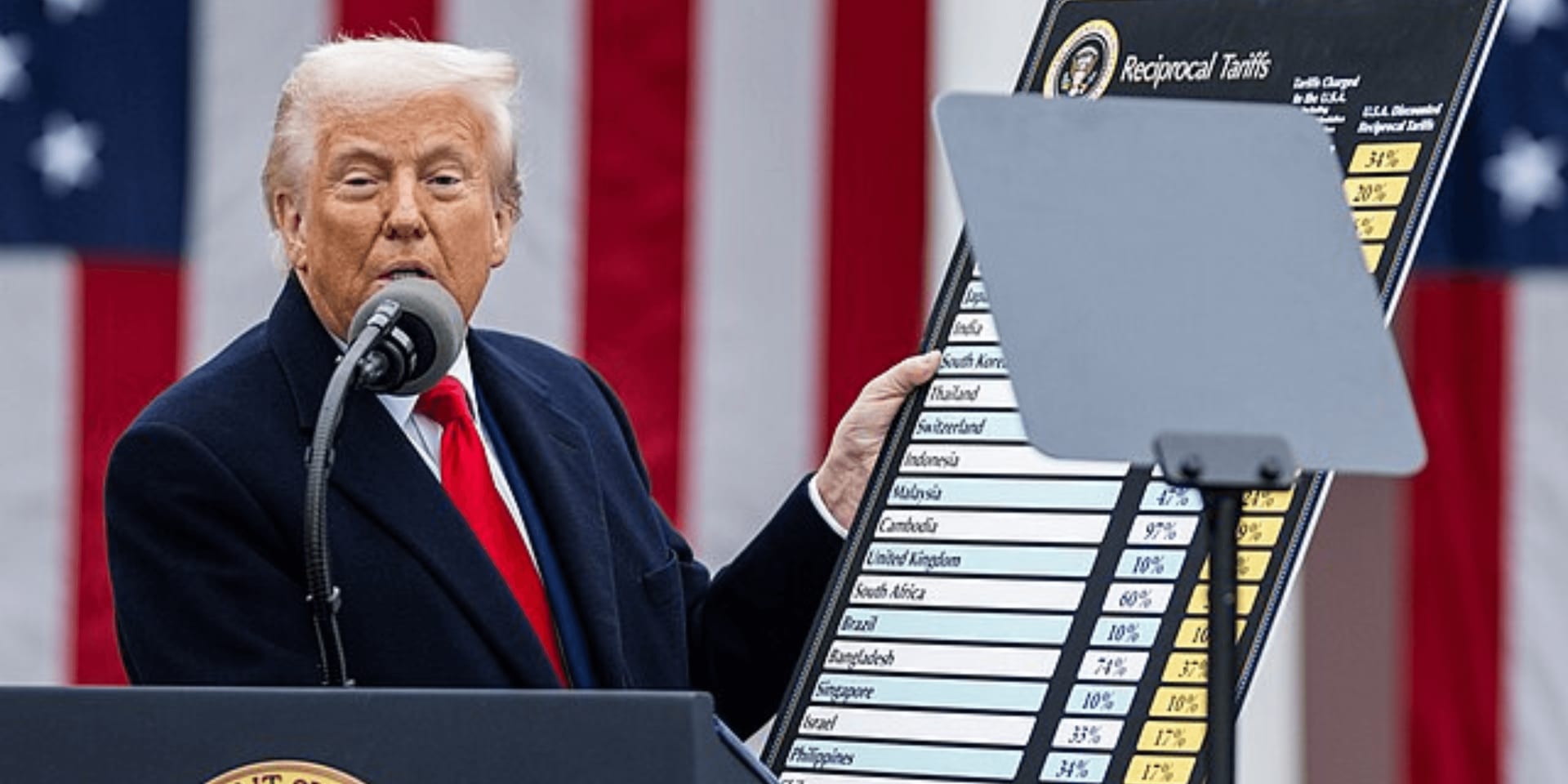
The tariff regime championed by President Trump remains a flashpoint — not just economically, but politically and legally. According to Treasury data, U.S. duty collections since 2024 total more than $213 billion, with some months hitting record highs.
Critics of this approach warn that tariffs function as hidden taxes on consumers and contribute to inflation. Advocates within the administration portray the revenue as a tool to fund domestic dividend payments and reduce the nation’s $38 trillion debt. Meanwhile, the U.S. Supreme Court is slated to adjudicate several pivotal cases this term — including challenges tied to the reach of presidential tariff powers and questions around emergency economic authority. With both legal and economic risks in the balance, tariff policy is shaping up to remain one of the defining national debates of the moment.
Courts and the High-Stakes Agenda for 2026
As the Supreme Court embarks on its 2025–26 term — which began in October — the docket includes several consequential cases that could reshape legal precedent across civil rights, commerce and regulatory powers. Among the issues before the justices are the constitutionality of tariff-based economic controls, challenges to abortion and transgender rights laws, and disputes over the scope of federal regulatory power.
Legal experts note that several cases may reopen debates over voting rights, executive authority, and protections for minority and marginalized communities. The court’s upcoming rulings may sway not just legal doctrine but also the broader trajectory of federal–state power, economic regulation, and civil liberties. With a politically divided country and shifting social norms, the Court’s decisions could deeply influence how Americans live and work — making the upcoming months critical to the nation’s legal future.
Looking Ahead
As the nation reels from tragedy and confronts uncertainty on multiple fronts, several key lines of tension are poised to shape the weeks ahead. Law enforcement is under intense pressure to solve the Stockton shooting and public debate over gun control is likely to intensify. The Trump administration’s immigration crackdown will almost certainly encounter legal challenges and spark protests, while economic anxiety may push Congress and regulators to consider measures to ease financial strain. Meanwhile, forthcoming rulings from the Supreme Court promise to recalibrate the balance of power across courts, states, and the federal government. In the near term, Americans will be watching closely for outcomes that could redefine everything from public safety to economic opportunity — and the nation’s broader social contract.