Supreme Court Voting Clash, Rate-Hike Jitters and a Major Climate Rollback Shape America’s Monday
A Supreme Court voting clash, rate-hike concerns, climate rollbacks and battles in Congress shaped a consequential day across America.

By
Sep 14, 2026

Supreme Court Blocks Trump’s Mail-Ballot Restrictions
The Supreme Court rejected the Trump administration’s attempt to impose new restrictions on mail ballots ahead of the November midterm elections, leaving existing state voting procedures in place as ballots are already being distributed in parts of the country. The administration had sought to use U.S. Postal Service authority to change how mailed ballots would be handled, but lower courts blocked the effort.
The court’s emergency action represented a significant defeat for President Donald Trump on an issue he has repeatedly placed at the center of his election agenda. Justices Samuel Alito and Clarence Thomas publicly dissented. Justice Brett Kavanaugh indicated that questions about federal authority could potentially be considered in the future, but the proximity of the midterms weighed against changing election procedures now. The decision provides immediate clarity for states that rely heavily on voting by mail while leaving broader legal questions unresolved.
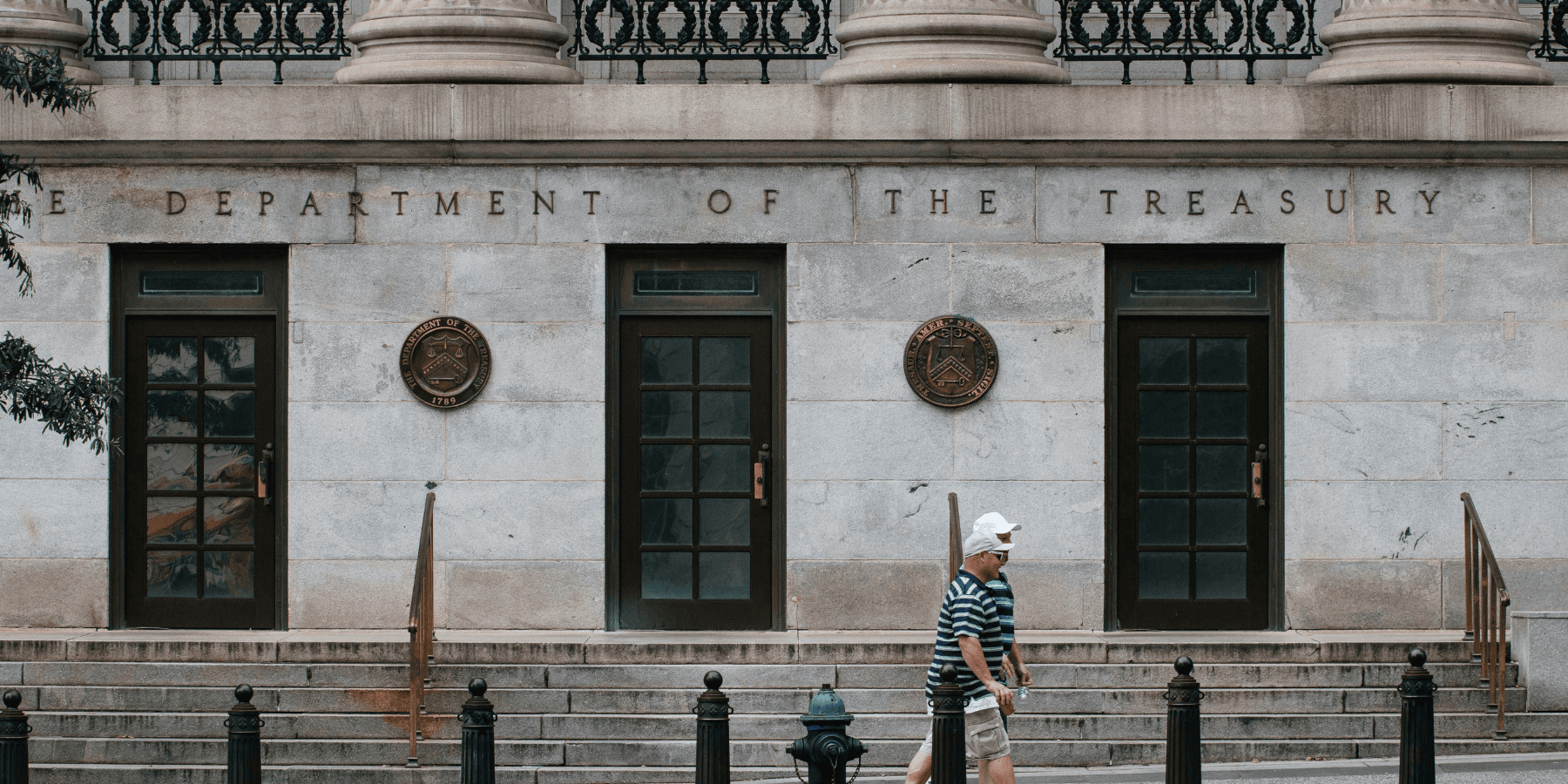
Photo Credit: Connor Gan / Unsplash
Markets Brace for a Federal Reserve Rate Increase
Attention on Wall Street turned toward the Federal Reserve’s September 15–16 meeting, with investors heavily expecting policymakers to raise their benchmark interest rate by a quarter percentage point to a range of 3.75% to 4%. Such a move would be the first rate increase under Fed Chair Kevin Warsh and would underscore the central bank’s renewed concern about inflation.
Those concerns intensified as global energy disruptions pushed oil prices above $100 a barrel. Meanwhile, a selloff in U.S. government debt briefly drove the 10-year Treasury yield to 5%, threatening to increase borrowing costs for households and businesses. Recent data showing stronger employment alongside elevated inflation have further strengthened expectations that the Fed will tighten monetary policy rather than provide the rate relief markets once anticipated for 2026.
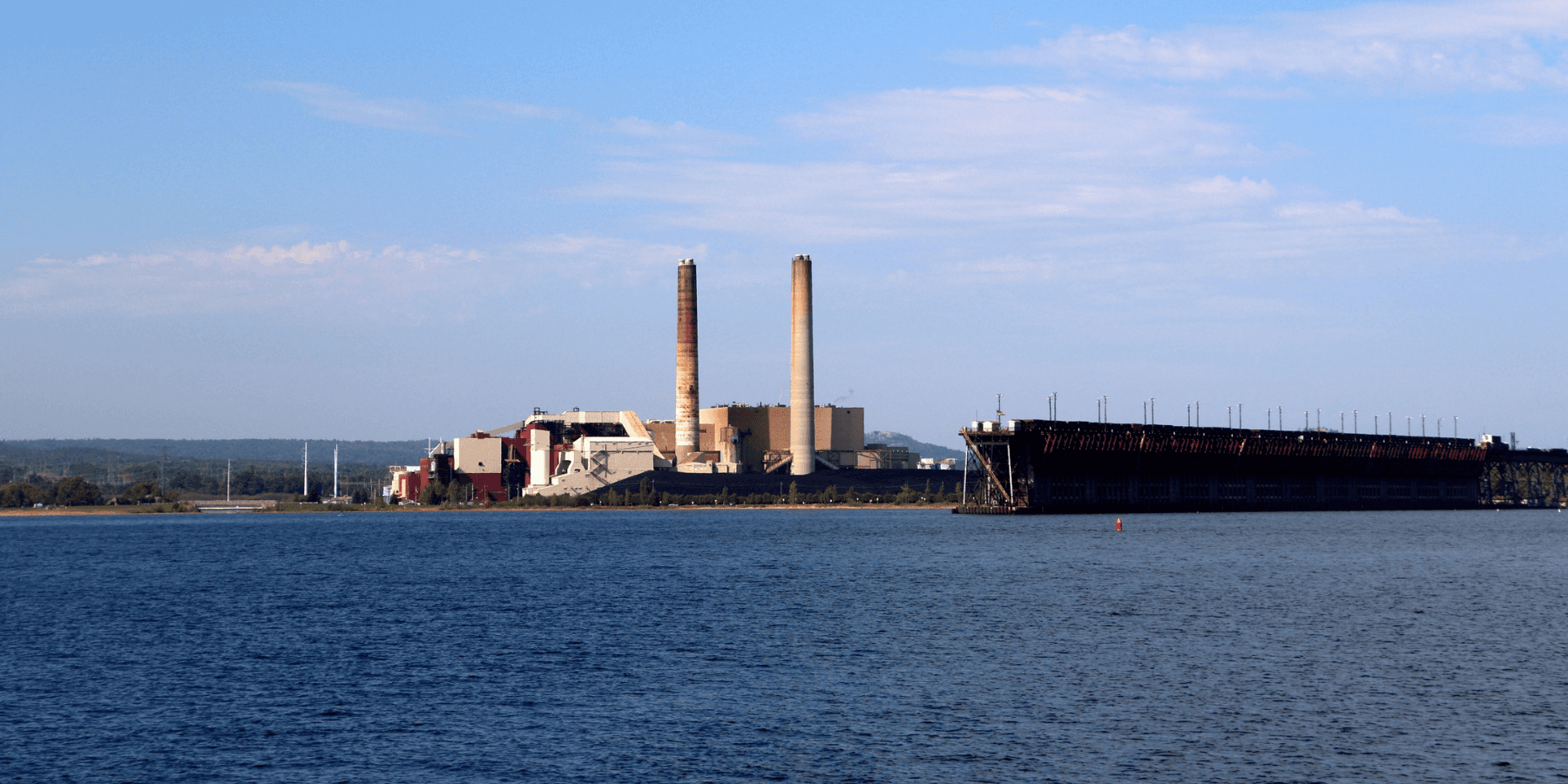
Photo Credit: Rklawton / Wikimedia (Cropped)
EPA Scraps Major Power-Plant Climate Rules
The Environmental Protection Agency announced a sweeping rollback of federal limits on greenhouse gas emissions from coal- and natural-gas-fired power plants. The administration said repealing the Biden-era requirements would remove more than $300 billion in industry costs and allow utilities greater flexibility as electricity demand rises.
The decision represents another major reversal of U.S. climate policy under Trump. EPA also advanced a separate effort that could make it harder for future administrations to regulate greenhouse gas emissions from power plants under the same section of the Clean Air Act. Environmental and public-health organizations said they would challenge the moves in court, setting up another potentially consequential legal battle over the federal government’s authority to regulate climate pollution.
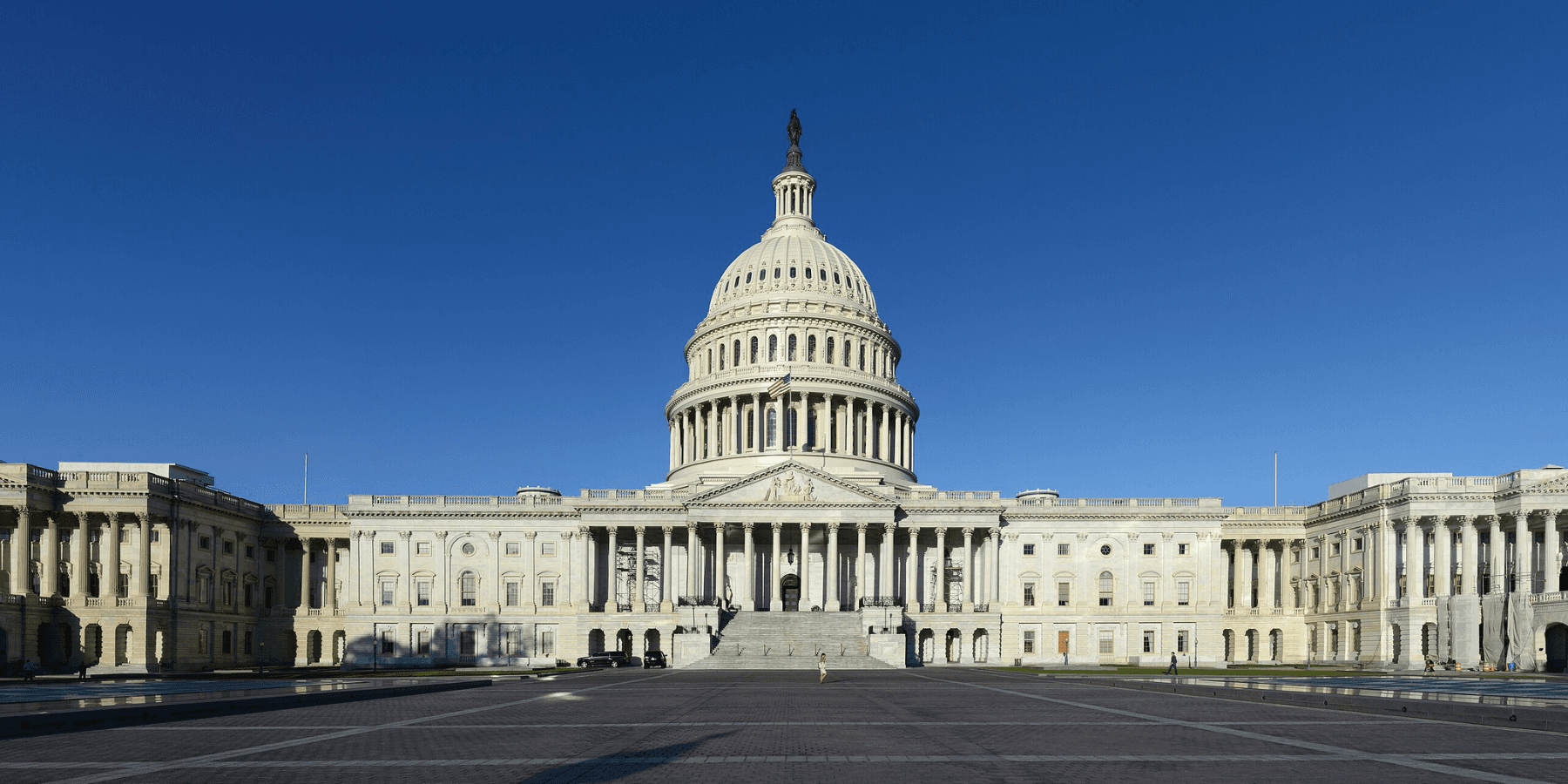
Photo Credit: Alvesgaspar / Wikimedia (Cropped)
Congress Returns for a Short Pre-Midterm Sprint
The House and Senate returned to Washington for their final major legislative stretch before the November elections, but lawmakers face a narrow window to complete unfinished business. The House is scheduled for only one week of legislative work before members return to campaigning, while the Senate currently has three weeks on its calendar.
Among the unresolved issues are additional military funding, competing versions of the annual defense authorization bill and long-delayed farm legislation. Artificial intelligence is also emerging as a prominent policy dispute. Senate negotiators are considering legislation that could require AI developers to demonstrate reasonable precautions against serious harms, even as Trump and Republican leaders argue that excessive regulation could undermine U.S. competitiveness with China. Despite mounting pressure for federal guardrails, major AI legislation appears unlikely to advance during the abbreviated September session.
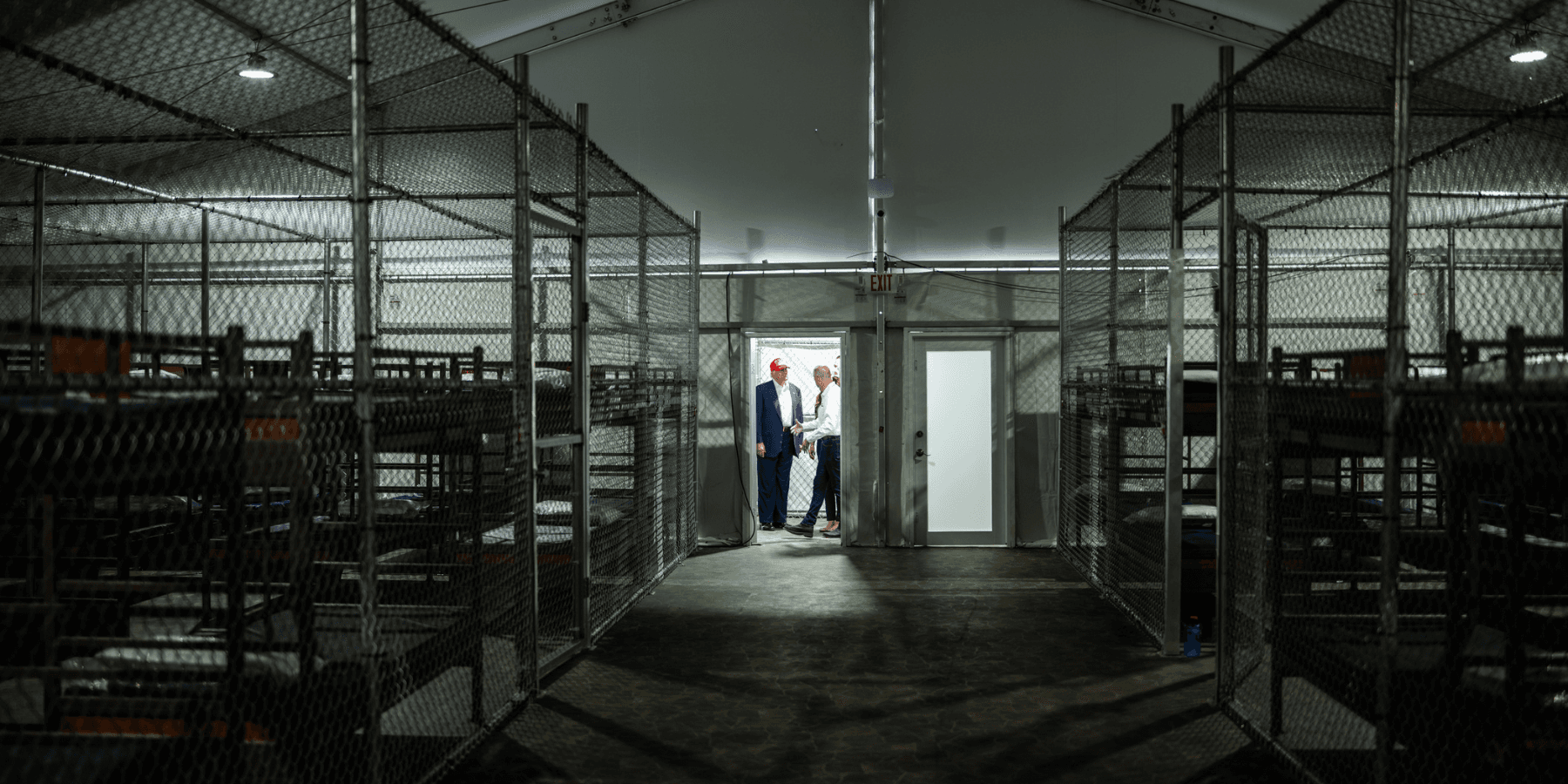
Photo Credit: The White House / Wikimedia
Federal Watchdog Details Conditions at “Alligator Alcatraz”
A Department of Homeland Security inspector general report released Monday documented harsh conditions at the now-closed immigration detention facility in Florida popularly known as “Alligator Alcatraz.” Investigators found that 79 detainees had been confined in roughly 18-square-foot metal enclosures described by facility personnel as “calming areas,” sometimes for nearly two hours. The inspector general concluded that use of the restrictive spaces did not meet standards for humane treatment.
The report also identified broader problems involving living space, access to showers, clean water, legal information and recreation. DHS disputed allegations that conditions were inhumane and argued that the facility operated consistently with federal detention standards used by previous administrations. The findings nevertheless add another layer of scrutiny to the Trump administration’s aggressive immigration enforcement program and the detention infrastructure supporting it.
Looking Ahead
Washington’s attention now shifts to the Federal Reserve, which is scheduled to announce its interest-rate decision on Wednesday, September 16. The Supreme Court’s mail-voting decision will reverberate through the final weeks of the midterm campaign, while anticipated legal challenges to the EPA’s power-plant rollback could open a new chapter in the long-running fight over federal climate authority. Congress, meanwhile, has only a brief opportunity to address defense spending, AI regulation and other unfinished legislation before election campaigning takes precedence.