
Tamara Abramia on the Power of Invisible Design Decisions
Tamara Abramia explores how invisible design decisions shape behavior, culture, and long-term business success.

The Decisions You Don’t See Are Shaping Your Business.
Most business leaders believe strategy is shaped in boardrooms.
In reality, some of the most influential decisions shaping companies, teams, and entire generations were made quietly - inside product interfaces, workflows, and systems.
A button, a metric, a default setting - These choices don’t just affect usability. They shape behavior, culture, and how people measure value.
Tamara Abramia has spent more than 15 years working at the intersection of Brand Design, UI/UX Design and Brand Systems. Her work focuses on how invisible decisions inside products and organizations quietly determine long-term outcomes.
In this conversation, she explains why design is not a creative layer added at the end but a leadership responsibility that shapes how businesses grow, scale, and survive.
Many leaders still think of design as visual polish. Why is that a mistake?
By the time design becomes “visual,” most of the important decisions have already been made.
Design goes beyond appearance. It defines behavior over time.
Every product has rules. Every system has defaults. Those rules quietly teach users and teams what matters, what gets rewarded and what gets ignored. That’s not aesthetics. That’s strategy. When design is treated as decoration, companies lose control over how their products and organizations actually function.
How do product decisions affect behavior at a business level?
Design decisions create habits.
If a system rewards speed, people optimize for speed. If it rewards visibility, people chase attention. If it rewards metrics, people learn to perform for numbers.
One small feature can redefine priorities across an entire organization, market or even whole generation. The like button is a classic example. It didn’t just change social media. It turned validation into a visible metric. That single decision shaped new behaviors, new industries and new definitions of success.
Business leaders often underestimate how deeply design decisions shape culture.
What should founders and team leads understand about this?
Every system they approve is a behavioral contract. You’re telling people what matters without saying a word. Dashboards, KPIs, Internal tools, Feedback systems… These shape how teams think, collaborate and compete. Over time, those behaviors compound.
Design decisions are leadership decisions. Even when leaders don’t realize they’re making them.
You often talk about systems rather than individual features. Why?
Features come and go. Systems stay.
A great idea might attract attention. A coherent system sustains growth. Businesses don’t scale because of talent alone. They scale because their systems make good behavior repeatable. When systems are unclear, teams burn energy compensating. When systems are coherent, people move faster with less friction.
Creativity is a spark. Systems are continuity.
How has this thinking shaped your own work?
Early on, I saw that many organizations were solving surface problems while ignoring structural ones. They would redesign interfaces but keep broken logic underneath.
My work focuses on aligning brand, product and operations into one system. When those elements speak the same language, businesses gain clarity. Teams make better decisions. Products evolve without chaos. That’s where design starts delivering real business value.
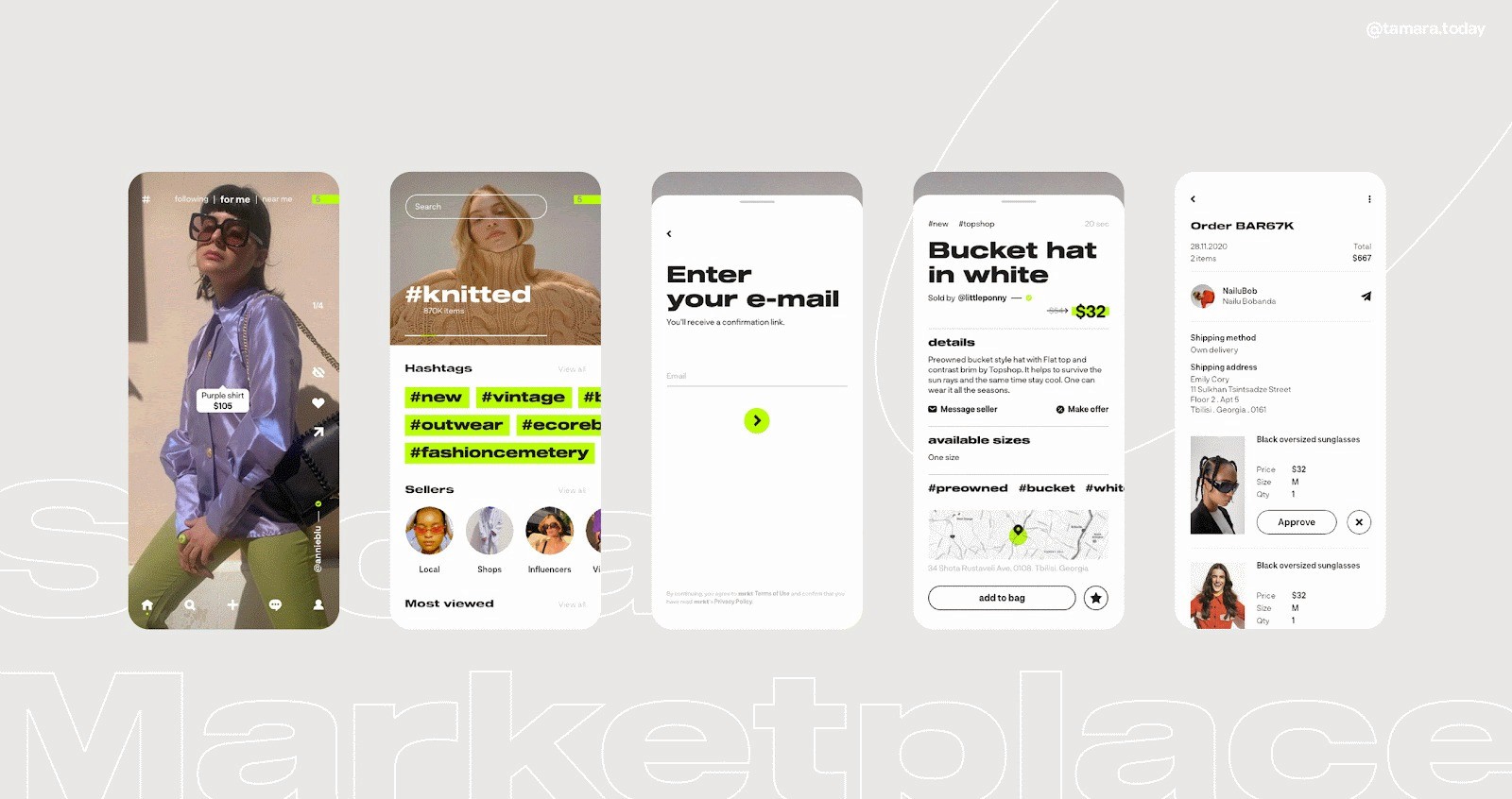
Image: Highlights from Tamara Abramia’s portfolio.
You’ve built communities and educational initiatives alongside client work. Why was that important?
Ecosystems don’t grow on talent alone. They grow when people share frameworks, language and standards.
When I started working in digital products, there was no dedicated space in Georgia for people building digital products to meet, exchange knowledge, and have professional discussions. ProdAct Community was created to fill that gap.
It became the first community in the country focused specifically on digital product creators - bringing together designers, product managers, founders and engineers through conferences, and meetups. The goal was simple: create a place where people working on digital products could learn from each other and move the industry forward together.
That same thinking naturally extended into education. I worked as a lecturer and created a program for curious young designers who wanted to understand visual communication at a deeper level. Not just tools or execution, but how visual decisions carry meaning, structure and intent. This program is planned for public release in 2026, with occasional updates shared through @tamara.today.
For me, building an ecosystem also means shortening the distance between experience and the next generation. Sharing perspective and practical shortcuts helps young designers move faster and think more clearly - and that’s how an industry actually evolves.
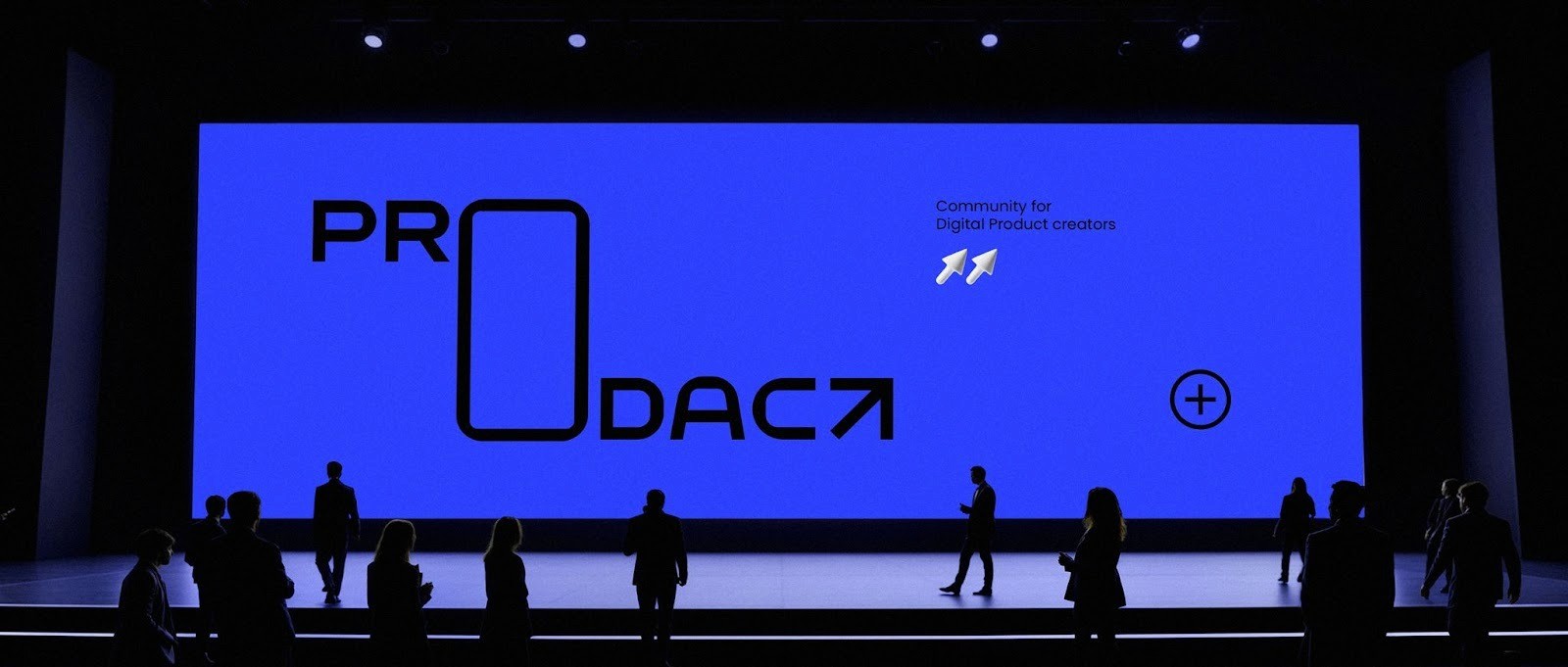
Image: ProdAct Community / Brand Design by Tamara Abramia
What responsibility do designers and leaders share today?
Designers shape systems. Leaders approve them. Both influence how people work, what they value and how they define success. Products are no longer neutral tools. They shape identity, behavior and culture at scale. Ignoring that doesn’t remove responsibility. It just makes the impact unconscious.
How does AI change the role of design and leadership?
AI accelerates consequences. When systems become more powerful, small decisions scale faster. The question shifts from “does this work?” to “what kind of behavior does this create over time?”
Design becomes a dialogue between humans and Artificial Intelligence.
Leaders who understand that will shape healthier, more resilient organizations. Those who don’t will react to outcomes they didn’t intend.
What are you most focused on now?
Long-term coherence. Helping organizations design systems that support growth without eroding culture. Building products that don’t just perform well today but age well over time. Good design doesn’t chase attention. It creates alignment. That’s what allows businesses and people to move forward without constantly fighting their own systems.
If there’s one thing leaders should take away from this conversation as they look toward the future, what would it be?
Pay attention to what your systems are teaching, not what you intend to teach.
Most organizations believe culture comes from values and vision. In reality, culture is shaped by what gets rewarded, repeated and made easy every day.
Good design turns intention into behavior.
As technology accelerates, this becomes even more important. The future will be shaped by leaders who create systems that remain coherent over time. Growth without coherence doesn’t scale - it fractures.
Good systems don’t just support growth. They protect meaning while growth happens.
That’s how businesses (and people) last.
Tamara Abramia has led design teams across tech and creative industries, guided by a long-standing interest in human psychology and philosophy. It shapes how she connects people, products, and ideas.
More of her thinking and practical shortcuts can be found on:
LinkedIn: https://www.linkedin.com/in/tamaraabramia
Instagram:https://www.instagram.com/tamara.today