
The Cost of Distrust: Justin Patton Shares Why Teams Don’t Break Down – They Turn Away
Justin Patton’s latest book, Managers Who Build Trust, unveils strategies that transform leaders into trust-building champions in the workplace.
NATIONWIDE - DECEMBER 2025 - (USAnews.com) Most teams don’t collapse overnight. They don’t explode in conflict or fail from one bad meeting. Instead, they turn away. They skip conversations. They stop asking for help. They say “I’m fine” when they’re not. Over time, the silence grows louder, and the connection fades. That’s what a culture of distrust looks like: not firestorms, but frost.
Justin Patton, author of Managers Who Build Trust and founder of The Trust Architect Group, teaches leaders how to see these trust breakdowns before it’s too late. "Trust is every organization's biggest competitive advantage because it's the one thing that keeps people coming back again and again," he says. "Without it, silence becomes your biggest threat. You can't repair or fix what you don't talk about."
Loneliness at Work is the Real Crisis
In a survey Patton conducted, people were asked to finish this sentence: "A life without trust is..."
The most common answer? Lonely. Not unfulfilling. Not chaotic. Lonely.
And that loneliness doesn’t stay home. We carry it into every meeting, every decision, every relationship at work. In fact, we’re seeing this show up at scale. A 2024 Gallup study found that 20% of U.S. adults feel lonely every day, nearly 52 million Americans. A separate Harvard report echoed the finding, warning that loneliness is becoming a public health crisis. But this
isn’t just a personal issue. It’s a leadership one.
When trust breaks down at work, loneliness moves in. People go into self-preservation mode. They stop raising their hands, offering ideas, or helping others. Trust can’t thrive when everyone’s just trying to survive.
As a keynote speaker on trust, Patton shares that the opposite of trust isn’t just fear. It's disconnection. That causes us to turn away from each other, which leads to loneliness.
Early in his career, a boss Patton admired betrayed his trust. He turned away. He disengaged. He stopped investing in the relationship, chose silence, and quietly planned his exit. Not long after, he left.
The Micro-Moments That Make or Break Teams
Distrust doesn’t show up in your inbox. It hides in skipped 1:1s, vague feedback, the tension no one names, and the follow-up that never happens. Managers don’t erode trust because they’re careless. They do it because they’re overwhelmed, undertrained, and stuck reacting instead of leading.
"Trust is built in the micro-moments of how people show up and treat each other," Patton writes. "The side comment. The check-in. The way you manage tension when no one else will."
This is the real work of leadership presence. It’s not just about hitting KPIs or running all-hands meetings. It’s about choosing to coach, communicate, and connect in ways that turn people toward each other, especially when it’s hard.
How to Tell When Your Team Doesn’t Trust Each Other
Great teams rarely implode. They slowly drift apart. Here are the warning signs that your team may be turning away:
Independence replaces collaboration – “I’ll just do it myself” becomes the norm.
Intensity replaces psychological safety – Energy is weaponized instead of managed.
Surface talk replaces real connection – The personal disappears from the professional.
Silence replaces vulnerability – Authenticity dries up and people stop sharing.
Comfort replaces courage – We avoid tension instead of leaning into it.
Agreeableness replaces candor – Everyone nods, but no one speaks the truth.
When these signs show up, it’s not too late…but it’s time to act.
These signs don’t always scream, but they always signal. And if they go unaddressed for very long, trust doesn’t just fade. It fractures. This is where leadership presence matters most, not in a presentation, but in the hallway, the hard feedback, or how you show up when someone drops the ball.
Why Most Managers are Winging It
Many managers are promoted because they are good at their jobs. However, most never have any formal training or mentorship on what it takes to bring out the best in a team. That’s why Patton wrote a short, practical book with actionable insights leaders can use right away.
Managers Who Build Trust was written for one reason: to take the guesswork out of the fundamentals on how to lead and bring out the best in a team. Patton argues that most managers don’t break trust because they’re bad at their jobs. They break it because they:
Avoid hard conversations
Blur expectations
Stay too busy to be present
Too worried about being liked
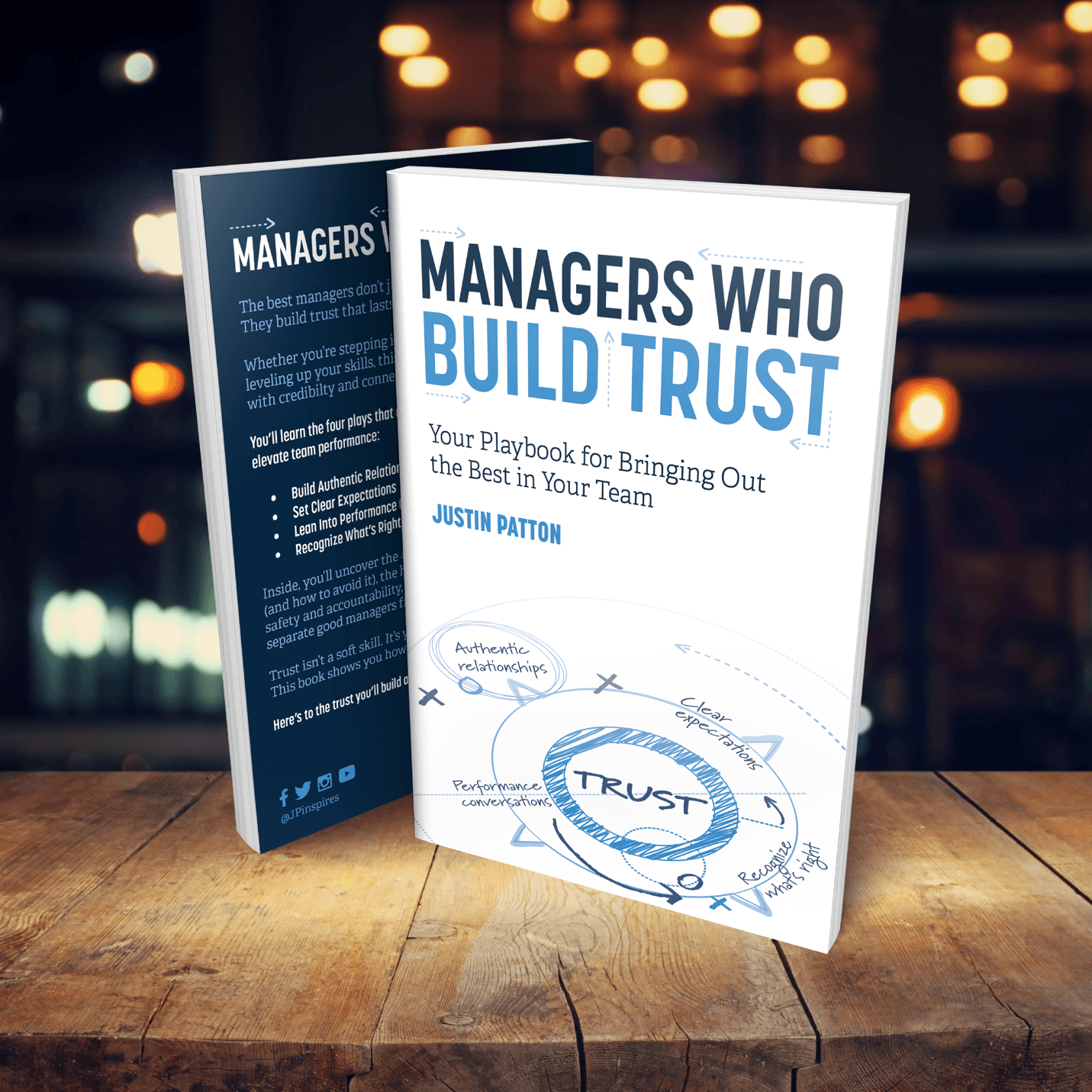
Managers Who Build Trust gives leaders a four-play strategy to stop winging it and start building the kind of team culture people don’t want to leave:
Build authentic relationships
Set clear expectations
Lean into performance conversations
Recognize what’s right
Simple? Yes. Easy? No. Necessary? Absolutely.
Why Managers Who Build Trust Matter
In a time when workplace cultures are being tested like never before, the need for trust in leadership has never been more critical. With organizations facing rapid change, remote work challenges, and growing demands for transparency, leaders must be equipped with the tools to navigate these challenges. Managers Who Build Trust offers just that, a roadmap for fostering trust and creating environments where people feel empowered to do their best work.
Patton’s book is not just for current leaders, it’s for anyone who aspires to lead with integrity, emotional intelligence, and authenticity. Whether you’re managing a small team or leading an entire organization, the principles outlined in Managers Who Build Trust will help you create a culture of trust that leads to greater collaboration, higher morale, and sustained success.
Justin Patton Named Best Executive Coach in the United States of 2025
We are excited to announce that Justin Patton has been recognized as the Best Executive Coach in the United States of 2025. This prestigious award honors his exceptional leadership in transforming workplace cultures through trust, communication, and emotional intelligence. With his unique approach to coaching that blends authenticity, clear expectations, and real-time feedback, Justin has helped countless leaders unlock their teams' full potential.
Trust Starts Here: A Call to Action
What would it look like for your team to turn toward each other, even when it’s hard?
If you’re a manager who’s tired of winging it or you’re ready to stop guessing how to lead your team better, Managers Who Build Trust is the playbook you need.
And if your conference, retreat, or company is ready to have a real conversation about how trust gets built (and how it gets broken), Justin Patton is the speaker leaders trust to deliver the message with clarity, courage, and candor.
For a starting point, explore MyTrustAudit.com a free five-minute tool used by leaders across industries to assess how well they’re leading with trust. Then visit JustinPatton.com to dive deeper into his work.
Because trust isn’t built in the hoping for, wishing for, or thinking about. Trust is built in the doing. And the doing should always turn people towards each other.
About the Author
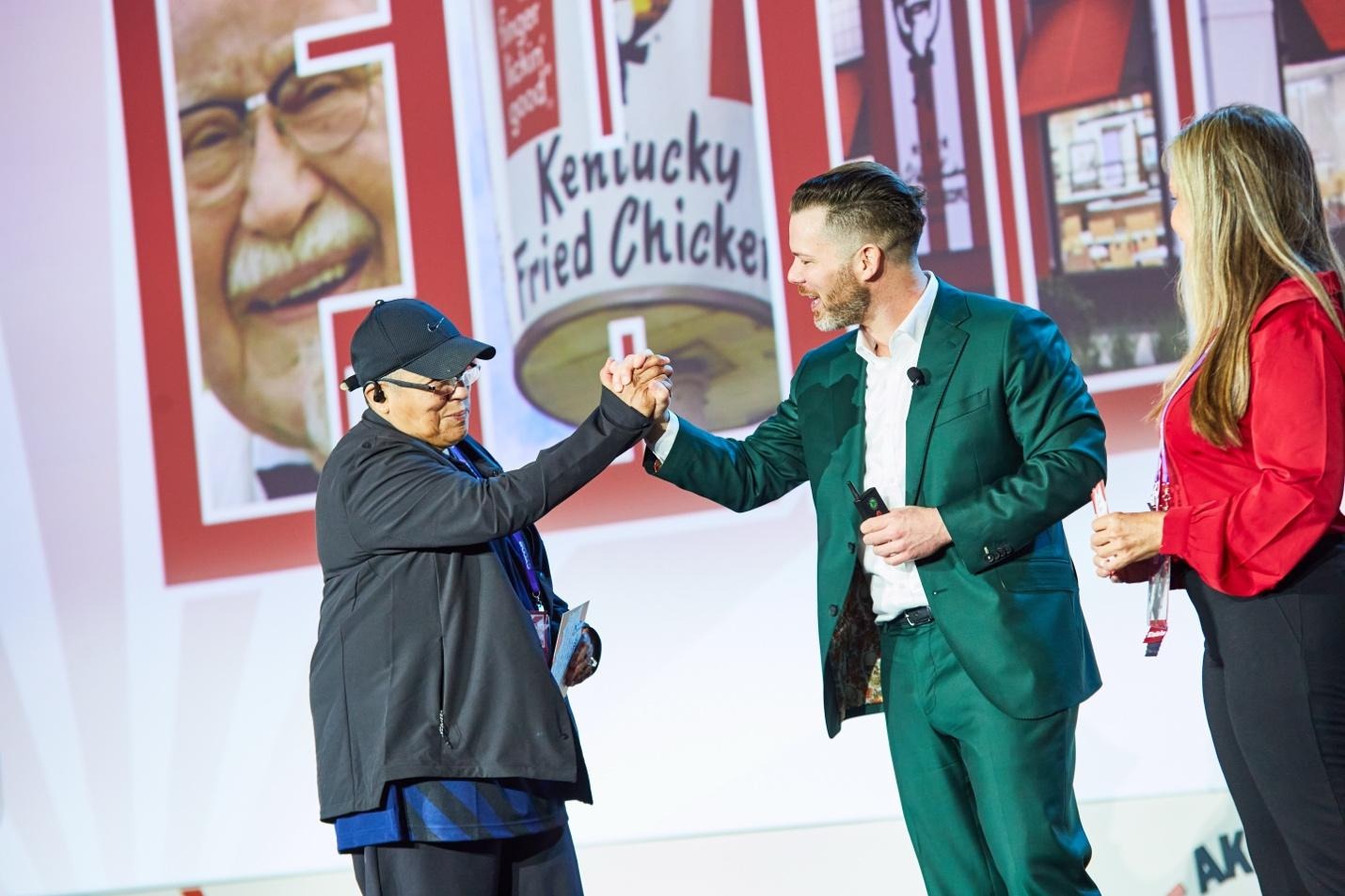
Justin Patton is a globally recognized leadership expert, keynote speaker, and author of five award-winning books, including Managers Who Build Trust. He is a Professional Certified Coach with the International Coach Federation, a Certified Speaking Professional (CSP), and a member of the Forbes Coaches Council. Patton has advised organizations around the world, helping them transform their cultures through trust, communication, and emotional intelligence.
He is also the founder of The Trust Architect Group, an organization that helps leaders and teams embrace trust as a strategic advantage.
For more information about Justin Patton and his work, visit www.justinpatton.com.