Trade Battles, Court Watch, and Global Diplomacy Shape America’s Agenda
The United States entered the middle of June with major developments unfolding across economics, politics, the courts, and foreign affairs. As Washington prepares for a consequential summer, debates over tariffs, executive authority, international diplomacy, and election-year politics continue to dominate the national conversation. The day’s headlines reflect a country balancing domestic policy disputes with growing global responsibilities.

By
Jun 15, 2026

Tariff Fight Intensifies as Administration Pursues New Trade Strategy
Trade policy remained one of the most significant stories in the country. The Trump administration is advancing a new round of proposed tariffs targeting major trading partners, including China, the European Union, Mexico, and Canada, as it seeks alternative legal avenues after the Supreme Court earlier struck down much of its previous tariff framework. The administration is relying on different statutory authorities and ongoing trade investigations to rebuild its trade agenda.
At the same time, a federal appeals court recently allowed the government to continue collecting a temporary 10% global tariff while legal challenges proceed. The ruling represents an important victory for the administration, though broader questions about presidential tariff authority remain unresolved and could ultimately return to the Supreme Court.
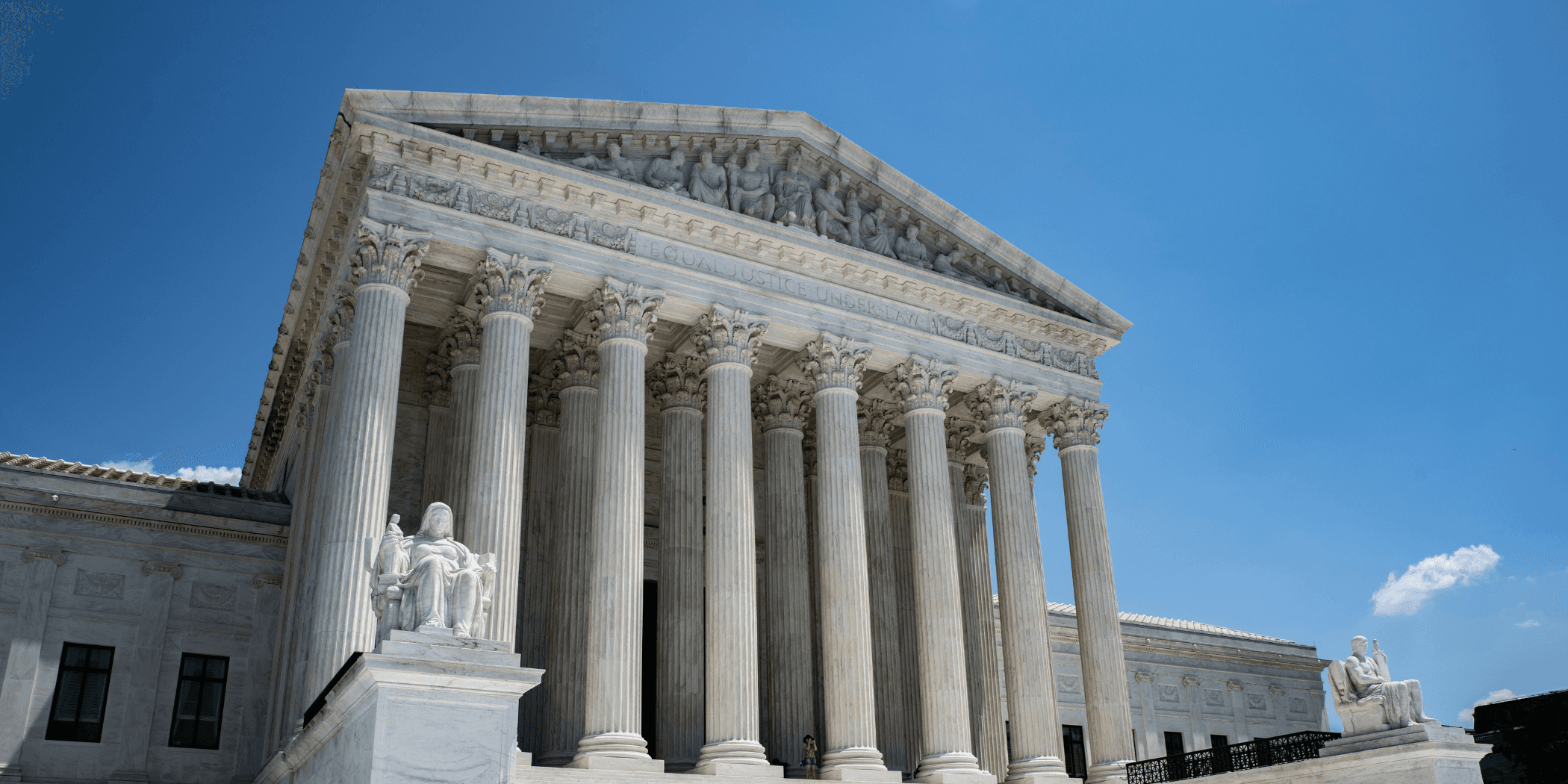
Supreme Court, Washington DC
Photo Credit: mana5280/Unsplash
Supreme Court Nears End of Term with Major Decisions Pending
Attention remains fixed on the Supreme Court as several of the term’s most consequential cases await decisions before the end of June. Among the issues still before the justices are challenges involving birthright citizenship, election procedures, immigration policy, federal agency independence, and state restrictions on transgender athletes.
The pending rulings could have far-reaching effects on executive power, voting administration, and immigration enforcement heading into the 2026 midterm election season. Legal observers across the political spectrum view the remaining cases as likely to shape the balance between federal authority and constitutional limits for years to come.

Entrance to the G train at Broadway Station next to a gas pump. May 7, 2026
Photo Credit: Sashimi-b/Wikimedia (Cropped)
Consumer Sentiment Shows Signs of Improvement
Economic data offered a modestly encouraging signal as consumer sentiment improved in June. Lower gasoline prices helped ease pressure on household budgets, contributing to a better reading in national surveys. The improvement was visible across demographic and political groups, with lower-income households showing some of the strongest gains in outlook.
Despite the uptick, economic concerns remain widespread. Inflation continues to weigh on consumers, and many Americans still rate overall economic conditions negatively. Cost-of-living pressures are expected to remain a central issue in congressional campaigns and public policy debates through the remainder of the year.

Gavin Newsom in April 2024
Photo Credit: Bureau of Reclamation/Wikimedia (Cropped)
Political Tensions Escalate Between California and Washington
A new political dispute emerged after California Governor Gavin Newsom accused President Trump of directing the Department of Justice to investigate him and members of his family. Newsom characterized the reported inquiries as politically motivated and connected them to broader tensions between California and the federal government.
The episode adds to an already contentious relationship between Sacramento and Washington. Disagreements over environmental regulations, federal aid, and social policy have produced a series of legal and political confrontations, making California a focal point in the broader national debate over federal-state relations.
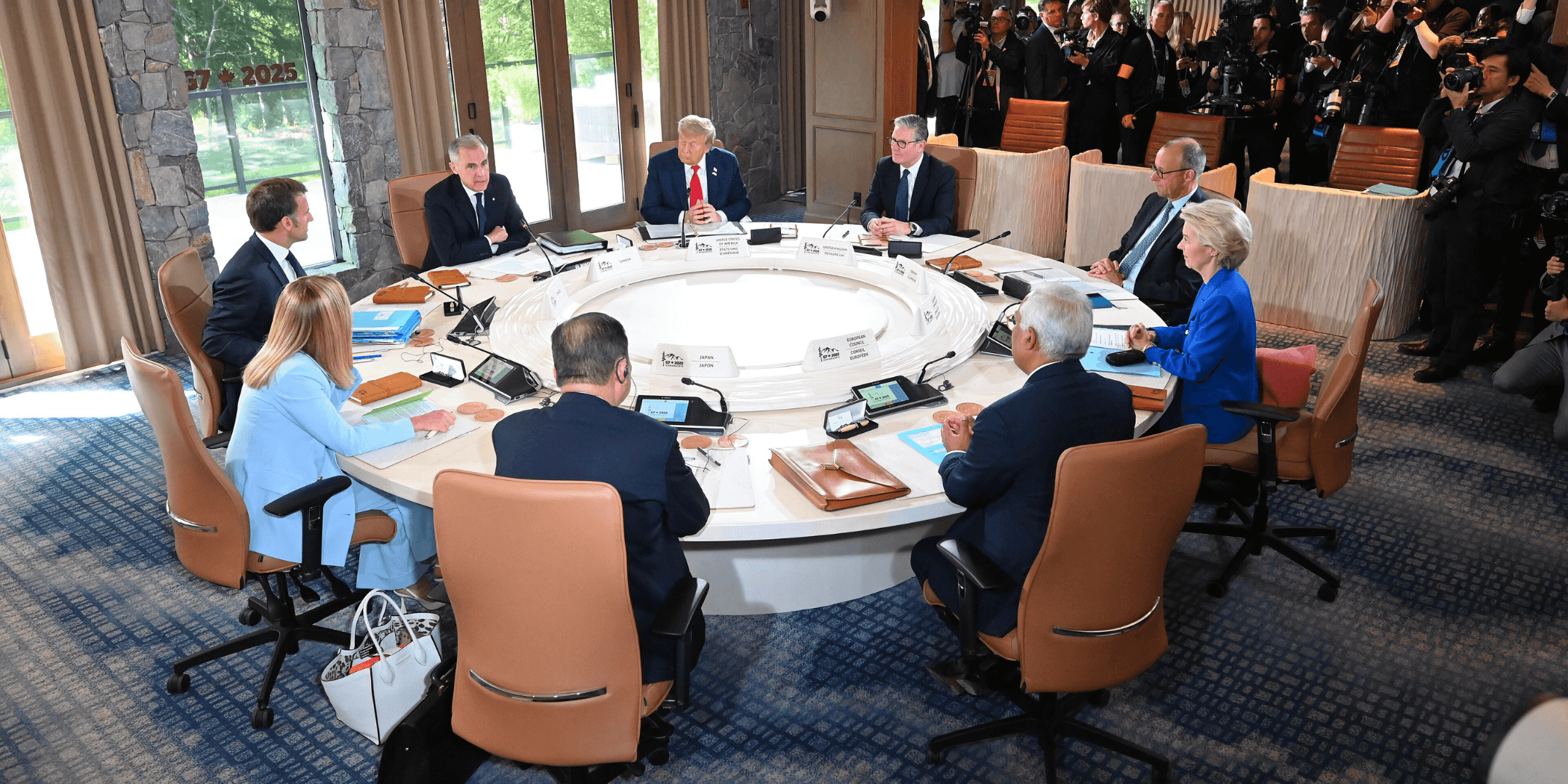
Participation of Ursula von der Leyen, President of the European Commission, to the G7 Summit, Canada On June 15, 16, and 17, 2025, Ursula von der Leyen, President of the European Commission, traveled to Kananaskis, Canada, to participate in the G7 Summit.
Photo Credit: European Communities/Wikimedia (Cropped)
Diplomacy and Global Security Take Center Stage
International affairs also occupied a prominent place in the news. The United States is participating in high-level diplomatic discussions surrounding a tentative framework aimed at reducing tensions with Iran following months of conflict. Officials from both sides have outlined a path toward further negotiations focused on nuclear issues and sanctions relief.
Meanwhile, President Trump’s participation in meetings with allied leaders at the Group of Seven summit highlights the administration’s effort to manage a range of international challenges, including trade disputes, security concerns, and geopolitical competition. These discussions are expected to influence U.S. foreign policy priorities throughout the summer.
Looking Ahead
The coming weeks promise several pivotal moments. The Supreme Court is expected to release its most closely watched opinions before the end of the month. Trade disputes and tariff litigation will continue to shape economic policy debates. Congress and state governments are preparing for intensified election-year battles, while international negotiations involving trade and security remain active. Together, these developments will help define the national agenda as the country moves deeper into the second half of 2026.