
Turmoil at Home and Tentative U.S. Confidence
Today’s headlines from across the United States paint a picture of a nation grappling with domestic tensions over immigration enforcement, mixed economic signals from consumers and labor markets, legal battles awaiting the Supreme Court, and geopolitical ripples affecting U.S. alliances. Protests and political divisions over federal law enforcement erupted in cities from Minneapolis to Portland, while modest improvements in consumer confidence underscore cautious optimism about the economy. At the same time, legal and legislative battles loom, with key Supreme Court decisions and congressional actions poised to shape the political landscape. These developments—set against ongoing U.S. involvement abroad and the approaching midterm elections.

Nationwide Backlash Over Immigration Enforcement and Shootings
Widespread protests erupted today following a series of controversial shootings involving U.S. immigration agents. The demonstrations spread across multiple cities, reflecting deep public frustration with federal immigration policy and law enforcement tactics. Tensions intensified particularly in Portland, Oregon, where two federal agents were shot and wounded during an encounter, prompting heightened protests and clashes with law enforcement officials. National attention remains fixed on these events as activists and local leaders demand greater accountability and transparency from federal agencies amid broader debates on immigration enforcement.

Modest Uptick in Consumer Sentiment Amid Economic Unease
Amid national tensions, U.S. consumer confidence showed signs of life in early January as the University of Michigan’s Consumer Sentiment Index rose modestly to 54.0 from December’s 52.9. While this slight increase exceeded economist expectations and suggests some easing of household worries, Americans continue to express significant concern about persistent inflation and the strength of the labor market. Consumers’ short-term inflation expectations remained steady, though long-term expectations edged higher, highlighting ongoing economic uncertainty in everyday life.
Supreme Court Prepares for Pivotal Rulings Next Week
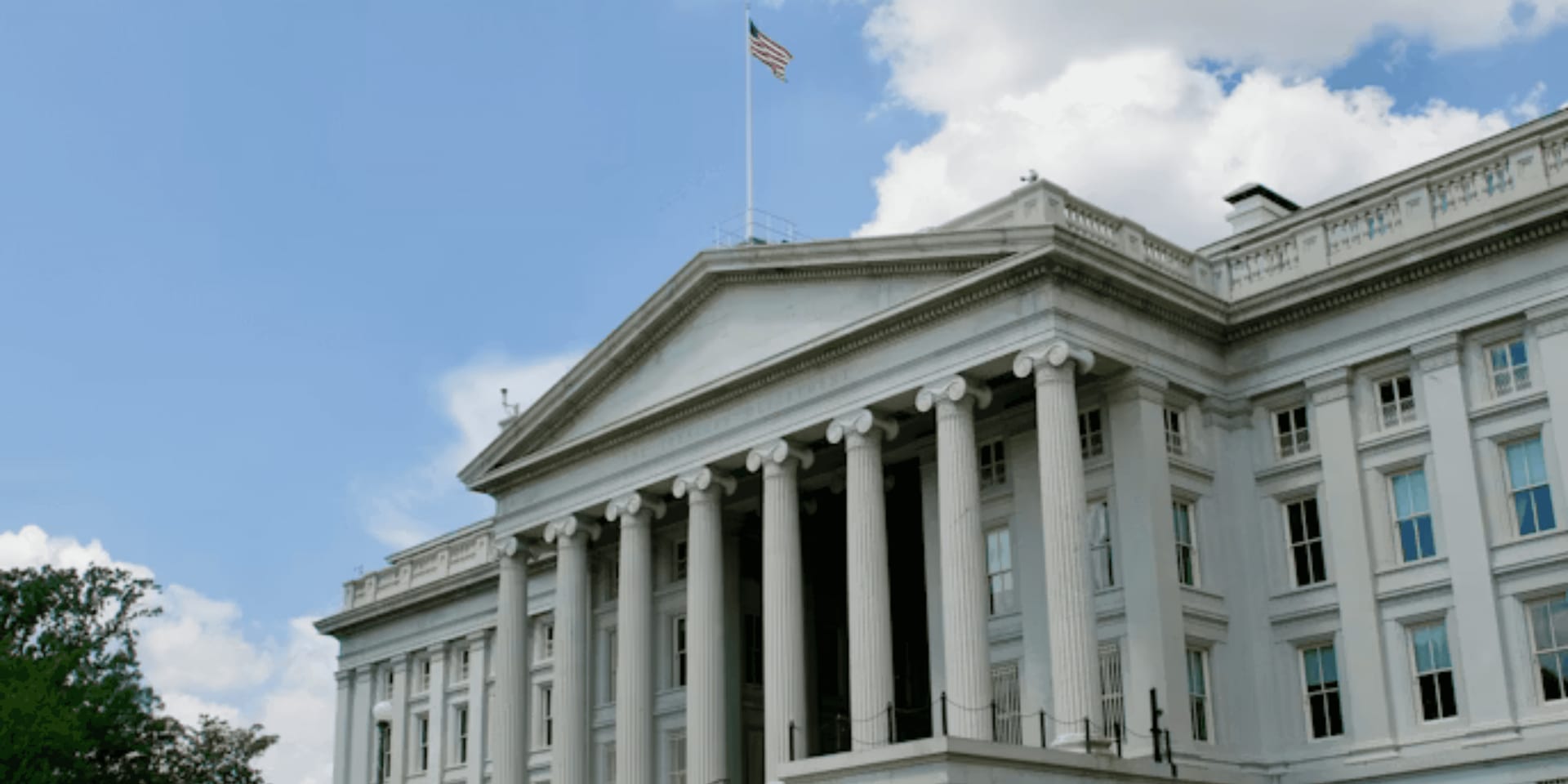
The U.S. Supreme Court is gearing up for a cluster of major decisions scheduled for release on January 14, with particular national focus on the legality of President Trump’s sweeping global tariffs. These tariffs, implemented under a law dating to the 1970s, have faced legal challenges that could redefine executive authority in trade. Lower court rulings questioned the administration’s reach, and justices from across the ideological spectrum signaled uncertainty during past arguments. Decisions from next week’s docket are expected to carry significant implications for presidential powers and economic policy.
Congressional Budget Office Projects Fed Rate Cuts Later in 2026
Economic forecasts from the nonpartisan Congressional Budget Office suggest the Federal Reserve may reduce short-term interest rates over the course of 2026, potentially bringing the federal funds rate down to about 3.4% by the end of the year. Despite the rate decline expectation, long-term Treasury yields are projected to rise modestly, which could translate to more expensive mortgage borrowing. Meanwhile, unemployment is expected to peak before slowly easing, as the economy adjusts to both policy shifts and migration trends.
House Advances Health Care Subsidies in Bipartisan Move
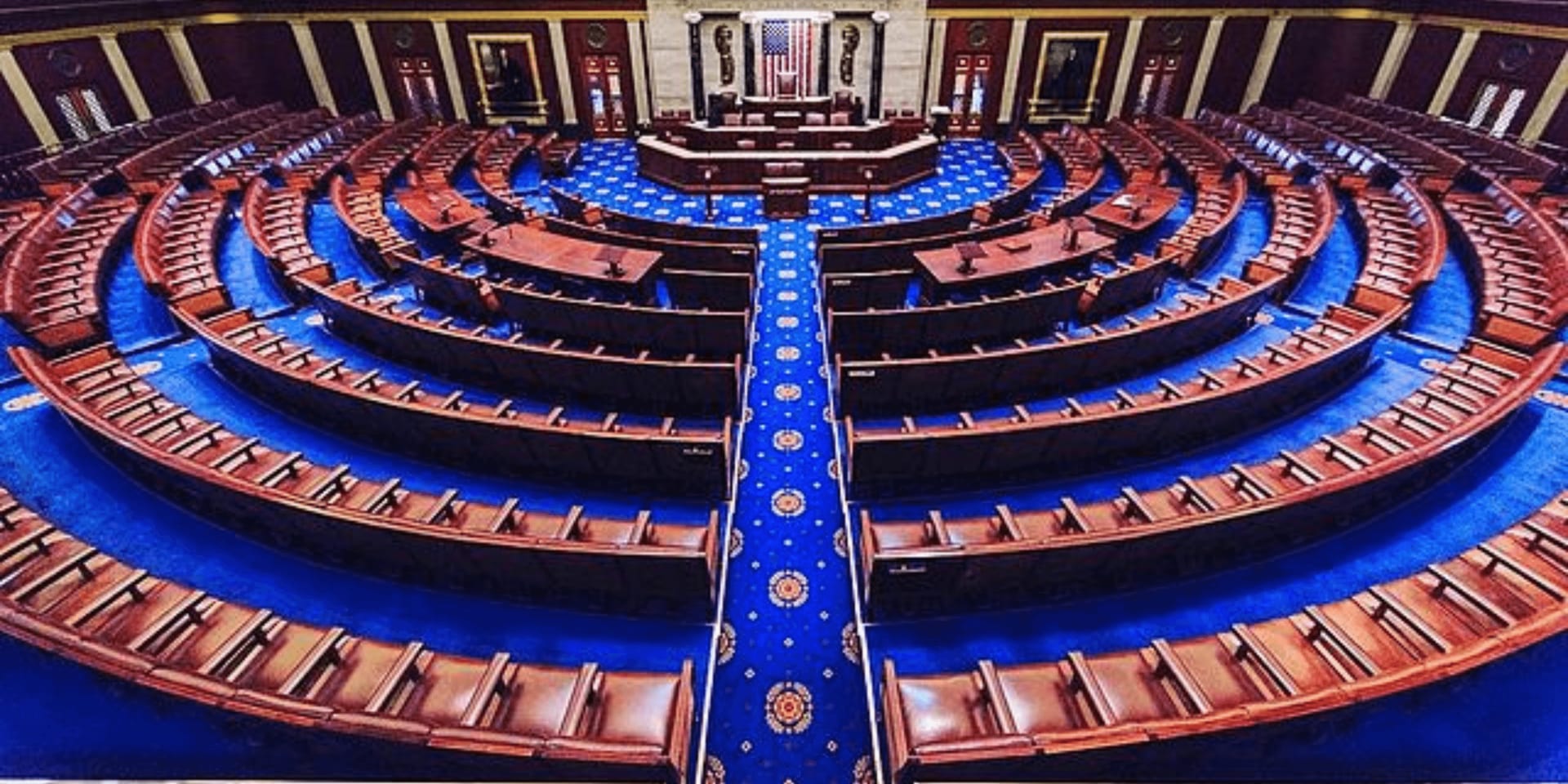
In a notable bipartisan development, the U.S. House of Representatives voted to extend previously expired Affordable Care Act health care subsidies, breaking with GOP leadership. The bill now moves to the Senate amid broader political tensions over federal spending and health policy. This legislative action underscores growing pressure on lawmakers to address cost-of-living issues facing Americans, even as broader ideological divisions persist in Congress ahead of the 2026 midterm elections.
Looking Ahead
As January unfolds, Americans will be watching several key developments: how protests and legal scrutiny shape federal immigration policy, the Supreme Court’s forthcoming rulings on executive authority and trade, and evolving economic indicators that could influence Federal Reserve decisions. Legislative wrangling in Congress over health care and spending will likely intensify as midterm elections approach, while international relations—especially with European allies—continue to evolve in response to U.S. foreign policy stances. These intersecting domestic and global dynamics promise a consequential stretch of news in the coming days and weeks.