
Twin Oaks Holdings LLC Focuses on Digital Fraud Investigation and Awareness
A digital fraud investigator examines patterns in online scams and highlights common warning signs to support public awareness and early detection efforts.
In an increasingly digital environment, financial fraud often begins with communications that appear legitimate and time-sensitive. These messages frequently imitate trusted institutions and prompt recipients to act quickly—sometimes resulting in significant financial loss before the deception is recognized.
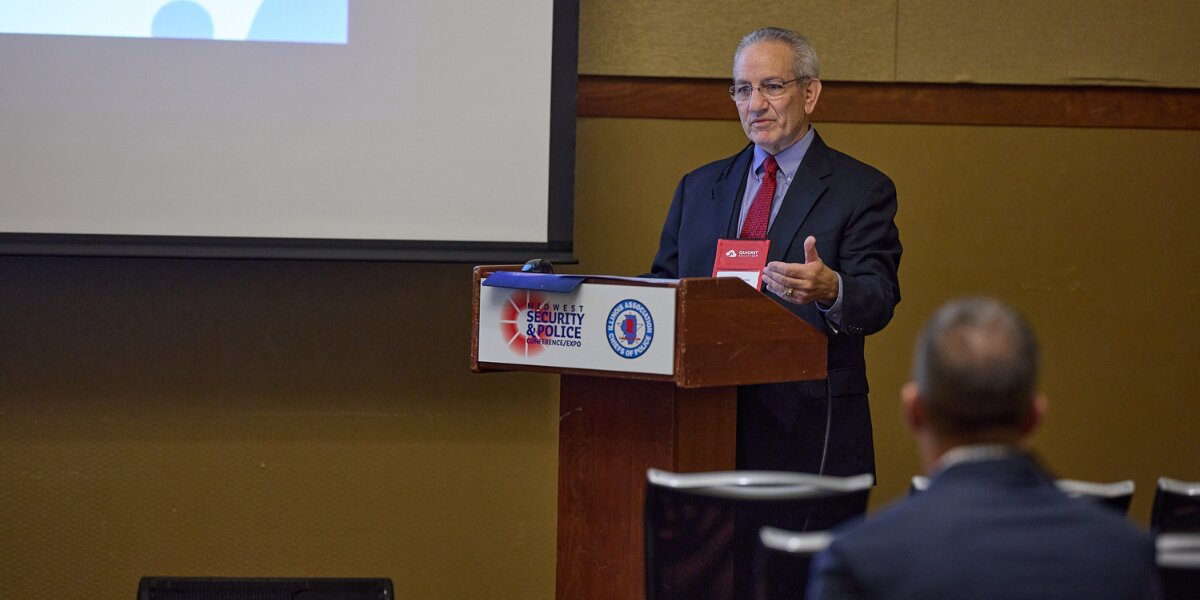
Ralph M. Dahm, a Certified Blockchain and Financial Crimes Investigator and Owner of Twin Oaks Holdings LLC, specializes in forensic analysis of digital communications and blockchain transactions. His work involves tracing stolen cryptocurrency and developing evidence that can assist law enforcement in potential recovery efforts.
The FBI recently released a report for 2025 confirming over 1,000,000 US citizens were the victims of transnational organized criminal organizations who stole over $150 billion via romance and fake investment scams, fake job offers, impersonation of bank officials or government agents, text scams, police officer scams, and many others. Now the criminals are using artificial intelligence tools that will only increase the number of victims. Fake video calls from celebrities, co-workers, bank employees, or even your family members are now extremely realistic, including voices that can communicate in real time!
As digital platforms have expanded, fraudulent schemes have evolved in both scale and sophistication. Many operate across jurisdictions, using social engineering tactics such as impersonation, urgency, and psychological manipulation. Victims are often unaware they are interacting with fraudulent actors until after funds have been transferred through multiple channels.
Dahm’s investigative work focuses on identifying patterns within both communication behavior and blockchain activity. This includes analyzing transaction flows, identifying wallet clusters, and tracing assets across exchanges and intermediary services. These findings can help establish a structured evidentiary path from victim wallets to destination endpoints.
A consistent challenge in fraud cases is timing. By the time victims seek assistance, assets have often already been moved through multiple wallets or platforms, complicating recovery efforts. As a result, early detection and rapid reporting are critical factors in improving the likelihood of asset preservation.
According to the FBI Internet Crime Complaint Center, financial fraud—particularly involving cryptocurrency—continues to rise, with reported losses reaching billions of dollars annually. Common schemes include romance scams, fraudulent investment platforms, fake job offers, and impersonation of financial or government institutions.
Within this environment, Dahm emphasizes the importance of recognizing early warning signs. These may include unexpected requests for financial transfers, pressure to act immediately, inconsistencies in communication channels, or requests involving cryptocurrency transactions outside normal processes.
It is also important to recognize that fraud prevention is not solely dependent on technical detection tools, but also on behavioral awareness and informed decision-making. Many successful scams rely less on system vulnerabilities and more on human psychology, exploiting trust, fear, and urgency. For this reason, education plays a critical role in reducing exposure to fraud. By understanding how legitimate institutions typically communicate and verifying information through independent channels, individuals and organizations can significantly reduce the likelihood of falling victim to deceptive schemes. Strengthening this layer of awareness helps complement investigative efforts and contributes to a more resilient digital financial environment overall.

Beyond investigative work, Twin Oaks Holdings LLC contributes to public awareness through educational materials that outline common fraud structures and behavioral indicators. These resources are designed to help individuals and organizations better evaluate suspicious communications and reduce the likelihood of financial loss.
Dahm has noted in professional discussions that many fraud schemes rely on establishing trust before manipulation occurs. Once trust is established, individuals may be less likely to question legitimacy—particularly when communications mirror expected formats or known institutions. This underscores the importance of independent verification when financial requests are involved.
As emerging technologies such as artificial intelligence become more integrated into communication platforms, investigators continue to monitor how these tools may be leveraged by malicious actors. The increasing realism and scale of fraudulent outreach present ongoing challenges for both individuals and institutions.
Twin Oaks Holdings LLC operates within this broader landscape, focusing on structured forensic analysis, pattern recognition, and evidentiary development to support fraud awareness and investigative efforts. The likelihood of recovery is often directly tied to how quickly fraudulent activity is identified and reported.
Additional information and educational resources related to digital fraud and blockchain investigations are available through Twin Oaks Holdings LLC and Ralph Dahm’s professional platforms, including Facebook and LinkedIn.
Disclaimer:
This article is for informational purposes only and is not intended to promote, encourage, or provide professional advice related to digital fraud investigation and awareness. Always consult a qualified professional or trusted authority before engaging in any activities related to digital fraud investigation and awareness, especially if doing so may have legal, financial, or personal consequences. The author and publisher are not responsible for any losses, damages, or outcomes resulting from the use or reliance on the information provided.