U.S.-Ukraine Relations Deteriorate as Midterm Elections Intensify, Oil Prices Surge and Global Tensions Mount
The United States faced a convergence of diplomatic, political and economic challenges Tuesday as relations between President Donald Trump and Ukrainian President Volodymyr Zelenskyy deteriorated, raising new concerns about Western support for Ukraine. At home, the approaching November midterm elections intensified scrutiny of election security, federal spending and the administration's economic record. Meanwhile, oil prices remained elevated amid the conflict with Iran, corporate earnings offered mixed signals about the U.S. economy, and unrest in France added to uncertainty across international markets. The developments underscored the growing connections between foreign policy, domestic politics and economic stability.
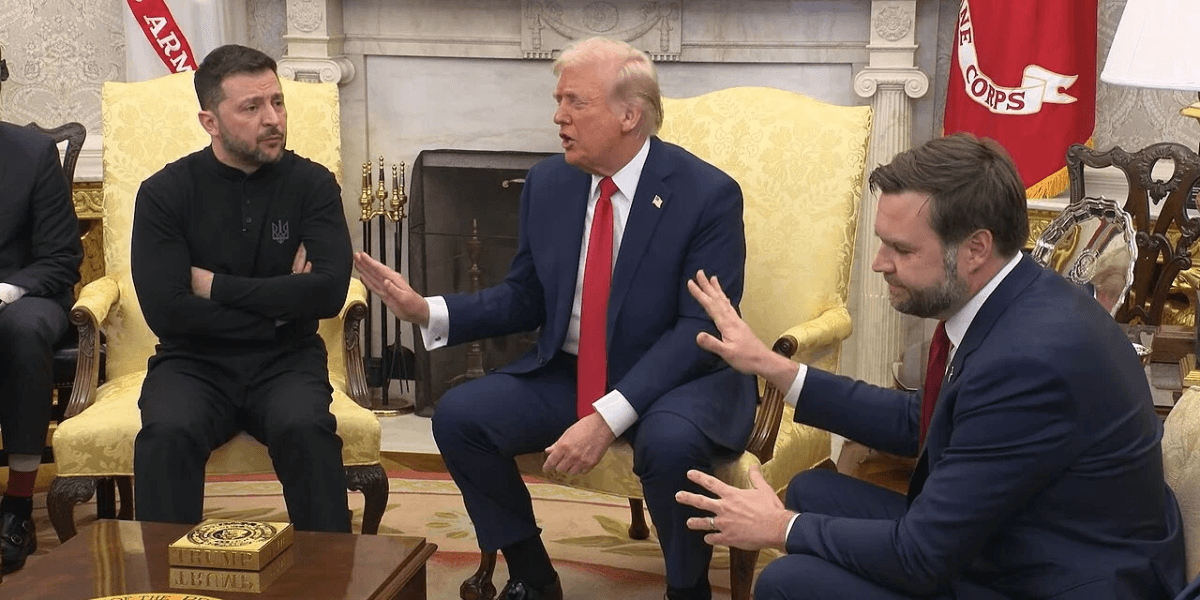
U.S.-Ukraine Relations Reach New Low as Zelenskyy Seeks Diplomatic Reset
Relations between Washington and Kyiv have deteriorated sharply following President Trump's decision to waive new sanctions against Russia and growing uncertainty surrounding American military assistance to Ukraine. Ukrainian President Volodymyr Zelenskyy was scheduled to meet U.S. special envoy Steve Witkoff in Oslo on Tuesday in an effort to repair relations and clarify Washington's position on the continuing war. The diplomatic tensions come as Russia maintains pressure on Ukrainian cities and infrastructure, with Kyiv increasingly concerned about the reliability of American support ahead of winter.
Trump's decision to suspend sanctions targeting Moscow has drawn criticism from lawmakers in both parties, who argue that easing economic pressure could strengthen Russia's negotiating position. The administration has defended its approach in part as an effort to reduce fuel prices for American consumers. Secretary of State Marco Rubio has indicated that the administration will review the sanctions' economic effects over a 60-day period. Congress, currently in recess ahead of the midterm elections, is unlikely to take immediate legislative action.
Military assistance has emerged as another major source of friction. The Washington Post reported that the administration has delayed approval for transfers of Patriot air-defense missiles to Ukraine, which relies on the systems to intercept Russian attacks. Disruptions involving satellite support for Ukrainian drone operations have added to concerns about Kyiv's battlefield capabilities. The immediate diplomatic test will be whether Zelenskyy's discussions with American representatives produce assurances on weapons deliveries, sanctions policy or a broader framework for negotiations with Moscow.
The dispute carries consequences beyond Ukraine. European governments continue to assess how much additional military and financial assistance they may need to provide if American support becomes less predictable. Any prolonged disruption to Ukraine's air defenses could increase pressure on its energy infrastructure and civilian population during the colder months.
Midterm Election Campaign Intensifies as Federal Authorities Announce California Voting Charges
With the November congressional elections approaching, President Trump has increased his campaign appearances in competitive states, including Kansas, where Republican Senator Roger Marshall faces an unexpectedly strong challenge from Democrat Adam Hamilton. At a Monday rally, Trump linked unrest in France to his arguments about domestic security and Democratic leadership, reflecting the administration's emphasis on immigration, public safety and economic concerns as the campaign enters its final weeks.
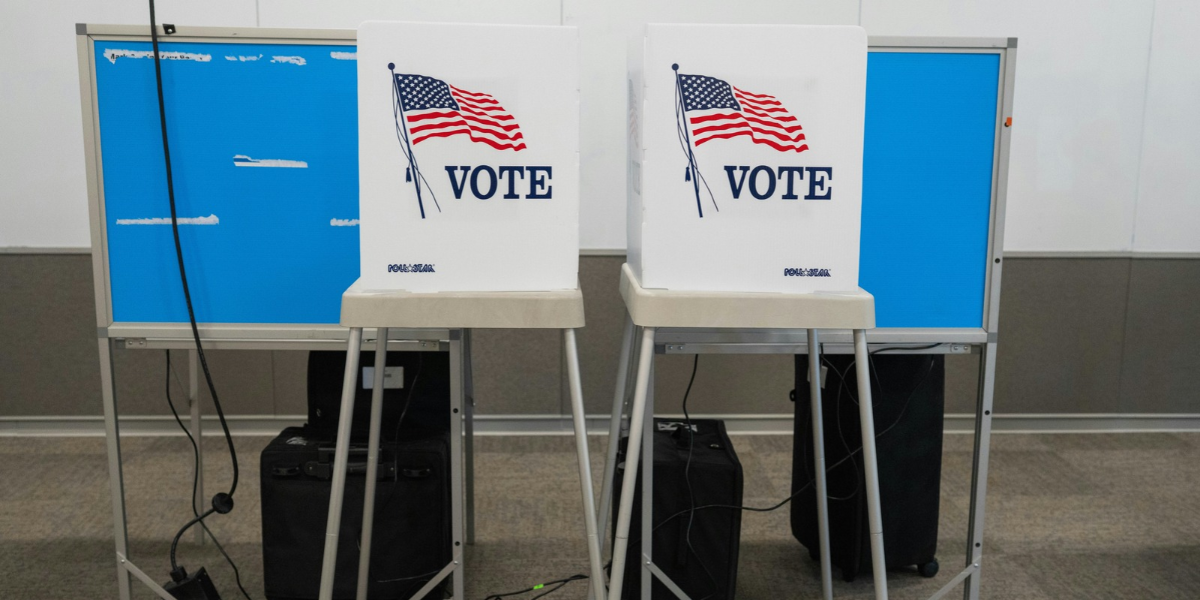
Election administration also returned to the national spotlight after federal authorities announced charges against 28 foreign nationals in California accused of unlawfully registering or voting in American elections. The statewide enforcement operation, announced Monday, forms part of the administration's broader effort to investigate alleged noncitizen voting. The charges are allegations that must be established through the judicial process. Research and election-administration data have consistently indicated that noncitizen voting is rare, and the newly announced cases do not establish widespread election fraud.
Separately, The Washington Post reported that national security officials have privately advised election administrators in 10 states on potential responses to federal interference in the midterms. The discussions reflect concerns among some officials about institutional safeguards and the handling of disputed election results. Election authorities remain responsible for administering voting under applicable state and federal law, while courts may be called upon to resolve challenges involving election procedures or results.
The administration's economic messaging has also attracted attention. Trump has promoted the prospect of $5,000 government payments as part of his appeal to voters, although no enacted program currently guarantees those checks. Previous proposals involving tariff-funded dividends and savings from federal spending reductions did not result in the promised payments. Questions about financing, congressional authorization and implementation remain unresolved.
As campaigning accelerates, control of Congress will depend on closely contested races and voter turnout. The final weeks are expected to bring increased attention to election security, inflation, government spending and the administration's handling of international conflicts.

Oil Prices Remain Elevated as Iran Conflict Complicates U.S. Economic Outlook
Energy markets remained under pressure Tuesday as the continuing conflict involving Iran raised concerns about global petroleum supplies and the durability of diplomatic efforts to end hostilities. U.S. crude oil prices moved above $110 a barrel during trading, while international benchmark Brent crude remained near $109 a barrel in a separate market update. The elevated prices reflect uncertainty about regional security, production and transportation risks, and the possibility of further military escalation.
Diplomatic prospects remain uncertain. Iranian officials told Reuters that Tehran had prolonged negotiations with Washington partly to weaken Trump's political position ahead of the U.S. midterm elections. Those officials also described preparations for possible renewed American and Israeli attacks rather than an imminent agreement to end the conflict. Their account reflects the Iranian officials' characterization of the negotiations and does not independently establish the intentions of all parties involved.
Pakistan continued to pursue a diplomatic role, with army chief Field Marshal Asim Munir expected to visit Iran on Tuesday. Pakistan has served as an intermediary between Washington and Tehran during the conflict, although the latest developments offered little indication that a comprehensive settlement was close. Separately, U.S. Defense Secretary Pete Hegseth met Israeli Prime Minister Benjamin Netanyahu at an Israeli air base on Monday, according to reporting cited by Axios, highlighting continuing military coordination between the two governments.
For the United States, higher energy prices present a challenge beyond the immediate cost of gasoline. Sustained increases in crude oil can raise transportation and distribution expenses, affecting food prices, manufacturing costs and household budgets. They can also complicate the Federal Reserve's efforts to manage inflation while supporting economic activity.
The conflict is unfolding alongside growing concern about federal borrowing. U.S. government debt reached $40 trillion in August, according to Reuters, bringing renewed attention to the country's fiscal trajectory and rising borrowing costs. Higher interest expenses can increase pressure on federal finances, particularly when inflation and energy prices limit policymakers' economic flexibility.
The next developments in the Middle East will therefore carry consequences for both financial markets and domestic politics. Investors will be watching diplomatic contacts involving Iran, Pakistan and the United States, alongside any military developments that could disrupt oil production or shipments.

Wall Street Advances on Corporate Earnings Despite Volatility in Artificial Intelligence Stocks
U.S. equities moved higher in Tuesday's early trading as stronger-than-expected corporate earnings helped offset continued volatility in technology shares. At approximately 10 a.m. Eastern time, the S&P 500 was up 0.3%, the Dow Jones Industrial Average had gained about 382 points, or 0.7%, and the Nasdaq Composite was ahead approximately 0.2%. The figures represented an intraday snapshot rather than final closing results.
Corporate results provided support for several sectors. Credit-reporting company Equifax climbed more than 10% after reporting quarterly earnings above analysts' expectations, despite high mortgage rates continuing to weigh on parts of its business. Hasbro rose approximately 4% as sales associated with its Magic: The Gathering franchise supported results, while energy-services company Halliburton also advanced following its earnings announcement.
General Motors presented a more complicated picture. The automaker exceeded quarterly profit expectations but saw its shares decline about 5% as investors focused on a restrained full-year outlook. The reaction illustrated the market's sensitivity not only to current earnings but also to management forecasts about consumer demand, costs and future profitability.
Artificial intelligence remained a major source of uncertainty. Shares associated with AI infrastructure, including CoreWeave, experienced sharp fluctuations as investors reconsidered the financial assumptions underlying extensive spending on data centers and computing capacity. Concerns about elevated interest rates, capital requirements and the pace at which AI investments will generate profits have complicated valuations across the sector.
Corporate consolidation also attracted attention after Salesforce announced plans to acquire customer-engagement software company Braze. Braze shares surged more than 50% on the news, while Salesforce declined approximately 1.4% in early trading. The transaction highlighted continued interest in combining enterprise software, customer data and AI-driven business tools.
The market's mixed signals followed Monday's session, when the Nasdaq gained 1.1% and the S&P 500 rose 0.4%, while the Dow slipped 0.1%. Although major indexes have posted substantial gains this year, the uneven performance of individual companies suggests investors are increasingly distinguishing between businesses with demonstrated earnings growth and those whose valuations depend heavily on future expectations.
Upcoming earnings reports and economic data will help determine whether corporate profitability can continue supporting equities amid high energy prices, elevated borrowing costs and international instability.\

France Imposes Paris Curfews as Unrest Adds to European Political and Economic Uncertainty
French authorities imposed overnight curfews in parts of Paris following episodes of rioting and looting, adding to a period of political and economic uncertainty in Europe. Police announced restrictions covering areas around Place de la République, where disorder occurred Saturday, and the Les Halles shopping district, which had experienced looting. The measures prohibited gatherings and demonstrations in designated locations and restricted access between 11 p.m. Monday and 6 a.m. Tuesday.
The immediate objective was to prevent additional violence and protect residents, businesses and public property. The restrictions followed several days of unrest that have attracted international attention and prompted debate about public order and the French government's response. Authorities have not established that the disturbances represent a single, nationally coordinated movement, and the scale of future protests remains uncertain.
The situation has also contributed to market concerns about Europe's political outlook. European equities weakened amid uncertainty over potential government spending responses and the wider consequences of unrest. Investors have been assessing whether political pressure could complicate fiscal policy at a time when governments are already facing competing demands involving public services, defense spending and economic growth.
The events have entered American political debate as well. At his Kansas campaign rally Monday, Trump cited the French unrest while warning voters about the consequences he associates with Democratic policies. Those remarks brought an overseas security crisis into the U.S. midterm campaign, although the circumstances driving France's disturbances are distinct from American political conditions.
Elsewhere in international affairs, diplomatic tensions between Washington and Havana intensified ahead of the United Nations' annual vote on the U.S. economic embargo against Cuba. U.S. Ambassador Mike Waltz organized a presentation highlighting allegations of political repression in Cuba, while Cuban representatives argued that American sanctions were worsening the country's economic and humanitarian difficulties.
The General Assembly resolution condemning the embargo is nonbinding but has historically attracted overwhelming international support. The latest confrontation comes as Cuba continues to experience inflation, electricity shortages and substantial emigration, with the United States maintaining pressure on the Cuban government.
Together, the developments illustrate how domestic instability and longstanding diplomatic disputes can influence international relationships, financial sentiment and American political messaging.
Looking Ahead
The most immediate developments to watch are the outcome of Zelenskyy's meeting with U.S. representatives, any clarification of Washington's military assistance to Ukraine, and diplomatic contacts involving Iran as elevated oil prices continue to affect global markets. Additional corporate earnings and energy-market movements will provide further indications of how American businesses are responding to inflation, financing costs and geopolitical uncertainty.
In Washington, attention will remain on the administration's Russia sanctions review, legal proceedings involving the California voting cases and the final weeks of campaigning before November's midterm elections. European authorities will also be monitoring whether unrest in France subsides following the latest security restrictions, while the United Nations prepares for another vote on the U.S. embargo against Cuba. Together, these developments will help shape the political, diplomatic and economic outlook heading into the final months of 2026.