
War Abroad, Rising Costs and Immigration Tensions Define a High-Stakes Weekend
The United States entered a consequential week with mounting pressure from overseas conflict, higher household costs and renewed disputes over immigration and press access. Developments in the Middle East remained especially significant as the Iran war and widening fighting involving Yemen’s Houthis threatened energy supplies and regional stability.
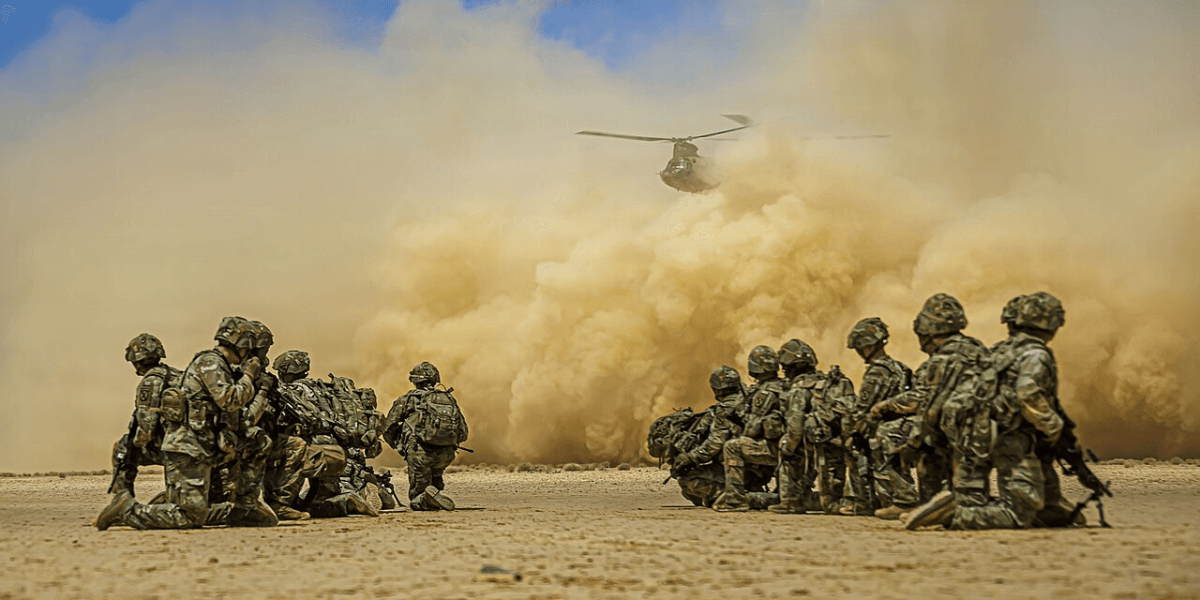
Middle East Fighting Raises New Risks for U.S. Policy and Energy Markets
The widening Middle East conflict remained one of Washington’s most urgent challenges. U.S. embassies across the region issued security alerts urging Americans to remain vigilant amid concerns that fighting involving Saudi Arabia and Yemen’s Iran-backed Houthi rebels could escalate rapidly. Saudi Arabia said it intercepted a Houthi ballistic missile aimed at Riyadh, while attempted attacks were also reported against other locations, including the oil hub of Yanbu.
The developments add another front to the broader Iran war, now about 200 days old. A senior Houthi official told the Associated Press that the group had assured the Trump administration it would not attack U.S. vessels in the Red Sea, even as the Houthis warned other countries against joining Saudi Arabia in Yemen. Meanwhile, Iran has communicated conditions for ending the war through intermediaries, creating a potential diplomatic opening as world leaders gather for the United Nations General Assembly.
-5.png)
Gas Prices Keep Economic Pressure on American Households
The overseas conflict is increasingly being felt at home through energy costs. The national average for gasoline stood around $4.48 per gallon, while diesel prices had reached record levels, according to Associated Press and CBS reporting. Disruptions to oil production and shipping connected to the Iran conflict have contributed to the increase.
Those pressures are arriving alongside persistent inflation and higher borrowing costs. The Federal Reserve raised its benchmark rate to 3.9% during the week as policymakers responded to inflation despite continued economic growth. Average 30-year mortgage rates climbed to roughly 6.95%, adding to affordability challenges for prospective homebuyers.
The economic picture remains uneven. Consumer spending has stayed relatively resilient, but former Trump economic adviser Gary Cohn told CBS that real wages had recently turned negative as inflation outpaced wage growth, while some consumers were drawing down savings to maintain spending.
-4.png)
Trump Administration Tightens H-1B Visa Rules
The administration is extending major restrictions on the H-1B program, which allows U.S. employers to hire foreign workers in specialty occupations. A presidential proclamation extends for another year a requirement that petitions for many H-1B workers entering from outside the United States be accompanied by a $100,000 payment, subject to national-interest exceptions. The renewed restriction takes effect September 21 and is scheduled to run through September 21, 2027 unless extended again.
A separate executive order directs federal agencies to increase scrutiny of employers seeking H-1B workers, including considering whether sponsoring companies recently laid off similarly situated U.S. employees or plan to do so. The administration argues that the changes are needed to prevent companies from using foreign workers to suppress wages or replace American employees.
The measures could have particular significance for technology and outsourcing companies that have historically relied heavily on the visa program, while adding another major element to the administration’s broader immigration agenda.
-3.png)
Republican Lawmaker Challenges Trump’s Immigration Enforcement
Immigration also produced a notable disagreement within the Republican Party. Florida Rep. María Elvira Salazar, who represents a heavily Hispanic constituency, publicly urged Trump to reconsider elements of his deportation strategy, saying enforcement had gone too far and risked damaging the party’s relationship with Hispanic voters.
Salazar said she had personally raised her concerns with the president. Her criticism focuses on immigrants without serious criminal records who have been caught up in enforcement operations, and she has continued advocating legislation that would combine stronger border controls with legal status for some undocumented immigrants already living in the country.
The dispute comes with the November 3 midterm elections approaching, putting additional attention on immigration, inflation and the Iran conflict as candidates campaign for control of Congress.
.png)
White House Press Ban Fuels First Amendment Dispute
A confrontation between the Trump administration and major news organizations continued after reporters from CNN, MS NOW and Politico were denied access to White House grounds. The restrictions followed Trump’s announcement that he was barring the outlets because of coverage he characterized as false and unfair. Reporters said credentials were disabled or confiscated when they attempted to enter.
The organizations said they would defend their journalists’ First Amendment rights, while the White House Correspondents’ Association called for their access to be restored. The dispute raises questions about the government’s authority to determine press access and whether restrictions based on an outlet’s coverage can withstand constitutional scrutiny.
The controversy is likely to move beyond the White House gates. Any legal action could add to a series of disputes between the administration and media organizations over access, government transparency and press protections.
Looking Ahead
Attention now turns to a major week of diplomacy and domestic politics. Trump is heading to New York for the United Nations General Assembly as the administration confronts the Iran conflict, escalating Saudi-Houthi fighting and continued wars elsewhere. Chinese President Xi Jinping is also expected in Washington later in the week, placing U.S.-China relations prominently on the agenda.
At home, the effects of higher energy prices and interest rates will remain under scrutiny, while the administration’s H-1B restrictions take effect and the White House press-access dispute moves toward a potential legal confrontation. With the midterm elections approaching, these foreign-policy, economic and institutional battles are increasingly intersecting with the domestic political debate.