Voting Rules, Defense Questions and Economic Relief Shape Washington’s Day
Wall Street rebounded as oil prices and Treasury yields eased, but major disputes over elections, national defense and presidential authority remained prominent. Federal courts and agencies also took consequential steps involving mail voting and the Kennedy Center, keeping institutional battles in focus.
Postal Service Halts System Tied to Trump’s Mail-Voting Plan
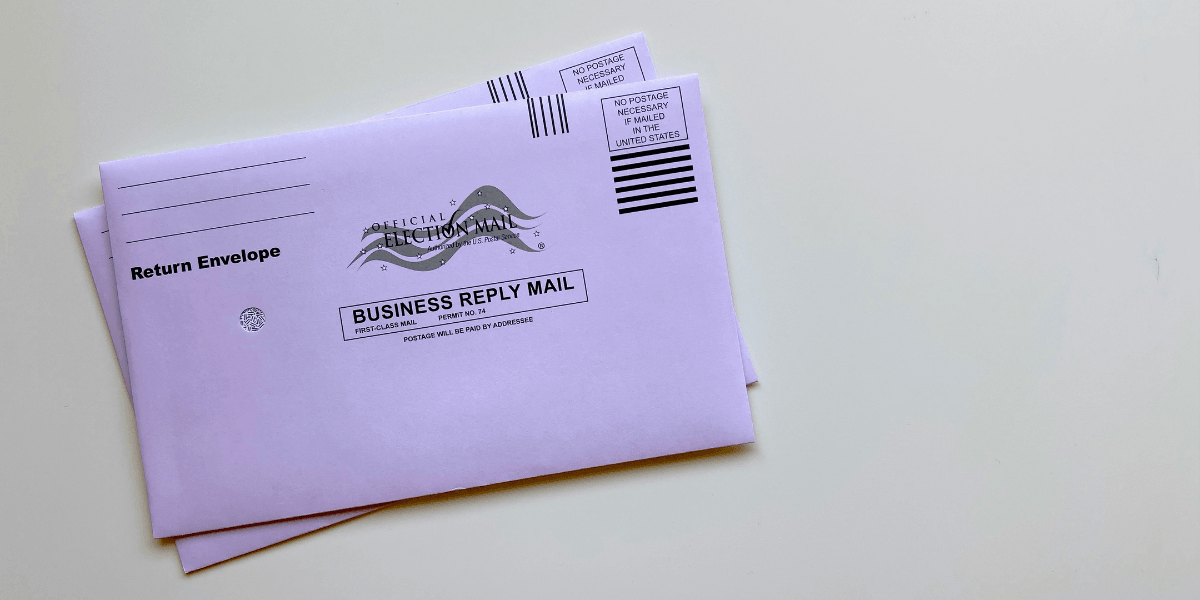
The U.S. Postal Service stopped developing a computer system that had been central to President Donald Trump’s effort to impose new requirements on mail voting, Postmaster General David Steiner confirmed Thursday. The move followed a Supreme Court decision rejecting the administration’s executive-order approach to changing election procedures.
The proposed system would have helped verify voter eligibility using citizenship information supplied by states and was connected to plans for standardized mail-ballot envelopes. Steiner said the Postal Service had halted the work because of the court injunction and emphasized that the agency would focus on carrying out its established election-mail responsibilities.
The decision has immediate relevance for the November midterms. The Postal Service said it would continue its normal election-mail operations, while Steiner encouraged voters using the mail to send ballots at least seven days before Election Day to reduce the risk of delays.
-3.png)
Pentagon Briefing Draws Bipartisan Frustration in Senate
Senators from both parties criticized a classified Pentagon briefing on the Trump administration’s National Defense Strategy, saying Defense Undersecretary Elbridge Colby did not provide sufficient answers on several issues confronting the military.
Among the subjects raised were the continuing conflict involving Iran, U.S. weapons stockpiles and discussion surrounding potential National Guard deployments to polling locations during the midterm elections. Some senators said the briefing failed to provide the level of detail they expected from the Defense Department, although Republican Sen. Jim Banks was among those who expressed a more favorable assessment of the session.
The disagreement adds to congressional scrutiny of defense policy as lawmakers debate presidential war powers and the consequences of sustained military operations in the Middle East.
-2.png)
Wall Street Rebounds as Oil and Treasury Yields Retreat
U.S. stocks recovered sharply Thursday, one day after the Federal Reserve raised its benchmark interest rate for the first time in more than three years. The S&P 500, Dow Jones Industrial Average and Nasdaq all finished higher, with technology shares helping lead the rebound.
Investors were helped by falling crude-oil prices and easing Treasury yields. Oil touched a one-week low as concerns about supply disruptions eased following reports that Saudi crude was moving through Oman. Labor-market data also remained relatively firm, contributing to improved market sentiment.
The recovery did not eliminate broader concerns about borrowing costs. The Fed’s quarter-point increase lifted its target range to 3.75%–4%, and policymakers have indicated another increase could come later this year as they confront persistent inflation. Mortgage rates and other consumer borrowing costs remain an important economic and political issue ahead of the midterms.
-1.png)
Judge Places New Restrictions on Kennedy Center Changes
A federal judge ordered the Kennedy Center to provide 30 days’ notice before making major physical alterations to its Washington building, including any demolition. The order from U.S. District Judge Christopher Cooper followed the performing arts center’s abrupt closure and comments from Trump suggesting the aging building could ultimately be torn down.
Kennedy Center executive director Matt Floca said the immediate closure was prompted by “acute risks to public safety” associated with deterioration of the building. Officials said the temporary shutdown would initially last seven days and be reassessed weekly, while the center’s board separately had approved a longer closure for renovations.
The latest court intervention deepens a dispute over the federally supported institution’s governance, renovation and identity. The controversy has expanded beyond arts programming into questions about executive authority and the legal protections surrounding one of Washington’s best-known cultural landmarks.
-1.png)
Surgeon General Nominee Faces Senate Questions on Vaccines
Dr. Nicole Saphier, Trump’s nominee for surgeon general, appeared before the Senate health committee as lawmakers examined the administration’s public-health leadership amid concerns about measles and vaccination rates. Saphier is Trump’s third nominee for the position.
Vaccination policy featured prominently in the hearing. Saphier described the combined measles, mumps and rubella vaccine as the country’s most important tool for combating measles infections. Republican Sen. Bill Cassidy of Louisiana, a physician who has frequently emphasized vaccination, warned about the political and public-health consequences of the ongoing measles surge.
The confirmation process comes as federal health policy remains under intense scrutiny, making the surgeon general nomination part of a broader national debate over vaccines, disease prevention and the federal government’s public-health role.
Looking Ahead
The consequences of this week’s Federal Reserve decision will remain closely watched as investors assess inflation, oil prices and the prospect of another rate increase. In Washington, attention will also remain on the Pentagon’s relationship with Congress, the legal boundaries surrounding election administration and further court proceedings over the Kennedy Center.
With the midterm elections approaching, disputes over affordability, voting procedures, presidential authority, national security and public health are increasingly intersecting with the campaign. Decisions by courts and federal agencies in the coming weeks could shape both government policy and the rules under which Americans cast their ballots.