
U.S. Faces Escalating Middle East Conflict, Key Primaries, and Market Volatility
The United States grappled with mounting challenges at home and abroad as the national spotlight focused on an intensifying military confrontation in the Middle East, pivotal state primary elections, and shifting economic indicators. American voters headed to the polls in Arkansas for key races, even as international tensions prompted travel advisories and shifts in global markets. A rare total lunar eclipse offered a moment of collective attention skyward, underscoring the breadth of stories shaping the day.

U.S. Military Escalation and Regional Fallout in the Middle East
The U.S. military increased its operations against Iranian targets as the broader Middle East conflict intensified, with reports of strikes and counter‑attacks continuing through March 3. American officials confirmed that key military assets had been engaged, and Iran reportedly launched missile strikes at major U.S. bases in the region, including the significant Al Udeid Air Base in Qatar, though no U.S. personnel were reported injured. The complexity of the conflict led the U.S. State Department to urge citizens to leave over a dozen countries in the region due to escalating risks.
President Donald Trump announced measures to protect international commercial shipping, including proposed naval escorts for tankers transiting the Strait of Hormuz and risk insurance for maritime trade amid surging oil prices and global economic concern. The conflict’s human toll and diplomatic repercussions continued to draw scrutiny from U.S. lawmakers and world leaders, underscoring deepening geopolitical strain.

Arkansas Primaries Highlight Local Political Engagement
Voters across Arkansas participated in the March 3 primaries, casting ballots in a range of contests for party nominations, judicial posts, and local measures. These elections, while centered on state and local offices, reflect broader patterns of political engagement and partisan dynamics ahead of the 2026 midterm cycle. Turnout and results in Arkansas offered early indicators of voter enthusiasm and strategic positioning by both major parties as they prepare for competitive races later in the year.
Financial Markets Navigate Geopolitical Uncertainty
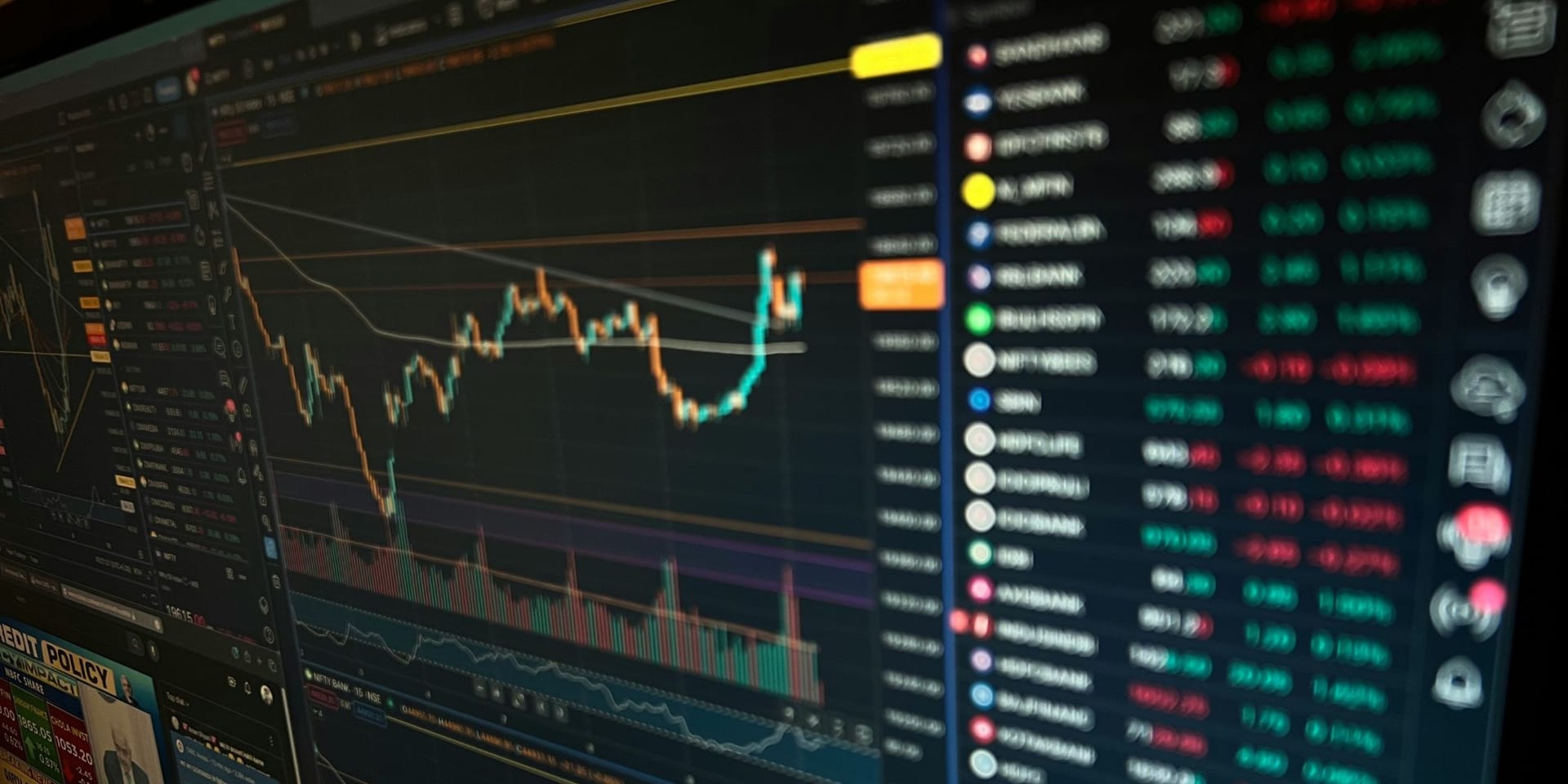
U.S. financial markets exhibited volatility on March 3 as investors weighed developments in the Middle East and their implications for economic stability. The Dow Jones Industrial Average pared earlier declines, while energy prices climbed amid concerns about oil supply disruptions tied to regional instability. President Trump’s announcement about naval escorts and maritime insurance for shipping through strategic waterways contributed to cautious optimism among some market participants, even as risk sentiment remained fragile.
Market analysts noted that broader economic indicators continued to reflect a mix of geopolitical risk premiums and resilient domestic fundamentals, with traders closely watching energy commodities and bond yields for signs of sustained volatility.
Rare Total Lunar Eclipse Captivates Skywatchers Nationwide
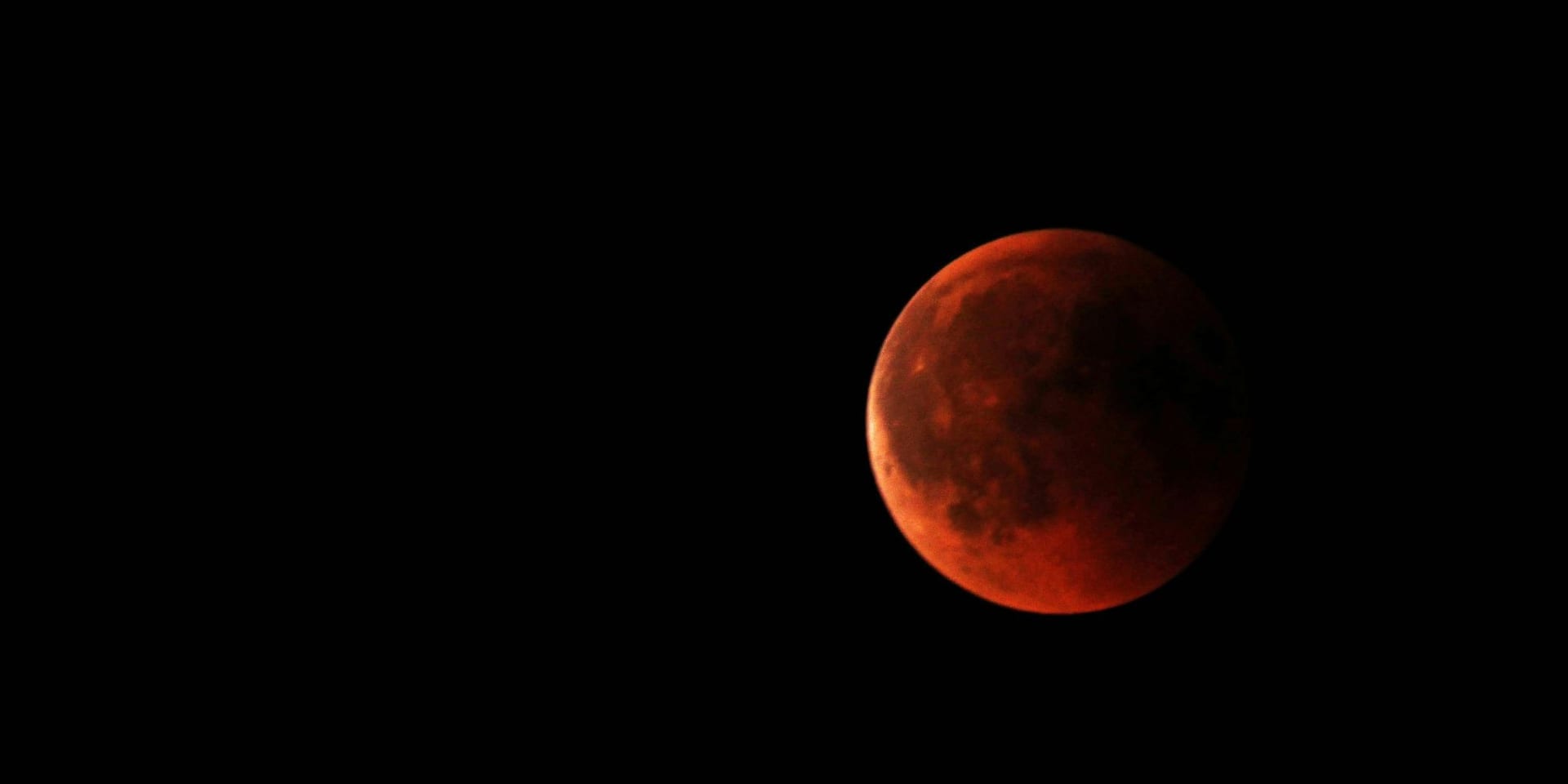
On the evening of March 3, the United States and much of the world witnessed a rare total lunar eclipse, often called a “blood moon” because of the reddish hue the Moon takes on during totality. This celestial event, visible across North America and beyond, marked the last total lunar eclipse until 2029, drawing attention from astronomers and casual observers alike. Lunar eclipses occur when the Earth’s shadow fully envelops the Moon, offering a prolonged and dramatic visual experience that can be enjoyed without special eyewear.
Public interest in the eclipse provided a cultural counterpoint to the day’s more serious headlines, with many communities organizing viewing events and educational sessions to celebrate the phenomenon.
Spring‑Like Weather Patterns Sweep Central and Eastern U.S.
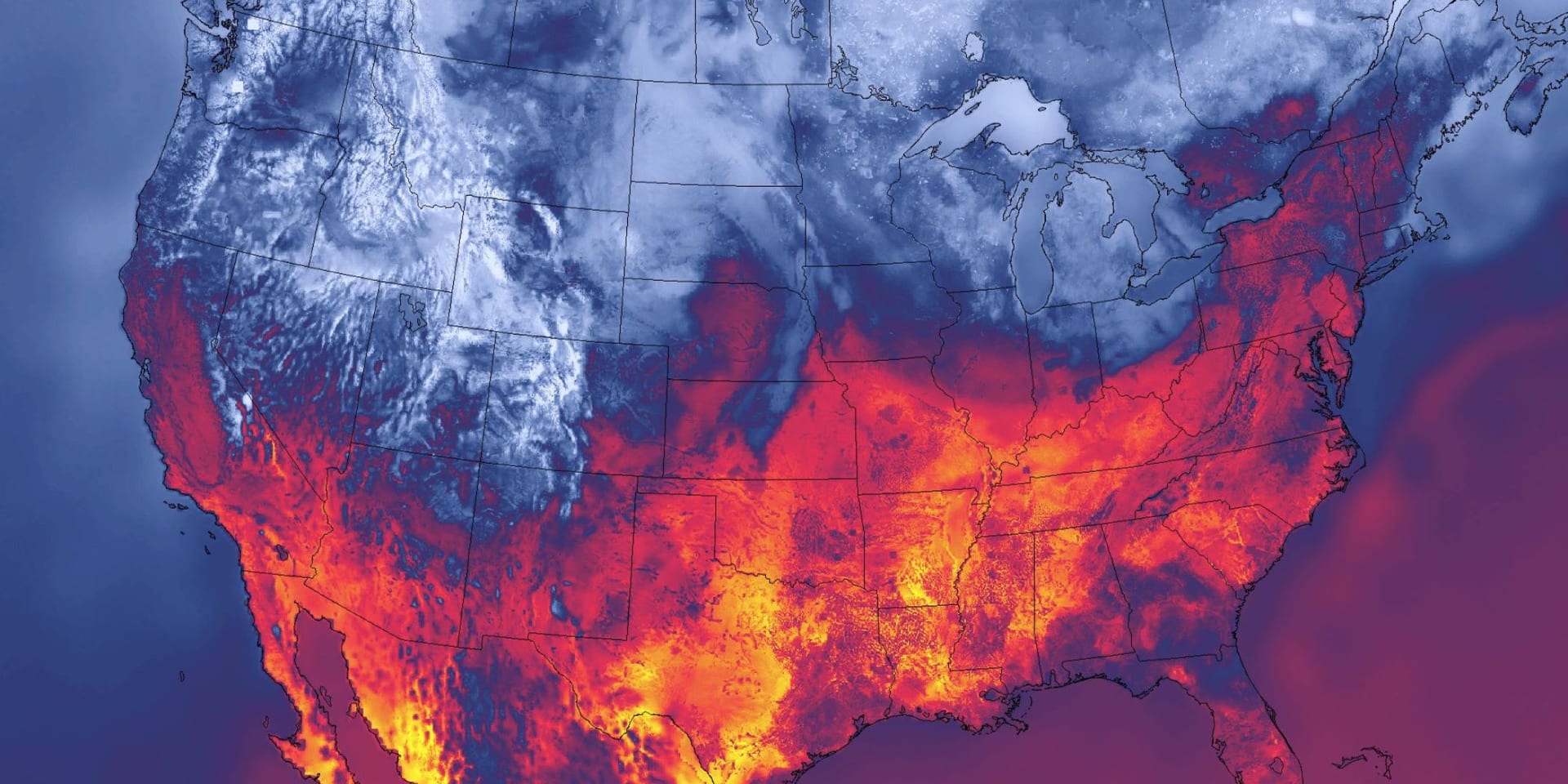
Meteorologists reported a pronounced shift in weather across the Central and Eastern United States on March 3, with temperatures soaring into the 70s, 80s, and even 90s in some areas—unseasonably warm for early March. This sudden warmth threatened to break hundreds of local temperature records and marked a sharp contrast to the lingering winter chill earlier in the season. While part of the warmth reflects broader seasonal transition, scientists noted that unusual atmospheric dynamics, including potential stratospheric warming events, could yet bring renewed cold later in the month.
Communities from the Midwest through the Northeast experienced a brief taste of spring, prompting early outdoor activity and heightened awareness of variable seasonal patterns.
Looking Ahead:
As the U.S. moves beyond March 3, attention will remain firmly fixed on the Middle East conflict and its implications for national security, global markets, and diplomatic strategy. State and local elections in Arkansas and other jurisdictions will continue to shape political narratives ahead of the 2026 midterms. Economic data releases and Federal Reserve commentary may influence market direction, while the onset of spring brings evolving weather patterns across the country. Culturally, celestial events like the recent lunar eclipse underscore public interest in scientific phenomena amidst a complex news landscape.