
U.S. Grapples With Domestic Unrest and Sweeping Foreign Policy Shifts
As the United States moves deeper into the pivotal year of 2026, dramatic developments at home and abroad dominated headlines on January 8. Domestic tensions around federal immigration enforcement erupted into protests after a civilian was fatally shot by a federal agent, underscoring deep divisions over law enforcement strategy. On the international stage, the Trump administration announced expansive changes to U.S. engagement with multilateral organizations, marking a significant shift in foreign policy. These events unfolded alongside heightened political ferment ahead of the 2026 midterms and vivid moments of scientific wonder and cultural interest, framing a complex national moment.
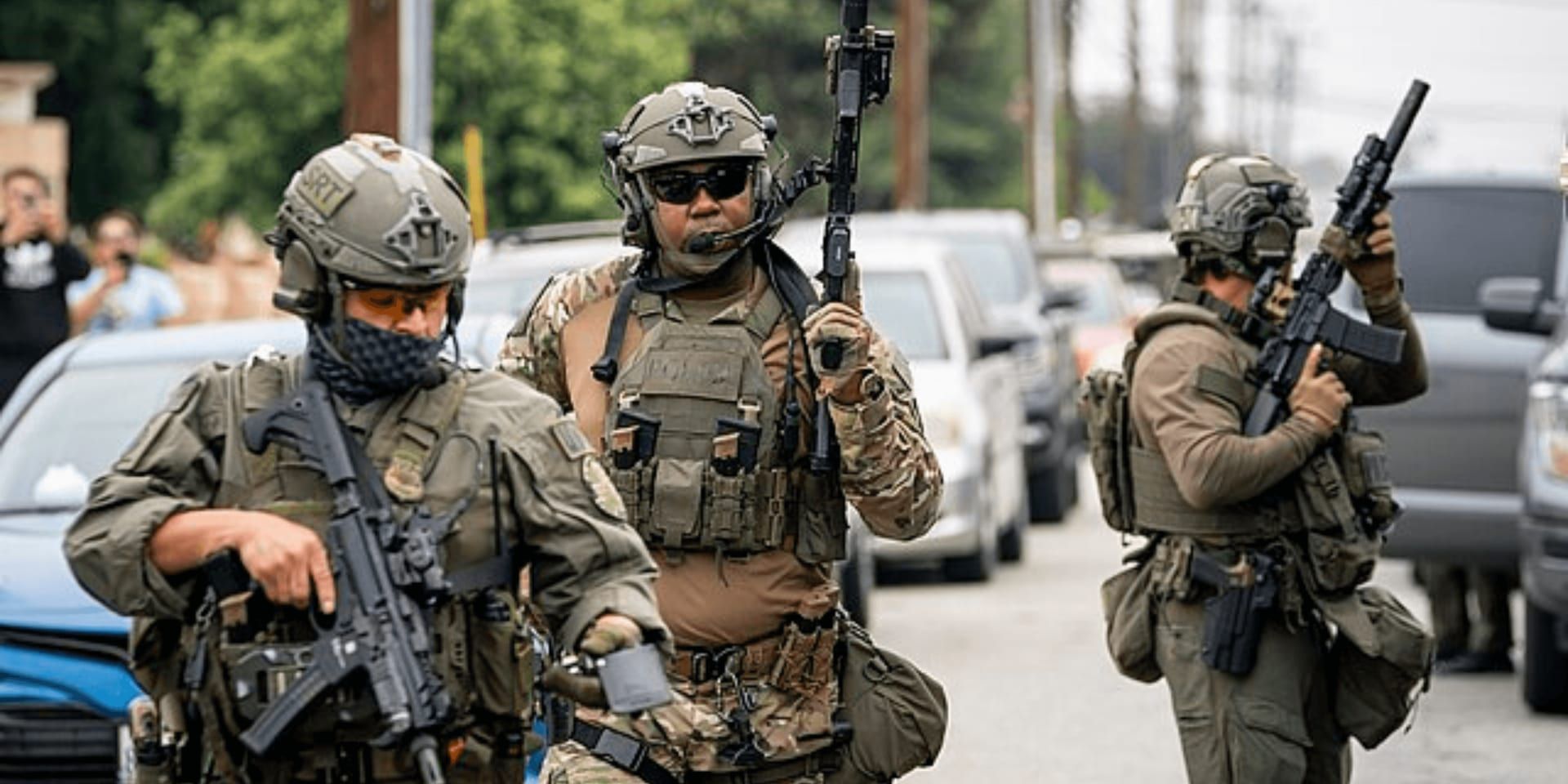
Federal Immigration Operation Sparks National Outcry in Minneapolis
A federal immigration enforcement operation in Minneapolis turned deadly this week when an Immigration and Customs Enforcement (ICE) agent shot and killed Renee Nicole Macklin Good, a 37‑year‑old local resident, during what authorities described as an attempted vehicle attack. Local officials strongly disputed the federal account, and community protests erupted in the city, with Minneapolis leadership demanding federal agents withdraw and criticizing the tactics used. Minnesota’s governor activated the state’s emergency operations center as tensions escalated, and the Minnesota Bureau of Criminal Apprehension stepped back from the investigation amid disputes over evidence access, leaving the FBI to lead the federal probe. The incident has reignited fraught national debates over immigration enforcement and federal intervention in local communities.
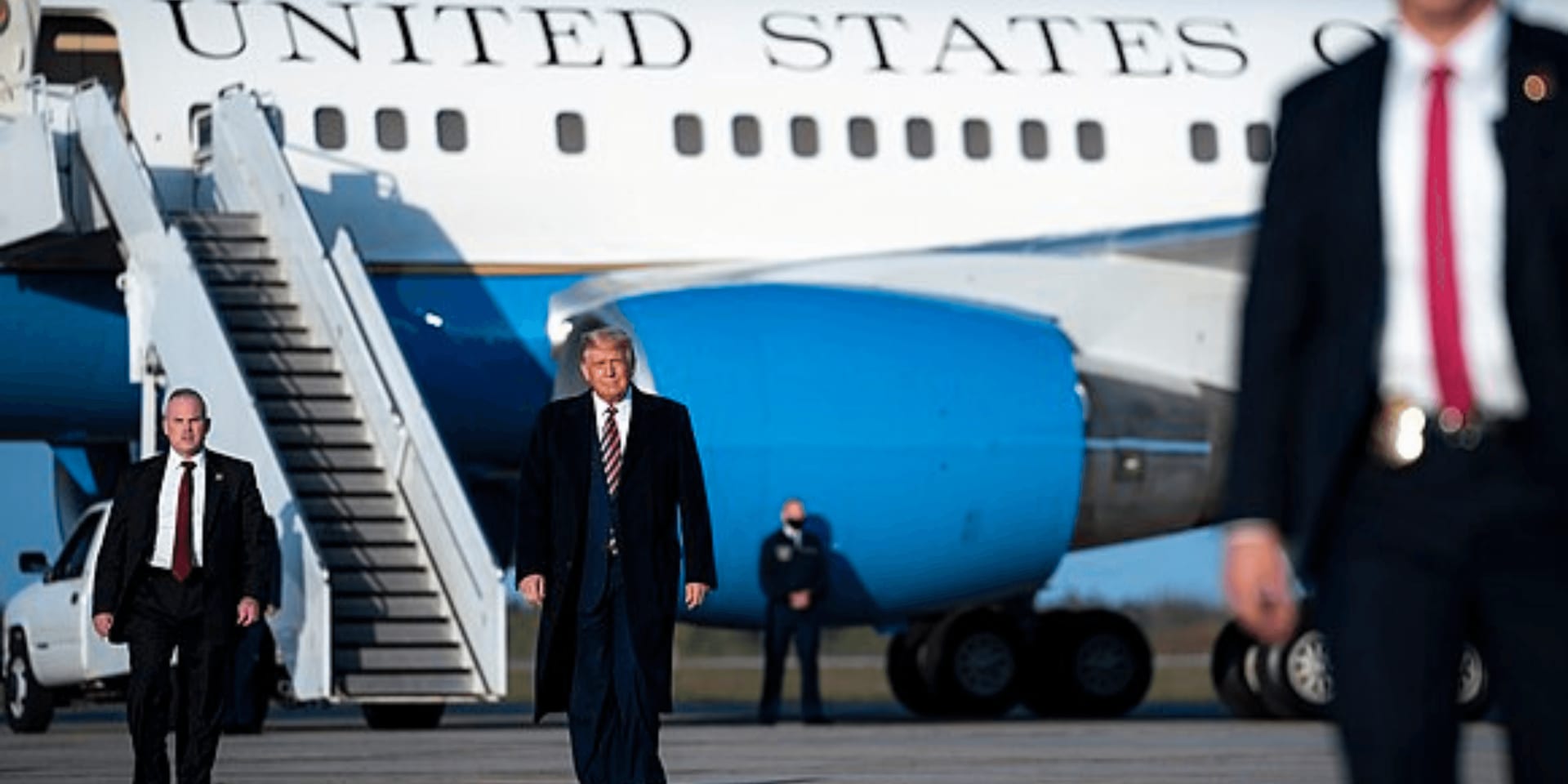
White House Announces Pullback From International Organizations
In a major foreign policy move, President Donald Trump issued a memorandum directing the United States to withdraw from dozens of international organizations, prominently including those tied to the United Nations climate framework. The administration framed the action as advancing U.S. interests and reducing foreign obligations, but the decision quickly drew criticism from environmental groups and legal experts. Critics note that withdrawing from Senate‑ratified treaties like the U.N. Framework Convention on Climate Change raises constitutional questions about executive authority. The shift is expected to reverberate through global diplomacy and financial support for multilateral institutions, especially as world leaders gather later this month in Davos.
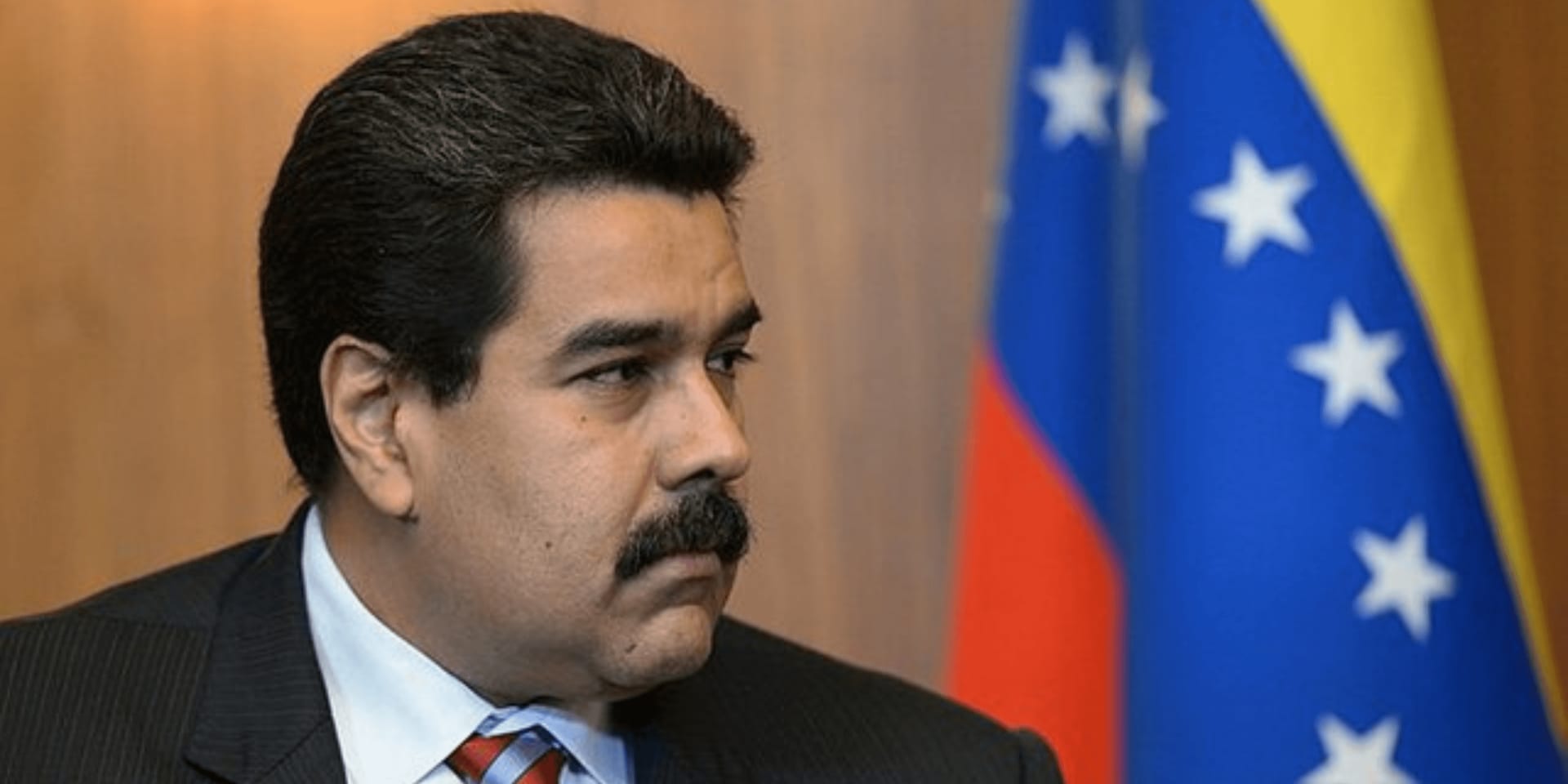
Trump Administration’s Venezuela Policy Amplifies International Tensions
Continuing a controversial foreign focus, U.S. forces have recently escalated pressure on Venezuelan leadership following U.S. military operations earlier in January that resulted in the capture and transfer of Venezuelan President Nicolás Maduro to U.S. custody on narcotics‑related charges. The broader U.S. strategy—including the seizure of sanctioned oil tankers linked to Venezuela—has drawn sharp international scrutiny, particularly from Russia and regional governments. While U.S. officials characterize these actions as law enforcement and sanction enforcement, dissenting voices in the hemisphere warn of destabilizing effects and potential diplomatic fallout.
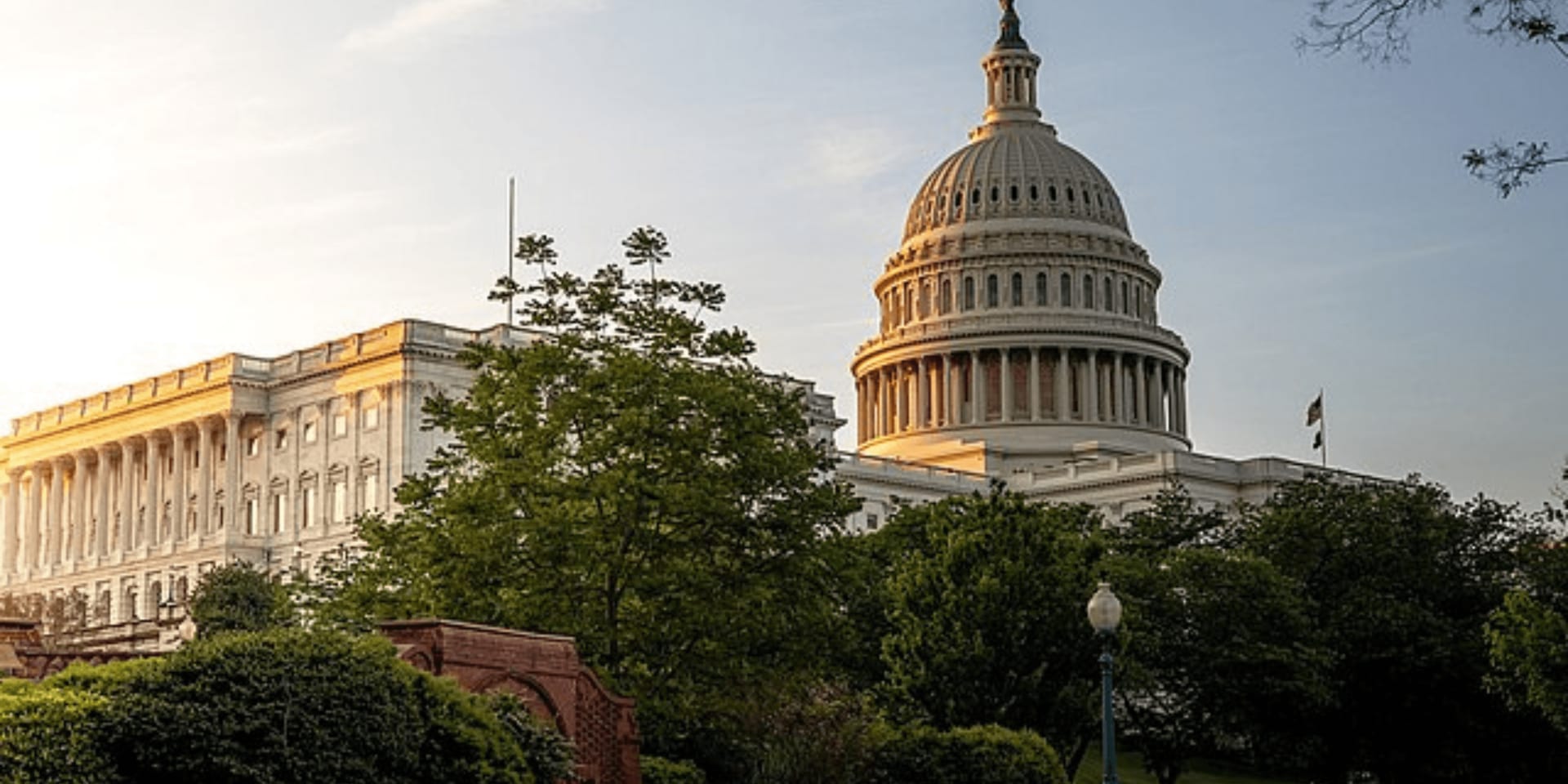
Political Landscape Shifts as 2026 Midterms Approach
Amid these events, political observers are closely watching how domestic and foreign policy flashpoints will shape the 2026 midterm elections landscape. Republicans hold a Senate majority with a challenging map ahead, and both parties are gearing up for heated contests in key states this year. With all House seats and dozens of state legislative chambers also up for grabs, control of Congress hangs in the balance. Early special elections and party strategies are already drawing national attention, with policy debates around immigration, foreign engagement, and economic priorities set to take center stage in coming months.

Northern Lights and Weather Impacts Grab Public Attention
Beyond politics and conflict, Americans experienced a rare natural spectacle this week as heightened solar activity produced conditions favorable for aurora borealis visibility across roughly 15 states. Experts from the National Oceanic and Atmospheric Administration identified a G1‑level geomagnetic storm, prompting interest from skywatchers from Washington to Maine. At the same time, a series of winter storms brought snow to portions of the Rockies and Midwest, while isolated thunderstorms were reported across the South, illustrating the wide range of weather phenomena affecting the country.
Looking Ahead
As January 8’s major developments continue to unfold, the nation is poised for consequential weeks ahead. Key investigations into the Minneapolis shooting and federal immigration operations will draw legal and political scrutiny, while global reactions to U.S. withdrawals from international bodies may shape foreign engagement strategies through the remainder of 2026. The build‑up to the midterm elections is accelerating, with both parties recalibrating messaging in response to policy controversies at home and abroad. Weather systems and rare celestial events will keep public interest high, but political and diplomatic developments are likely to dominate the national agenda.