Washington Under Pressure: Inflation, Courts, and Political Battles Shape America’s Week
America faced another turbulent week as rising inflation, political battles, and major legal developments intensified pressure on Washington. Economic anxiety remained high amid soaring fuel prices and concerns over Federal Reserve leadership, while disputes over voting maps, religion in public life, and ongoing legal challenges surrounding former President Donald Trump continued to deepen national divisions ahead of the 2026 midterm elections.

Inflation and Economic Pressures Dominate National Debate
Economic concerns remained at the forefront of public attention after new data showed inflation climbing to 3.8% in April, its highest level since 2023. Rising fuel prices tied to the ongoing conflict involving Iran have contributed to higher transportation and consumer costs nationwide. Gasoline prices exceeding $4.50 per gallon in many regions have further intensified frustration among households already struggling with affordability pressures.
The Trump administration has argued that recent tax cuts and increased AI-related investment will eventually produce stronger growth. White House economic advisers predicted accelerated GDP expansion later this year, citing new manufacturing projects and private-sector capital spending. Critics, however, warned that inflation is eroding wage gains and weakening consumer confidence.
The economy is quickly becoming the defining issue ahead of the midterm elections. Competitive Senate races, particularly in North Carolina, are increasingly centered on the debate over whether tax relief outweighs rising costs for food, rent, and healthcare. Polling has shown growing dissatisfaction with the administration’s handling of the economy, even as unemployment remains relatively stable.
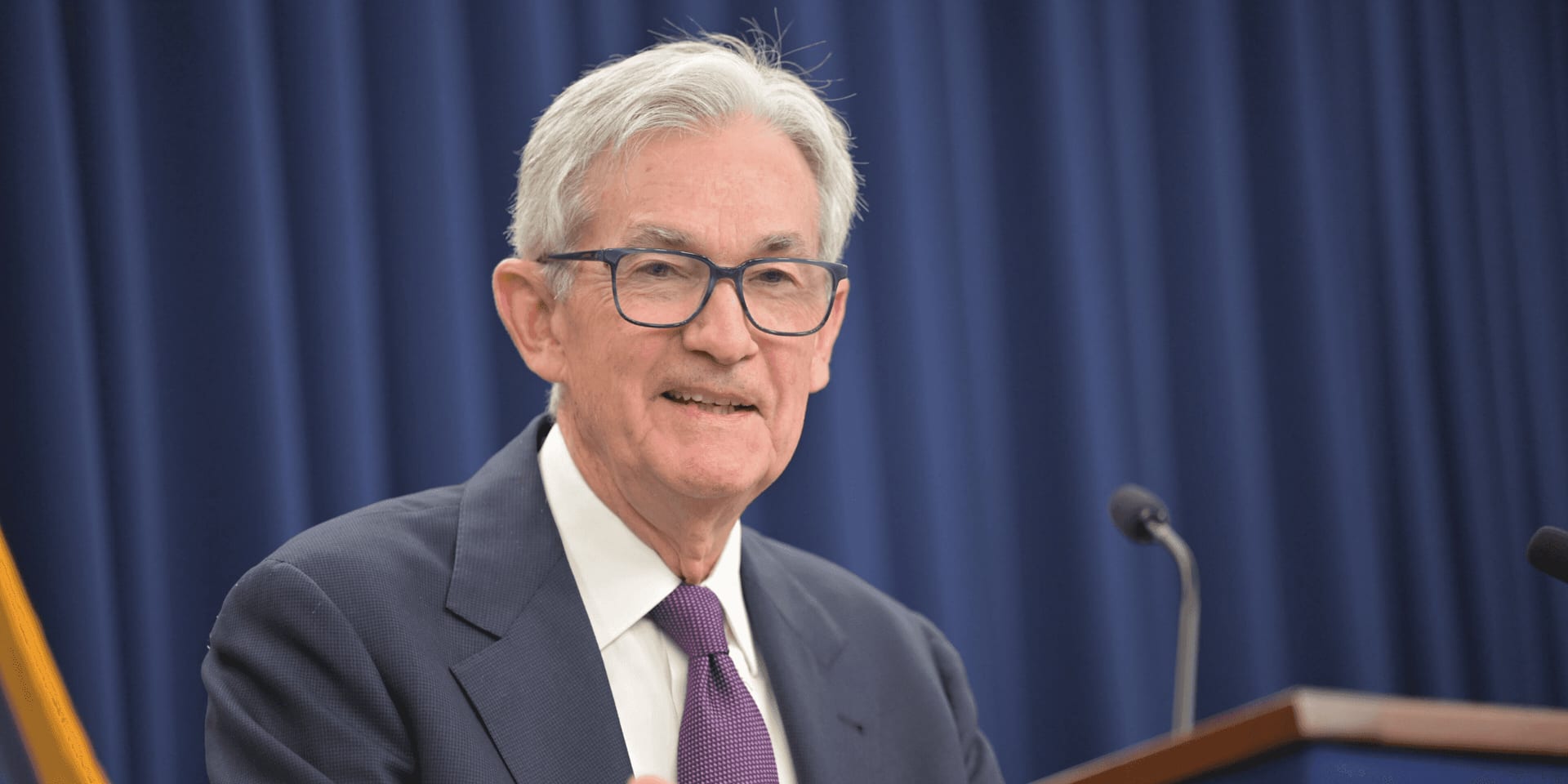
Chair Powell answers reporters' questions at the FOMC press conference on April 29, 2026
Photo Credit: Federalreserve/Wikimedia
Federal Reserve Leadership Change Raises Concerns Over Independence
The Senate moved toward confirming Kevin Warsh as the next chair of the Federal Reserve, replacing Jerome Powell at a particularly volatile moment for monetary policy. Warsh, a former Fed governor, would inherit an economy wrestling with persistent inflation and growing political pressure surrounding interest-rate decisions.
Democrats and some economists expressed concern that the White House has increasingly sought to influence the traditionally independent central bank. President Trump has repeatedly criticized Powell in recent years and advocated for lower interest rates. During confirmation hearings, Warsh insisted he would maintain the Fed’s independence despite accusations that he is closely aligned with the administration’s political priorities.
Financial markets reacted cautiously to the transition, with investors watching closely for signals about future rate cuts. Analysts noted that any perception of political interference in Fed policy could affect market stability and long-term confidence in U.S. financial institutions.
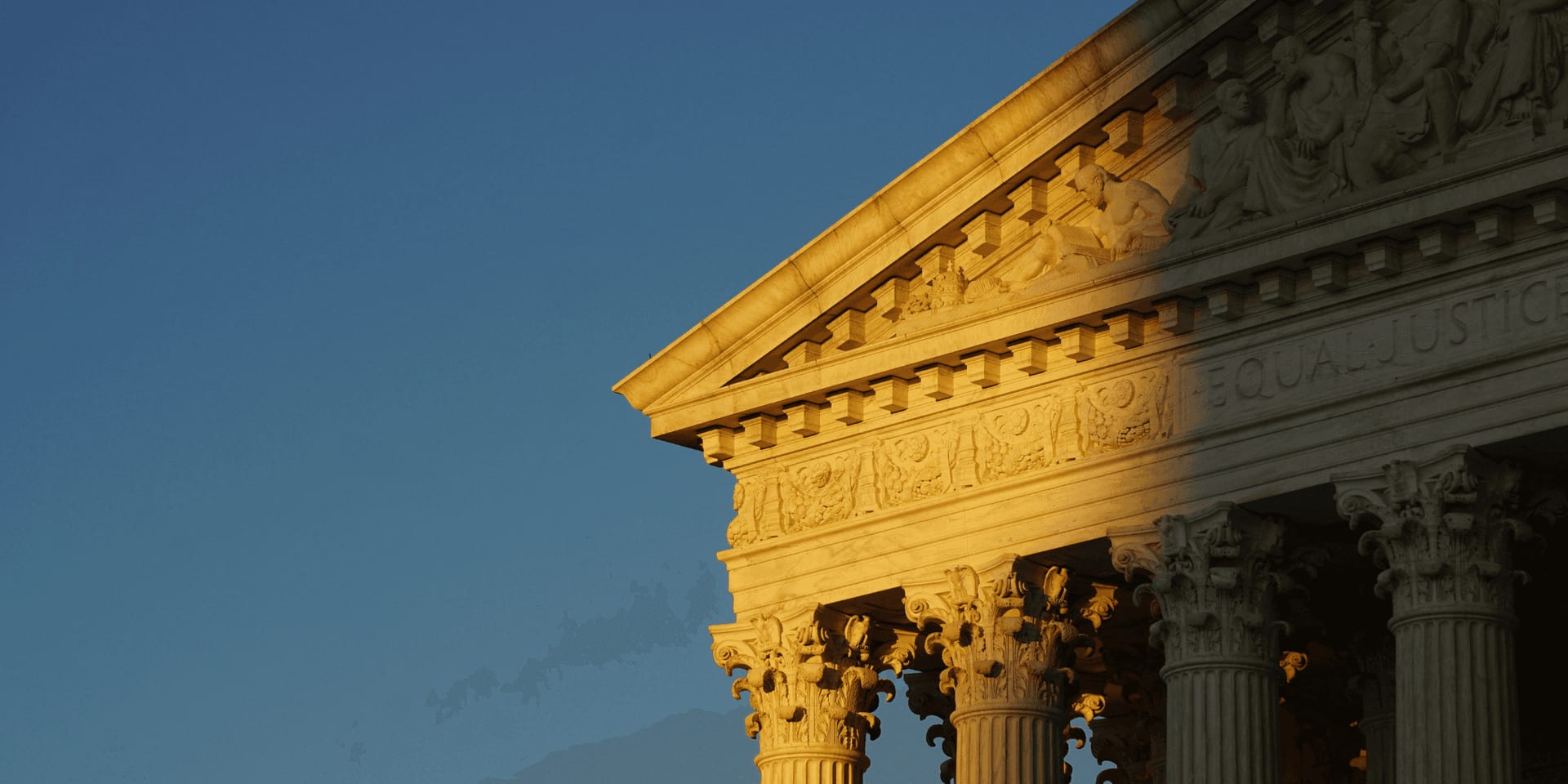
The front façade of the Supreme Court of the United States in Washington, DC.
Photo Credit: Ian Hutchinson
Redistricting Battles Intensify Across the States
Political fights over congressional maps continued to escalate, particularly in the South. In South Carolina, Republican lawmakers rejected a redistricting proposal strongly backed by President Trump that would likely have weakened Democratic Congressman James Clyburn’s district. Several Republican state senators joined Democrats in opposing the plan, arguing that it risked political overreach and legal challenges.
Meanwhile, the Supreme Court’s recent decisions on voting maps and representation continued to reverberate nationally. The Court allowed Alabama to move forward with a congressional map that removes a majority-Black district, while Virginia Democrats asked the justices to restore a voter-approved map struck down by the state’s highest court.
Civil rights groups warned that these cases could reshape minority representation in Congress ahead of the 2026 elections. Legal experts said the Court’s rulings may further redefine the balance between state legislatures, federal oversight, and voting-rights protections.
Photo Credit: Brad Dodson
White House Prayer Event Sparks Debate Over Religion and Government
The Trump administration announced plans for a large-scale prayer festival on the National Mall titled “Rededicate 250,” part of preparations for America’s upcoming 250th anniversary celebrations. The nine-hour event will emphasize what organizers describe as the nation’s Christian heritage and will feature senior administration officials, evangelical leaders, and religious performers.
Supporters described the gathering as a patriotic and spiritual tribute to the country’s founding traditions. Critics, however, argued that the event blurs the line between church and state and risks marginalizing Americans from other religious backgrounds. Interfaith organizations and constitutional scholars questioned whether public resources should support an event so heavily centered on one religious perspective.
The controversy arrives amid broader national debates over religious freedom, public education, and the role of faith in government institutions. Analysts noted that culture-war issues remain deeply intertwined with electoral politics heading into the midterms.
Photo Credit: Bermix Studio
Legal and Political Challenges Continue to Surround Trump
Former President Donald Trump and his administration faced several additional legal and political developments this week. A federal appeals court temporarily paused Trump’s obligation to pay the $83.3 million defamation judgment awarded to writer E. Jean Carroll while his appeal continues. The court required Trump to increase his financial bond during the process.
At the same time, scrutiny intensified around federal agencies and administration appointments. FDA Commissioner Marty Makary resigned following disputes within the administration, while FBI Director Kash Patel publicly rejected allegations regarding misconduct during a contentious Senate hearing.
The administration also continued grappling with the aftermath of major court rulings limiting presidential tariff powers. Earlier Supreme Court decisions striking down broad tariff authorities remain a significant setback for one of Trump’s signature economic policies and continue to influence trade discussions across Washington.
Looking Ahead
Attention in the coming days will focus heavily on inflation trends, Federal Reserve leadership changes, and the political fallout from ongoing economic concerns. Congress is expected to intensify debate over spending priorities and energy policy as fuel prices remain elevated.
Meanwhile, the Supreme Court’s upcoming rulings on voting rights, executive authority, and election-related disputes could have lasting consequences for the balance of political power ahead of the 2026 elections. With the economy, courts, and culture-war issues all colliding at once, Washington enters the summer facing one of the most politically charged periods of the year.