Washington Unwraps a December of Uncertainty — From Military Scrutiny to Market Rebound
As December begins, the United States enters a fraught period marked by sharp scrutiny of U.S. military actions abroad, significant legal battles over executive power at home, and fresh momentum on Wall Street — all unfolding alongside continuing debates over immigration and federal social programs. Today’s top stories highlight how foreign‑policy aggression, domestic governance conflicts, economic optimism, and social welfare concerns are converging, setting the tone for a potentially consequential month.

Congress Launches Probes Into Controversial Military Strikes at Sea
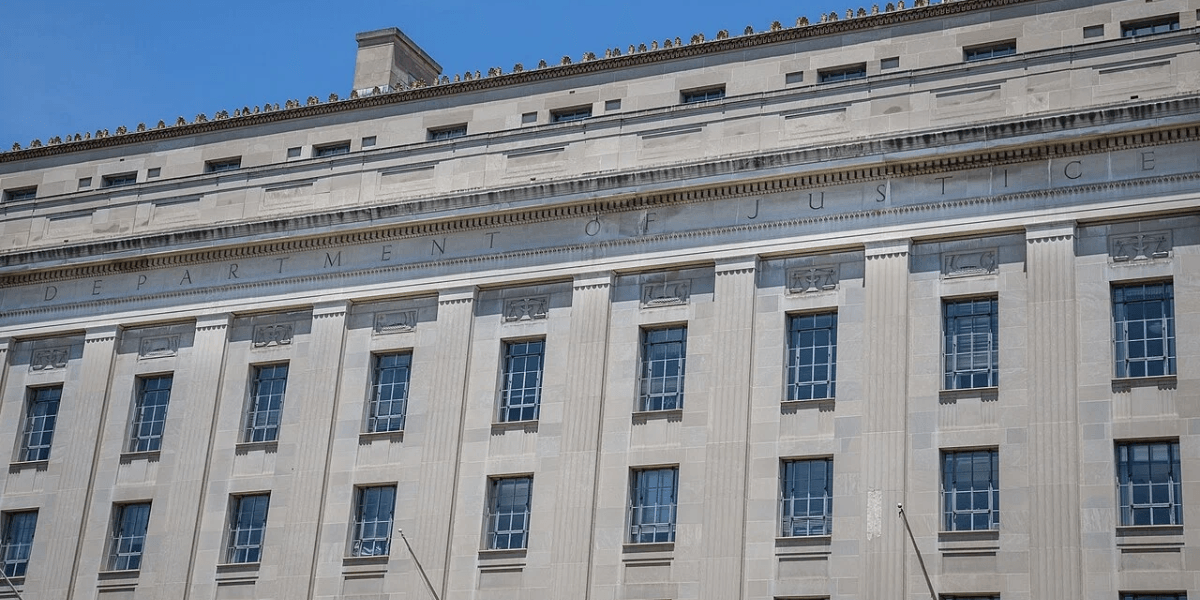
This morning, both the House and Senate Armed Services Committees opened formal investigations into a September strike by U.S. forces on a suspected drug‑smuggling vessel, after reports suggested the follow‑up attack was ordered even after some crew survived the first strike. Critics from both parties have described the alleged order — reportedly given by Pete Hegseth while serving as Defense Secretary — as a possible war crime, arguing that targeting incapacitated or surrendered individuals violates international law. The White House maintains the strike was “legal” and justified under self‑defense and anti–narcotics operations frameworks, heightening tensions between the administration and those demanding accountability.
As lawmakers prepare to grill Pentagon officials and review classified strike files, the controversy threatens to reshape America’s strategy in the region and raise broader questions about executive authority in military engagements.
Supreme Court Showdown Looms Over Executive Power with Major Case on Deck
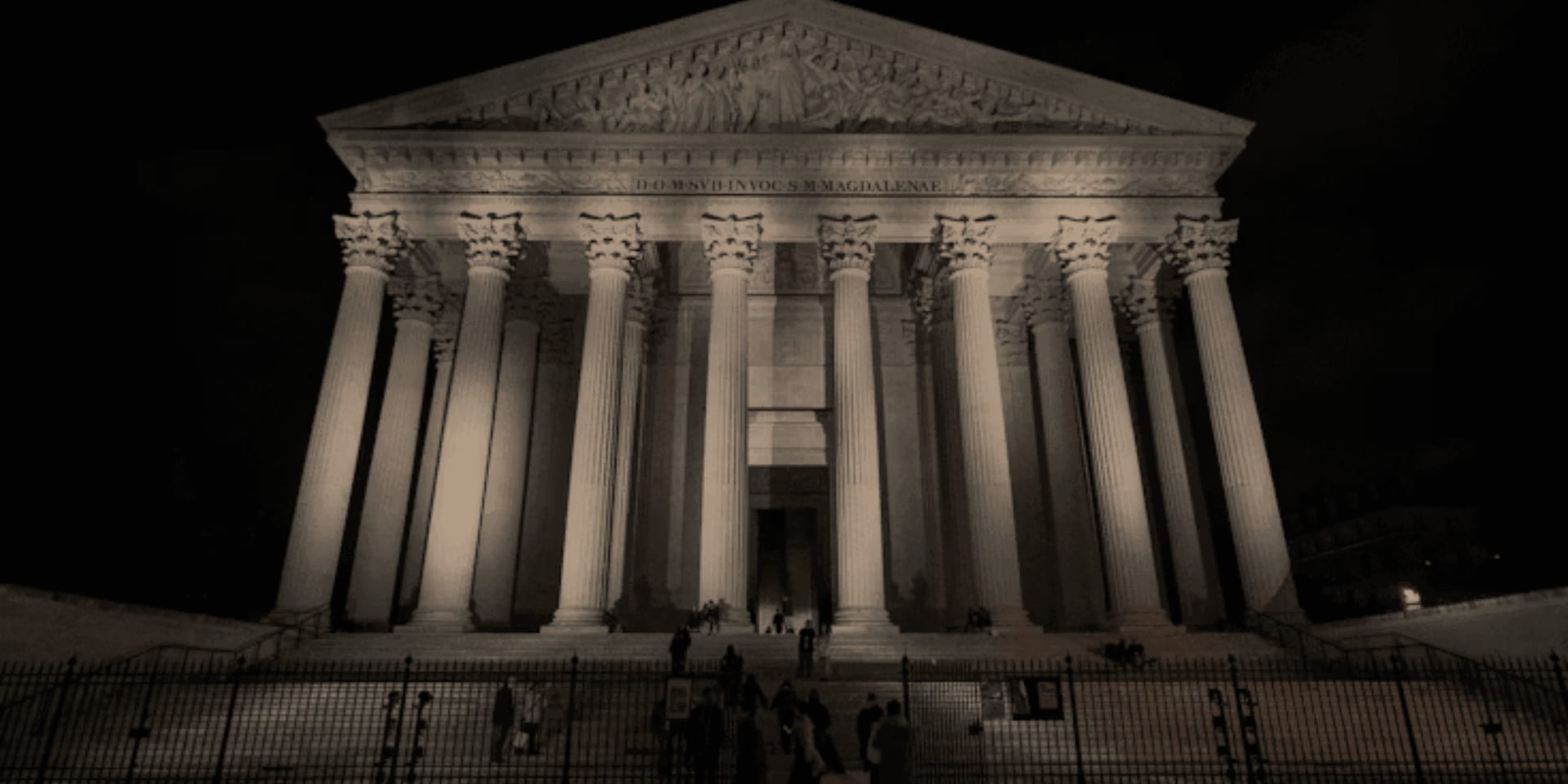
With the new month, the Supreme Court of the United States begins hearing a suite of major cases — including Trump v. Slaughter, set for oral arguments on December 8, which could fundamentally recalibrate the power balance between the presidency and independent federal agencies. Under scrutiny is whether the president can unilaterally remove leaders of those agencies without cause — a move that could dramatically weaken Congress’s oversight. Legal observers warn that a ruling in favor of broad removal powers would expand what critics call a “unitary executive,” potentially undermining checks on the executive branch.
The Court’s conservative majority appears poised to side with the executive, part of a broader jurisprudential trend favoring greater presidential control and narrower agency independence. The decision could have long-term implications for everything from financial regulation to environmental enforcement.

Wall Street Surges as Mushy November Ends — Markets Take a December Turn
Stock markets appear to have shaken off a rough November: the S&P 500 rebounded sharply, driven by gains in major technology and growth‑oriented firms, fortifying optimism among investors that anticipation of an interest‑rate cut by the Federal Reserve might spark a late‑year rally. Some analysts suggest the S&P 500 could close the year with a rare third straight 20-percent-plus annual gain — a feat not seen since the mid-1990s. Despite renewed enthusiasm, many remain cautious. Key risks include uncertainty over upcoming Supreme Court rulings — which could alter the regulatory environment — and the pending decision on the next Fed chair, which may influence the central bank’s policy path.

Immigration Freeze Adds Pressure as Asylum Processing Halts Indefinitely
In a move that has drawn sharp criticism from immigrant‑rights advocates, the administration announced it will extend indefinitely a freeze on asylum decisions — a response, it says, to a recent fatal shooting involving a migrant near the White House. The suspension affects thousands of pending cases, renewing concerns that recent enforcement measures are casting a wide net over asylum seekers. Opponents argue the freeze undermines long‑standing American traditions of asylum and due process, and warns it may fuel humanitarian crises even as the administration frames the policy as national security.

Domestic Welfare Programs Remain in Flux as SNAP Access Stays Unsettled
Although things have quieted since the record‑breaking 43‑day federal shutdown ended in mid‑November, lingering effects remain. Among the most serious: the suspension of benefit disbursements for the Supplemental Nutrition Assistance Program (SNAP), which serves roughly one in eight Americans, continues to spark lawsuits and public outcry. Advocates warn that prolonged disruption to SNAP — during the onset of the holiday and winter season — could deepen food insecurity, especially for families already struggling with inflation, unemployment, or other economic pressures. Meanwhile, states and nonprofits scramble to fill the gap pending broader legislative resolution and renewed federal appropriations.
Looking Ahead
As December unfolds, attention will gravitate to the outcome of the Court’s upcoming rulings — especially on executive‑agency power — and the findings of congressional probes into U.S. military operations abroad. Markets will also keep an eye on any Federal Reserve signals and potential fiscal or tax‑policy shifts tied to legislation expected early next year. On the domestic front, the fate of social‑safety net programs like SNAP and the administration’s evolving approach to immigration will remain central to national debate. With so many critical threads in motion — legal, economic, humanitarian, and geopolitical — December 2025 may well shape key aspects of America’s trajectory well beyond the holidays.