What Families Should Know About Dementia Disorientation and Live-In Care Options
Dementia is more than a loss of memory; it is a disease of disorientation where the world slowly becomes unrecognizable.
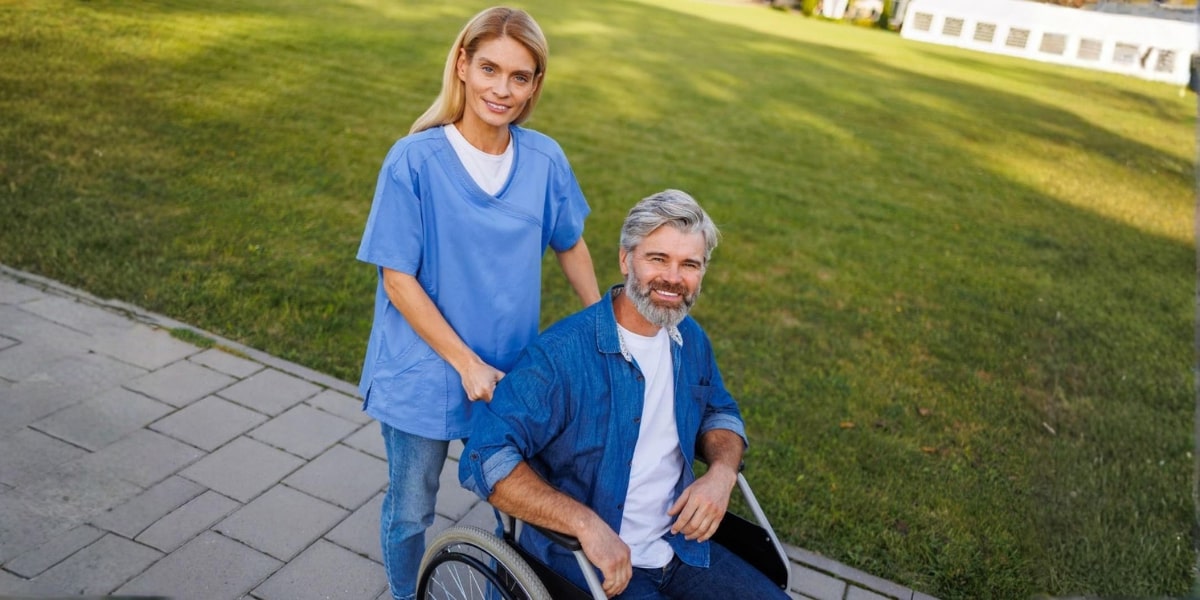
Some of the biggest challenges in senior care aren’t visible at first glance. A sudden surge of confusion in the evening, a missed medication dose, or the creeping isolation of a declining memory these signs may seem like a natural part of aging, but they often signal a need for a more structured environment. For families, recognizing when a loved one’s current living situation is no longer safe is key to protecting their dignity and long-term health.
Two new articles offer insight into the complexities of memory care and the logistical realities of home support: “Dementia and Disorientation: Why Familiar Walls Are the Best Medicine” explores why staying in a lifelong home can be a powerful therapy for those with memory loss. “Is Live-In Care the Only Option? An Honest Analysis” provides a no-nonsense breakdown of the various care models available and how to choose the one that fits a family's budget and medical needs.
The Power of Familiarity in Dementia Care
Dementia is more than a loss of memory; it is a disease of disorientation where the world slowly becomes unrecognizable. For many seniors, the physical environment of a lifelong home serves as a vital anchor, providing sensory cues that help them navigate daily life even as cognitive abilities fade.
Here’s what families need to understand about the "familiar walls" approach:
Routine Reduces Agitation: Familiar sights, like a favorite armchair or the layout of a kitchen, can drastically reduce symptoms of anxiety and "sundowning." Institutional settings often disrupt these rhythms, leading to increased distress.
Personalized Care vs. Institutional Schedules: Professional in-home caregivers adapt to the senior’s established history and quirks. This allows for behavioral redirection through music or familiar tasks rather than relying solely on medication.
Emotional Preservation: Engaging in meaningful, low-stress activities at home like gardening or sorting buttons helps maintain a sense of purpose and self-worth that is easily lost in a clinical environment.
Safety and Stability: Home modifications, such as grab bars and motion sensors, can turn a familiar house into a dementia-friendly haven, avoiding the fall risks and contagions often found in high-traffic facilities.
Is Live-In Care the Only Option? Finding the Right Fit
When safety concerns grow, many families assume they must choose between a nursing home or full-time, live-in help. However, the reality is a spectrum of "unbundled" services that can be tailored to both the senior's needs and the family's financial capabilities.
Here’s what families need to know about navigating care models:
Live-In vs. 24-Hour Rotational Care: There is a major difference. "Live-in" care involves one caregiver who needs 8 hours of sleep, while "24-hour rotational" care uses multiple shifts to ensure someone is awake and alert at every moment. The latter is necessary for high-risk patients but costs significantly more.
The "Unbundling" Strategy: You don’t always need a 24/7 package. Combining adult day care during work hours with strategic hourly help in the mornings and evenings can provide comprehensive coverage at a fraction of the cost.
The Role of Smart Technology: Modern tools like fall-detection sensors, automated medication dispensers, and medical alert systems can bridge the gap between caregiver visits, allowing for safer solo living without the expense of a constant human presence.
The Threshold of Necessity: The decision hinges on one question: Is the senior safe during the 8 hours a live-in caregiver is sleeping? If nighttime wandering or complex medical needs require active monitoring, a more intensive care model is required.
Final Thoughts
The most difficult decisions in senior care often stem from a lack of information. Families often feel trapped between the high costs of 24/7 supervision and the fear of leaving a loved one vulnerable.
By understanding the therapeutic value of a familiar home environment and learning how to strategically layer different types of support, families can create a sustainable, dignified safety net. Protecting a senior’s health doesn't always require a move sometimes, it just requires a better plan.
Read the Full Articles Here:
Dementia and Disorientation: Why Familiar Walls Are the Best Medicine – Ningrl
https://ningrl.com/dementia-and-disorientation-why-familiar-walls-are-the-best-medicine/
Is Live-In Care the Only Option? An Honest Analysis – Health Medi Spark
https://healthmedispark.com/is-live-in-care-the-only-option-an-honest-analysis/
Media Contact:
Carlos Pinto
PR Director
Help to Love
pintocarlos@helptolove.com