
What Wellness Really Is: A Return to Real Nutrition
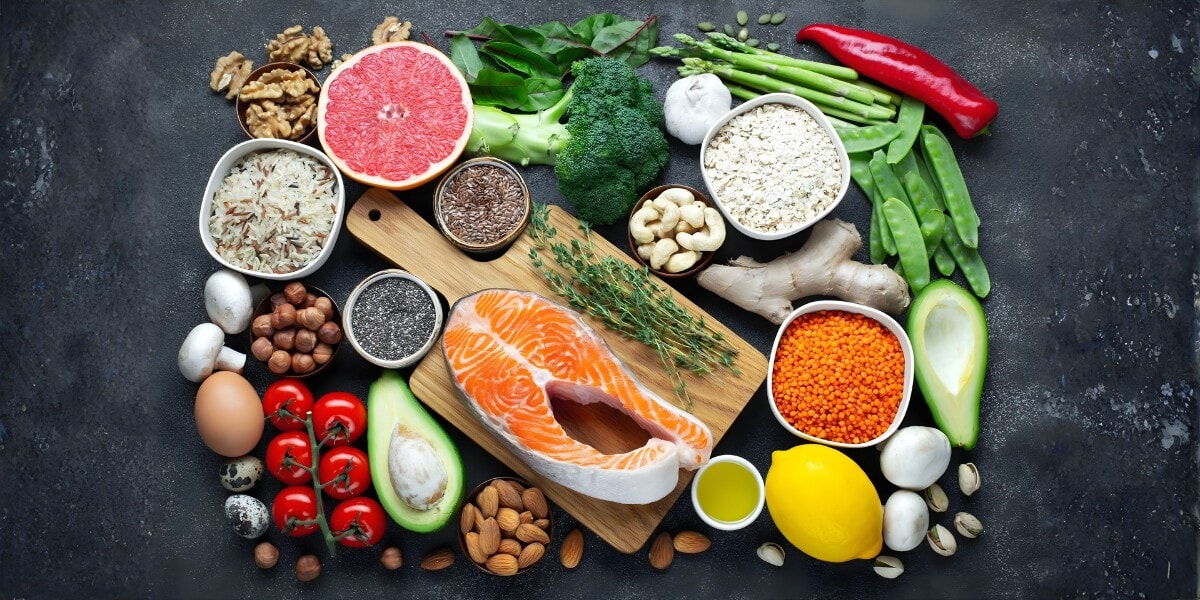
The evolving concept of wellness is shifting toward a more grounded and sustainable approach, one that prioritizes real, whole foods and evidence-based practices. The latest Dietary Guidelines for Americans 2025-2030 underscore this new era by emphasizing nutrient-dense, whole foods, proteins, healthy fats, fruits, vegetables, and whole grains, while steering clear of ultra-processed products. Dairy, often sidelined in recent years, is even making a comeback with a focus on its nutrient-rich profile, including full-fat options like whole milk. This marks a departure from past trends and reflects a broader movement toward embracing traditional, wholesome nutrition.
Wellness in 2026 is less about the latest fads and more about sustainable health practices. The government and wellness experts alike are promoting an approach based on nourishing the body with nutrient-rich foods and supplements that support long-term health. In this context, several wellness trends are gaining traction, including colostrum, fermented foods, bone broth, collagen, and adaptogens, all part of the return to real nutrition.
Colostrum: “Liquid Gold” for Immunity and Gut Health
One of the standout wellness trends is bovine colostrum, often referred to as "liquid gold." This early form of milk produced by mammals after giving birth is packed with immunoglobulins, cytokines, and growth factors, which support cell growth and immune function. Colostrum contains about 15% protein, compared to regular milk's 3%, and is rich in antibodies and antimicrobial compounds that help protect newborns during their early stages of life.
While research on the benefits of colostrum for adults is still emerging, early studies suggest it may support immune function and gut health. For instance, one study found that colostrum supplementation was linked to fewer upper respiratory infections and reduced gut inflammation. Additionally, athletes are increasingly using colostrum to aid recovery and improve performance due to its growth factors, which may assist in muscle repair.
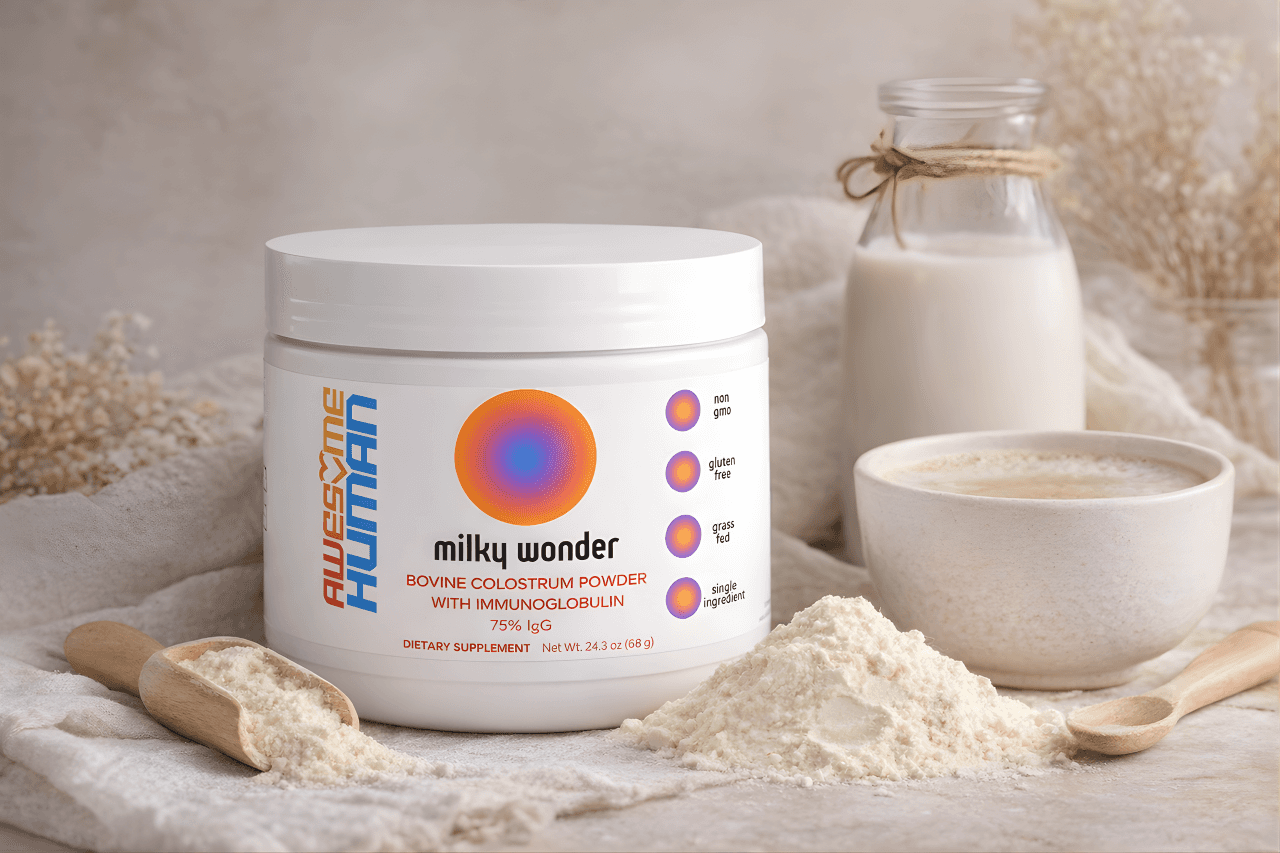
Colostrum is most commonly available in powdered supplement form, making it easy to incorporate into daily wellness routines through smoothies, coffee, or simple water blends. One example is Milky Wonder Colostrum Powder from Awesome Human, a single-ingredient bovine colostrum supplement made in the USA and formulated without fillers, flavors, or unnecessary additives. Naturally rich in immunoglobulins, growth factors, and bioactive peptides, colostrum has been studied for its potential role in supporting immune health, gut barrier function, and post-exercise recovery. While scientific research on colostrum continues to evolve, current findings suggest it is well tolerated and generally safe for most adults, making it an increasingly popular option among consumers seeking clean, food-based supplements. As interest grows in minimally processed, nutrient-dense wellness products, colostrum stands out as a practical and research-supported addition to a holistic health approach.
Fermented Foods and Probiotics: Nurturing Your Gut Health
Another timeless approach to wellness revolves around fermented foods. From yogurt and kefir to kimchi and kombucha, these probiotic-rich foods support a healthy gut microbiome, a crucial component of overall health. Research shows that a diverse gut microbiome is linked to better digestion, enhanced immunity, and improved mood.
A clinical study at Stanford University found that consuming fermented foods for just 10 weeks resulted in improved microbial diversity in participants' guts and reduced markers of inflammation in their blood. This supports the idea that fermented foods can offer tangible health benefits, especially when it comes to gut health and immune function.
Unlike isolated probiotic supplements, fermented foods provide additional nutrients and fiber, making them a more holistic choice for supporting your microbiome. Many wellness advocates now recommend incorporating fermented foods like yogurt, kefir, and kimchi into your daily diet. Even kombucha, a fizzy fermented tea, is gaining popularity as a health-conscious alternative to sugary sodas, with independent brands like Health‑Ade helping bring traditionally brewed, low-sugar options into the mainstream.
Bone Broth and Collagen: Traditional Nutrition for Modern Wellness
Bone broth has surged in popularity in wellness circles, praised for its high collagen content, which is beneficial for joint health, skin elasticity, and gut integrity. Made by simmering animal bones for hours, bone broth releases collagen, gelatin, and important minerals like calcium, magnesium, and phosphorus. These nutrients support connective tissues, which include the skin, joints, and gut lining.
Collagen production naturally declines as we age, contributing to issues like joint pain and wrinkles. However, research shows that supplementing with collagen, whether through bone broth or collagen powders, can improve skin hydration, elasticity, and reduce the appearance of wrinkles. Additionally, some studies have suggested that collagen supplementation can help alleviate joint pain, particularly for those with osteoarthritis.
Bone broth offers these benefits in a whole-food form, containing glutamine and glycine, amino acids that support gut health, aid sleep, and promote relaxation. Many people now consume bone broth daily, often as a warm, comforting beverage. Additionally, collagen peptides in powdered form, derived from bovine or marine sources, are easy to add to smoothies, coffee, or oatmeal.
Adaptogens and Functional Mushrooms: Natural Stress Relief
As modern life becomes more stressful, many people are turning to adaptogens, herbs and mushrooms that help the body adapt to stress and maintain balance. Adaptogens have been used for centuries in Traditional Chinese Medicine and Ayurveda, but they are now gaining mainstream popularity as part of a holistic approach to wellness.
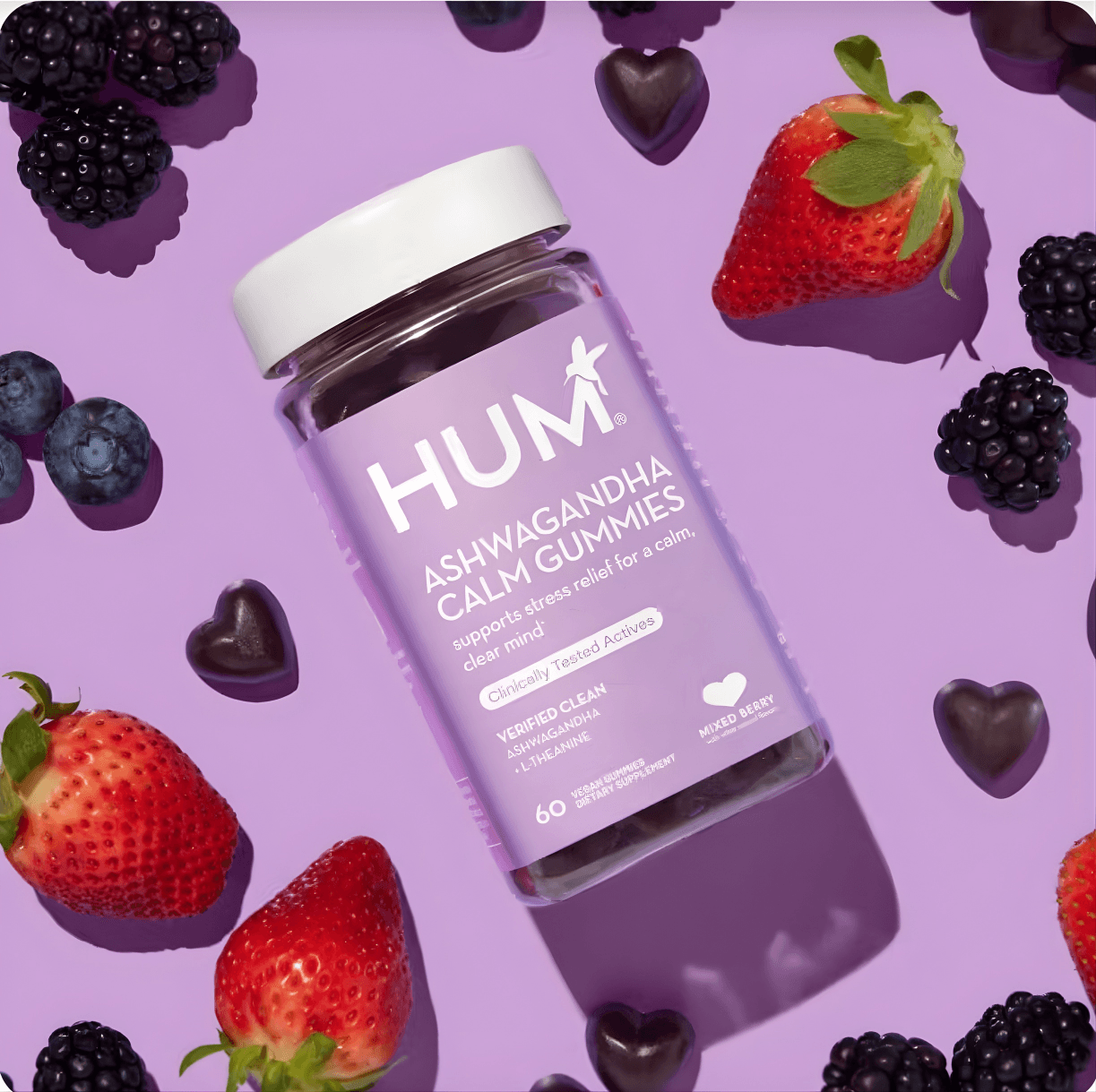
One of the most popular adaptogens is ashwagandha, an herb often called “Indian ginseng.” Studies support its use as a natural stress reliever, showing that ashwagandha can reduce cortisol levels (the stress hormone), ease anxiety, and improve sleep. A systematic review of clinical trials found that participants taking ashwagandha experienced significant reductions in stress and improvements in mood. This growing body of research has helped bring ashwagandha into the mainstream, with wellness-forward brands such as HUM Nutrition offering standardized ashwagandha formulations designed for everyday stress support.
Additionally, functional mushrooms such as reishi, lion's mane, and cordyceps have been prized for their medicinal properties in Eastern medicine. Reishi is known for supporting immunity and relaxation, while lion's mane is often used to enhance cognitive function. Cordyceps, traditionally used for stamina, is now popular among athletes for improving endurance. These mushrooms contain beneficial compounds that may modulate the immune system and improve brain and physical performance.
Incorporating adaptogens and functional mushrooms into daily routines is easy with products like mushroom coffee, reishi hot chocolate, or ashwagandha-infused teas. These products not only offer health benefits but also serve as natural, non-caffeinated alternatives to traditional energy-boosting beverage
The Role of Supplements in Real Wellness
As wellness continues to embrace a return to real nutrition, supplements are playing a complementary role. While it's always best to get nutrients from whole foods, certain supplements can help fill gaps in your diet. For example, omega-3 fatty acids, vitamin D, and magnesium are often recommended as supplements to support overall health.
However, it’s important to remember that supplements should be viewed as additions to a balanced diet, not replacements. Whole foods provide a broader spectrum of nutrients that work synergistically to support health, and no pill can replace the benefits of a well-rounded, nutrient-dense diet.
In line with the “food as medicine” philosophy, supplements like probiotics, vitamin D, and omega-3s can help support gut health, immunity, and inflammation, but they should always be paired with healthy, whole food choices.
Embracing a Holistic Approach to Wellness
The emerging definition of wellness goes beyond trendy diets or quick fixes. It's about embracing holistic, sustainable practices that nourish the body and mind. The message is clear: real wellness begins with real, whole foods. By choosing high-quality, nutrient-dense foods, whether it's fresh fruits and vegetables, quality proteins, fermented foods, or collagen-rich bone broth, you're laying the foundation for long-term health and vitality.
Adaptogens and functional mushrooms offer natural, plant-based solutions for managing stress and supporting cognitive function, while dairy is reclaiming its place in a balanced, nutrient-rich diet. At the same time, supplements can play a role, but they should always be secondary to a nutrient-packed diet.
The key to wellness in 2026 is a return to basics: embracing foods and practices that our ancestors relied on, supported by modern science. Wellness isn’t about deprivation or miracle cures but about adopting a balanced, evidence-based approach to health. By prioritizing real foods, reducing processed junk, staying active, and practicing mindfulness, you’re setting yourself up for lasting health and well-being.
Ultimately, wellness is about nourishing yourself from the inside out, recognizing that food is medicine, and taking care of your body the way nature intended.